Rain on Oʻahu is usually local and brief. Most of it falls on the windward Koʻolau side and the mountains down the middle of the island, while Waikīkī and the leeward coasts stay drier: Honolulu’s airport averages just 0.57 inches of rain in June and 2.55 inches in December, its wettest month. Often a 20- to 30-minute drive finds the sun again. When it really does set in, though, the best rainy day activities Oahu has to offer are some of the best things on the island, wet or dry: a palace, world-class museums, a working ʻukulele factory and an aquarium full of the reef you’d otherwise be snorkelling.
Here are 25 ideas, most of them indoors, with 2026 prices, hours and bus routes, plus how to read the weather and the safety rules that matter after heavy rain.
First, Chase the Sun
Before you cancel the beach, look at the radar. Oʻahu’s trade winds push clouds against the Koʻolau mountains, so the windward side, from Kāneʻohe to Lāʻie, catches far more rain than Waikīkī, Ko Olina or the west coast. Showers often blow through in minutes, and it can be pouring in Mānoa Valley while the sun shines on Kūhiō Beach a few miles away. If your side of the island is grey, drive or ride to the other one.
The season matters too. Honolulu’s rain falls mostly from November to March; summer is reliably dry. These are the long-term averages at Honolulu’s airport:
| Months | Average rain per month (Honolulu) | What it means |
|---|---|---|
| December–March | 1.95–2.55 inches; December is wettest | Passing showers most weeks; occasional all-day rain |
| April–September | 0.57–0.94 inches; June is driest | Rain is rare in town; showers mostly windward |
| October–November | 1.46–2.26 inches | The wet season building |
Our guide to the best time to visit Hawaiʻi has the full month-by-month picture. Hurricane season runs from June to November; storms like Hurricane Lowell in September 2026 are rare, but when one threatens, follow official warnings rather than any list of activities.
Rainy Day Activities Oahu Visitors Love: Museums and History
Honolulu’s museums are reason enough to hope for one wet day. For the city’s sights in any weather, see our list of the 40 best things to do in Honolulu.
1. Bishop Museum
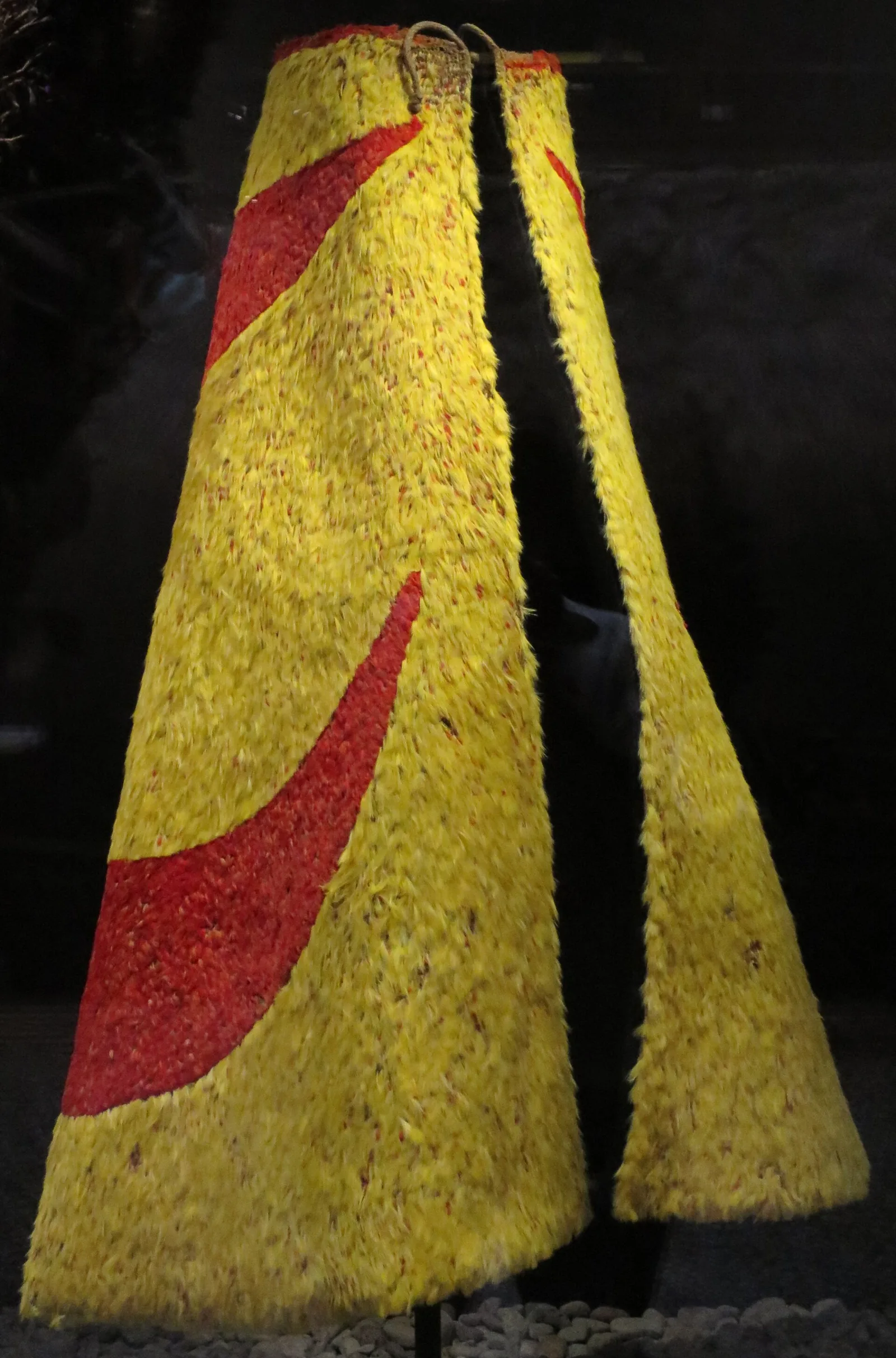
Hawaiʻi’s state museum of natural and cultural history is the best rainy-day plan on the island. The three-storey Hawaiian Hall, all koa wood and featherwork, tells the story of the islands from creation to kingdom, and the science galleries and planetarium fill the rest of a wet afternoon. Arrive at opening on a rainy day, before the crowds that the weather sends its way. Our guide to Hawaiian culture and history is the companion read.
Cost: dynamic pricing; check online · Hours: 09:00–17:00, last check-in 16:00 · Bus: 2 to School Street · Allow: 3 hours
2. ʻIolani Palace
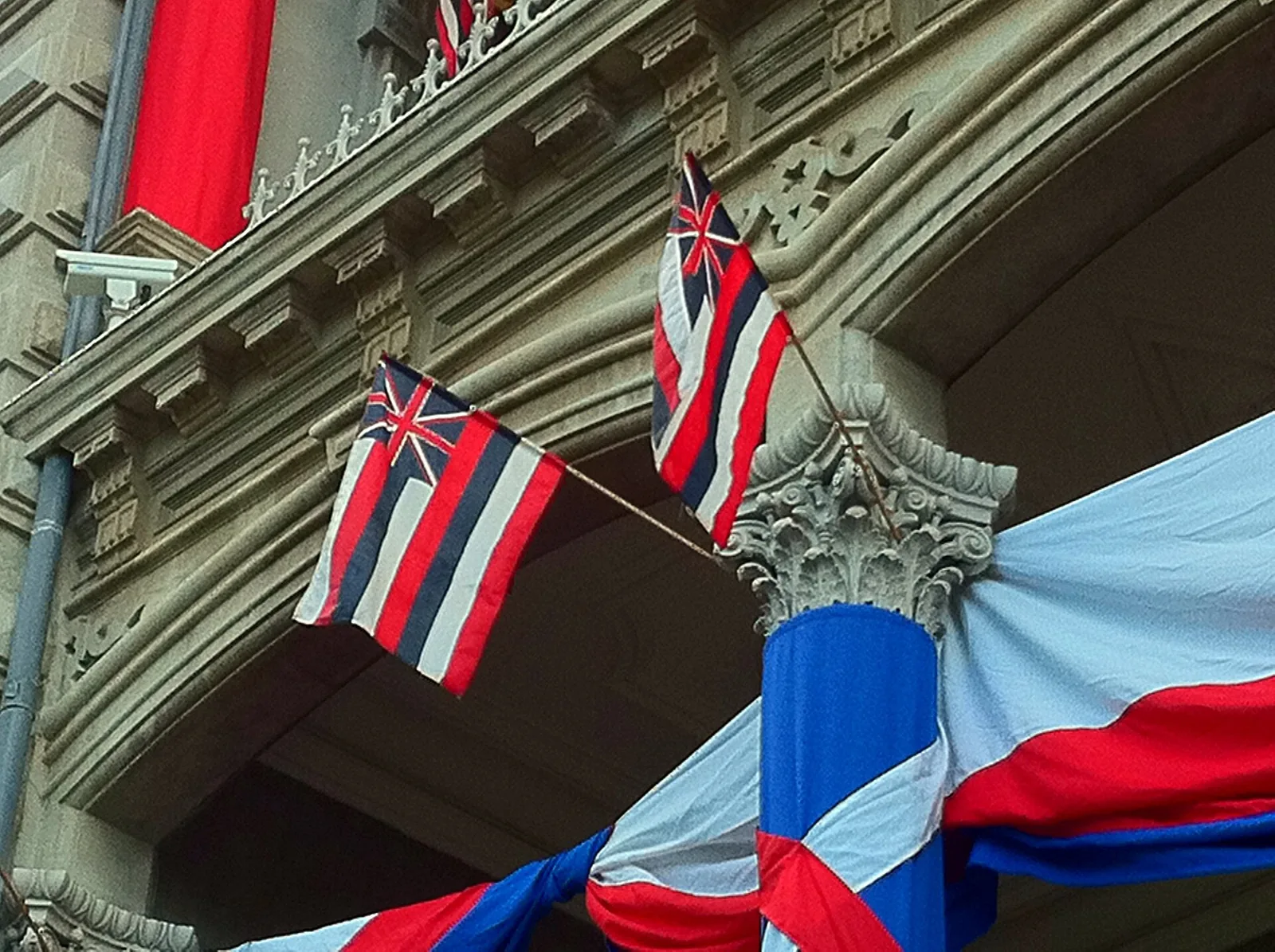
The palace of King Kalākaua and Queen Liliʻuokalani, where the queen was imprisoned after the 1893 overthrow, is a perfect indoor hour. The docent tour runs on Wednesday and Thursday mornings and the self-led audio tour on Tuesday, Friday and Saturday plus Wednesday and Thursday afternoons. Tickets are sold online only, with no same-day sales, so book when rain is forecast, not when it starts.
Cost: audio tour $28, docent tour $34 · Hours: closed Sundays and Mondays · Book: online, in advance · Bus: 2 or 13 downtown · Allow: 90 minutes
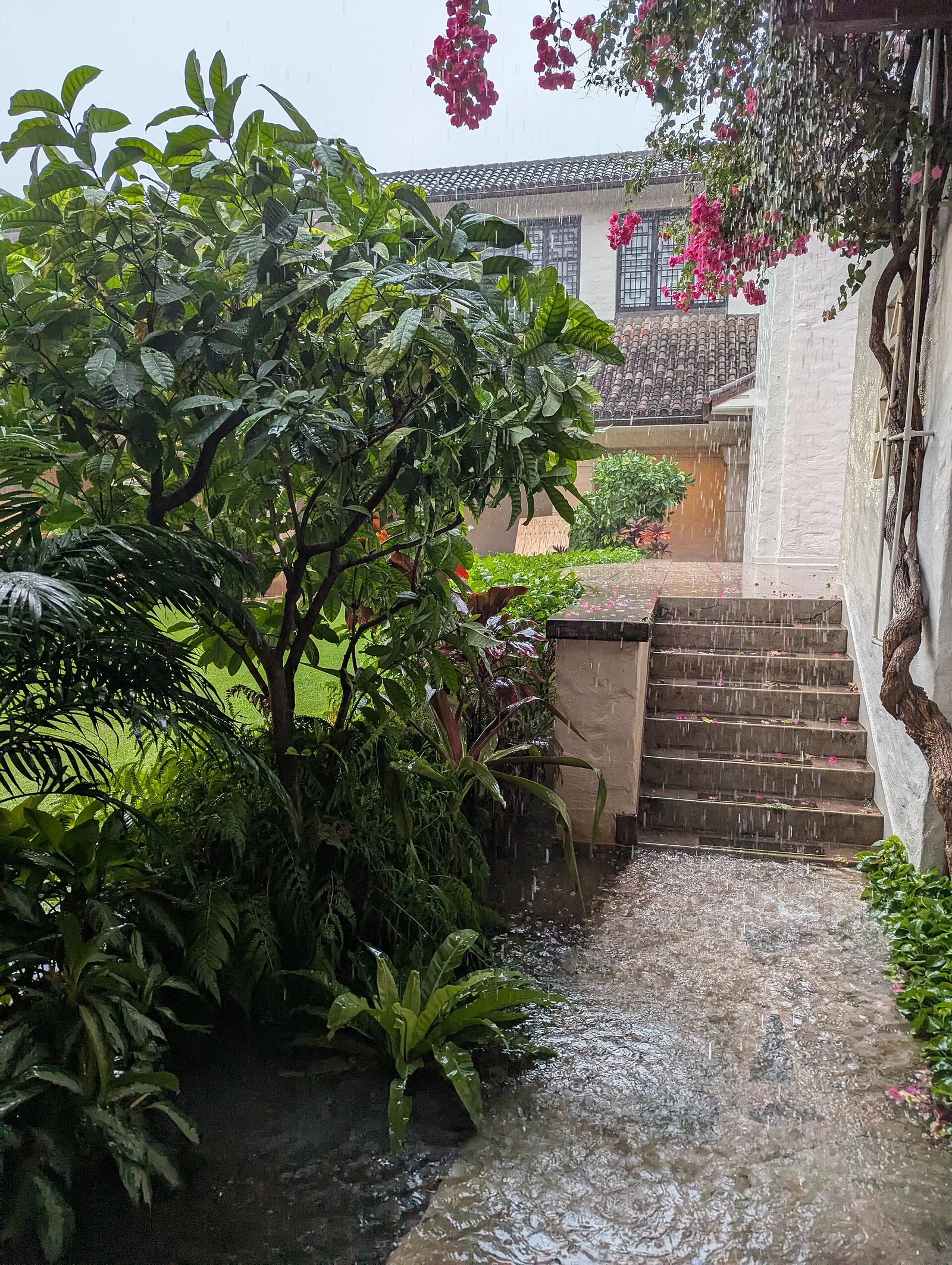
3. Honolulu Museum of Art
A sequence of galleries around planted courtyards, with a superb Asian collection alongside European, American and Hawaiʻi art. Rain falling into the courtyards is part of the charm. On Fridays it stays open until 9pm.
Cost: $25 · Hours: Wed–Sun 10:00–18:00, Fri until 21:00 · Allow: 2 hours
4. Capitol Modern, the Hawaiʻi State Art Museum
Downtown’s free art museum shows work by Hawaiʻi’s own artists across painting, sculpture, fibre and featherwork. It’s air-conditioned, uncrowded and two minutes from ʻIolani Palace, which makes them an ideal rainy pairing.
Cost: free · Hours: Wed–Sat 10:00–16:00; first and third Fridays 17:00–21:00 · Allow: 1 hour
5. U.S. Army Museum of Hawaiʻi
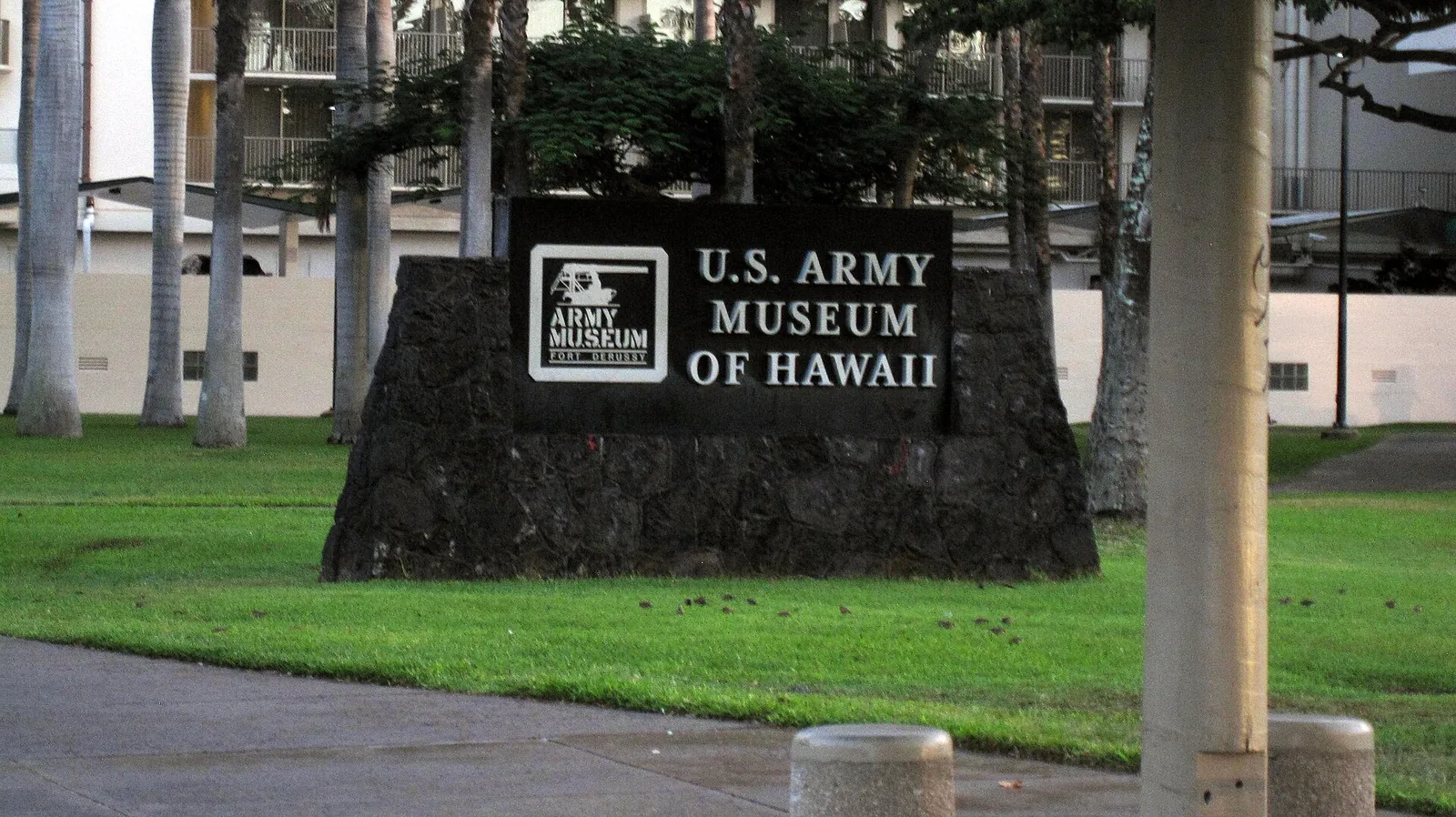
Built inside a pre-war coastal defence battery at Fort DeRussy, steps from Waikīkī’s beach, the Army Museum tells the military history of the islands from ancient Hawaiian warfare to the present, free of charge. It’s the easiest rainy hour in Waikīkī. Audio tours in English and Japanese cost $5.
Cost: free; audio tour $5 · Hours: Tue–Sat 10:00–17:00; closed Sun, Mon and federal holidays · Where: 2131 Kalia Road · Allow: 1 hour
6. Pearl Harbor’s indoor museums
The USS Arizona Memorial is open-air, but much of Pearl Harbor is under cover: the visitor centre’s free galleries, the USS Bowfin museum beside the submarine, and the Pearl Harbor Aviation Museum’s two hangars on Ford Island, which survived the 1941 attack. Book the Arizona programme ahead on recreation.gov for a $1 fee. Our Pearl Harbor guide has the full plan.
Cost: visitor centre free; Aviation Museum $29.99; Bowfin $25.99 · Hours: visitor centre 07:00–17:00; Aviation Museum 09:00–17:00 · Bus: 42 from Waikīkī · Allow: half a day
7. Hawaiian Mission Houses
The oldest Western-style houses in Hawaiʻi, built by American missionaries from the 1820s, stand next to Kawaiahaʻo Church. The guided house tours are indoors and thoughtful about the missionaries’ complicated legacy.
Cost: self-guided $10, guided $20 · Hours: Tue–Sat; guided tours 11:00, 12:00, 13:00, 14:00 · Allow: 1 hour
8. Queen Emma Summer Palace
Up the Nuʻuanu Valley, the summer retreat of Queen Emma and King Kamehameha IV is full of the royal family’s furniture and keepsakes. It’s small, personal and perfect when the valley mist rolls in. Reservations are required, though walk-ins get in if there’s space.
Cost: $20 · Hours: Wed–Sat 10:00–15:30 · Book: ahead · Allow: 1 hour
9. Shangri La
Doris Duke’s oceanfront house is a treasure house of Islamic art and tilework, and its rooms are as absorbing in the rain as in the sun. Tours start at the Honolulu Museum of Art; tickets have cost $45 and are released on the first Thursday of each month at 10am Hawaiʻi time.
Cost: $45 · Book: first Thursday of the month, 10:00 HST · Allow: half an afternoon
Rainy Day Activities Oahu Families Love
Rain with children is easier here than almost anywhere. Our guide to Hawaiʻi with kids has age-by-age ideas for every weather.
10. Hawaiʻi Children’s Discovery Center
A hands-on children’s museum in Kakaʻako, built for climbing, pretending and pressing every button, and the best wet-morning plan for under-tens. Weekday opening is mornings only.
Cost: $15, under-1s free · Hours: Tue–Fri 09:00–13:00, Sat–Sun 10:00–15:00, closed Mon · Allow: 2 hours
11. Waikīkī Aquarium
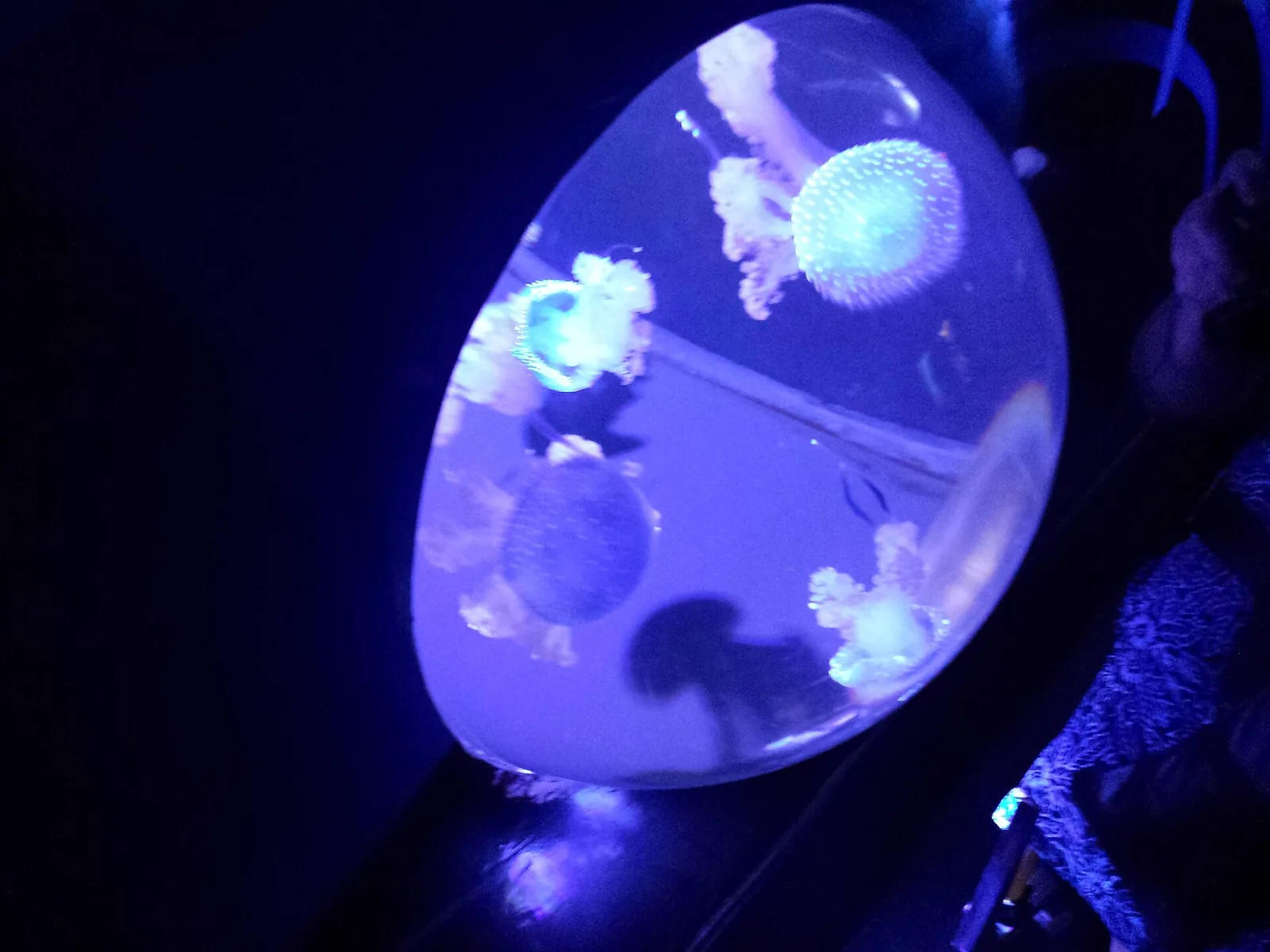
Small, cheap and right on the shore at the end of Kapiʻolani Park, the aquarium shows off the reef fish, jellyfish and corals you’d be snorkelling with if the sun were out. It’s a natural rainy-day swap for a beach morning.
Cost: $12 adults, $5 children · Hours: 09:00–16:30 · Allow: 1 hour
12. Free classes at the Royal Hawaiian Center
One free cultural class every weekday, under cover in Waikīkī, rotating through lei-making, ʻukulele, hula and lauhala weaving. No booking needed; check the month’s schedule on the centre’s events page.
Cost: free · Hours: one class each weekday · Allow: 1 hour
13. The Kamaka ʻUkulele factory tour
Kamaka has been building ʻukulele in Honolulu since 1916, and marked its 110th year in 2026, and its free factory tour walks you through every stage, from raw koa to a finished instrument, with craftsmen at work around you. The factory is open-air, so it’s warm, but you’re under cover. Groups of more than five need to book.
Cost: free · Hours: Mon–Thu 10:30, about 45–60 minutes · Where: 550 South Street, Kakaʻako · Allow: 1 hour
14. Ala Moana Center and Centerstage
Hawaiʻi’s biggest mall is mostly open-air but with covered walkways, a huge food hall and free performances on Centerstage. On a wet day it’s where half of Honolulu goes. Our shopping guide covers what to buy.
Cost: free · Hours: 10:00–20:00 · Bus: Route 8 from Waikīkī · Allow: 2–3 hours
Eating and Shopping Through a Wet Day
A rainy day is the perfect excuse for a long lunch. Our guide to the best restaurants in Honolulu has dozens more.
15. A Kapahulu food crawl
Start with a hot malasada from Leonard’s ($2.25), then poke from Ono Seafood ($11.75 for a regular bowl, Tuesday to Saturday) and a plate lunch at Rainbow Drive-In, serving since 1961. This is local-style food, the cooking of Hawaiʻi’s plantation-era communities, not traditional Hawaiian cuisine.
Cost: $15–30 per person · Hours: Ono Seafood Tue–Sat 09:00–16:00 · Bus: 13 along Kapahulu Avenue · Allow: 2 hours
16. Liliha Bakery
A diner counter, a queue of locals and the coco puff, a cream puff filled with chocolate pudding and topped with buttery chantilly. Open from early morning until late at night, it’s the cosiest place in town to watch the rain.
Cost: pastries a few dollars · Hours: daily 06:00–22:00 · Where: 515 N Kuakini St · Allow: 1 hour
17. Helena’s Hawaiian Food
For traditional Hawaiian food, kālua pig, laulau, pipikaula and poi, go to Helena’s in Kalihi, open since 1946 and a James Beard America’s Classics winner. Ahi poke is $10.15 on the official menu. Hours vary, so check before you go.
Cost: a full meal under $30 · Where: Kalihi · Allow: 1 hour
18. Chinatown’s markets and food courts
Chinatown’s open-fronted markets are covered, its food courts are cheap, and its lei stands sell fresh flower lei for a fraction of hotel prices. Wander, eat and duck between awnings.
Cost: free to browse · Bus: 2 or 13 to Hotel Street · Allow: 2 hours
19. Souvenirs at supermarket prices
A wet afternoon is the time to stock up on Hawaiʻi-grown coffee, macadamia nuts and snacks at the supermarkets, Longs Drugs or Don Quijote near Ala Moana, where prices are far below the resort shops. Look for “100% Kona” rather than a “Kona blend”, which can legally contain as little as 10% Kona beans.
Cost: local prices · Allow: 1 hour
20. Kaimukī’s cafés and restaurants
Ten minutes from Waikīkī, Waiʻalae Avenue in Kaimukī is lined with bakeries, coffee shops and some of the city’s best restaurants, including Ed Kenney’s Mud Hen Water. It’s made for a slow, rainy afternoon, and it’s one of the Honolulu neighbourhoods most worth exploring.
Cost: varies · Drive: about 10 minutes from Waikīkī · Allow: an afternoon
Rain-Friendly Outdoors, With Care
Light rain doesn’t have to mean staying inside, as long as you avoid streams and steep trails. These work well on showery days.
21. Chase the sun to Waikīkī or Ko Olina
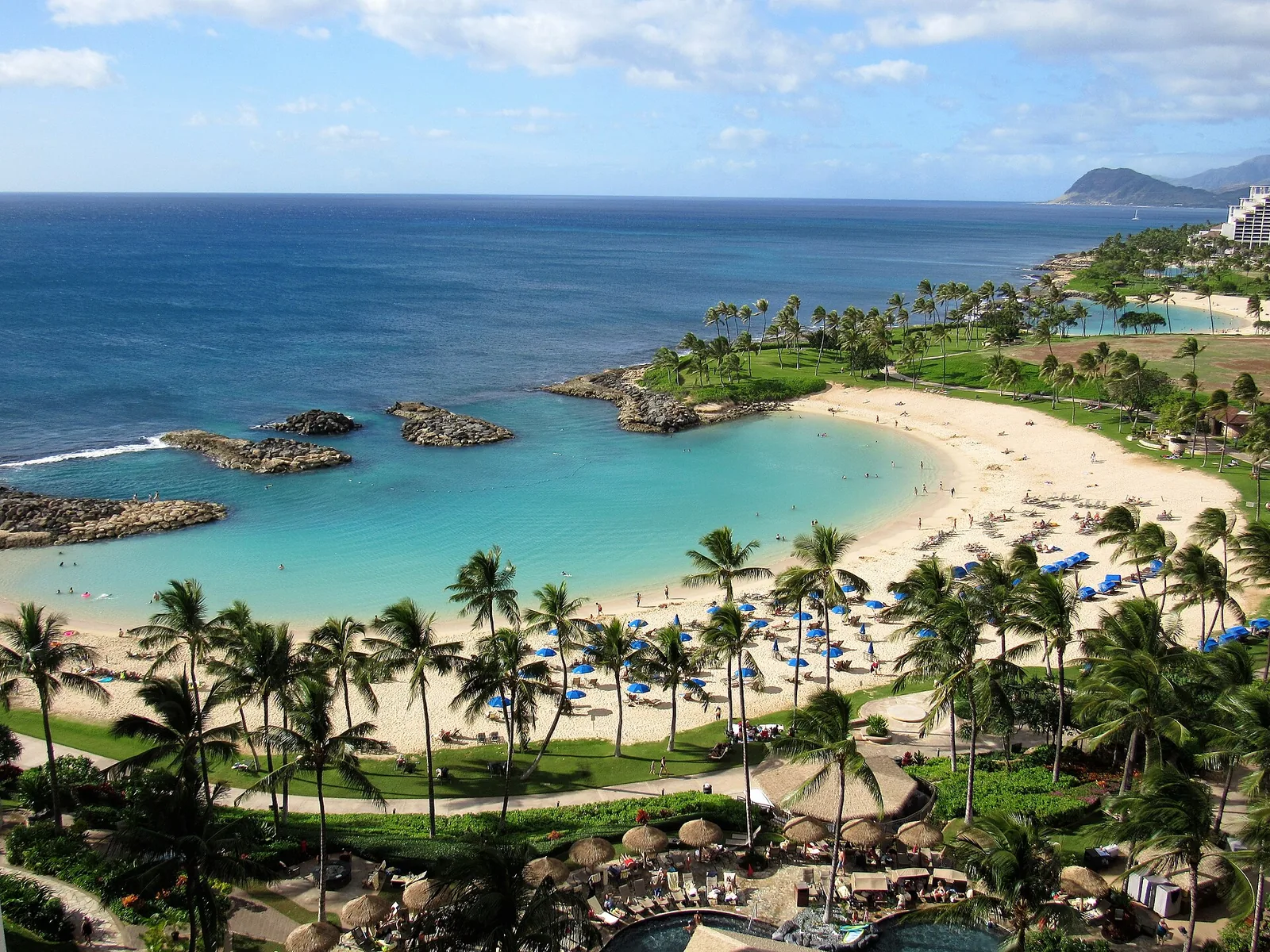
If the windward side is socked in, head for the leeward coast. Ko Olina’s four calm lagoons are open to the public, with free parking from sunrise to sunset in the public lagoon lots, and Waikīkī’s beach is often sunny when the mountains are grey. Our guide to the best beaches in Oʻahu lists the dry-side options.
Cost: free · Drive: Ko Olina about 40 minutes from Waikīkī · Allow: half a day
22. Hoʻomaluhia Botanical Garden in a light shower
After rain, temporary waterfalls stream down the Koʻolau cliffs behind this free garden in Kāneʻohe, and the mist makes the place even more beautiful. Bring a jacket and stay on the paved roads and paths. It slots neatly into the windward day in our Oʻahu itinerary.
Cost: free · Hours: 09:00–16:00, closed Thursdays · Allow: 1–2 hours
23. Byodo-In Temple
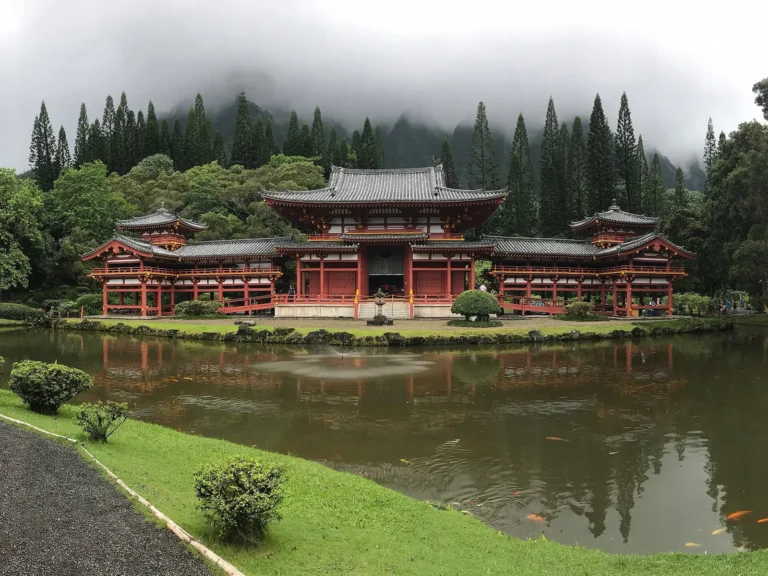
The red temple in the Valley of the Temples looks its best with mist on the cliffs behind it. Ring the great bell, feed the koi and shelter under the eaves when a shower passes. It features in our guide to Oʻahu’s hidden gems.
Cost: $10 · Hours: 08:30–16:30, last entry 16:15 · Allow: 1 hour
24. Waimea Valley
The botanical garden path up Waimea Valley on the North Shore is fine in a drizzle, and the waterfall flows strongly after rain. Swimming happens only when the lifeguards allow it, decided at 9am, and it’s off after heavy rain. Check our North Shore guide for the coast nearby.
Cost: $26 · Hours: Tue–Sun 09:00–16:00 · Bus: Route 60 · Allow: 2–3 hours
25. Rainbows from Puʻu ʻUalakaʻa
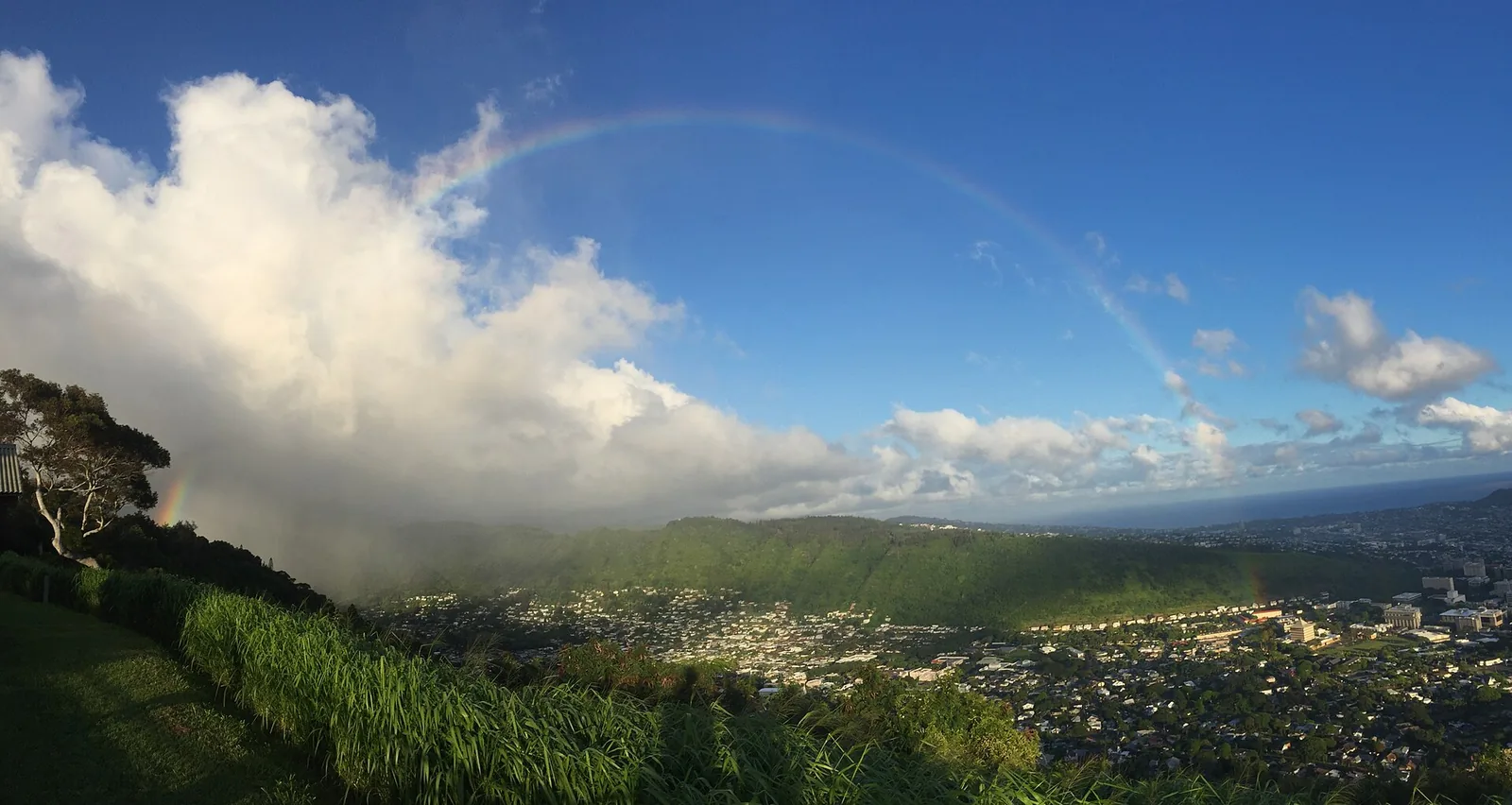
Honolulu’s showers make Honolulu’s rainbows. From the Puʻu ʻUalakaʻa lookout on Tantalus, you look over the whole city, and on a showery late afternoon with the sun behind you, rainbows arch over Mānoa and the valleys. Until 31 March the gate closes at 6:45pm. More viewpoints are in our guide to Oʻahu’s best lookouts.
Cost: $7 parking for non-residents · Hours: 07:00–18:45 until 31 Mar, 07:00–19:45 from 1 Apr · Allow: 45 minutes
Rainy Days by Area
Stuck in one part of the island? Here’s what’s close at hand:
- Waikīkī: the free U.S. Army Museum of Hawaiʻi, the Waikīkī Aquarium, the Royal Hawaiian Center’s weekday classes, the shops and restaurants along Kalākaua Avenue, and a Kapahulu food crawl a short walk away. Our Waikīkī guide has more.
- Downtown and Chinatown: ʻIolani Palace, Capitol Modern, the Hawaiian Mission Houses, Kawaiahaʻo Church and Chinatown’s covered markets, all within a few blocks of one another.
- Kakaʻako and Ala Moana: the Children’s Discovery Center, the Kamaka ʻukulele factory (Monday to Thursday mornings) and Ala Moana Center’s food hall and Centerstage.
- Kalihi and Nuʻuanu: the Bishop Museum, Helena’s Hawaiian Food, Liliha Bakery and Queen Emma Summer Palace.
- Pearl Harbor: the visitor centre galleries, the Bowfin museum and the Aviation Museum’s hangars.
- Windward side: when it rains here, it often rains hard; enjoy the waterfalls on the cliffs from Hoʻomaluhia or Byodo-In, then head over to the drier leeward side.
- North Shore: Waimea Valley in a drizzle, garlic shrimp under a food-truck awning, and the shops of Haleʻiwa.
Rainy Evenings
Wet evenings in Honolulu have their own pleasures. On Fridays, the Honolulu Museum of Art stays open until 9pm. On the first Friday of the month, Chinatown’s galleries open late from 5pm to 9pm and Capitol Modern joins in, and it does the same on the third Friday for Friday Night Tempo. Waikīkī’s restaurants, bars and hotel lounges keep the music going whatever the weather. Outdoor shows, such as the Saturday Kūhiō Beach Hula Show, can be called off in heavy rain, so check before you head out. Our guide to Hawaiʻi events and festivals lists what’s on through the year.
What to Pack for Rain on Oʻahu
- A light rain jacket rather than an umbrella; the trade winds turn umbrellas inside out.
- Quick-dry clothes, because showers come and go and the sun dries you fast.
- Shoes with grip, as paths, steps and lava rock get slippery.
- A dry bag or zip-lock bag for your phone and car keys.
- Insect repellent, since the rainforest valleys come alive with mosquitoes after rain.
A Rainy Day With a Car
With wheels, you can use the island’s weather to your advantage; our guide to getting around Oʻahu covers car hire and parking. Start at the Bishop Museum at 9am while the showers pass, then drive west to Pearl Harbor for the covered museums; the leeward side is usually drier than town. If the sky clears by mid-afternoon, carry on to Ko Olina for a swim in the lagoons, where the public car parks are free from sunrise to sunset. If it doesn’t, head back through Kalihi for an early dinner at Helena’s, or to Liliha Bakery, which stays open until 10pm. Avoid windward trails and stream crossings on the way, and remember the 72-hour rule before you swim anywhere near a river mouth.
Rain Safety: What Not to Do
Rain changes Oʻahu fast, and most of the danger comes from water you can’t see coming. Follow these rules:
- Stay off valley trails and out of streams after heavy rain. Streams can rise in minutes and sweep people away. Never cross a flooded stream, and skip waterfall hikes like Mānoa Falls when it’s been pouring; our guide to the best hikes on Oʻahu covers trail safety.
- Stay out of the ocean for 72 hours after heavy rain. Hawaiʻi’s Department of Health advises it, because runoff carries bacteria to the coast. Brown water means stay out; after Hurricane Lowell, brown-water advisories covered beaches from Hanauma Bay to Kūhiō Beach. Our snorkelling guide has the rest of the ocean-safety rules.
- Watch out for leptospirosis. The bacteria live in fresh water and mud, so don’t swim in streams or waterfall pools, and cover cuts.
- Drive slowly. Roads get slick after the first rain in a while, and windward roads can flood. Check National Weather Service flash flood warnings.
- Take storms seriously. In hurricane season, from June to November, follow official instructions, and remember that drowning, not weather, is the leading cause of visitor death in Hawaiʻi; rough seas often follow storms.
A Rainy Day Plan
If the forecast says rain all day in Honolulu, here’s a plan that turns it into one of the best days of the trip:
- 07:00 Coco puffs and coffee at Liliha Bakery.
- 09:00 Bishop Museum as it opens; give it the whole morning.
- 12:30 Lunch at Helena’s Hawaiian Food in Kalihi, nearby.
- 14:00 ʻIolani Palace’s audio tour (booked ahead; not Sunday or Monday), then Capitol Modern next door if it’s Wednesday to Saturday.
- 16:00 A Kapahulu malasada on the way back to Waikīkī.
- 18:00 On a Friday, the Honolulu Museum of Art until 9pm; otherwise, dinner in Kaimukī.
With children, swap the palace for the Children’s Discovery Center in the morning and the aquarium in the afternoon. And if the sun comes out, as it often does, you’re never more than half an hour from a beach; our list of free things to do on Oʻahu has plenty for a sudden fine afternoon. For the island’s full range of sights, see our guide to things to do in Oʻahu.
If you are weighing an attraction pass, remember that a wet day on a consecutive-day pass is a day lost. Our guide to whether the Go Oʻahu Card is worth it sets out the maths and the alternatives.
When the weather clears, our guide to the most instagrammable places on Oʻahu lists 25 photo spots with the best time of day for the light.
Frequently Asked Questions
What are the best rainy day activities Oahu has for kids?
The Hawaiʻi Children’s Discovery Center in Kakaʻako ($15; mornings on weekdays), the Waikīkī Aquarium ($12 adults, $5 children), the Bishop Museum and its planetarium, the free Royal Hawaiian Center classes, the free Kamaka ʻukulele factory tour for older children, and Pearl Harbor’s Aviation Museum hangars. Ala Moana Center’s food hall makes an easy lunch.
Where is it least rainy on Oʻahu?
The leeward side. Waikīkī, Honolulu’s south shore, Ko Olina and the west coast get far less rain than the windward coast from Kāneʻohe to Lāʻie, where trade winds push clouds against the Koʻolau mountains. If it’s raining where you are, a 20- to 30-minute drive to the other side of the island often finds sunshine.
Which months are rainiest in Honolulu?
December is the wettest month at Honolulu’s airport, averaging 2.55 inches, and November to March is the rainy season, with 1.95–2.55 inches a month. April to September is dry, with under an inch a month and June the driest at 0.57 inches. Even in winter, rain usually comes as passing showers.
Is it safe to swim after rain in Hawaiʻi?
Not straight away. Hawaiʻi’s Department of Health advises staying out of the ocean for 72 hours after heavy rain, because runoff carries bacteria into coastal waters, and brown water is a clear sign to stay out. Never swim in streams or waterfall pools after rain, when flash floods and leptospirosis are both risks.
Do tours on Oʻahu run in the rain?
Most land tours, museums and indoor attractions run regardless. Boat trips, snorkel tours and helicopter flights may be cancelled or rescheduled in heavy rain, high winds or rough seas, so check your operator’s weather policy when you book. State parks and trails can close in storms; check the state parks website before you go.
Are Oʻahu’s museums open every day?
Not all of them. The Bishop Museum is open daily from 9am to 5pm, but ʻIolani Palace closes on Sundays and Mondays, the Honolulu Museum of Art on Mondays and Tuesdays, Capitol Modern from Sunday to Tuesday, and the U.S. Army Museum on Sundays and Mondays. Check before you set out on a wet Monday.
What can you do in Waikīkī when it rains?
Visit the free U.S. Army Museum of Hawaiʻi at Fort DeRussy (Tuesday to Saturday), the Waikīkī Aquarium ($12 for adults), and the Royal Hawaiian Center’s free weekday cultural classes. Then eat your way down Kapahulu Avenue, with a malasada from Leonard’s and poke from Ono Seafood, or take Route 8 to Ala Moana Center’s food hall.
Photo Credits
- Rainbow over Mānoa Valley: Fritzarnold2001, CC BY-SA 4.0
- Rain at the Honolulu Museum of Art: Sdkb, CC BY-SA 4.0
- ʻAhu ʻula feather cloak, Bishop Museum: Hiart, CC0
- ʻIolani Palace: billsoPHOTO from Honolulu, USA, CC BY-SA 2.0
- U.S. Army Museum of Hawaiʻi: The Eloquent Peasant, CC BY-SA 4.0
- Waikīkī Aquarium jellyfish: Jackhill, CC0
- Ko Olina lagoons: Farragutful, CC BY-SA 4.0