There are no walk-in tickets for the USS Arizona Memorial any more. That one change, which most guides still haven’t caught up with, shapes every visit to Pearl Harbor in 2026: the free tickets are released online at 3pm Hawaiʻi time, 56 days ahead and again the day before, and the good slots go in minutes. On 7 December this year the attack reaches its 85th anniversary, and the week around it is likely to be the memorial’s busiest since the 75th anniversary in 2016. Below is everything in one place: how the release works in your time zone, what to do if you miss it, the bag rule that trips up so many visitors, the four historic sites with prices and hours, how to get there without a car, and realistic plans for a half day and a full day.
Pearl Harbor at a glance
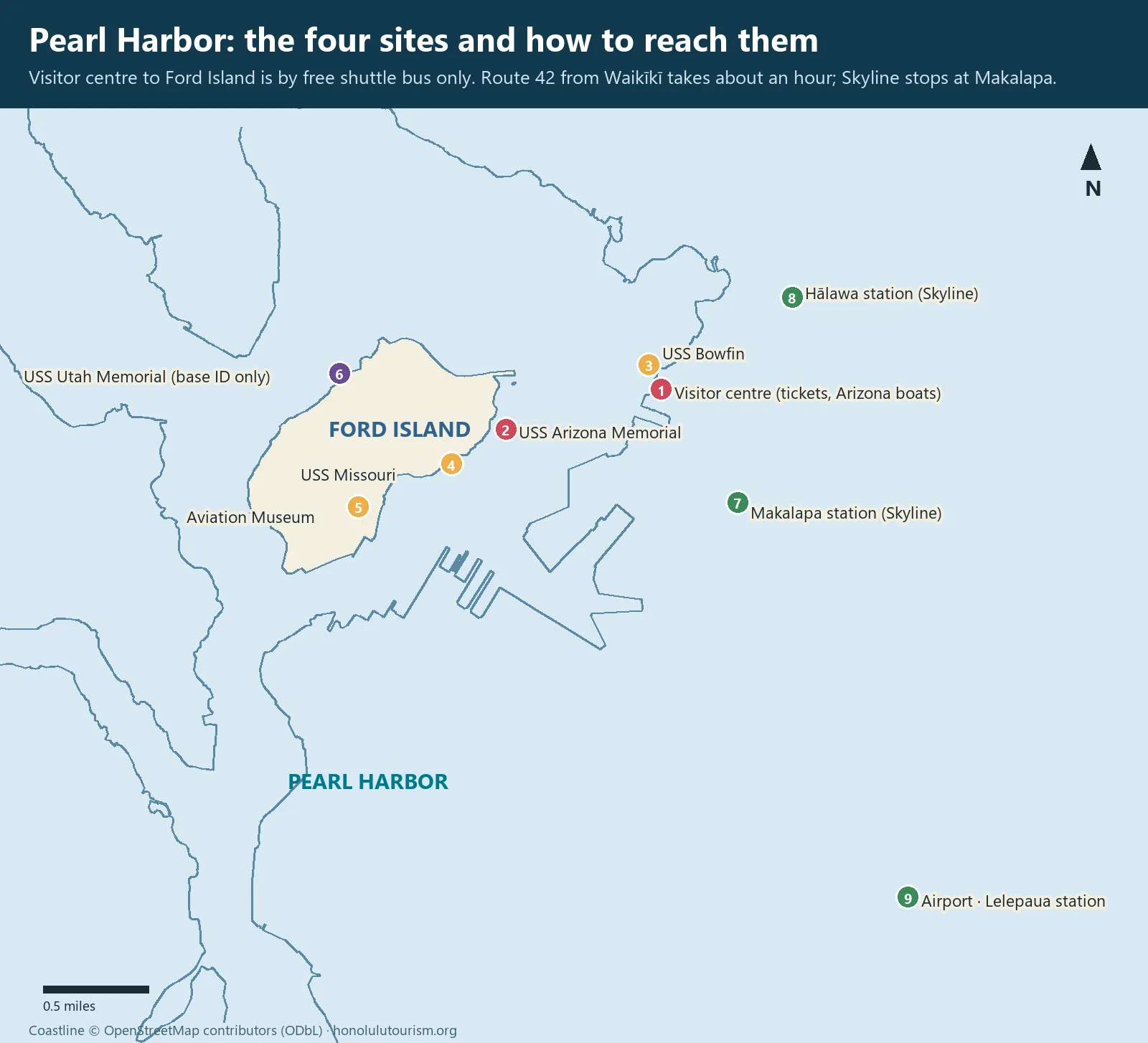
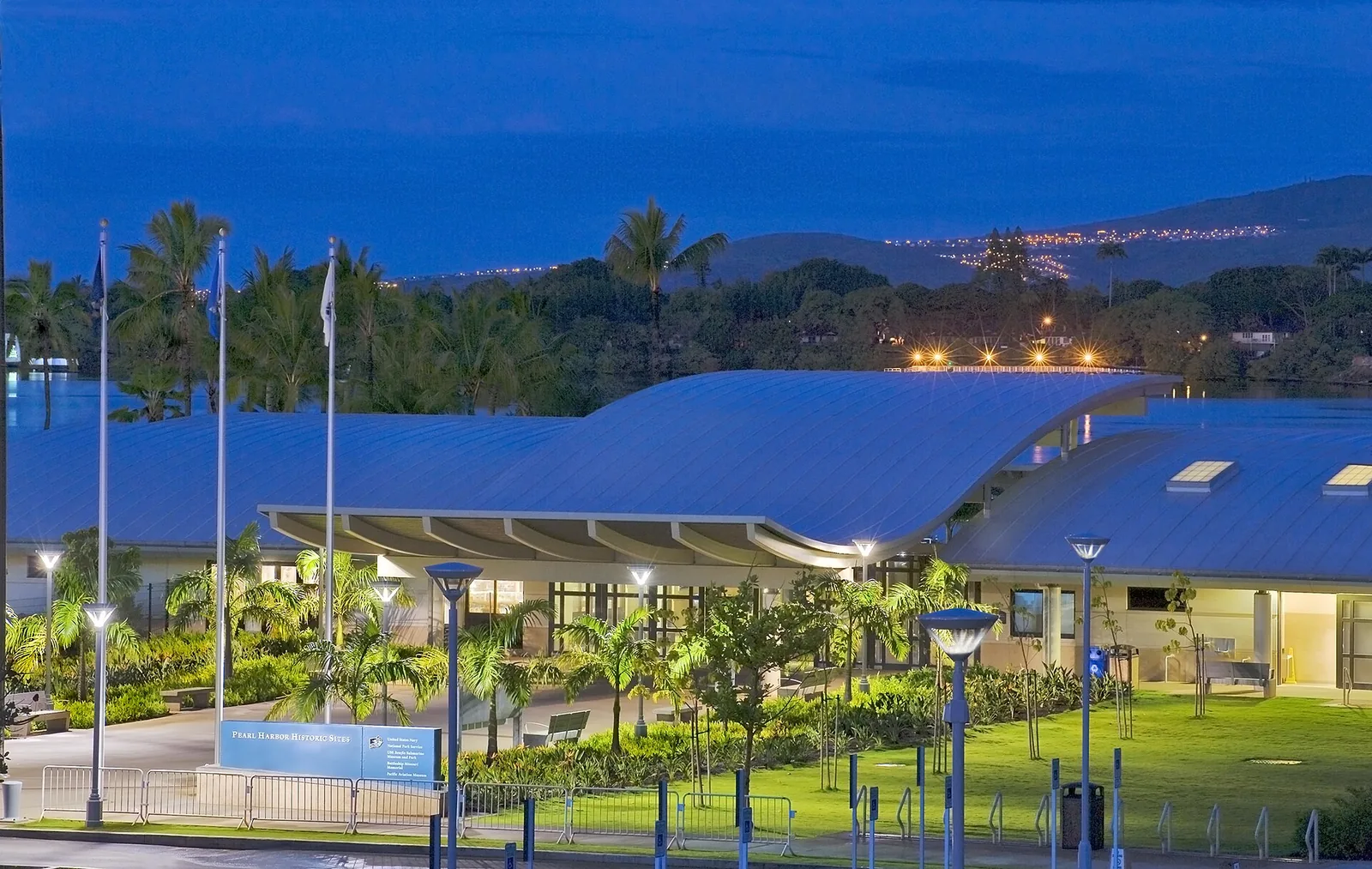
Pearl Harbor is still a working naval base, part of Joint Base Pearl Harbor–Hickam, and visitors see it through four separate historic sites run by four separate organisations. That’s the first thing that confuses people. The USS Arizona Memorial belongs to the National Park Service and is free. The USS Bowfin, the Battleship Missouri and the Pearl Harbor Aviation Museum are private non-profit museums that charge admission. All four start from the same place, the Pearl Harbor Visitor Center on the ʻAiea side of the harbour, and the two on Ford Island can only be reached by a free shuttle bus from there.
| Site | Cost (2026) | Hours | Booking | How you get there | Allow |
|---|---|---|---|---|---|
| USS Arizona Memorial | Free ($1 reservation fee) | Programmes 8am–3:30pm | recreation.gov, 56 days or 1 day ahead at 3pm HST | Navy shuttle boat from the visitor centre | 45-minute programme, 2 hours with the galleries |
| Visitor centre galleries | Free | 7am–5pm | No | On site | 45 minutes |
| USS Bowfin | $25.99 | 7am–5pm, last submarine entry 4:30pm | No | Next to the visitor centre | 1–1.5 hours |
| Battleship Missouri | $42.99 | 8am–4pm | Not usually | Free Ford Island shuttle | 2 hours |
| Pearl Harbor Aviation Museum | $29.99 | 9am–5pm | No | Free Ford Island shuttle | 1.5 hours |
| Passport to Pearl Harbor | $99.99 adult, $49.99 child 4–12 | — | Online | Covers Bowfin, Missouri and Aviation Museum | A full day |
The Passport does not include the Arizona, which is free anyway, and it only saves money if you really will visit all three paid sites. Most people are better off with the Arizona plus the Missouri, and adding a third site only if they still have energy at lunchtime.
Pearl Harbor tickets: how the release works
USS Arizona tickets are free, but they are only issued through recreation.gov, with a $1 non-refundable reservation fee. Each ticket is for a timed programme, and programmes leave every 15 minutes or so between 8am and 3:30pm. They’re released in two batches.
- The 56-day release. At 3pm Hawaiʻi time each day, the programmes for the date eight weeks ahead go on sale.
- The one-day release. At 3pm Hawaiʻi time each day, a second batch for the following day goes on sale.
Both batches can be gone within minutes, particularly the morning slots and anything in December, the summer holidays or the spring break weeks. Here’s how to give yourself the best chance.
- Work out your release date. Count back 56 days from the day you want. Say you want Sunday 20 December 2026: the first batch goes on sale at 3pm HST on Sunday 25 October, and the second at 3pm HST on Saturday 19 December.
- Create a recreation.gov account days before. Confirm your email, save your payment card and know how many people are in your group.
- Log in ten minutes early. Open the Arizona page, pick your date and have a first and second choice of time slot.
- Refresh at exactly 3pm HST. By 3:05 the best slots may already have gone. Book, pay, and screenshot the confirmation.
- If you miss the 56-day batch, try again the day before. Plenty of people get lucky on their second attempt.
What 3pm HST means where you are
Hawaiʻi doesn’t use daylight saving, so the release time in your own time zone shifts during the year. If you’re planning from home, this is when to sit down at the computer.
| Where you are | March to early November | Early November to March |
|---|---|---|
| US Pacific (Los Angeles, Seattle) | 6pm | 5pm |
| US Mountain (Denver) | 7pm | 6pm |
| Arizona | 6pm | 6pm |
| US Central (Chicago, Dallas) | 8pm | 7pm |
| US Eastern (New York) | 9pm | 8pm |
| UK | 2am the next day | 1am the next day |
| Japan | 10am the next day | 10am the next day |
| Sydney | 11am the next day (April to early October) | Noon the next day (early October to April) |
Readers in Britain get the rough end of it: the release lands at 1am or 2am. Set an alarm, or rely on the one-day release once you’ve arrived on Oʻahu, when 3pm is a civilised hour.
If you can’t get a ticket
Don’t panic, and don’t pay a reseller three times the price. You have three honest options.
- The standby queue. The park no longer hands out walk-in tickets, but Pacific Historic Parks runs a free, first-come standby line at the USS Arizona Memorial Narrated Tour Desk in the visitor centre for no-show seats on the Navy boats. It’s not guaranteed. Your best odds are early in the morning on a weekday, and you’ll want to arrive by 7am.
- A commercial tour. Licensed tour companies buy Arizona tickets and bundle them with transport, a guide and usually a paid site. They’re legitimate, but you’re paying for the bus and the guide; the Arizona itself is still free.
- See it without boarding. The visitor centre, its two galleries and the shoreline where you can see the white memorial across the water are all free and need no ticket. Add the Missouri, from whose deck you can see the Arizona Memorial across the water, and it’s still a moving visit.
Security and the bag rule
Pearl Harbor has one of the strictest bag policies of any attraction in Hawaiʻi, and it catches visitors out every day. The rule is simple: no bags that conceal their contents. That means no handbags, backpacks, camera bags, bumbags, nappy bags or shopping bags. The only exception is a small clutch or wallet no bigger than about 1.25 × 2.25 × 5.5 inches. Clear bags are allowed.
- Allowed: clear bags, a small wallet or clutch, your phone and a camera carried in your hand.
- Not allowed: any opaque bag, whatever its size.
- Bag storage: a storage facility near the entrance takes bags for $6, or $10 for large items, including suitcases.
That last point matters if you’re flying out. Pearl Harbor is about ten minutes from the airport, and plenty of visitors fit it in on their last morning with a suitcase in storage. Leave nothing in a parked car, and certainly not luggage you’ve left in view.
Dress as you would for a cemetery. There’s no formal dress code, but the Arizona is the grave of the men still inside her, and beachwear feels wrong on the memorial. Keep your voice down, don’t eat on the memorial, and don’t fly a drone anywhere near the base.
Arriving on the day
Aim to reach the visitor centre 45 minutes before your Arizona programme. That gives you time to park or walk in from the bus, drop anything opaque at bag storage, pass the security check at the entrance and find the theatre without running. Have your recreation.gov confirmation on your phone, plus a screenshot in case the signal is weak. If you’re early, the galleries and the waterfront fill the time well. If you’re late, you risk losing your slot altogether, and on a busy day there may be no later programme to move you to.
The grounds are open-air and spread along the shore, and most of the waiting happens in the sun. A hat, sunscreen and water in a clear bottle make a real difference, especially from late morning onwards.
The Pearl Harbor sites, one by one
These are the eight places that tell the story, in the order most people see them. The first four are at the visitor centre or reached from it; the last is a short drive away in the hills above downtown Honolulu.
1. USS Arizona Memorial
At 8:10am on 7 December 1941, an armour-piercing bomb detonated the forward magazine of the battleship Arizona. She sank in minutes, and 1,177 of her crew were killed, nearly half of all the Americans who died that morning. More than 900 of them are still inside the hull.
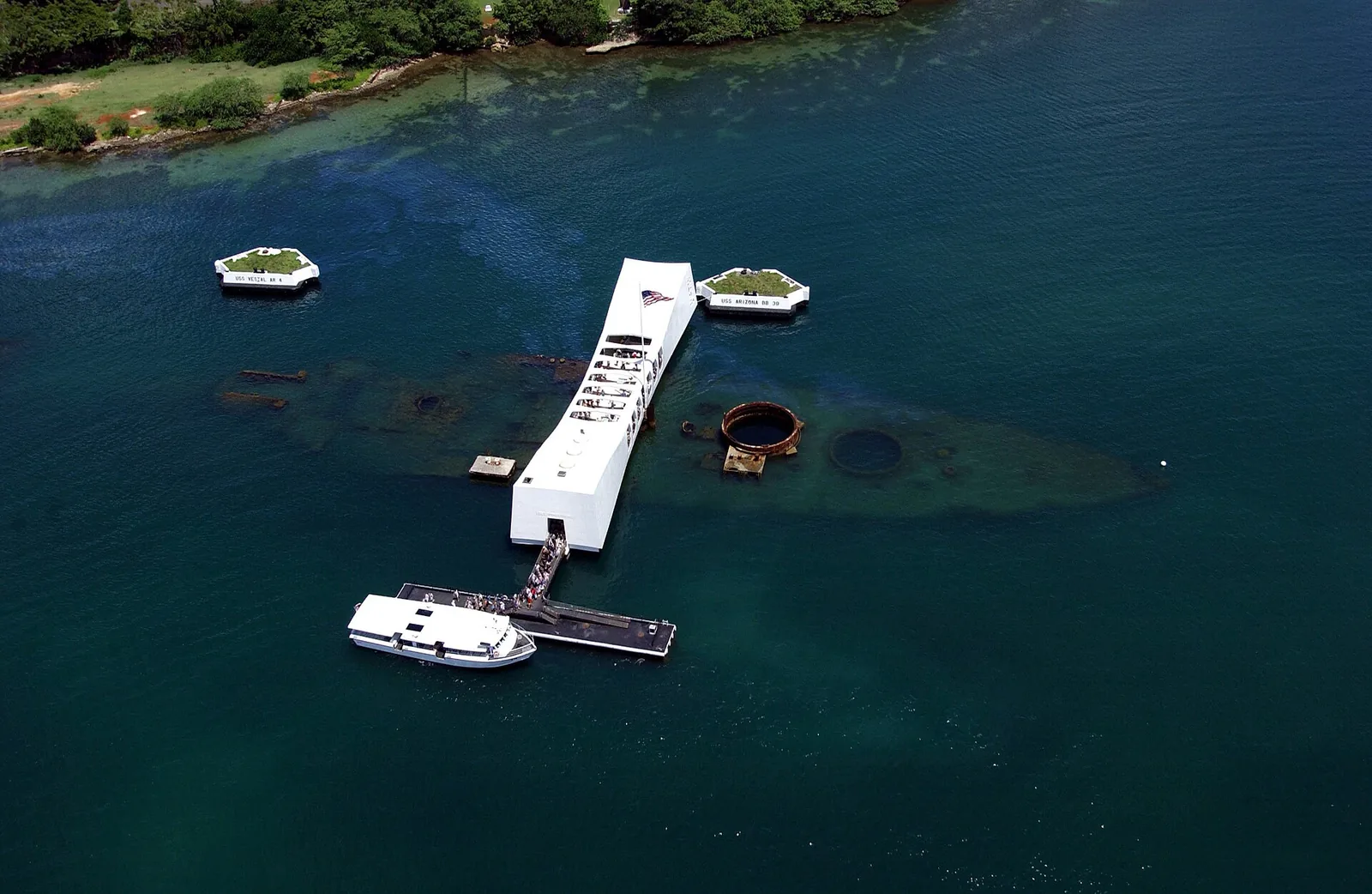
The memorial, designed by the architect Alfred Preis and dedicated in 1962, spans the wreck without touching it. Preis said the sag in the middle stood for the initial defeat and the raised ends for the eventual victory. At the far end is the shrine room, a marble wall carved with every name of the Arizona dead. Beside it, a smaller plaque lists crew members who survived the attack and chose, decades later, to be interred with their shipmates. The last Arizona survivor, Lou Conter, died in 2024 at the age of 102.
The programme lasts about 45 minutes. It begins in the visitor centre theatre with a short documentary film, then a Navy boat carries you across the harbour to the memorial itself, where you look down on the rusting turrets and the thin sheen of oil that still seeps from the ship, often called the black tears of the Arizona.
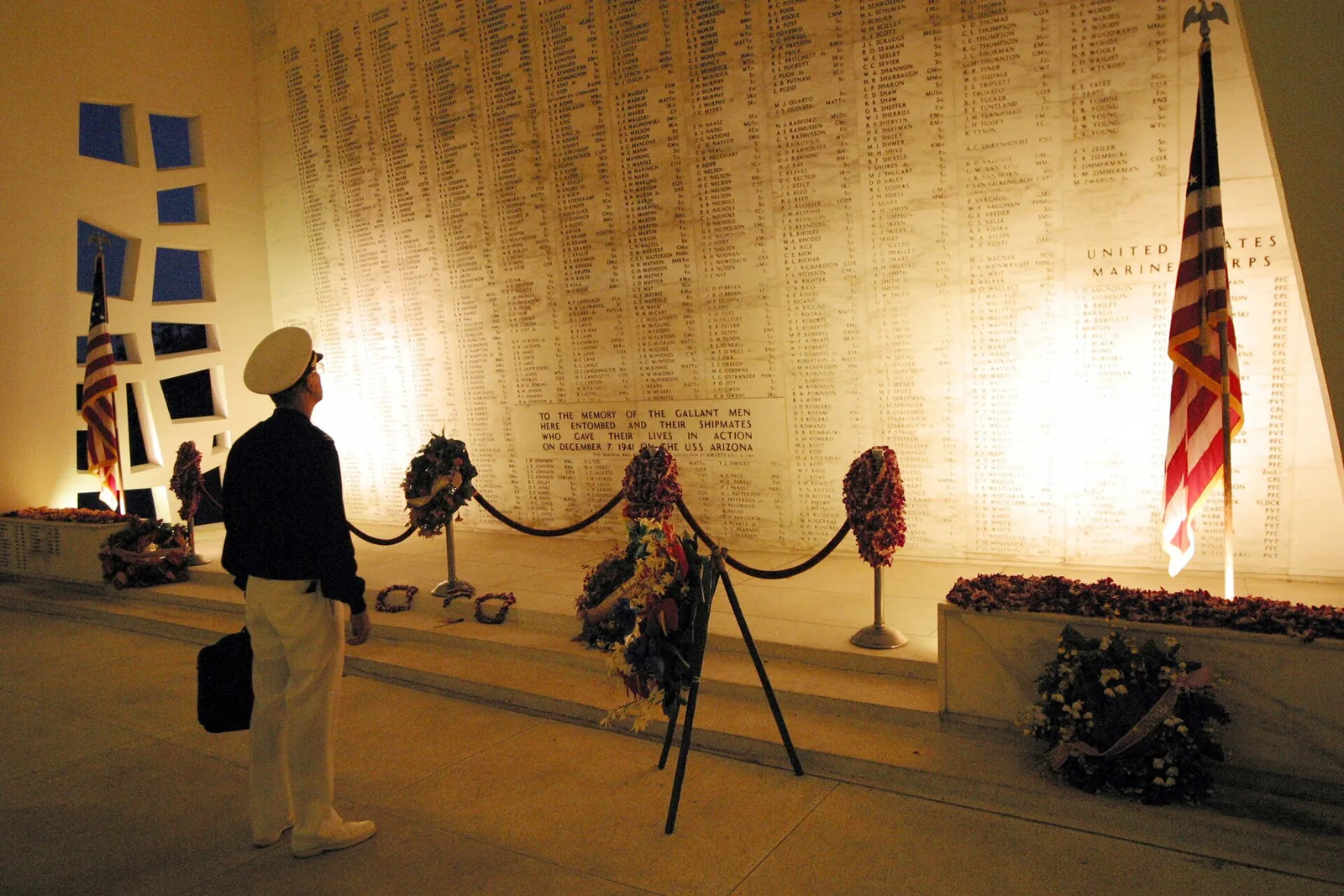
Cost: free, $1 reservation fee · Hours: programmes 8am–3:30pm · Book: recreation.gov, 56 days or 1 day ahead at 3pm HST · Bus: Route 42 from Waikīkī · Allow: 45 minutes for the programme, arrive 45 minutes before it
2. The visitor centre galleries
Two free galleries, “Road to War” and “Attack”, tell the story from the rise of Imperial Japan and the American embargo to the morning itself and what came after. They’re better than most people expect, with personal objects, photographs and first-hand accounts from people who were there. Along the waterfront, a Remembrance Circle lists the names of everyone killed in the attacks on Oʻahu, civilians included.
Do them before your Arizona programme if you have time. The film makes more sense when you’ve seen the build-up, and it’s the best use of the half-hour you’ll spend waiting after security.
Cost: free · Hours: 7am–5pm · Book: no · Allow: 45 minutes
3. USS Bowfin Submarine Museum
The Bowfin was launched on 7 December 1942, a year to the day after the attack, and sank dozens of enemy ships in the Pacific. She’s moored beside the visitor centre, and the tour takes you through the narrow hull past torpedo rooms, bunks stacked above the torpedoes and a galley the size of a wardrobe. It’s tight. If you’re claustrophobic, or travelling with anyone who struggles with steep ladders, the museum alongside is worth a look on its own.
The Bowfin opens earlier than anything else at Pearl Harbor, at 7am, which makes it the obvious thing to do while you wait for an early Arizona slot.
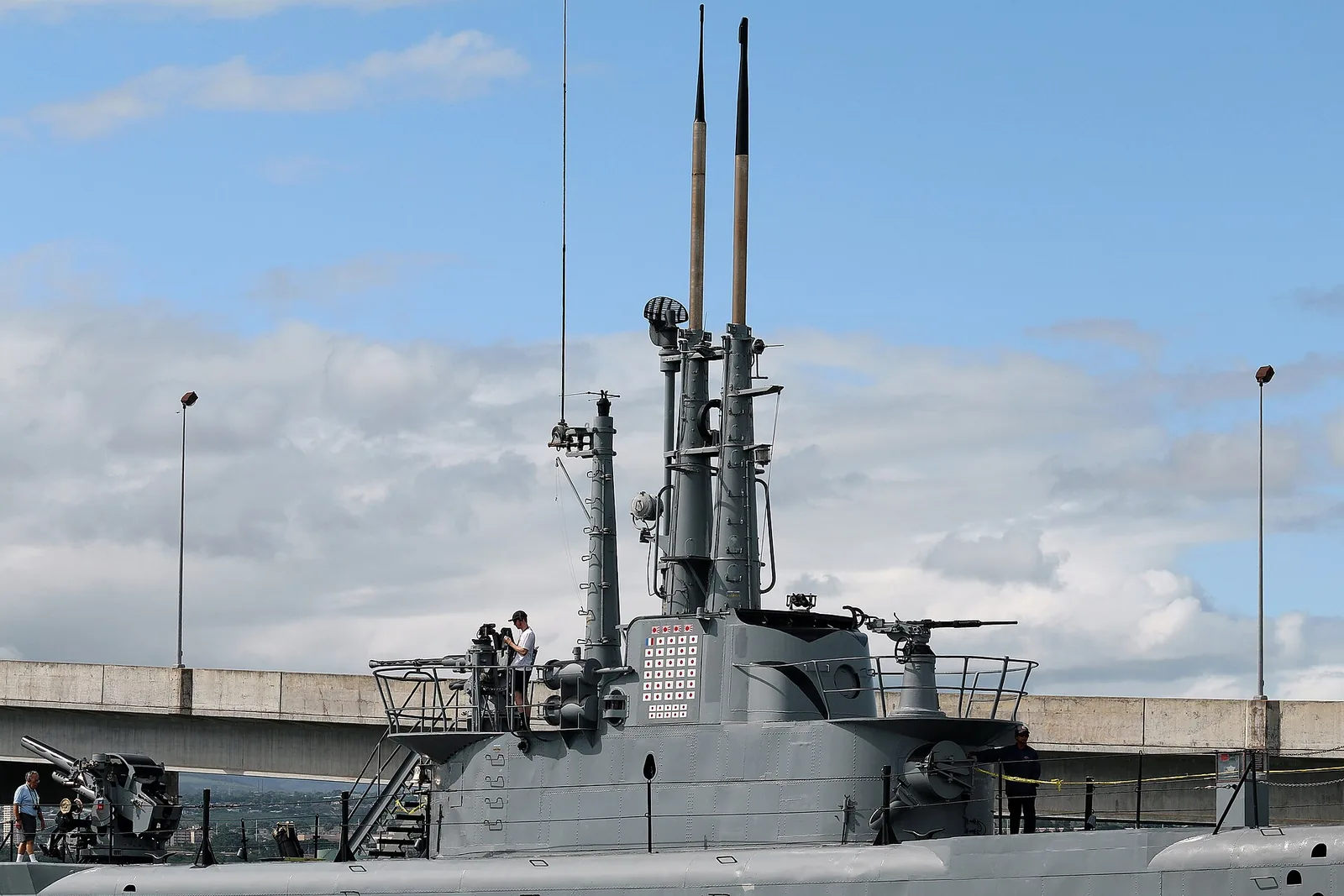
Cost: $25.99 · Hours: 7am–5pm, last submarine entry 4:30pm · Book: no · Bus: Route 42 · Allow: 1–1.5 hours
4. Battleship Missouri Memorial
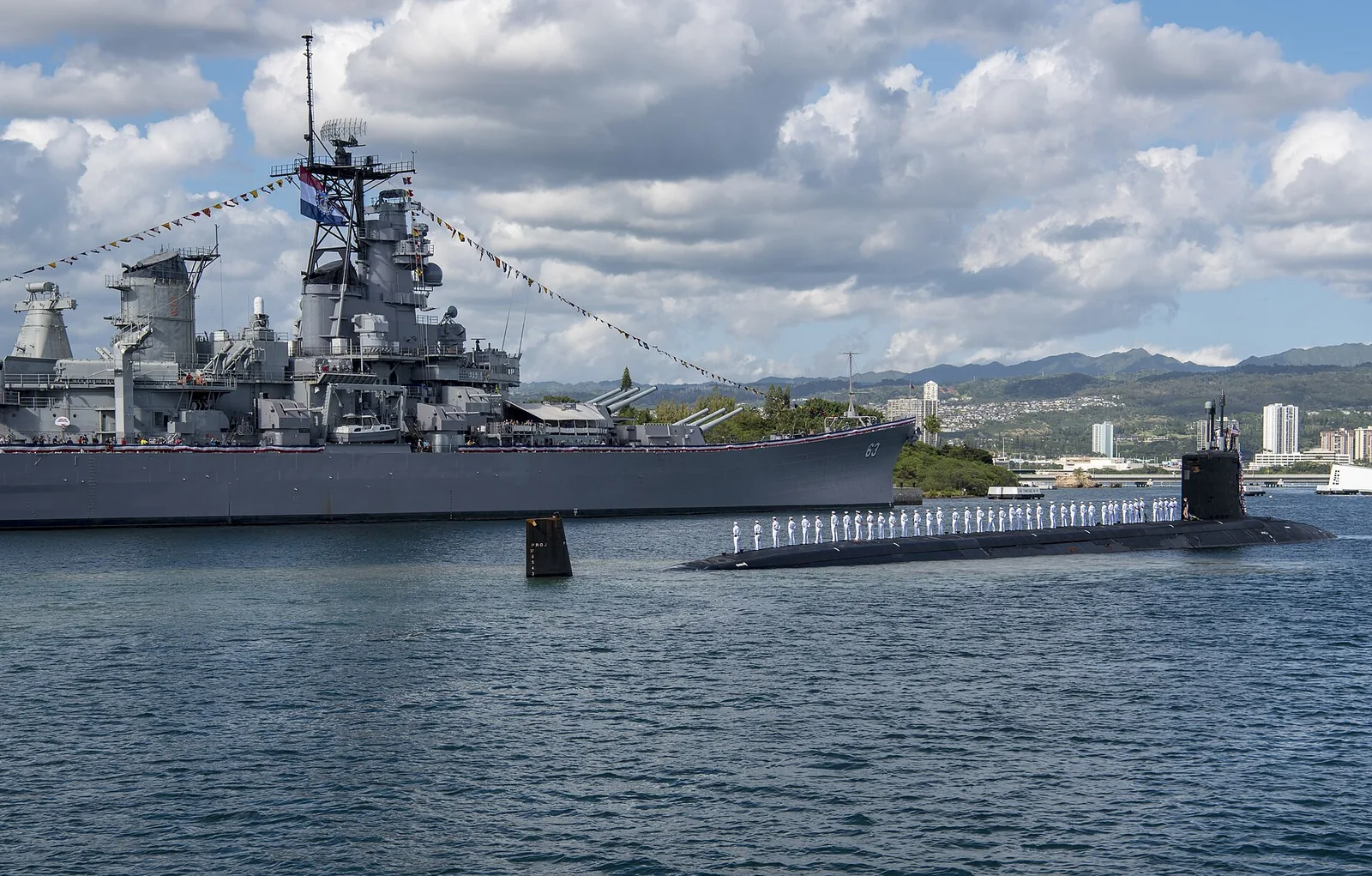
If you add only one paid site to the Arizona, make it the Missouri. The Japanese surrender that ended the Second World War was signed on her deck in Tokyo Bay on 2 September 1945, and since 1998 she has been moored off Ford Island, a few hundred yards from the Arizona. The beginning and the end of America’s war sit almost side by side.
She’s vast. You can walk the teak decks, climb into the bridge, sit in the crew’s mess and stand on the surrender deck, where a plaque marks the spot. On the starboard side, look for the dent left by a kamikaze pilot in April 1945; the crew buried him at sea with military honours the next day. If a guided tour is starting when you arrive, join it for the stories.
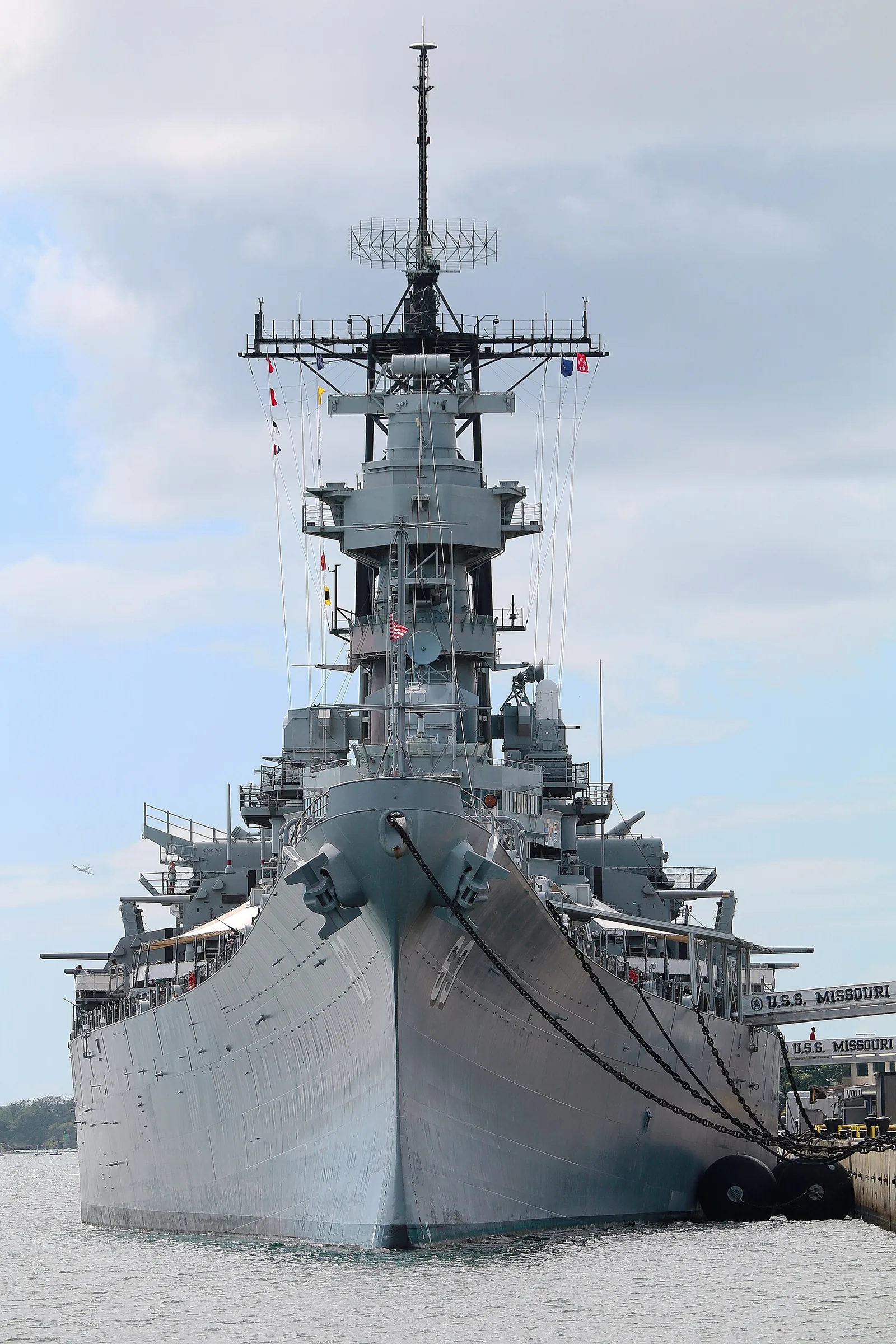
Cost: $42.99 · Hours: 8am–4pm · Book: not usually needed; online in December · Bus: Route 42, then the free Ford Island shuttle · Allow: 2 hours
5. USS Oklahoma Memorial
Just outside the entrance to the Missouri stands a quiet memorial many visitors walk straight past: 429 white marble posts, one for each sailor and marine killed on the battleship Oklahoma, which capsized after torpedo strikes on the morning of the attack. Only the Arizona lost more men. It takes five minutes, and it deserves them.
Cost: free with the Ford Island shuttle · Hours: as the Missouri · Book: no · Allow: 10 minutes
6. Pearl Harbor Aviation Museum
The aviation museum fills two wartime hangars on Ford Island, the second stop on the shuttle loop. Hangar 37 walks you through the attack and the Pacific air war, with a Japanese Zero and a restored Dauntless dive-bomber. Hangar 79 is the one to linger in: the blue glass in its windows is still pocked with bullet holes from the morning of 7 December. Beside it stands the restored red and white Ford Island control tower.
It’s the easiest of the paid sites to drop if you’re short of time or energy, but aviation enthusiasts and children who’ve had enough of ships usually love it.
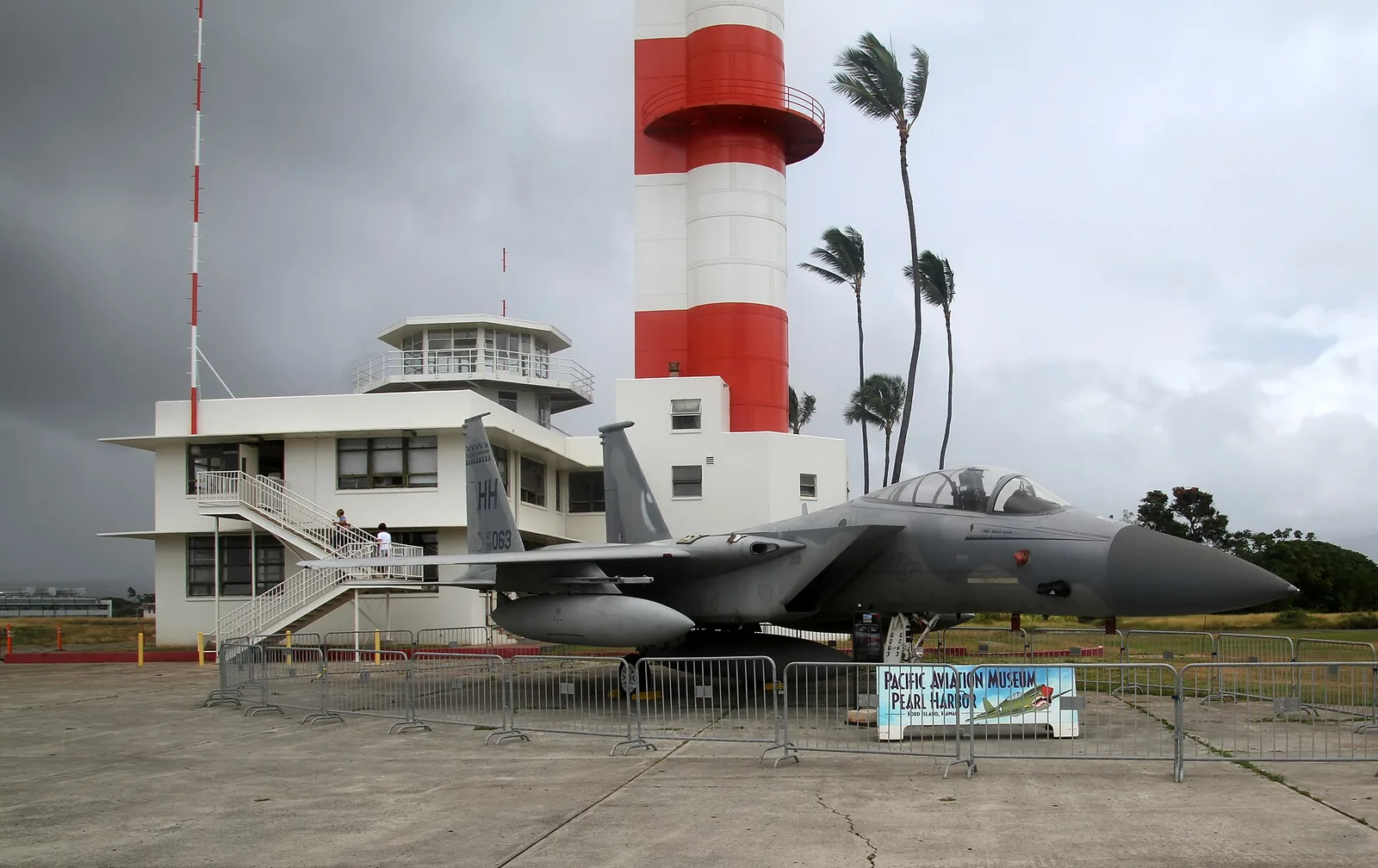
Cost: $29.99 · Hours: 9am–5pm · Book: no · Bus: Route 42, then the free Ford Island shuttle · Allow: 1.5 hours
7. USS Utah Memorial
On the far, north-western side of Ford Island lies the wreck of the Utah, an old battleship converted into a target ship, where 58 men died. Its small memorial is inside the active base, and without a military or Department of Defense ID you can’t visit it. We mention it so you don’t waste time trying. If you have base access, it’s a peaceful and rarely visited place, and this year it holds its own ceremony on 6 December.
Cost: free · Book: base access only · Allow: 30 minutes
8. National Memorial Cemetery of the Pacific (Punchbowl)
To finish the story, drive 20 minutes to Puowaina, the Punchbowl crater above downtown Honolulu. More than 50,000 servicemen and women lie here, many of them killed in the Pacific war, and the Court of Honor holds huge mosaic maps of the Pacific campaigns beneath a statue of Lady Columbia. It’s free, it’s rarely crowded, and the lookout on the crater rim gives you the whole of Honolulu from Diamond Head to Pearl Harbor. Be respectful: this is an active cemetery, and burials still take place.
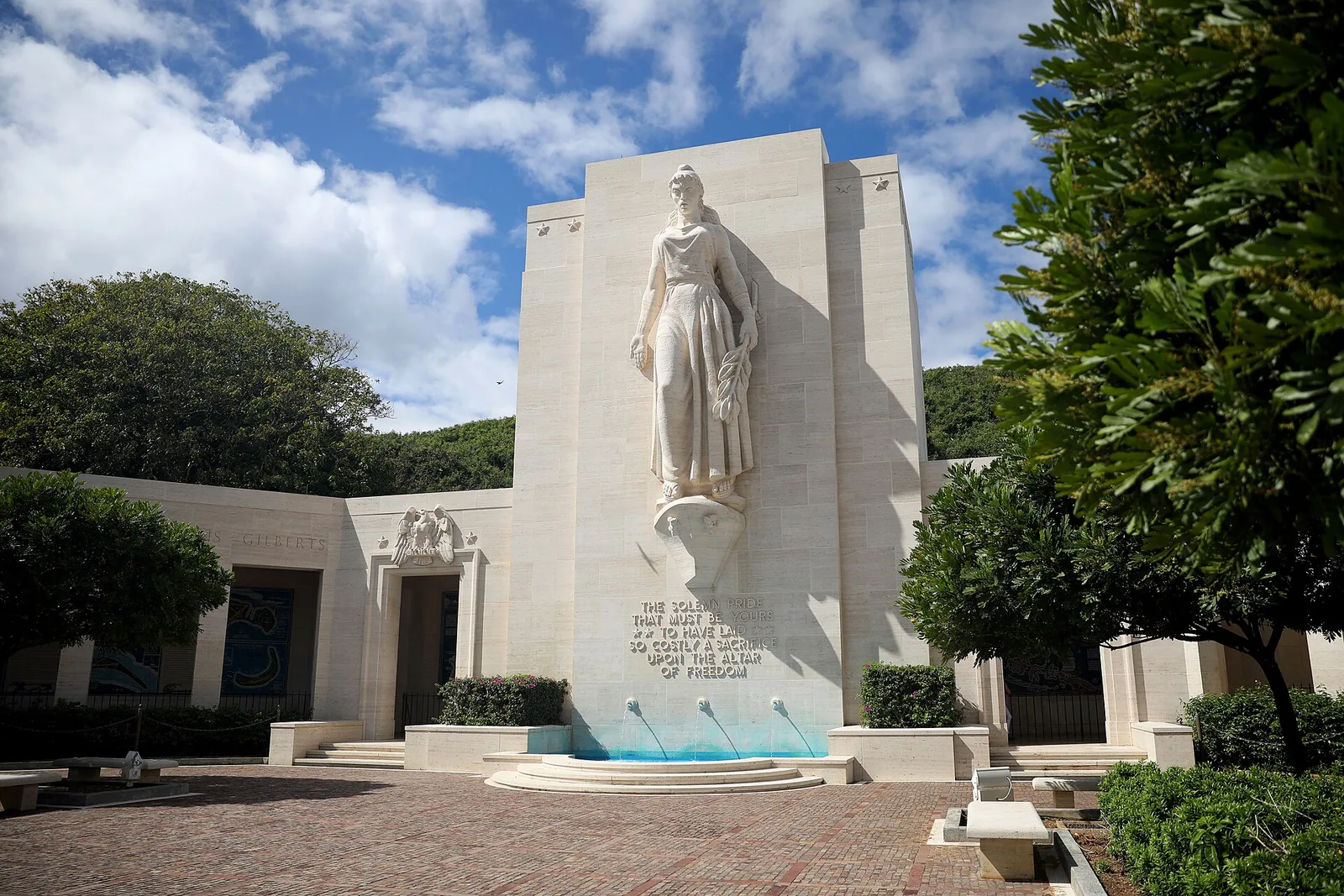
Cost: free · Hours: 8am–6pm daily · Book: no · Allow: 1 hour
What you’ll see from the boat: Battleship Row
On the morning of the attack, seven battleships were moored along the south-eastern shore of Ford Island, a line the Navy called Battleship Row. The eighth, the Pennsylvania, was in dry dock across the harbour. From the Navy boat and from the memorial, you’re looking at exactly that stretch of water.
Each ship has its own story. The Nevada was the only battleship to get under way during the raid; badly hit, and at risk of sinking in the narrow channel and blocking it, she was deliberately run aground at Hospital Point. The West Virginia sank at her moorings, was raised and rebuilt, and was in Tokyo Bay for the surrender in 1945. The California also sank and was raised. The Tennessee and the Maryland, moored on the inside, were shielded by the ships beside them and got off comparatively lightly. The Oklahoma capsized within minutes, trapping hundreds of men below; rescuers cut 32 survivors out through her hull over the following days.
The concrete mooring quays where the battleships were tied up still line the Ford Island shore, and the Missouri lies at the end of the row. Look up from the Arizona’s wreck and take in the whole line. It’s the only way to grasp how concentrated, and how exposed, the fleet was that morning.
Getting to Pearl Harbor
The visitor centre is about 11 miles from Waikīkī and ten minutes from the airport. Traffic on the H-1 is the main variable. Heading west in the morning rush it can take an hour; outside rush hour, it’s closer to 25 minutes.
By bus from Waikīkī
TheBus Route 42 runs from Waikīkī to Pearl Harbor and takes about an hour. A single fare is $3.25 in cash with no transfers, or use a HOLO card, which caps what you pay at $7.50 a day. Leave at least 90 minutes before your Arizona slot, because a late bus won’t get you into an earlier programme.
By Skyline
Honolulu’s rail line now runs past the harbour. Skyline stops at Makalapa, the station for Joint Base Pearl Harbor–Hickam, and at Hālawa by the old Aloha Stadium, with trains between 4am and 10:30pm every 10 to 15 minutes, on the same fares as TheBus. It’s the best option if you’re coming from the airport or the west side. From Waikīkī, the bus is still simpler. From Makalapa you walk the rest of the way along Kamehameha Highway, so check the distance on a map app first: in the midday sun it’s further than it looks.
By car
The visitor centre has its own car park, which charges $7 and fills early on busy days. Arrive before 8am in December and during holidays. Don’t leave bags in the car, even in the boot; break-ins at tourist car parks are a real problem on Oʻahu.
Cost: bus $3.25 single, $7.50 daily cap on HOLO; parking $7 · Hours: Skyline 4am–10:30pm · Bus: Route 42; Skyline to Makalapa · Allow: an hour each way from Waikīkī
How long to spend at Pearl Harbor
It depends on how much of the story you want. These three plans assume you’ve booked an Arizona slot; move the other blocks around your programme time.
The essential visit: 3 hours
- 8am: Arrive, store bags, pass security.
- 8:15am: The two free galleries.
- 9am: Arizona programme: film, boat and memorial.
- 10am: Walk the waterfront and the Remembrance Circle, then leave.
This suits families with young children, first-timers with a lot to fit in, and anyone flying out later the same day.
The half day: 5 hours
- 7:30am: Arrive, store bags and walk through the galleries.
- 8:30am: Arizona programme.
- 9:30am: Free shuttle to Ford Island.
- 9:45am: Battleship Missouri and the Oklahoma Memorial.
- Noon: Shuttle back and lunch.
This is the right visit for most people. It covers the beginning and the end of the war, and you’re done before the afternoon heat.
The full day: 8 hours
- 7am: USS Bowfin as it opens.
- 8:15am: Galleries, then an Arizona programme around 9am.
- 10am: Shuttle to the Missouri.
- 12:30pm: Shuttle to the Aviation Museum; eat on Ford Island or bring snacks in a clear bag.
- 2:30pm: Shuttle back to the visitor centre.
- 3:30pm: Drive to Punchbowl, which stays open until 6pm.
It’s a lot. The shuttle runs a loop every 15 to 20 minutes from 8am, stopping at the Missouri and then the Aviation Museum before returning to the visitor centre, so time your moves around it. By mid-afternoon most people are flagging, so decide at lunch whether the Aviation Museum is for you.
The best time to visit Pearl Harbor
Pearl Harbor is open year-round, and demand follows Oʻahu’s visitor seasons. The busiest spells are mid-December to March and the July and August school holidays, when Arizona tickets vanish fastest and the car park fills before 8am. September, late April and May are the easiest months, with better ticket availability and fewer tour buses. December deserves its own warning: the anniversary on the 7th draws veterans’ families, school groups and dignitaries, and the weeks either side are busy with visitors who want to be there around the date.
Within any day, the first programmes are the best. The water is calmer, the light is softer for photographs of the memorial, and the heat hasn’t built yet. The last programmes of the afternoon are the next-best choice, when most tour groups have gone. Rain is rarely a reason to cancel. Showers tend to be brief on this drier side of the island, and the galleries and the Missouri’s interior are under cover.
Whenever you go, remember that the date you’re booking is Hawaiʻi’s, not yours. If you’re flying in from Asia or Australia across the International Date Line, double-check that your reservation is for the right day before you pay.
Pairing Pearl Harbor with downtown Honolulu
If your Arizona slot is in the morning, give the afternoon to downtown Honolulu, 20 minutes back towards Waikīkī. Together they tell the story of how Hawaiʻi went from an independent kingdom to an American territory to the place that drew the United States into the Second World War.
ʻIolani Palace
This is the only royal palace on American soil, completed in 1882 for King Kalākaua. Queen Liliʻuokalani was later imprisoned in an upstairs room, two years after the 1893 overthrow of the Hawaiian Kingdom. The end of the kingdom and the growth of the naval base are chapters of the same story, and seeing both on one day makes that plain. Tickets are sold online only, with no same-day sales, so book when you book your Arizona slot. The docent-led tour costs $34 and runs on Wednesday and Thursday mornings from 9am to 12:30pm. The self-led audio tour costs $28 and runs on Tuesdays, Fridays and Saturdays from 9am to 3:30pm, plus Wednesday and Thursday afternoons. The palace is closed on Sundays and Mondays.
Cost: $34 docent tour, $28 self-led · Hours: Tuesday–Saturday, times vary by tour · Book: online only, no same-day tickets · Bus: Routes 2 and 13 from Waikīkī · Allow: 1.5 hours
The Kamehameha statue and Aliʻiōlani Hale
Across King Street stands the gilded statue of Kamehameha I, who unified the islands, in front of Aliʻiōlani Hale, the kingdom’s old government building and now the home of the Hawaiʻi State Supreme Court. It takes five minutes and costs nothing. On 11 June, King Kamehameha Day, the statue is draped in lei many feet long.
Chinatown
A few blocks away, Honolulu’s Chinatown is the best place in the city for a cheap, late lunch after a long morning at the harbour, with noodle shops, dim sum, lei stands and market stalls. On the first Friday of each month, from 5pm to 9pm, its galleries and bars stay open late for First Friday. The next one is on 2 October 2026.
Bishop Museum
If the weather turns, the Bishop Museum in Kalihi, between Pearl Harbor and downtown, is Hawaiʻi’s largest museum of Hawaiian and Pacific culture and natural history. It’s open from 9am to 5pm, with last entry at 4pm, and uses dynamic pricing, so check the price for your date online.
For more ideas on the Honolulu side of the island, see our 50 best things to do on Oʻahu.
The 85th anniversary: 7 December 2026
This year’s anniversary is a big one, and it’s worth planning around whether or not you want to be part of it. The National Pearl Harbor Remembrance Ceremony begins at 7:30am on 7 December at the memorial, under the theme “Courage of Commitment”. It is open to the public and needs no ticket, though the front and middle seating is reserved for invited guests. Gates open at 6:15am, the usual parking fee is waived that day, and bag storage is free until 10am. At 7:55am, the moment the first bombs fell, a moment of silence is observed across the harbour.
The official programme also includes a USS Utah ceremony at 4:30pm on 6 December and a USS Oklahoma ceremony at 1pm on 7 December, and the Pearl Harbor Memorial Parade runs in Honolulu on the evening of the 7th. Details change as the date approaches, so check the National Park Service announcements. If you want a normal visit rather than a commemoration, avoid the first ten days of December altogether.
Understanding what happened
You’ll get more from Pearl Harbor if you arrive knowing the outline. Just before 8am on Sunday 7 December 1941, the first of two waves of Japanese carrier aircraft reached Oʻahu. Over the next two hours they struck the battleships moored along Battleship Row off Ford Island, and the airfields at Hickam, Wheeler, Kāneʻohe and elsewhere. In all, 2,403 Americans were killed, 68 of them civilians, and 1,178 were wounded. Twenty-one ships were sunk or damaged, including all eight battleships in harbour.
The next day President Roosevelt called it “a date which will live in infamy”, and the United States entered the Second World War. Six of the eight battleships were eventually repaired and returned to service. The Arizona never left the harbour floor, and the Oklahoma, raised but beyond repair, sank under tow on her way to the scrapyard in 1947. The Utah, the old target ship, still lies where she went down.
It’s also worth remembering that Hawaiʻi was not yet a state in 1941, and that the attack changed life on these islands overnight. Martial law lasted almost three years. More than 1,000 Japanese Americans in Hawaiʻi were interned, even as thousands of young Nisei men went on to serve in the 100th Infantry Battalion and the 442nd Regimental Combat Team, among the most decorated units in American military history. Today, visitors from Japan are a common and welcome sight at the memorial, and the reconciliation between the two countries is part of the story the park tells.
Puʻuloa before the Navy
Long before it was a naval base, Pearl Harbor was Puʻuloa, one of the richest places on Oʻahu. Its sheltered lochs held dozens of Hawaiian fishponds, and its waters were known for pipi, the small pearl oysters that gave the harbour its English name. Streams from the Koʻolau and Waiʻanae mountains fed taro and fish alike, and the surrounding ʻEwa district fed the island’s chiefs.
Hawaiian tradition holds that Puʻuloa was guarded by Kaʻahupāhau, a shark goddess who protected the people who fished there. When the Navy’s first great dry dock collapsed during construction in 1913, many Hawaiians said it had been built over the home of the shark guardian, and the story goes that a kahuna blessed the site before the dry dock was finally completed in 1919.
The United States first won exclusive rights to use the harbour in 1887, in a treaty renewal King Kalākaua signed under heavy pressure. After annexation in 1898 the Navy dredged the channel and began building the base. The fishponds were filled, the oyster beds disappeared, and Puʻuloa became Pearl Harbor. It’s a part of the story that’s easy to miss, and worth holding in mind as you look out over the water.
Practical tips
- Go early. The first programmes are quieter, cooler and less windy on the water.
- Book the day before as a back-up. If your 56-day attempt failed, the 3pm one-day release is a genuine second chance.
- Bring water and sunscreen in a clear bag. There’s little shade on the waterfront or on the Missouri’s decks.
- Allow for security. The queue can take 20 minutes at busy times, and you can’t join a programme late.
- Eat before you come. Food on site is limited to snack counters; the plate lunch places in ʻAiea and Pearl City are better and cheaper.
- Children. The Arizona programme is suitable for all ages, but the film includes footage of the attack. The Bowfin’s ladders are steep for small children.
- Combine it sensibly. Pearl Harbor pairs well with downtown Honolulu and ʻIolani Palace on the same day. It pairs badly with the North Shore, which is in the opposite direction. For more ideas, see our list of things to do on Oʻahu.
Accessibility and visiting with children
The visitor centre, its galleries, the theatre and the waterfront are flat and paved, and the Aviation Museum’s hangars are at ground level. The ships are harder. The Bowfin is reached by steep ladders through narrow hatches, so it isn’t possible for wheelchair users or anyone unsteady on their feet, though the museum alongside is. Parts of the Missouri’s main deck are accessible, but much of the ship means climbing steep ship’s ladders, so ask the staff at the gangway about the accessible route. For the Arizona boat and memorial, check the current access arrangements on the National Park Service site before you go.
Children of all ages are welcome everywhere, but think about the content. The Arizona film includes real footage of the attack and the loss of life, and the memorial is a solemn place where running and noise feel wrong. Most children from about eight upwards find the Missouri and the Bowfin fascinating. Younger ones tend to do best with the three-hour essential visit, a snack break and the Aviation Museum’s aircraft.
Is a Pearl Harbor tour worth it?
Organised tours from Waikīkī range from a simple bus-and-ticket package to full-day trips that add the Missouri, Punchbowl and a drive past ʻIolani Palace. They make sense in two situations: you couldn’t get an Arizona ticket yourself, or you don’t want to deal with the bus, the bag storage and the shuttle. They make less sense if you have a car or are comfortable on TheBus, because the Arizona is free and the other sites sell tickets on the day.
If you book one, check three things: that the Arizona boat programme is actually included rather than “subject to availability”, how much time you’ll have at each site, and whether the pick-up is from your hotel or a central stop. And be wary of websites with official-sounding names that charge a premium for the free Arizona ticket. The only official source is recreation.gov.
Staying in Waikīkī? Our guide to Waikīkī Beach covers the free evening shows that make a good end to a long day at the harbour.
If you are weighing a Pearl Harbor tour against doing it yourself, our guide to Oʻahu tours and attractions compares tour prices with the other big-ticket experiences on the island.
Pearl Harbor’s story is one chapter of a much longer history. Our guide to Hawaiian culture and history covers the kingdom, its overthrow, the Hawaiian language and how to visit sacred places respectfully.
Frequently Asked Questions
How do I get tickets for Pearl Harbor?
USS Arizona Memorial tickets are free but must be reserved on recreation.gov for a $1 fee. They’re released at 3pm Hawaiʻi time, 56 days ahead and again one day ahead, and often sell out within minutes. The Missouri, the Bowfin and the Aviation Museum sell tickets online or at the door, and the Passport to Pearl Harbor covers all three.
Is Pearl Harbor free?
The USS Arizona Memorial programme, the visitor centre and its two museum galleries are free, apart from a $1 reservation fee for the Arizona. The other sites charge: the Missouri is $42.99, the Aviation Museum $29.99 and the Bowfin $25.99. The Passport to Pearl Harbor covers all three for $99.99 per adult. Parking at the visitor centre costs $7.
What if the USS Arizona tickets are sold out?
Try the one-day release at 3pm HST the day before you want to go. Failing that, join the free standby queue at the Narrated Tour Desk in the visitor centre, ideally by 7am on a weekday; seats aren’t guaranteed. You can also book a licensed tour that includes a ticket, or visit the free galleries and see the memorial from the Missouri’s deck.
Can I bring a bag to Pearl Harbor?
Only a clear bag, or a small wallet or clutch of about 1.25 × 2.25 × 5.5 inches. Backpacks, handbags, camera bags and bumbags are all banned. A storage facility near the entrance takes bags for $6, or $10 for large items and suitcases, which is handy if you’re heading to the airport afterwards. Don’t leave bags in a parked car.
How long do you need at Pearl Harbor?
Allow three hours for the Arizona and the free galleries, five hours if you add the Battleship Missouri, and a full eight hours to see all four sites, including the Bowfin and the Aviation Museum. Most visitors find the half-day plan of the Arizona plus the Missouri the right balance. Add an hour for Punchbowl cemetery if you have a car.
How do I get to Pearl Harbor from Waikīkī without a car?
TheBus Route 42 runs from Waikīkī to Pearl Harbor in about an hour for $3.25, or $7.50 a day with a HOLO card cap. Skyline rail stops at Makalapa, which suits visitors coming from the airport or the west side. Leave at least 90 minutes before your Arizona slot, because traffic on the H-1 is unpredictable.
Is Pearl Harbor open on December 7?
Yes. On 7 December 2026, the 85th anniversary, the public remembrance ceremony begins at 7:30am with gates opening at 6:15am. No ticket is needed, the parking fee is waived and bag storage is free until 10am, though the front seating is reserved for invited guests. Expect heavy crowds all week, and check the National Park Service for any changes to programmes.
Can I visit Pearl Harbor on the way to the airport?
Yes, and it’s a popular last-morning plan. The visitor centre is about ten minutes from the airport, and bag storage takes suitcases for $10. Book an early Arizona programme and leave at least four hours between your slot and your flight. Skyline links Makalapa station with Lelepaua, the airport station, but the walk from Makalapa is awkward with luggage, so a taxi is simpler.
Photo Credits
- Battleship Missouri with a passing submarine (featured): U.S. Navy photo by Mass Communication Specialist 2nd Class Michael H. Lee, public domain
- Map: honolulutourism.org; coastline data © OpenStreetMap contributors, ODbL
- Pearl Harbor Visitor Center: DavidaJohanson, CC BY-SA 4.0
- USS Arizona Memorial from the air: US Navy photo by PH3(AW/SW) Jayme Pastoric, public domain
- USS Arizona Memorial shrine room: U.S. Navy photo by Photographer’s Mate 1st Class William R. Goodwin, public domain
- USS Bowfin: Robert Linsdell, CC BY 2.0
- Battleship Missouri bow: Robert Linsdell, CC BY 2.0
- Pearl Harbor Aviation Museum: Tony Hisgett, CC BY 2.0
- National Memorial Cemetery of the Pacific: Gage Skidmore, CC BY-SA 2.0