Every Saturday evening on the lawn at Kūhiō Beach, beneath the statue of Duke Kahanamoku, a hālau performs hula for anyone who sits down on the grass. It costs nothing. Most people walking past on Kalākaua Avenue do not stop. That small scene says a lot about hawaiian culture as a visitor meets it: it is present everywhere in these islands, often in plain sight, and it is very easy to miss, flatten into a souvenir, or mistake for something it is not.
This guide is for visitors who want to understand. It covers who Native Hawaiians are, the core ideas behind the culture, the Hawaiian language, a clear timeline of Hawaiian history from Polynesian settlement to the present, hula and music, food, the places on Oʻahu and beyond where that history can be seen, and, most practically, how to behave. The protocol section gives specific things to do and not do, rather than vague appeals to respect.
We are not a Native Hawaiian organisation, and nothing here replaces learning from Hawaiian people themselves. Where definitions of Hawaiian words are given, they follow the standard Hawaiian Dictionary by Mary Kawena Pukui and Samuel H. Elbert, available free online through Ulukau’s wehewehe.org. Historical dates follow standard sources, including the Bishop Museum and the University of Hawaiʻi.
Who is Hawaiian?
This is the first thing to get right. In Hawaiʻi, “Hawaiian” means a Native Hawaiian: a person descended from the Polynesian people who lived in these islands before Western contact. Native Hawaiians also use the terms Kānaka Maoli and Kānaka ʻŌiwi. Hawaiʻi’s many other residents, whose families came from Japan, the Philippines, China, Portugal, Korea, Puerto Rico, Samoa, the US mainland and elsewhere, are not “Hawaiians”. They are residents of Hawaiʻi, or, in everyday island speech, “locals” if they grew up here.
Using the word correctly matters. Native Hawaiians are an Indigenous people whose kingdom was overthrown, whose land was taken and whose language was suppressed within living family memory. Calling everyone who lives here “Hawaiian” erases that. It is a small habit to change, and people notice when you do.
Hawaiian culture: the ideas that shape it
Hawaiian culture has a set of values that visitors hear constantly, often on hotel signs and in marketing. They are worth understanding properly, because their real meanings are deeper and more demanding than the slogans suggest.
Aloha. Commonly translated as hello and goodbye, but in the Pukui and Elbert dictionary its first meanings are love, affection, compassion, mercy and kindness. It describes a way of relating to others, not a sales pitch. Hawaiʻi’s state law even includes an “Aloha Spirit” statute describing it as the coordination of mind and heart.
ʻĀina. Land, earth. Its root relates to eating: the land is that which feeds. Mālama ʻāina means caring for the land, a responsibility rather than a romantic idea.
Kuleana. Right, privilege, concern and responsibility, all at once. It is the idea that you have a responsibility that comes with your place in a family, community or land. For visitors, the concept is useful: being here carries kuleana.
ʻOhana. Family, including extended family and those joined by close bonds. Kūpuna are elders and grandparents; keiki are children.
Pono. Goodness, uprightness, correct or proper procedure; things being in their right order. It appears in the state motto: “Ua mau ke ea o ka ʻāina i ka pono”, often translated as “the life of the land is perpetuated in righteousness”.
Kapu. Taboo, prohibition; sacred, consecrated. In old Hawaiʻi, the kapu system was the body of sacred law governing daily life. Today, a sign reading “kapu” means keep out. There is no hedging: do not enter.
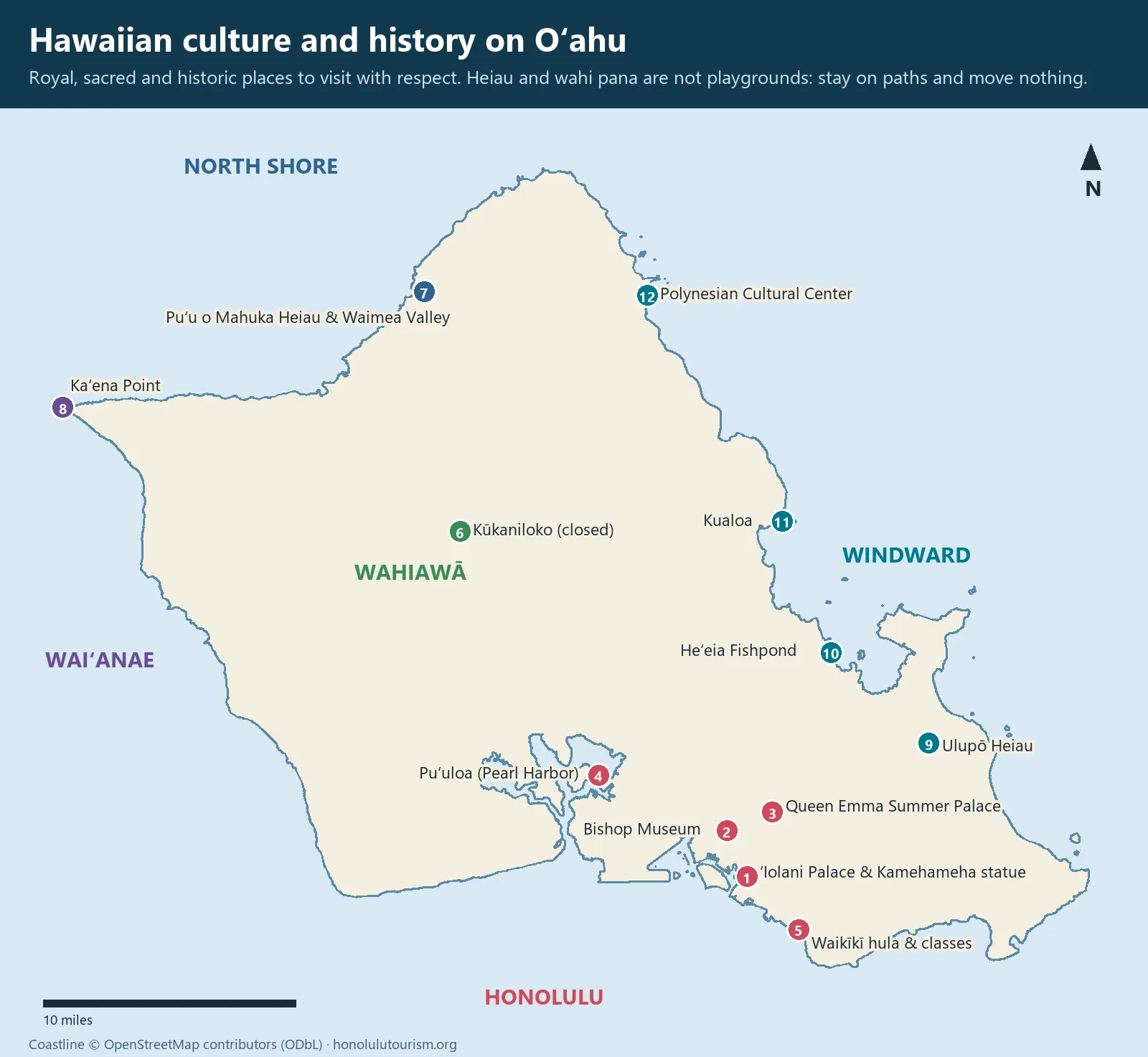
Wahi pana. A legendary or celebrated place, often sacred. Many wahi pana are not marked, and some are deliberately kept off maps and the internet.
ʻŌlelo Hawaiʻi: the Hawaiian language
Hawaiian is a Polynesian language, closely related to Tahitian, Māori and Marquesan. Its written alphabet has 13 letters: the five vowels a, e, i, o, u and the consonants h, k, l, m, n, p, w and the ʻokina (ʻ), a glottal stop like the break in “uh-oh”. The kahakō, a line over a vowel (ā, ē, ī, ō, ū), lengthens it. Both change meaning: pau means finished, while paʻū means moist; moa means chicken, while moʻa means cooked.
Why the spelling on this site looks the way it does
We write Waikīkī, Oʻahu and Hawaiʻi with the ʻokina and kahakō in our articles because that is how the words are spelled in Hawaiian. The University of Hawaiʻi, the state’s newspapers and many businesses do the same. Search engines and some signs use plain spellings, which is why our page titles and web addresses do not.
Suppression and revival
In 1896, three years after the overthrow of the Hawaiian Kingdom, a law made English the medium of instruction in Hawaiʻi’s schools, effectively banning Hawaiian from education. Children were punished for speaking it, and within a few generations the number of native speakers fell drastically. In 2022, the state formally apologised for the ban.
The revival began in earnest in the 1970s. The 1978 state constitutional convention made Hawaiian an official language of the State of Hawaiʻi, alongside English. In 1983, Hawaiian-language educators, including Larry Kimura, founded ʻAha Pūnana Leo (“nest of voices”), inspired by the Māori Kōhanga Reo movement in Aotearoa New Zealand. The first Pūnana Leo preschool opened in Kekaha, Kauaʻi, in 1984. In 1986, the legislature amended the 1896 law. Today, a student can be educated in Hawaiian from preschool to doctorate, and the University of Hawaiʻi at Hilo offers a PhD in Hawaiian and Indigenous language and culture revitalisation, the first of its kind.
Words you will hear
| Word | Meaning | How you will hear it used |
|---|---|---|
| Aloha | Love, compassion; greeting | Hello and goodbye, and much more |
| Mahalo | Thanks, gratitude | Thank you. It does not mean “trash” on bins labelled “mahalo” |
| Mauka / makai | Towards the mountains / towards the sea | Directions: “the store is on the mauka side” |
| ʻEwa / Diamond Head | Westward (towards ʻEwa) / eastward | Directions on Oʻahu’s south shore |
| Keiki / kūpuna | Child / elder, grandparent | “Keiki menu”, “kūpuna hour” |
| Pau | Finished, done | “Pau hana” means after work |
| Pūpū | Relish, snack, appetiser | Bar snacks |
| Lānai | Porch, veranda | Your hotel balcony |
| Kapu | Forbidden, sacred | Keep out |
| Kuleana | Responsibility, right | “That’s your kuleana” |
| ʻOhana | Family | Extended family and close friends |
| Wikiwiki | Quick | The airport’s Wiki Wiki shuttle |
Pidgin. Many locals speak Hawaiʻi Creole English, known as Pidgin, which grew out of the plantations where workers from many countries needed a common language. It is a language in its own right, recognised by the US Census Bureau in 2015. Enjoy hearing it. Do not imitate it.
A timeline of Hawaiian history
The dates below are the essentials. Several, particularly for early settlement, are debated by scholars.
| Date | Event |
|---|---|
| c. 1000–1200 CE (debated) | Polynesian voyagers, navigating by stars, swells and birds, settle the Hawaiian Islands, most likely from the Marquesas and Society Islands |
| Centuries before contact | Chiefdoms develop across the islands, with land divided into ahupuaʻa and life governed by the kapu system |
| 1778 | Captain James Cook lands at Waimea, Kauaʻi, the first recorded European contact. He is killed at Kealakekua Bay in 1779 |
| 1795 | Kamehameha I wins the Battle of Nuʻuanu on Oʻahu, uniting most of the islands |
| 1810 | Kauaʻi’s ruler Kaumualiʻi accepts Kamehameha’s rule; the Kingdom of Hawaiʻi is united |
| 1819 | After Kamehameha’s death, Liholiho (Kamehameha II) and Kaʻahumanu break the kapu by eating together (ʻai noa), ending the old religious system |
| 1820 | The first American Protestant missionaries arrive |
| 1840 | Kamehameha III proclaims the kingdom’s first written constitution |
| 1843 | Britain and France recognise Hawaiian independence, celebrated on 28 November as Lā Kūʻokoʻa |
| 1848 | The Māhele divides land, opening the way for private ownership and, later, large-scale foreign ownership |
| 1874–1891 | Reign of King Kalākaua, the “Merrie Monarch”, who revives hula and builds ʻIolani Palace |
| 1887 | The “Bayonet Constitution”, forced on Kalākaua by a group of mainly American businessmen, strips the monarchy of power and many Native Hawaiians of the vote |
| 17 January 1893 | Queen Liliʻuokalani is overthrown by a group of businessmen supported by US Marines landed from USS Boston |
| 1895 | After a failed attempt to restore the monarchy, Liliʻuokalani is arrested and imprisoned in ʻIolani Palace |
| 1897 | The Kūʻē Petitions, with about 21,000 signatures, help defeat an annexation treaty in the US Senate |
| 1898 | The United States annexes Hawaiʻi by joint resolution of Congress |
| 7 December 1941 | Japan attacks Pearl Harbor, known in Hawaiian as Puʻuloa |
| 1959 | Hawaiʻi becomes the 50th US state |
| 1970s | The Hawaiian Renaissance revives language, hula, voyaging and land rights activism |
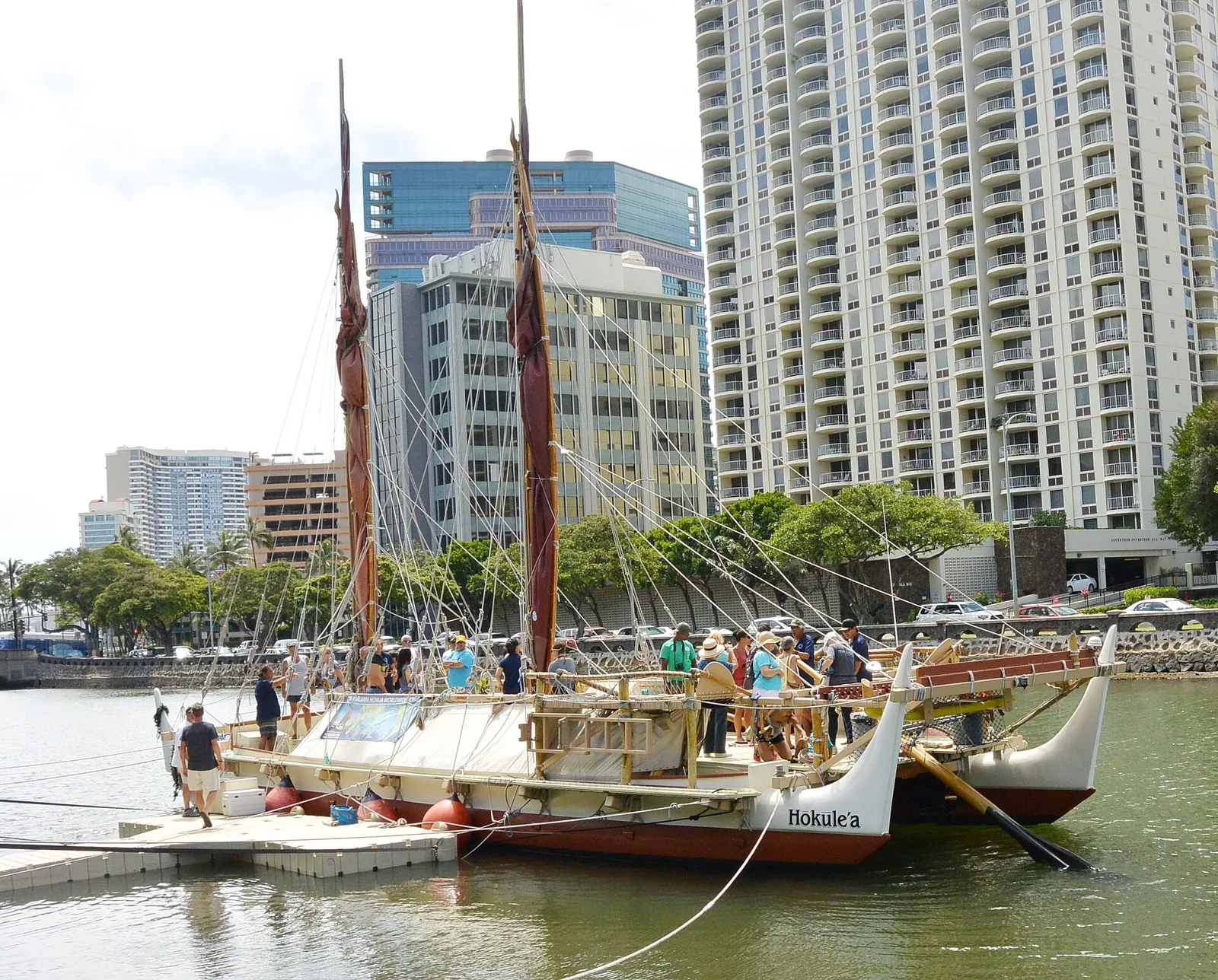
| 1976 | The voyaging canoe Hōkūleʻa sails to Tahiti using traditional navigation |
| 1978 | The state constitutional convention makes Hawaiian an official language and creates the Office of Hawaiian Affairs |
| 1990 | US military bombing of Kahoʻolawe ends after years of protest; the island is later returned to the state |
| 23 November 1993 | The US Apology Resolution (Public Law 103-150) apologises for the US role in the overthrow |
| 2023 | The Lahaina fire destroys much of the former royal capital of the kingdom on Maui |
Before contact
The first Hawaiians arrived after one of the greatest feats of navigation in human history, crossing thousands of miles of open ocean in double-hulled voyaging canoes without instruments. They brought with them the plants and animals they would need, including kalo (taro), ʻuala (sweet potato), ʻulu (breadfruit), niu (coconut), pigs, dogs and chickens.
Over centuries, they built a sophisticated society. Land was organised into ahupuaʻa, divisions typically running from the mountains to the sea, so that each community had access to forest, farmland, streams and fishing grounds. Stone-walled fishponds (loko iʻa), irrigated taro terraces (loʻi) and dryland field systems fed a large population. Society was hierarchical, led by aliʻi (chiefs), with kahuna (experts and priests), makaʻāinana (commoners who worked the land) and a strict kapu system governing everything from food to social contact.
The kingdom
Kamehameha I, from Kohala on Hawaiʻi Island, unified the islands through war and diplomacy between 1782 and 1810. The Kingdom of Hawaiʻi that followed was a recognised, independent nation with its own constitution, legislature, courts, schools and treaties with the United States, Britain, France, Japan and others. Hawaiians became one of the most literate peoples in the world in the nineteenth century, and Hawaiian-language newspapers flourished.
At the same time, foreign diseases killed a huge proportion of the Native Hawaiian population, and foreign business interests, particularly in sugar, gained enormous economic and political power.
The overthrow and annexation
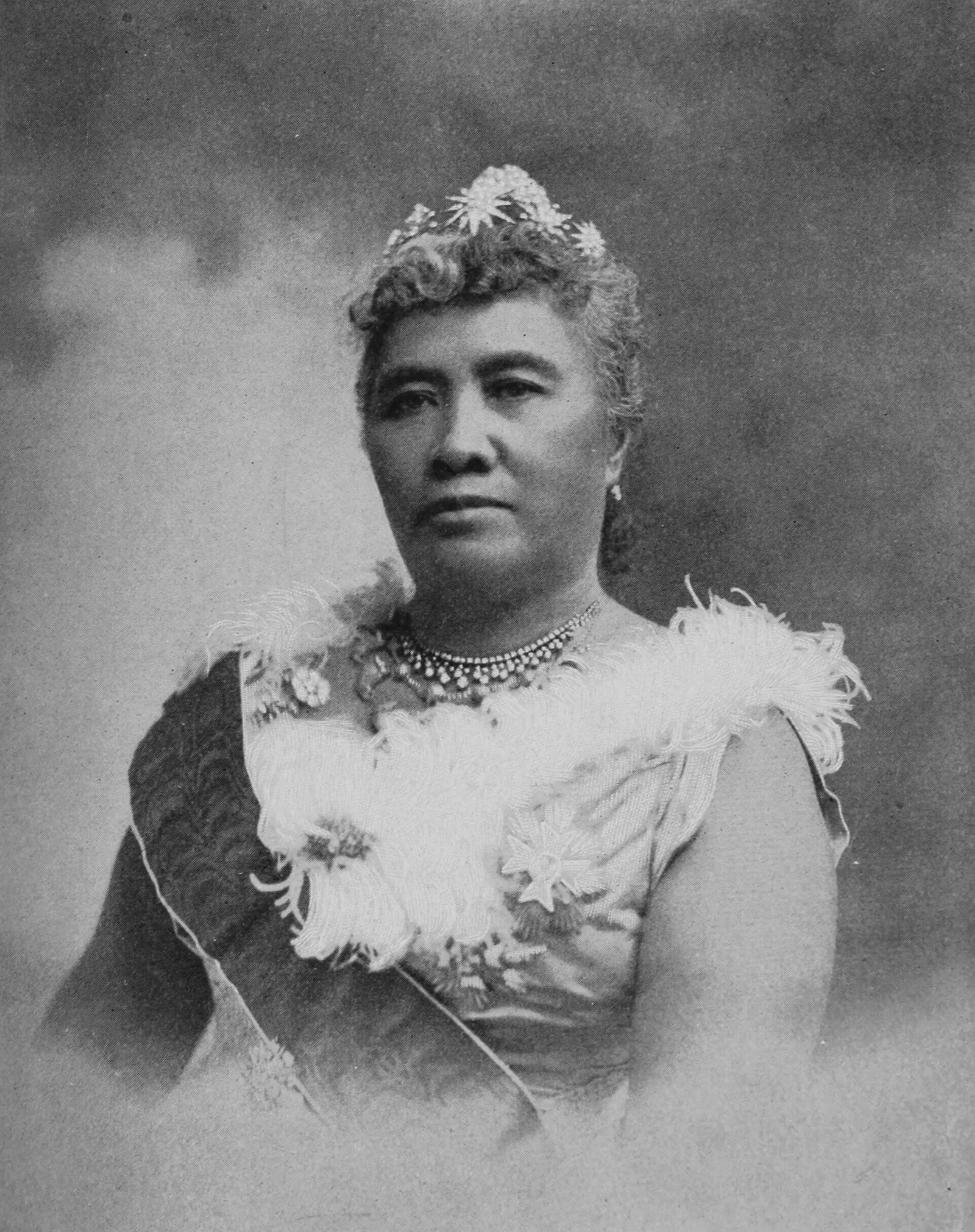
On 17 January 1893, a small group of mainly American businessmen, calling themselves the Committee of Safety, overthrew Queen Liliʻuokalani with the support of US Marines. Liliʻuokalani yielded under protest to avoid bloodshed, trusting that the United States would restore her. President Grover Cleveland’s investigation condemned the overthrow, but the provisional government refused to step aside and declared a republic.
In 1895, after an attempt to restore the monarchy, the queen was arrested and imprisoned for eight months in an upstairs room of ʻIolani Palace. In 1897, Native Hawaiians organised the Kūʻē Petitions, gathering about 21,000 signatures against annexation. They helped defeat the annexation treaty in the US Senate. In 1898, during the Spanish-American War, Congress annexed Hawaiʻi instead by a joint resolution.
A century later, in 1993, the US Congress passed, and President Bill Clinton signed, the Apology Resolution, acknowledging that the overthrow was illegal and apologising to Native Hawaiians. Questions of sovereignty, land and self-determination remain active and deeply felt today.
Renaissance and the present
From the 1970s, the Hawaiian Renaissance brought a powerful revival of language, hula, music, voyaging and activism. Protesters occupied Kahoʻolawe, an island used by the US Navy as a bombing range, and in 1990 the bombing stopped. Hōkūleʻa’s voyages rekindled pride in Polynesian navigation. Hawaiian-language schools spread across the islands.
Today, Native Hawaiians lead in education, law, science, the arts and land management. They also face serious challenges: the cost of living has driven many families off the islands, and debates over land use, water rights, tourism and places such as Maunakea continue. The 2023 Lahaina fire destroyed a town that had been the royal capital of the kingdom, with many sites of deep historic importance.
Hula, chant and music
Hula is not a floor show. It is a way of recording and passing on genealogy, history, place and prayer through movement and chant, taught within a hālau (school) by a kumu hula (teacher) through years of training.
Hula kahiko is the older form, performed to oli (chant) and percussion such as the ipu (gourd drum) and pahu (sharkskin drum). Hula ʻauana developed after Western contact and is performed to melodic music with ʻukulele, guitar and bass. Nineteenth-century missionaries discouraged hula; King Kalākaua championed its public revival, which is why the world’s most prestigious hula competition, founded in Hilo in 1964, is named the Merrie Monarch Festival in his honour.
Music. The ʻukulele descends from small guitars brought by Madeiran Portuguese immigrants in 1879, and was quickly adopted and popularised by the Hawaiian royal court. Kī hōʻalu, slack-key guitar, developed in Hawaiʻi in the nineteenth century. Falsetto singing, steel guitar and the songs of composers including Queen Liliʻuokalani are all part of Hawaiian musical heritage.
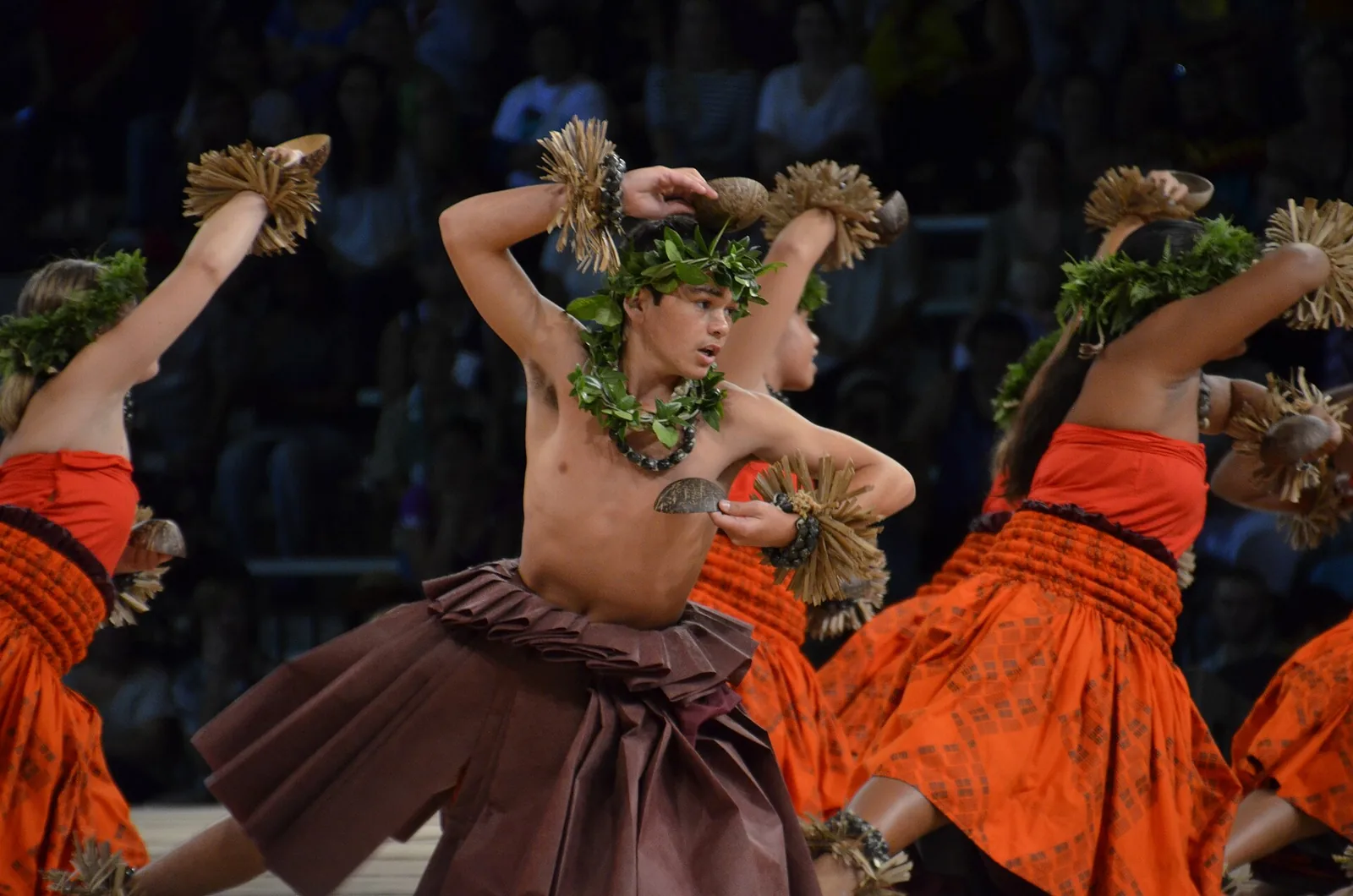
Where to see hula respectfully
Kūhiō Beach Hula Show, Waikīkī. Free, on Saturdays from 6:30pm to 7:30pm in 2026. There are no shows on 17 October and 31 October 2026. Arrive early with a mat.
Prince Lot Hula Festival. The largest non-competitive hula festival in Hawaiʻi, held each July. In 2026, the 49th festival ran on 17 and 18 July at the Royal Hawaiian Center, free of charge.
Merrie Monarch Festival, Hilo. The world championship of hula. The 64th festival runs from 28 March to 3 April 2027. Competition tickets are very hard to get; the television broadcast and free daytime events are the way most people experience it.
Royal Hawaiian Center, Waikīkī. One free cultural class each weekday, which may include hula, lei-making, lauhala weaving or ʻukulele. The programme rotates monthly.
Lūʻau. Commercial lūʻau present hula alongside dances from across Polynesia. Good shows explain what is Hawaiian and what is Tahitian, Samoan or Māori. Our Oʻahu tours and lūʻau guide compares them.
At a performance: applaud, sit where you are asked, do not walk through the dance space, and do not join in unless the performers invite you. Photography is usually welcome, but put your phone down for at least part of it.
Food and the land
In Hawaiian tradition, kalo (taro) is more than a staple crop. In the moʻolelo (story) of Hāloa, the first kalo plant grew from the stillborn child of Wākea and Hoʻohōkūkalani, and their second child, also named Hāloa, became the ancestor of the Hawaiian people. Kalo is therefore the elder brother, to be cared for, and in turn it feeds its younger siblings. Poi, pounded kalo, sat at the centre of every meal.
Traditional Hawaiian food includes poi, kālua pig cooked in an imu (underground oven), laulau, fish, limu (seaweed), ʻuala, ʻulu and haupia. Local-style dishes such as plate lunch, loco moco and Spam musubi are delicious and deeply loved, but they come from the plantation era’s mix of immigrant cooking. They are not traditional Hawaiian food. Our Honolulu food guide explains where to eat both.
On Oʻahu, you can see traditional food systems being restored. At Heʻeia, on the windward coast, the community organisation Paepae o Heʻeia cares for a centuries-old walled fishpond, and Kākoʻo ʻŌiwi is restoring wetland taro fields; both offer volunteer workdays for visitors who book ahead.
Places to learn on Oʻahu
Bishop Museum
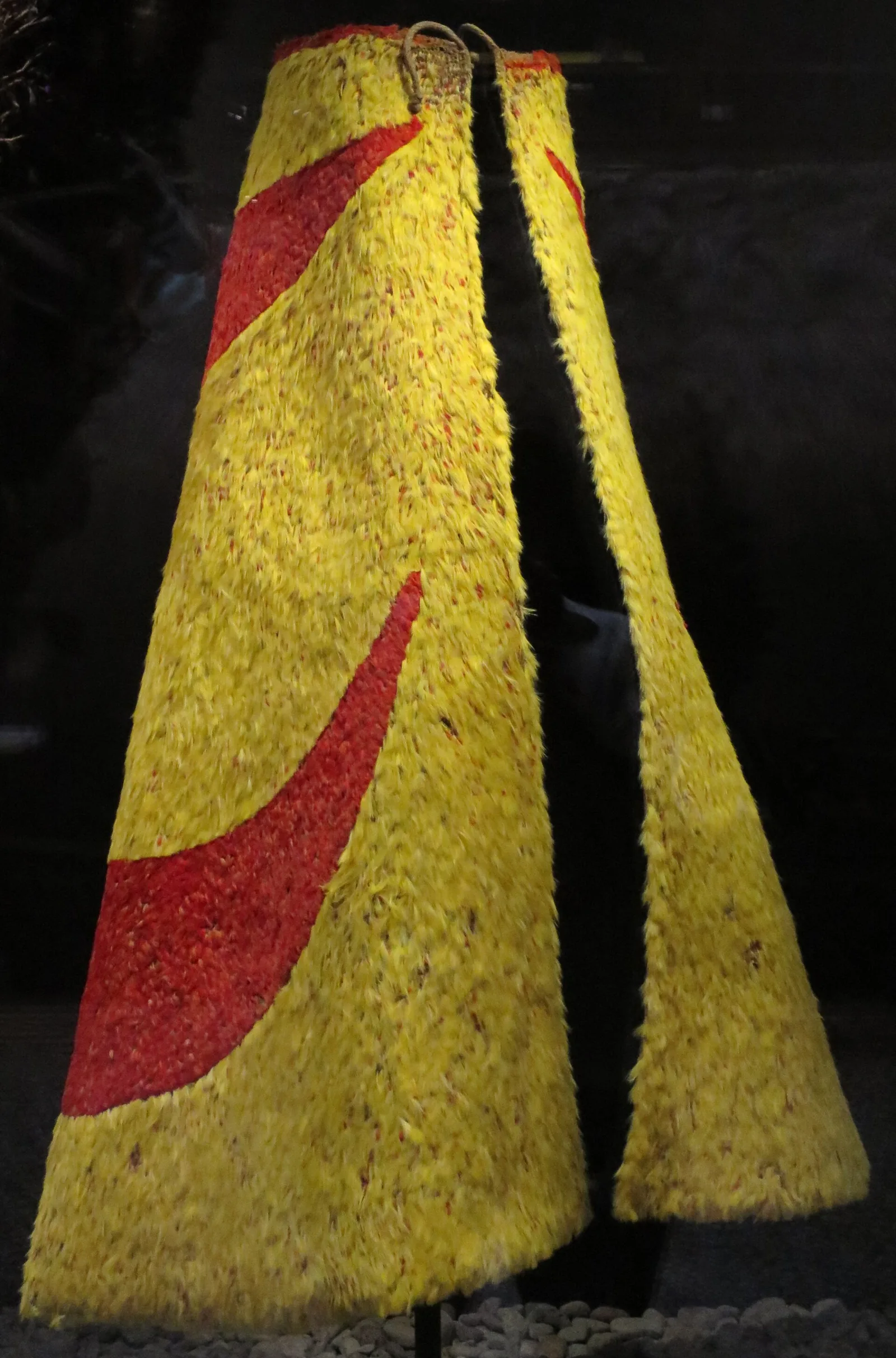
Founded in 1889 in memory of Princess Bernice Pauahi Bishop, the last direct descendant of Kamehameha I, the Bishop Museum holds the world’s finest collection of Hawaiian and Pacific cultural objects. Hawaiian Hall, a three-storey gallery of koa wood, moves from the realm of the gods, through daily life, to the kingdom and beyond. The ʻahu ʻula (feather cloaks) of the aliʻi, made from hundreds of thousands of tiny feathers, are extraordinary. If you visit only one place in this guide, make it this one.
Cost: dynamic pricing; check online · Hours: 9am–5pm, last check-in 4pm · Book: online recommended · Bus: Route 2 towards Kalihi · Allow: 3 hours
ʻIolani Palace
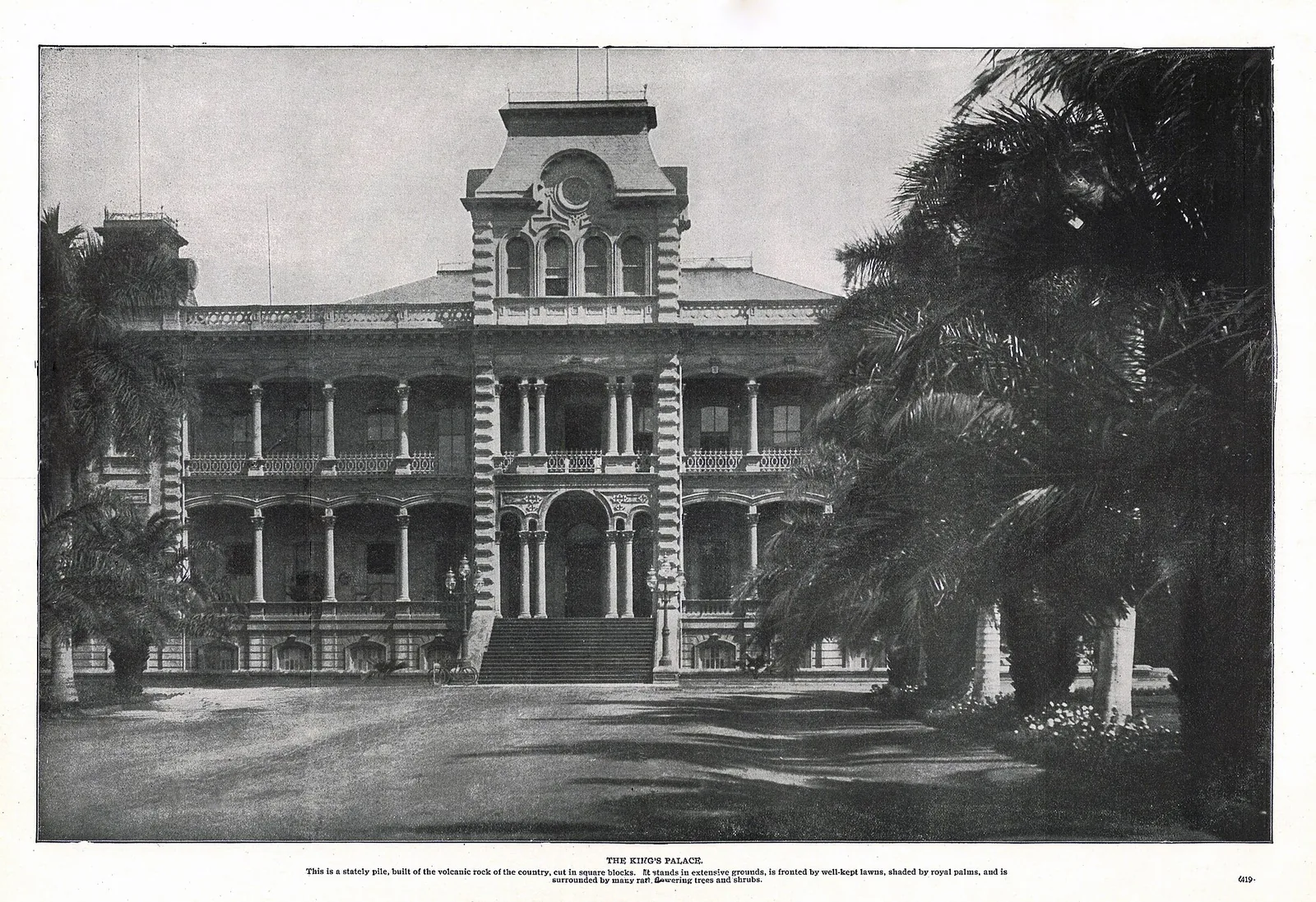
Completed in 1882 for King Kalākaua, ʻIolani Palace was the official residence of the last two Hawaiian monarchs, and the place where Queen Liliʻuokalani was imprisoned in 1895. It had electric lighting before the White House. Visiting it makes clear, better than any book, that Hawaiʻi was an independent nation. Tickets are sold online only, with no same-day sales. The guided docent tour costs $34 and runs on Wednesday and Thursday mornings; the self-guided audio tour costs $28. The palace is closed on Sundays and Mondays.
Cost: $34 docent tour, $28 audio tour · Hours: Tue–Sat, varies by tour type · Book: online only, no same-day tickets · Bus: Routes 2 and 13 to downtown · Allow: 2 hours
Downtown Honolulu: the King Kamehameha statue and Kawaiahaʻo Church
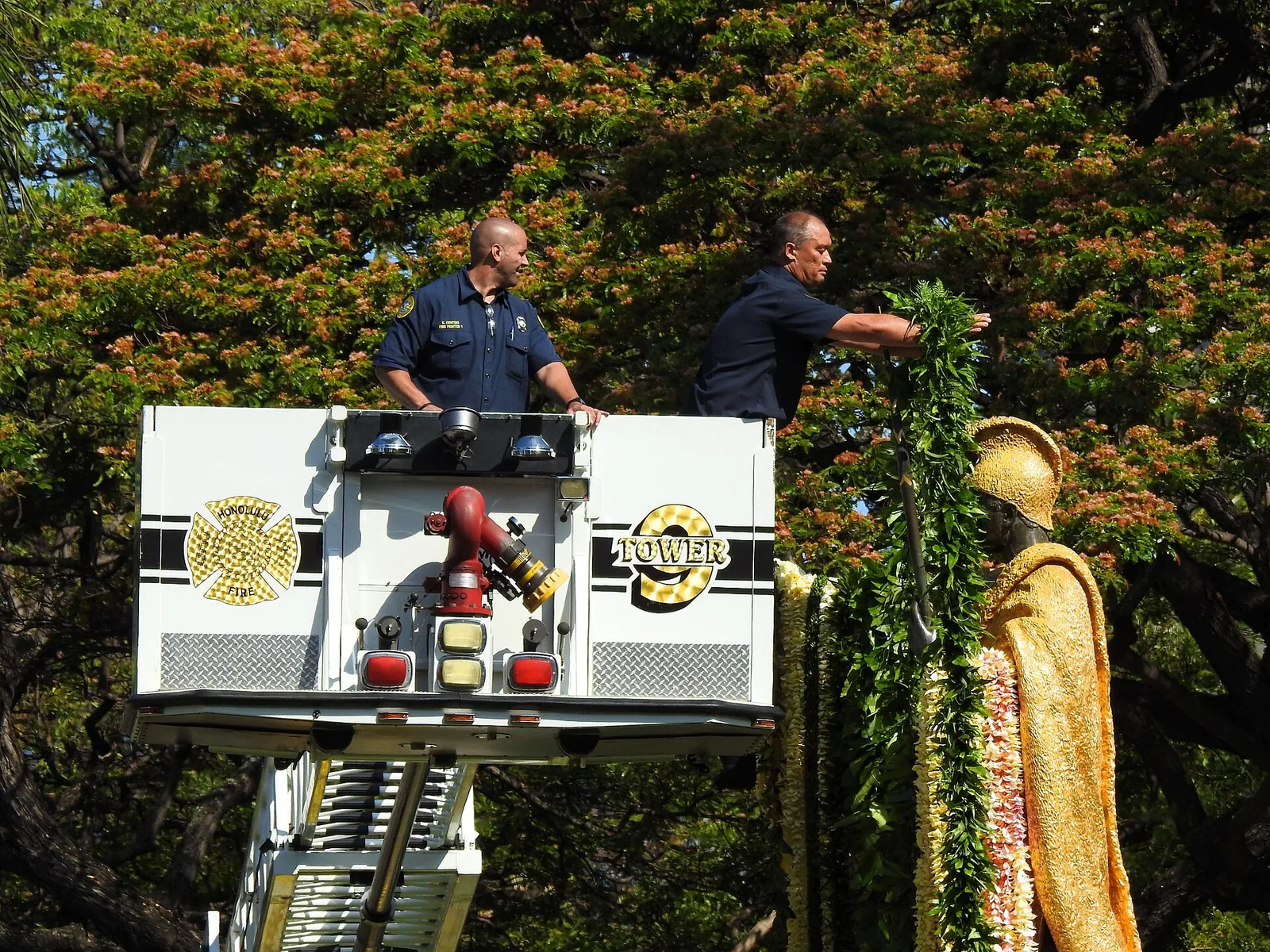
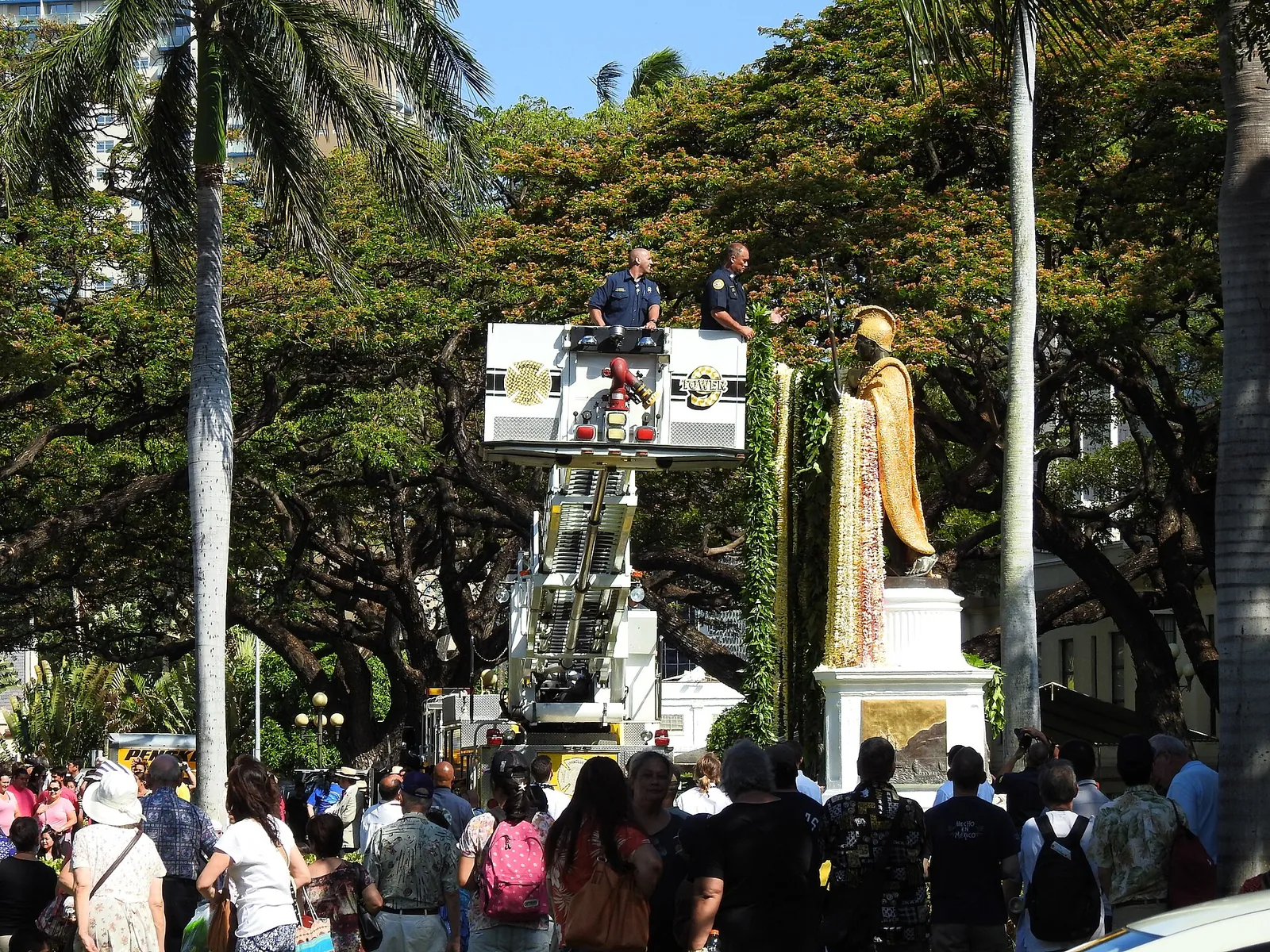
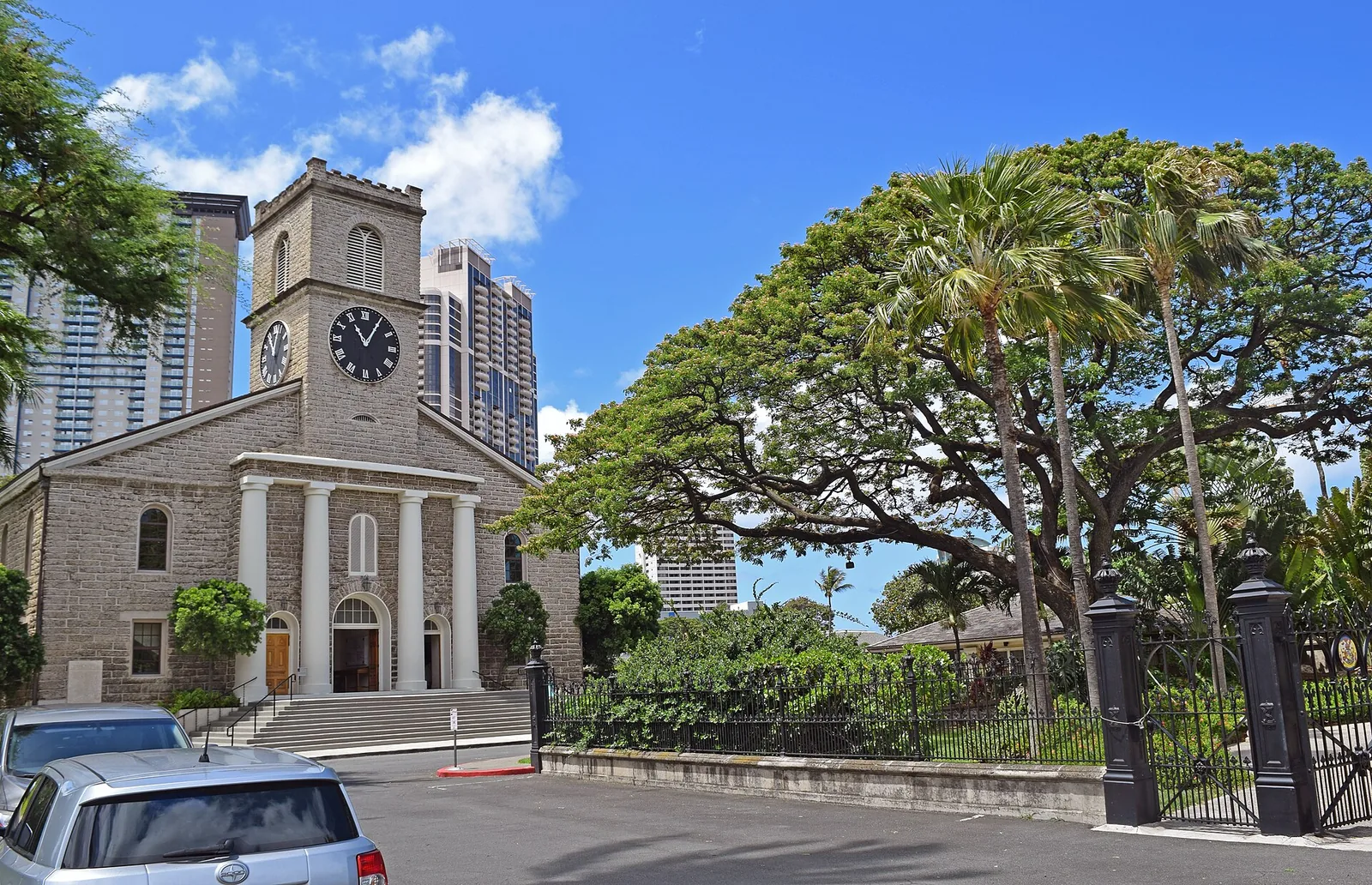
Across King Street from the palace, the gilded statue of Kamehameha I stands in front of Aliʻiōlani Hale, the kingdom’s former government building. Each June, before King Kamehameha Day on 11 June, the statue is draped with long lei in a public ceremony. Nearby, Kawaiahaʻo Church, completed in 1842 from blocks of coral cut from the reef, was the church of the Hawaiian royal family; King Lunalilo is buried in its grounds. It is an active congregation, so visit quietly and dress respectfully.
Queen Emma Summer Palace
Hānaiakamalama, the summer retreat of Queen Emma, wife of Kamehameha IV, sits in the cool Nuʻuanu Valley. Run by the Daughters of Hawaiʻi, it displays the queen’s furniture, personal belongings and royal gifts. It is open from Wednesday to Saturday, 10am to 3:30pm, and costs $20. Reservations are required, with walk-ins only if space allows.
Cost: $20 · Hours: Wed–Sat 10am–3:30pm · Book: reservation required · Bus: Pali Highway routes; about 15 minutes’ drive from Waikīkī · Allow: 1 hour
Heiau and sacred places
Puʻu o Mahuka Heiau State Historic Site, on a bluff above Waimea Bay on the North Shore, is the largest heiau on Oʻahu, with sweeping views along the coast. Walk around the outside of the stone walls only.
Ulupō Heiau State Historic Site, in Kailua, is a massive stone temple platform overlooking Kawainui Marsh, associated in tradition with the Menehune.
Kūkaniloko, in central Oʻahu, is a sacred birthing site where aliʻi were born. It is closed to the public, with escorted visits by reservation only through its stewards.
Kaʻena Point, at Oʻahu’s westernmost tip, is known in tradition as a leina a ka ʻuhane, a leaping place from which souls departed this world.
Waimea Valley, on the North Shore, is a culturally important valley with restored archaeological sites and botanical gardens, run with Hawaiian cultural guidance. Entry is $26; it is open from Tuesday to Sunday, 9am to 4pm.
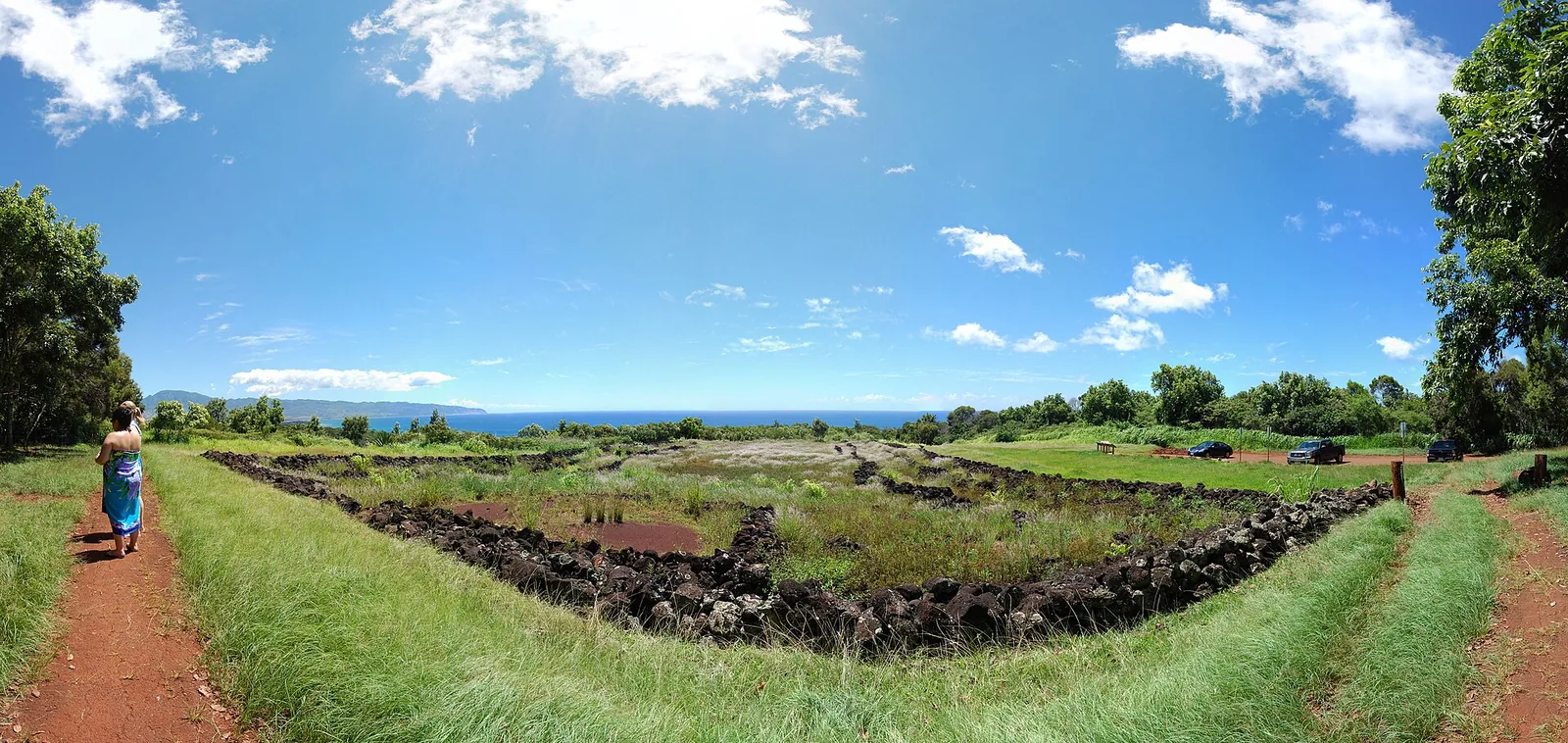
Pearl Harbor and the Polynesian Cultural Center
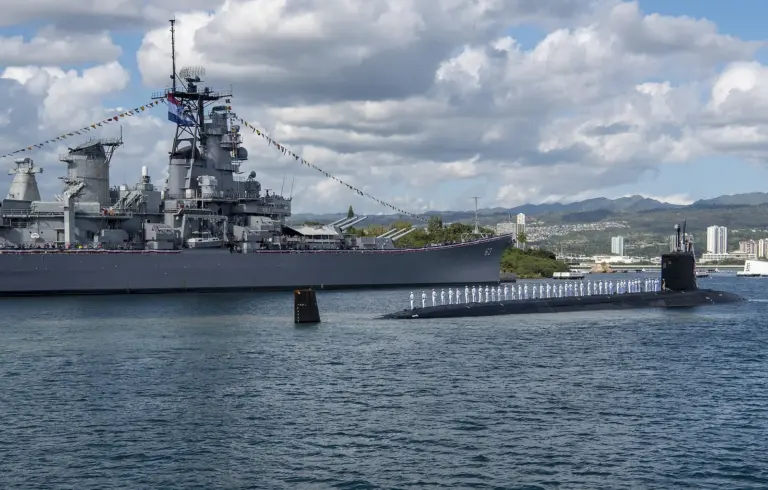
Pearl Harbor, whose Hawaiian name Puʻuloa refers to a long hill, was once rich in fishponds and sacred to the shark goddess Kaʻahupāhau. Our Pearl Harbor guide covers the memorials. The Polynesian Cultural Center in Lāʻie presents the cultures of six Pacific island groups, including Hawaiʻi, with performers from across the Pacific.
Beyond Oʻahu
Hawaiʻi Island. Puʻuhonua o Hōnaunau National Historical Park, a place of refuge with a reconstructed temple and carved kiʻi, costs $20 per vehicle. Puʻukoholā Heiau, built by Kamehameha I in 1790–91, is free. Kīlauea is the home of Pele. See our Big Island guide.
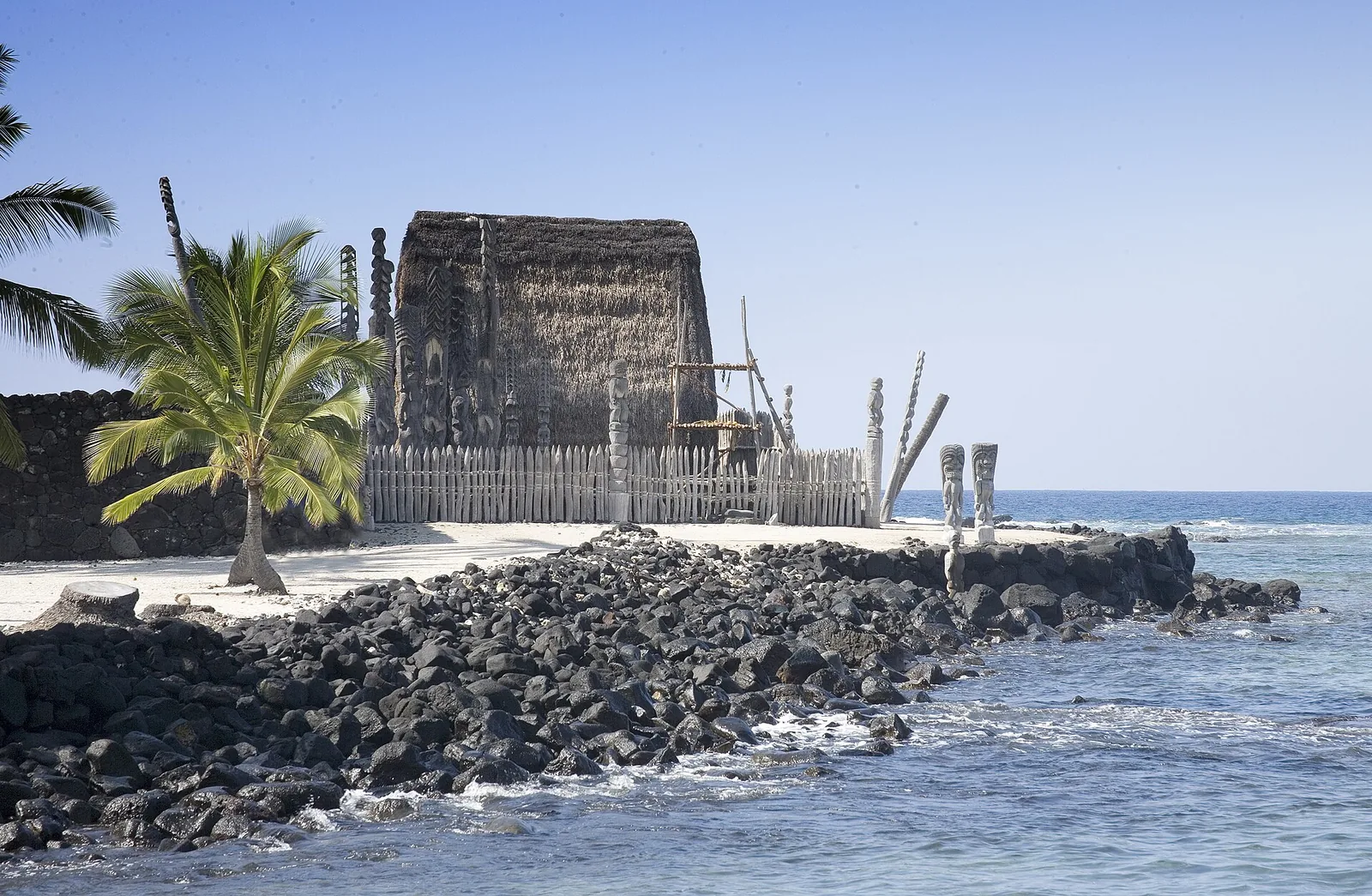
Maui. ʻĪao Valley was the site of a decisive battle in 1790. Piʻilanihale Heiau, near Hāna, is one of the largest temple platforms in Polynesia. Lahaina was the royal capital of the kingdom before Honolulu. See our Maui guide, including how to visit Lahaina respectfully.
Kauaʻi. The Wailua River valley was Kauaʻi’s royal and religious centre, with heiau and the Holoholokū birthing site. Waimea is where Cook first landed. See our Kauaʻi guide.
Molokaʻi. Kalaupapa, where people with Hansen’s disease were forcibly isolated from 1866, is a place of great sorrow and significance. Visitor access has been heavily restricted in recent years.
Protocol: how to behave as a visitor
Here are specific, practical things to do and avoid. None of them are difficult.
At sacred and historic sites
- Do not climb on, sit on or walk across heiau walls or platforms. Walk around them, on marked paths.
- Do not move, stack or take stones. Do not build cairns. Do not wrap rocks in ti leaves and leave them as “offerings”; it is not a visitor’s place to do this, and it damages sites.
- Leave any existing offerings untouched, and do not photograph them close up.
- Obey kapu and no-trespassing signs. Kapu means do not enter. Do not look for a way around.
- Do not share the locations of places kept deliberately unpublicised. If a local shows you somewhere special, do not geotag it.
- Keep your voice down, and do not fly drones over sacred sites.
In nature
- Do not take lava rock, sand or coral. It is illegal in national parks, and culturally, the land belongs here.
- Keep your distance from wildlife: 10 feet from honu (green sea turtles), 50 feet from Hawaiian monk seals, and 50 yards from spinner dolphins. Some families regard particular animals as ʻaumakua, family guardians.
- Respect closures on trails, beaches and valleys. They often protect cultural sites, water supplies or communities as well as you.
- Take ocean safety seriously. Drowning is the leading cause of injury death for visitors to Hawaiʻi. Respecting the ocean is part of respecting the place.
With people
- Use Hawaiian place names and try to pronounce them properly. Every vowel is sounded: Ha-wai-ʻi, Wai-kī-kī.
- Do not call non-Native residents “Hawaiians”.
- Take your shoes off before entering someone’s home.
- Do not wear or imitate sacred items as costumes, such as feather capes, or dress up in “hula girl” or “tiki” costumes.
- Drive with aloha. Let people merge, pull over for local traffic on narrow roads, and do not honk.
- Be patient with the pace. Rushing people is rude here.
Lei etiquette
- Accept a lei graciously, and wear it draped over your shoulders, hanging down front and back.
- Do not take a lei off in front of the person who gave it to you.
- Some people avoid giving closed lei to pregnant women, out of a traditional concern; open-ended lei are a thoughtful choice.
- When a lei is finished, return it to the land where possible, by hanging it on a tree or burying it, rather than throwing it in the bin. Remove any plastic, string or ribbon first.
- Do not pick flowers or plants from gardens, parks or sacred sites to make your own.
A cultural calendar
| When | Event | What to know |
|---|---|---|
| Roughly Oct/Nov to Feb/Mar | Makahiki | Traditional season of rest, harvest and games dedicated to Lono, beginning with the rising of the Pleiades (Makaliʻi) |
| 26 March | Prince Kūhiō Day | State holiday honouring Prince Jonah Kūhiō Kalanianaʻole |
| Spring (28 Mar–3 Apr 2027) | Merrie Monarch Festival, Hilo | The world’s most prestigious hula competition |
| 1 May | Lei Day | Lei competitions and celebrations; “May Day is Lei Day in Hawaiʻi” |
| 11 June | King Kamehameha Day | Statue lei-draping, parades and hoʻolauleʻa |
| July | Prince Lot Hula Festival, Honolulu | Free, non-competitive hula |
| September | Aloha Festivals | Statewide celebration; in 2026 its 80th year, with the Waikīkī Hoʻolauleʻa on 19 September and the Floral Parade on 26 September |
| 28 November | Lā Kūʻokoʻa | Hawaiian Independence Day, marking recognition of the kingdom in 1843 |
Hawaiian culture in everyday life today
Hawaiian culture is not a museum exhibit. It is lived every day across the islands, often in ways a visitor will not notice unless they know where to look.
Hālau and canoe clubs. Thousands of people of all ages train in hālau hula and paddle with outrigger canoe clubs. On weekday evenings and weekend mornings, you will see crews training off Waikīkī, Kailua and elsewhere. Regattas and long-distance races are community events.
Language in public life. Hawaiian-language immersion schools, Hawaiian-language news and programming, bilingual signs and Hawaiian names for new public places, such as the stations on Honolulu’s Skyline rail line, are part of daily life. Listen for Hawaiian in airport announcements and on the radio.
Institutions founded by aliʻi. Several major institutions were created by Hawaiian royalty for the benefit of their people and still operate today. Kamehameha Schools was founded under the will of Princess Bernice Pauahi Bishop, who died in 1884. The Queen’s Medical Center in Honolulu was founded by Queen Emma and Kamehameha IV. The Queen Liliʻuokalani Trust supports Native Hawaiian children.
Land and self-determination. The Hawaiian Homes Commission Act of 1921 set aside land for Native Hawaiian homesteading, and the Office of Hawaiian Affairs, created in 1978, works for Native Hawaiian wellbeing. Debates over land, water, housing and sovereignty are part of everyday political life.
Families and gatherings. Birthdays (especially a baby’s first, the lūʻau for a one-year-old), graduations and funerals are major ʻohana events, often with hundreds of guests, lei and home-cooked food.
Common myths about Hawaiian culture
“Tiki” is Hawaiian. The tiki bar, with its carved masks and rum cocktails, is mid-twentieth-century American invention. The Hawaiian word for carved images is kiʻi, and many represent gods and ancestors. They are not decorations.
Hula dancers wore grass skirts. Traditional hula costumes were made from kapa (bark cloth) and ti leaves. The dried-grass skirt associated with hula in films arrived much later from elsewhere in the Pacific.
Aloha shirts are traditional dress. The aloha shirt was developed in Honolulu in the 1930s, drawing on Japanese kimono fabrics and island prints. It is a proud local institution, but not traditional Hawaiian clothing.
Spam musubi and loco moco are Hawaiian food. They are local-style food with plantation and wartime roots. Traditional Hawaiian food centres on poi, fish, kālua pig and other foods cultivated or gathered before contact.
Hawaiian pizza comes from Hawaiʻi. Pineapple on pizza was popularised in Canada in the 1960s.
Taking a lava rock is harmless. Whatever you think of the stories about Pele’s displeasure, taking rocks from national parks is illegal, and taking pieces of the land away is disrespectful in Hawaiian culture. Leave them where they are.
How to support Native Hawaiian communities
Spend with Native Hawaiian businesses, artists and cultural practitioners. Buy lei, kapa, lauhala and art directly from makers at markets and cultural centres rather than mass-produced souvenirs. Choose tours led by Native Hawaiian guides where you can.
Volunteer. Organisations restoring fishponds, taro fields, forests and coastlines welcome visitor volunteers on scheduled days, including Paepae o Heʻeia and Kākoʻo ʻŌiwi on Oʻahu. Book ahead, follow their protocols, and understand that you are there to help, not to be entertained. The Hawaiʻi Tourism Authority’s Mālama Hawaiʻi programme lists opportunities.
Learn before you come. Read Queen Liliʻuokalani’s own account, Hawaiʻi’s Story by Hawaiʻi’s Queen (1898), and Noenoe K. Silva’s Aloha Betrayed, which draws on Hawaiian-language sources to tell the story of resistance to annexation. Use wehewehe.org to look up Hawaiian words.
Travel lightly. Follow the rules, respect limits on visitor numbers at sensitive places, and choose accommodation that is legal and properly licensed; illegal holiday rentals push local families out of their neighbourhoods.
If you are planning a wider trip, our things to do on Oʻahu guide and our comparison of which Hawaiian island to visit can help you fit these places in.
Frequently Asked Questions
What is Hawaiian culture known for?
Hawaiian culture is known for hula and chant, the Hawaiian language, Polynesian voyaging and navigation, a deep relationship with the land and ocean expressed in values such as aloha, mālama ʻāina and kuleana, and traditional foods such as poi and kālua pig. It also includes the history of an independent kingdom, whose palace, ʻIolani, still stands in Honolulu.
Is it OK for visitors to say aloha and mahalo?
Yes. Aloha and mahalo are used by everyone in Hawaiʻi, and visitors using them sincerely is welcome. Aloha means far more than hello: its core meanings include love, compassion and kindness. Mahalo means thank you. Try to pronounce Hawaiian words carefully, sounding every vowel, and learn a few place names; it is a small sign of respect that people notice.
What does kapu mean?
Kapu means forbidden, prohibited, sacred or consecrated. In old Hawaiʻi, the kapu system was the body of sacred laws governing society until 1819. Today, a sign reading “kapu” means keep out: the place is private, sacred or restricted. Do not enter, and do not look for a way around. Respecting kapu is one of the most important things a visitor can do.
Why was the Hawaiian Kingdom overthrown?
On 17 January 1893, a group of mainly American businessmen, backed by US Marines, overthrew Queen Liliʻuokalani, largely to protect their economic and political interests, particularly in sugar. The United States annexed Hawaiʻi in 1898 despite about 21,000 signatures on the Kūʻē Petitions against it. In 1993, the US Congress formally apologised for the overthrow.
Where can I learn about Hawaiian history on Oahu?
Start with the Bishop Museum, which holds the world’s finest collection of Hawaiian cultural objects, and ʻIolani Palace, the royal residence where Queen Liliʻuokalani was imprisoned. Add Queen Emma Summer Palace, the King Kamehameha statue and Kawaiahaʻo Church downtown, and Puʻu o Mahuka and Ulupō heiau. Walk around heiau, never on them.
Is the lei a Hawaiian tradition?
Yes. Lei have been made and worn in Hawaiʻi for centuries, from flowers, leaves, shells, seeds, feathers and bone, to honour people, mark occasions and in hula. Accept a lei graciously, do not remove it in front of the giver, and when it is finished, return it to the land rather than the bin. Lei Day is celebrated every year on 1 May.
Photo Credits
- Map of Hawaiian culture and history on Oʻahu: honolulutourism.org, coastline data © OpenStreetMap contributors (ODbL)
- Hōkūleʻa in Honolulu: Miliefsk, CC BY-SA 4.0
- King Kamehameha statue lei ceremony: Daniel Ramirez from Honolulu, USA, CC BY 2.0
- Queen Liliʻuokalani: George Prince, of Washington, DC, public domain
- Hula dancers: Thomas Tunsch, CC BY-SA 4.0
- ʻAhu ʻula feather cloak, Bishop Museum: Hiart, CC0
- ʻIolani Palace, 1899: Walter B. Townsend, from José de Olivares, Our Islands and Their People, public domain
- Kawaiahaʻo Church: Mark Miller, CC BY-SA 4.0
- Puʻu o Mahuka Heiau: Frank Seiplax, CC BY-SA 3.0
- Puʻuhonua o Hōnaunau: Carol M. Highsmith, public domain
- King Kamehameha statue lei ceremony (featured image): Daniel Ramirez from Honolulu, USA, CC BY 2.0