In mid-September 2026, the honest answer to which hawaiian island to visit has an unusual footnote. Hurricane Lowell’s aftermath has closed every state park on Kauaʻi, Kīlauea’s summit on Hawaiʻi Island is building towards its 55th lava-fountaining episode, and Lahaina’s Front Street reopened to cars only on 1 August. The islands are always changing, and the right choice for your trip depends as much on the month and your temperament as on any list of beaches.
Most guides answer the question with a shrug: Oʻahu for first-timers, Maui for honeymooners, the Big Island for volcanoes, Kauaʻi for scenery. That is not wrong, but it is not much help either. This guide scores the four main islands against twelve criteria that actually decide how a trip feels, from cost and driving to rain, crowds, food and accessibility. It then compares what each island really costs and gives a clear verdict for each kind of traveller. Molokaʻi and Lānaʻi get their own section at the end.
A note on bias: we are an Oʻahu-based site. We have tried hard to be fair to the other islands, and there are plenty of trips for which Oʻahu is the wrong answer. Where that is true, we say so.
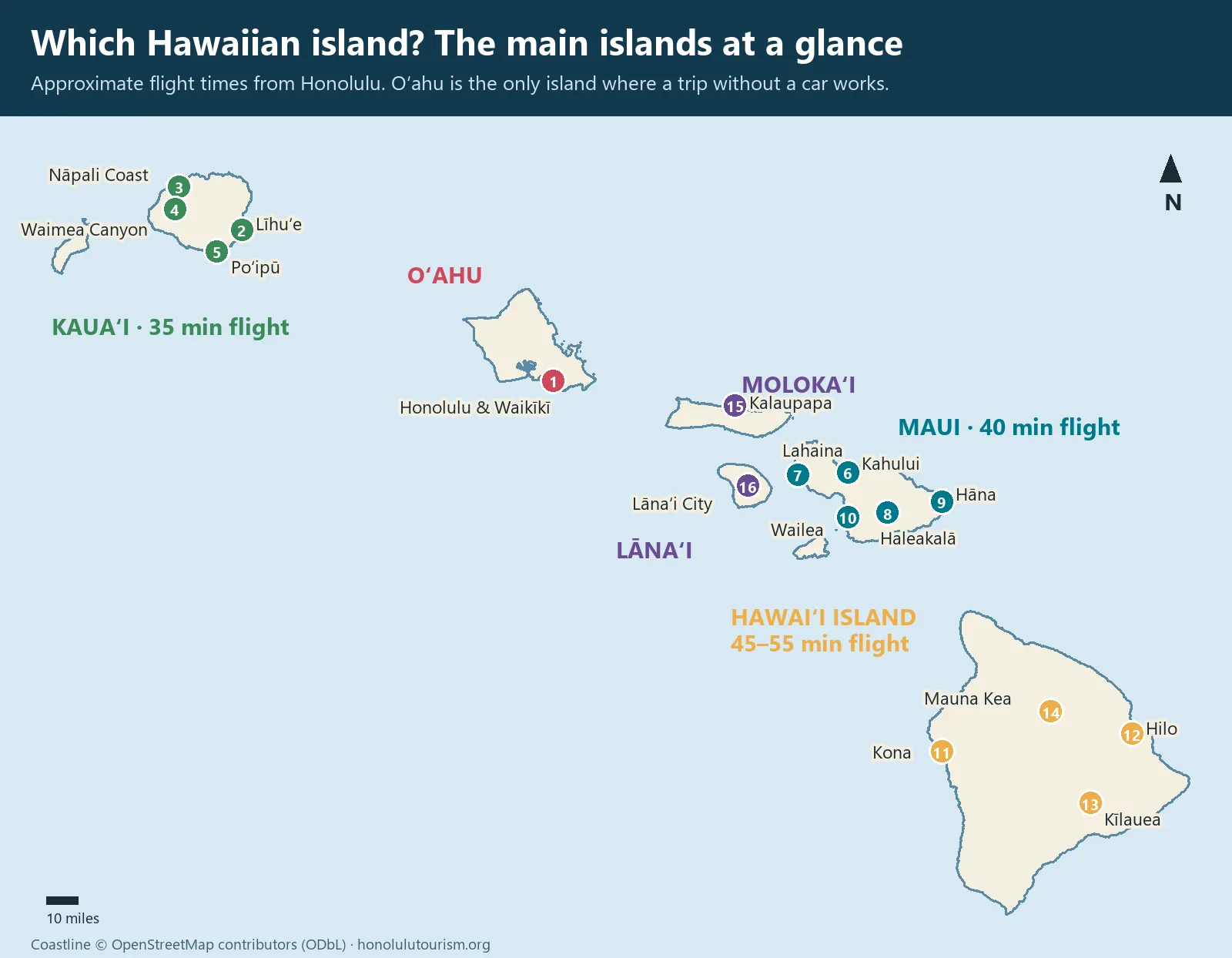
The four main islands in one paragraph each
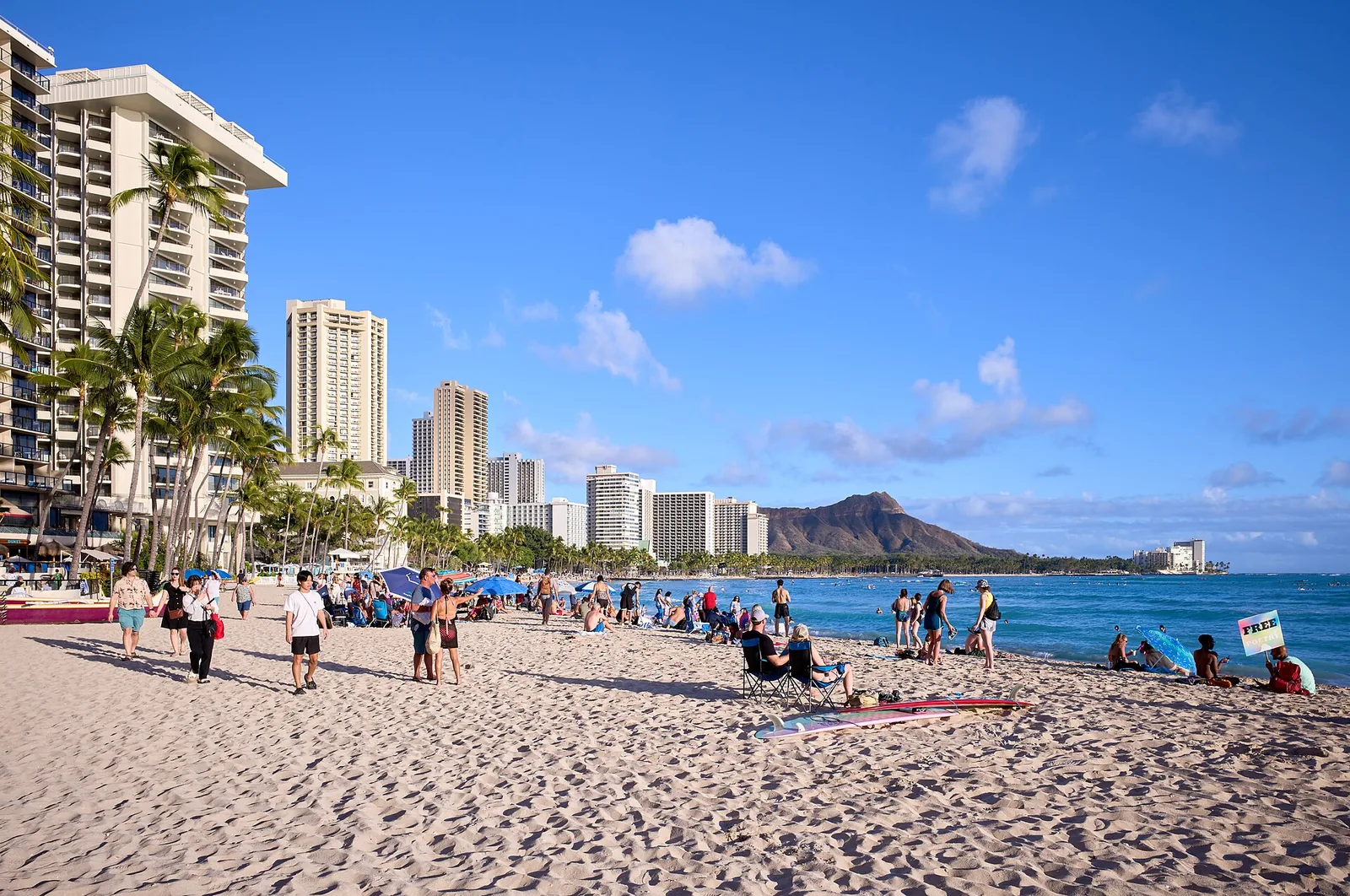
Oʻahu is home to roughly two-thirds of Hawaiʻi’s population and to Honolulu, a real city with a real food scene, museums, nightlife and traffic. Waikīkī is dense and busy; the North Shore and windward coast, an hour away, are rural and beautiful. It has the most flights, the widest range of hotels, the most history (ʻIolani Palace, Pearl Harbor, the Bishop Museum) and the only public transport network in the state that works for a visitor.
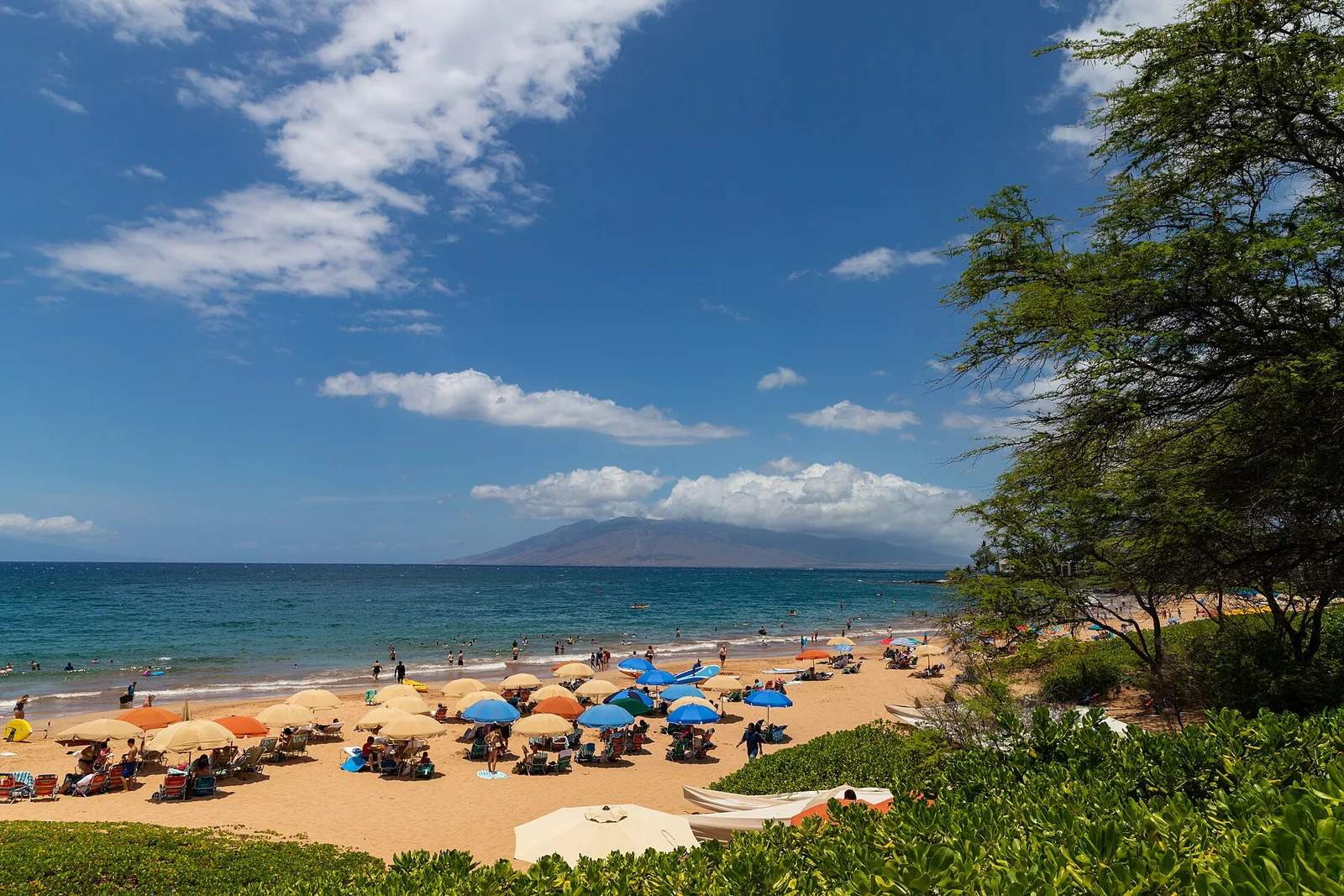
Maui is the classic resort island, built around the sunny, sheltered beaches of Kāʻanapali, Kapalua, Kīhei and Wailea, with Haleakalā’s summit crater and the Road to Hāna as its great excursions. From December to March it is the best place in Hawaiʻi to see humpback whales. It is more expensive than Oʻahu, you need a car, and West Maui is still recovering from the August 2023 Lahaina fire.
Hawaiʻi Island, usually called the Big Island, is larger than all the other islands combined. It has active volcanoes, snow-capped summits in some winters, black- and green-sand beaches, Kona coffee farms, and some of the most important historic and sacred sites in Hawaiʻi. The distances are big, the weather varies wildly from one side to the other, and it rewards people who like to drive and explore.
Kauaʻi is the oldest and greenest of the main islands, with the Nāpali Coast’s cliffs, Waimea Canyon, and a pace that makes Maui seem busy. It is ideal for hikers, kayakers and people who want quiet. It is also the wettest, has the fewest flights and, as of September 2026, is in the early stages of recovery from Hurricane Lowell.
Current conditions, September 2026
Kauaʻi. Hurricane Lowell passed close to the islands on 7–8 September. As of 15 September, all Kauaʻi state parks were closed until further notice, the roads to Kōkeʻe and Waimea Canyon were still being cleared, Kūhiō Highway from Princeville to Keʻe Beach was open to local traffic only, and power had been restored to more than 80 per cent of affected areas. By DLNR’s update of 13 October, Hāʻena State Park was reopening on 15 October and Wailua River State Park had partly reopened, but Kōkeʻe Road, all Kauaʻi camping and the other Kauaʻi state parks remained closed. The Hawaiʻi Tourism Authority is encouraging travellers with imminent Kauaʻi plans to reschedule or switch to another island rather than cancel. If your trip is in the next few weeks, check county and state updates before you fly. Later in the year, the picture should be very different.
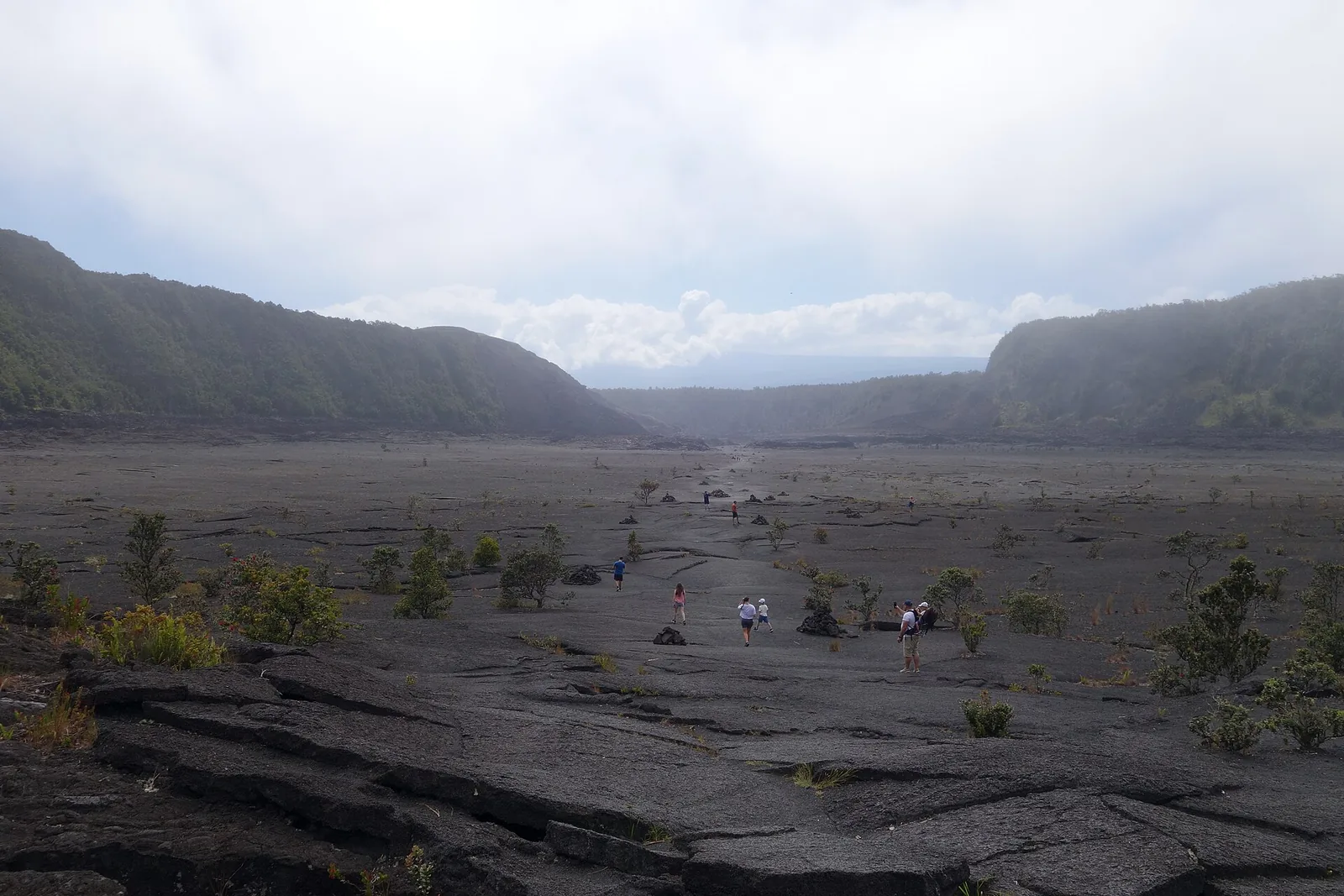
Hawaiʻi Island. Kīlauea has been erupting episodically at its summit since December 2024, with 54 lava-fountaining episodes so far. Each episode typically lasts less than 12 hours, with pauses of two weeks or more in between. In the week to 15 September, overflows and new vents signalled that episode 55 was building, and the USGS alert level stood at WATCH. The eruption site itself is closed, but viewpoints on the caldera rim inside Hawaiʻi Volcanoes National Park are open. Check the USGS Hawaiian Volcano Observatory updates and livestreams, and sign up to its Volcano Notification Service if seeing a fountaining episode matters to you. Vog, volcanic smog, is a genuine respiratory risk for people with asthma or heart and lung conditions when winds are light or southerly.
Maui. Visitors are back: Maui welcomed 247,857 visitors in July 2026, up 5.6 per cent year on year. In Lahaina, Front Street reopened to vehicles between Papalaua and Shaw streets on 1 August 2026, but the historic commercial core remains largely empty lots and construction fencing. Many restaurants outside the burn zone are open. Stay out of residential recovery areas, do not photograph damaged homes, and remember that thousands of residents are still rebuilding their lives here.
Oʻahu. Lowell caused flooding and closures, but most state parks reopened within days. The Nuʻuanu Pali Lookout and parts of Kaʻena Point State Park stayed closed, and the Department of Health issued a brown-water advisory for the island’s coastal waters. Check closures before specific outings; our Oʻahu hiking guide lists the current trail situation.
Which Hawaiian island to visit: the scored decision matrix
We have scored each island from 1 (weak) to 5 (excellent) on twelve criteria. These are our editorial judgements, based on the facts in the rest of this guide, not a formula. Do not simply add up the totals: pick the three or four criteria that matter most to you, and look at those rows.
| Criterion | Oʻahu | Maui | Hawaiʻi Island | Kauaʻi |
|---|---|---|---|---|
| Cost (5 = cheapest) | 4 | 2 | 3 | 2 |
| Ease of getting around | 5 | 3 | 2 | 3 |
| Beaches for swimming | 4 | 5 | 3 | 4 |
| Hiking | 4 | 4 | 5 | 5 |
| Nightlife and evenings | 5 | 3 | 1 | 1 |
| Families with children | 5 | 4 | 4 | 3 |
| Reliable dry weather | 4 | 4 | 3 | 2 |
| Accessibility | 5 | 3 | 3 | 2 |
| Flight access | 5 | 4 | 3 | 2 |
| Crowds (5 = quietest) | 2 | 3 | 5 | 4 |
| Food | 5 | 4 | 3 | 3 |
| Culture and history | 5 | 3 | 5 | 3 |
How we scored each criterion
Cost. Oʻahu has by far the widest range of accommodation, from hostels to five-star hotels, and it is the only island where you can skip the rental car. Maui and Kauaʻi have the highest typical resort prices. Hawaiʻi Island’s Kona condos and Hilo guesthouses bring its average down, though the driving adds fuel costs.
Getting around. Oʻahu scores highest because TheBus and the Skyline rail line reach Pearl Harbor, Ala Moana, downtown and most major beaches, at $3.25 a ride or $7.50 a day with a HOLO card. On every other island, a car is essential. Hawaiʻi Island scores lowest because of the distances: Kona to Hilo is a cross-island drive of around two hours each way.
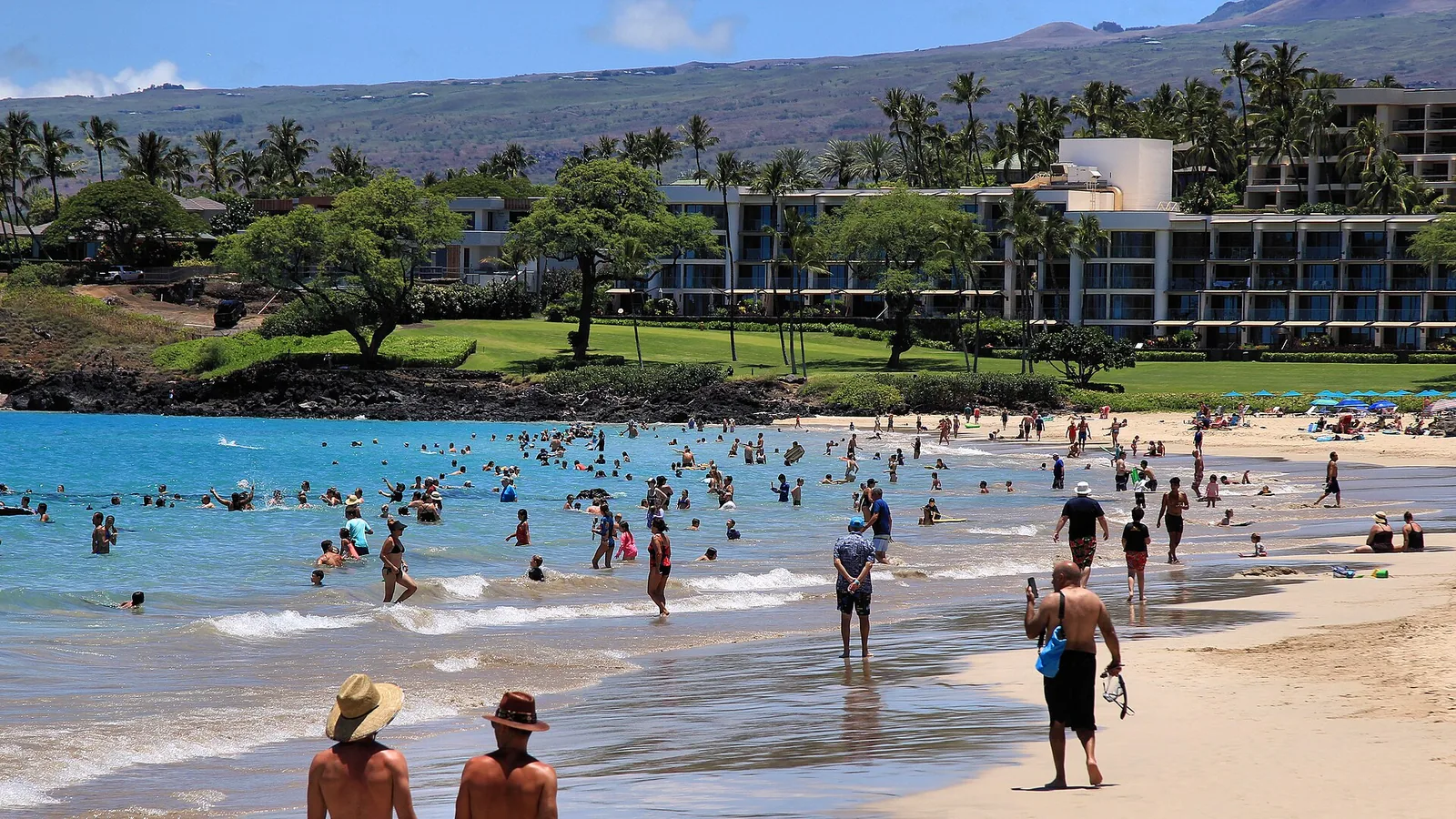
Beaches. Maui’s leeward coast has the best concentration of calm, sandy swimming beaches, particularly in summer. Oʻahu and Kauaʻi both have superb beaches, with strong seasonal surf on their north shores. Hawaiʻi Island’s coast is young lava for much of its length; its great beaches (Hāpuna, Kaunaʻoa) are fewer and further apart.
Hiking. Hawaiʻi Island’s volcano trails and Kauaʻi’s Nāpali and Kōkeʻe routes are world-class. Maui has Haleakalā’s crater trails. Oʻahu’s ridge hikes are excellent and far easier to reach, but more crowded.
Nightlife. Honolulu is the only place in the state with a real bar, music and late-dining scene. Maui has lively resort bars and a few towns with evening life. On Hawaiʻi Island and Kauaʻi, most places are quiet by 9pm.
Families. Oʻahu’s calm lagoons, easy attractions, short drives and range of restaurants make it the least stressful family choice. Maui’s resort beaches come close.
Dry weather. Every island has a dry leeward side and a wet windward side. Honolulu averages only about 17 inches of rain a year at the airport, and Maui’s Kīhei and Wailea coast is similarly dry. Hawaiʻi Island’s Kona side is sunny, while Hilo is one of the wettest cities in the United States. Kauaʻi is the wettest island overall, especially on its north shore in winter.
Accessibility. Oʻahu’s buses are wheelchair-accessible, its attractions are generally well adapted, and Waikīkī is flat. The other islands have fewer accessible transport options and more unpaved access to sights.
Flight access. Honolulu has by far the most nonstop flights from the mainland and internationally. Kahului on Maui is second. Kona, Hilo and Līhuʻe have fewer routes, which often means a connection through Honolulu.
Crowds. Waikīkī and Oʻahu’s famous sights are the most crowded places in Hawaiʻi. Hawaiʻi Island, with its size, is the easiest place to find space.
Food. Honolulu has the deepest restaurant scene in the state, from Native Hawaiian food and poke counters to chef-driven dining; see our Honolulu food guide. Maui has excellent upscale dining. Hawaiʻi Island has Kona coffee, farms and good casual food, but fewer standout restaurants.
Culture and history. Oʻahu has ʻIolani Palace, the Bishop Museum and Pearl Harbor. Hawaiʻi Island has Puʻuhonua o Hōnaunau, Kealakekua Bay, the Merrie Monarch Festival in Hilo and Kamehameha I’s birthplace in North Kohala.
What each island really costs
Across the state, visitors spent an average of $296 a person per day in July 2026, according to the state’s Department of Business, Economic Development and Tourism, and the average stay was 7.59 days. Your own spend depends far more on where you sleep and whether you rent a car than on which island you choose. But the islands do differ in structure.
Accommodation. Statewide, the average hotel room rate in September 2025 was $315 a night, the lowest month of the year. Maui’s and Kauaʻi’s resort areas typically run above that, and Oʻahu’s range is widest. On top of the room rate, expect taxes: on Oʻahu, the state’s Transient Accommodations Tax (11 per cent in 2026, including the new Green Fee), the county’s 3 per cent and the general excise tax pass-on add up to about 18.7 per cent, charged on both the room and any resort fee. The other counties are in a similar range. Waikīkī resort fees typically run $50–60 a night, and hotel parking can add $45 or more.
Transport. This is where Oʻahu saves the most money. Many visitors rent a car only for two or three “drive the island” days and use buses and rideshares the rest of the time. On Maui, Hawaiʻi Island and Kauaʻi, you will need a car for the whole stay, and on Hawaiʻi Island you will drive long distances.
Signature experiences. The table below shows what the defining experiences on each island cost in 2026, where fees are set by the agency or operator.
| Island | Signature experience | 2026 cost | Booking window | Car needed? |
|---|---|---|---|---|
| Oʻahu | USS Arizona Memorial | $1 booking fee | recreation.gov, 8 weeks and 1 day ahead | No; TheBus Route 42 |
| Oʻahu | Hanauma Bay | $25 entry, $3 parking | 48 hours ahead, 7am | Helpful |
| Oʻahu | Diamond Head | $5 per person, $10 per vehicle | Up to 30 days ahead | No; TheBus Routes 2 and 23 |
| Maui | Haleakalā sunrise | $1 reservation plus park entry | recreation.gov, 8 weeks ahead | Yes |
| Maui | Whale watching | Varies by operator | A few days to a week | Helpful |
| Hawaiʻi Island | Hawaiʻi Volcanoes National Park | $30 per vehicle | None | Yes |
| Kauaʻi | Hāʻena State Park and Kalalau trailhead | $5 entry or $10 parking; shuttle $40 | gohaena.com, 30 days ahead (park reopens 15 Oct 2026) | Yes, or shuttle |
Interisland flights. If you combine islands, add a flight. Hawaiian Airlines (now part of Alaska Air Group), Southwest and the small-plane carrier Mokulele fly between the islands. Fares in 2026 typically run $70–120 each way, with sales from $39–69; Honolulu–Kahului at peak times has been $150–300 one way. Tuesdays and Wednesdays are usually the cheapest days. Check baggage fees carefully, because they change and can add significantly to a cheap fare.
Oʻahu: who it suits and who it does not
Choose Oʻahu if this is your first trip, if you want variety within short distances, if you do not want to drive, if you care about history and food, or if you are travelling with children or older relatives. It is also the best island for a short trip of four or five days, because flights are cheapest and nothing is far away. Pearl Harbor alone makes it essential for many travellers; see our Pearl Harbor guide.
Skip Oʻahu, or keep it to a short stopover, if what you want is quiet, a sense of remoteness, or a resort bubble where you never see a traffic jam. Waikīkī is a crowded urban resort. The island’s rural coasts do deliver peace, but you will share the famous spots.
Best base: Waikīkī for first-timers without a car; Kailua or the North Shore for a quieter, beach-focused stay; Ko Olina for a resort feel. Our where to stay on Oʻahu guide compares them. Start planning with our things to do on Oʻahu guide and Oʻahu itinerary.
Maui: who it suits and who it does not
Choose Maui for a beach-and-resort holiday with some big days out: sunrise or sunset at Haleakalā’s 10,000-foot summit, the winding Road to Hāna, snorkelling at Molokini crater and whale watching from December to March. It is the best island for honeymoons in a traditional sense, with luxurious resorts at Wailea and Kāʻanapali, and it is excellent for families who want to stay in one place with a pool and a calm beach.
Skip Maui if you are on a tight budget, if you dislike driving, or if the Road to Hāna’s hundreds of bends and one-lane bridges sound more like an ordeal than an adventure. Some visitors also prefer to give West Maui more time before visiting; if you do go, spend your money with local businesses that are rebuilding.
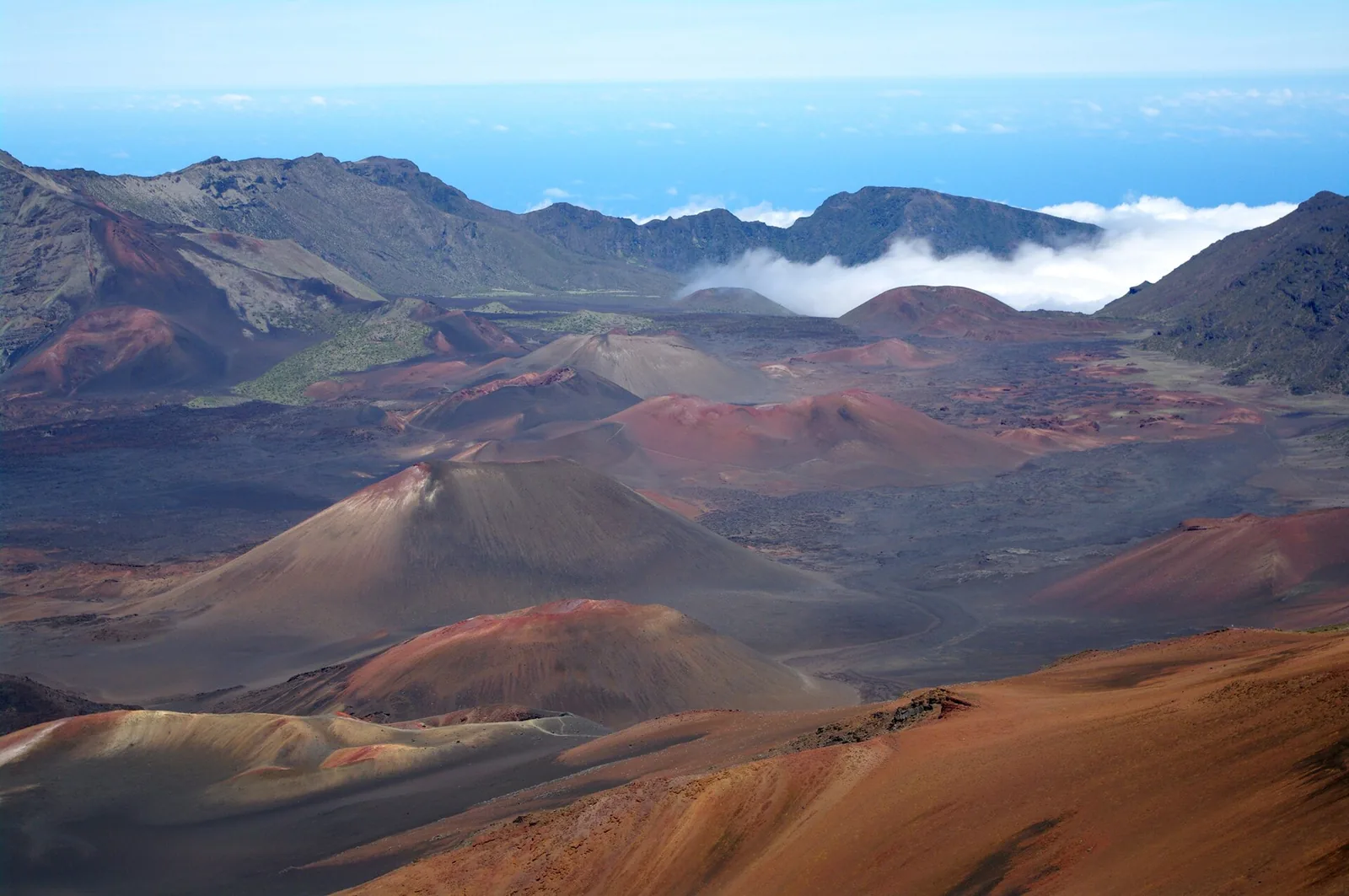
The Haleakalā sunrise requires a reservation for any private vehicle arriving at the summit between 3am and 7am, released on recreation.gov eight weeks ahead. Book the day it opens. The summit is often close to freezing before dawn, whatever the weather at the beach.
Hawaiʻi Island: who it suits and who it does not
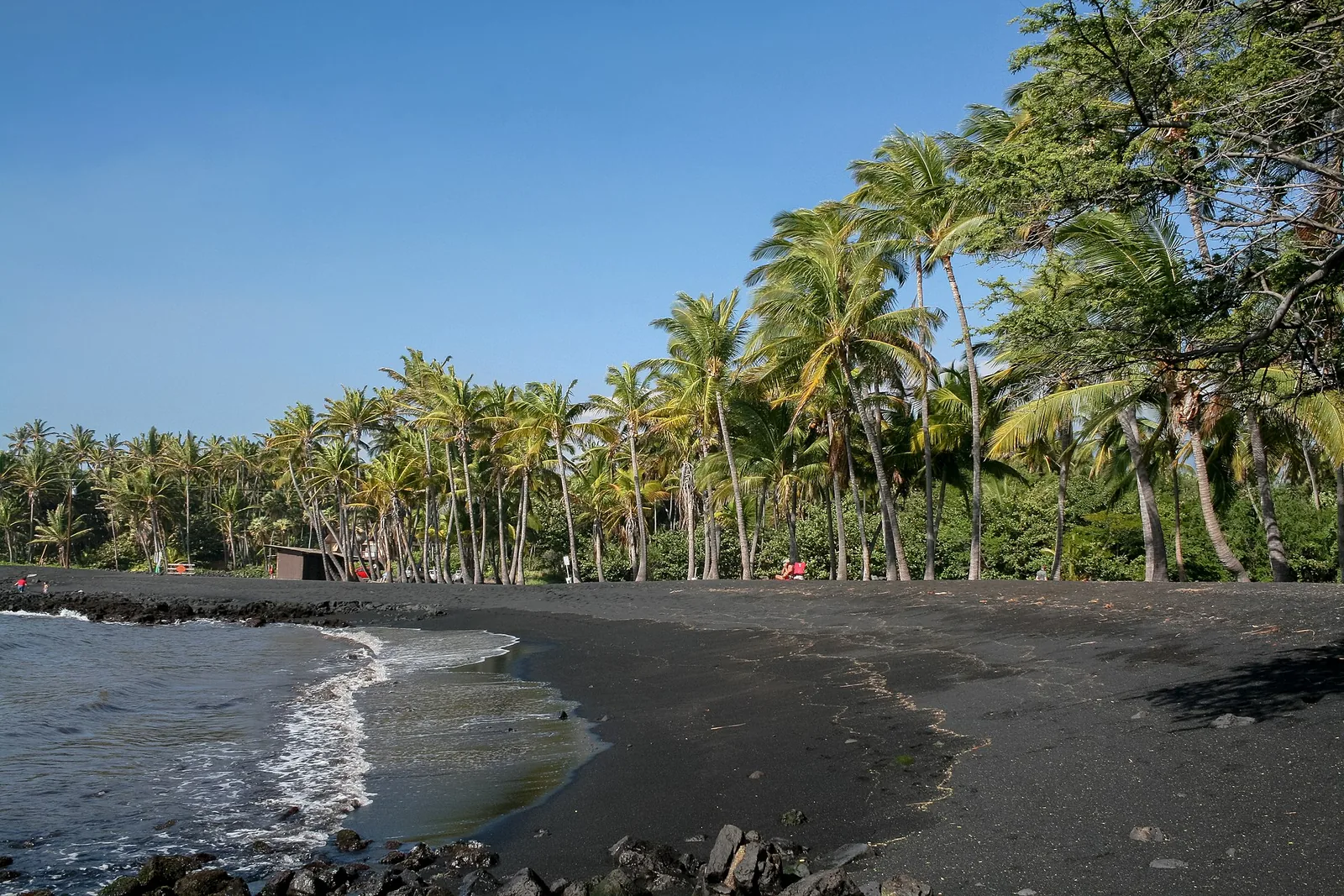
Choose the Big Island if you want to see the land being made. Hawaiʻi Volcanoes National Park ($30 per vehicle, open 24 hours) is the headline, with walks across the floor of Kīlauea Iki crater and, when an episode is under way, the glow of lava fountains visible from the caldera rim. Add a night-time manta ray snorkel off Kona, a drive to the summit area of Mauna Kea for stars, Kona coffee farms, the sacred refuge at Puʻuhonua o Hōnaunau and black-sand beaches such as Punaluʻu, where green sea turtles rest. It suits adventurous travellers, road-trippers, stargazers, divers and anyone interested in Hawaiian history.
Skip it, or plan carefully, if you want an easy beach holiday within a short drive of everything. Plan to split your stay between Kona and Hilo, or accept long day drives. Book volcano-area accommodation near the park if seeing an eruption is a priority, and be ready to change plans at short notice when an episode starts.
Kauaʻi: who it suits and who it does not
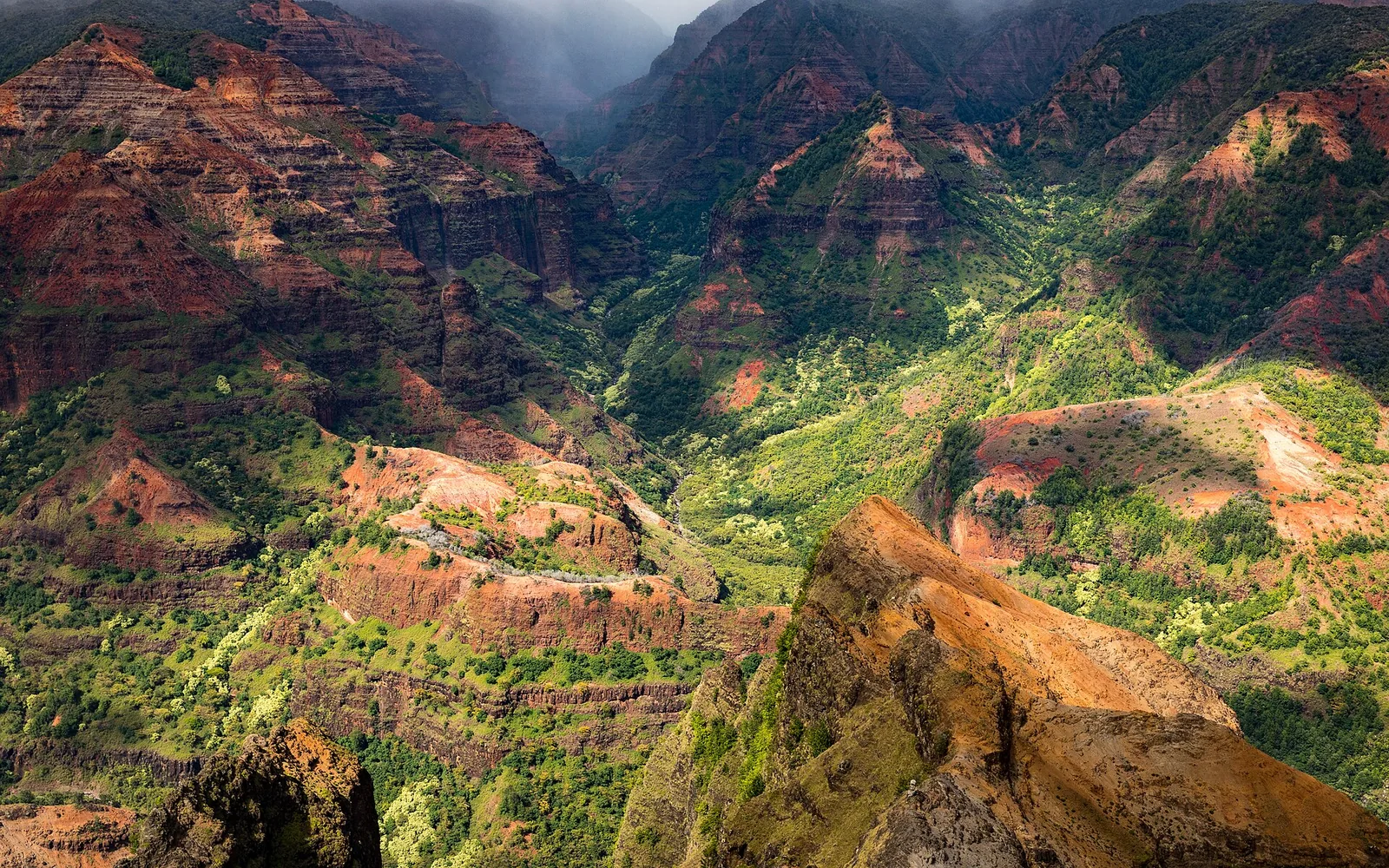
Choose Kauaʻi for scenery and slowness. The Nāpali Coast, seen by boat, helicopter, kayak or on foot along the Kalalau Trail, is the most dramatic coastline in Hawaiʻi. Waimea Canyon’s red and green gorges, Hanalei’s taro fields and bay, and the sunny south-shore beaches at Poʻipū make it an island that rewards a slow week. It suits hikers, couples, photographers and people who want to switch off.
Skip it if you want nightlife, a wide choice of restaurants or guaranteed sunshine, and think twice if your dates are in the next few weeks. Much of the island’s appeal is outdoors in state parks, and as of mid-September those were closed after Hurricane Lowell. Even in normal times, Hāʻena State Park and the Kalalau trailhead require advance reservations on gohaena.com, released 30 days ahead, and the north shore can be cut off by flooding after heavy rain.
Kauaʻi’s beaches also have fewer lifeguards, and some carry powerful currents. Drowning is the leading cause of injury death for visitors across Hawaiʻi; on Kauaʻi in particular, swim only at guarded beaches and ask the lifeguard about conditions.
Molokaʻi and Lānaʻi
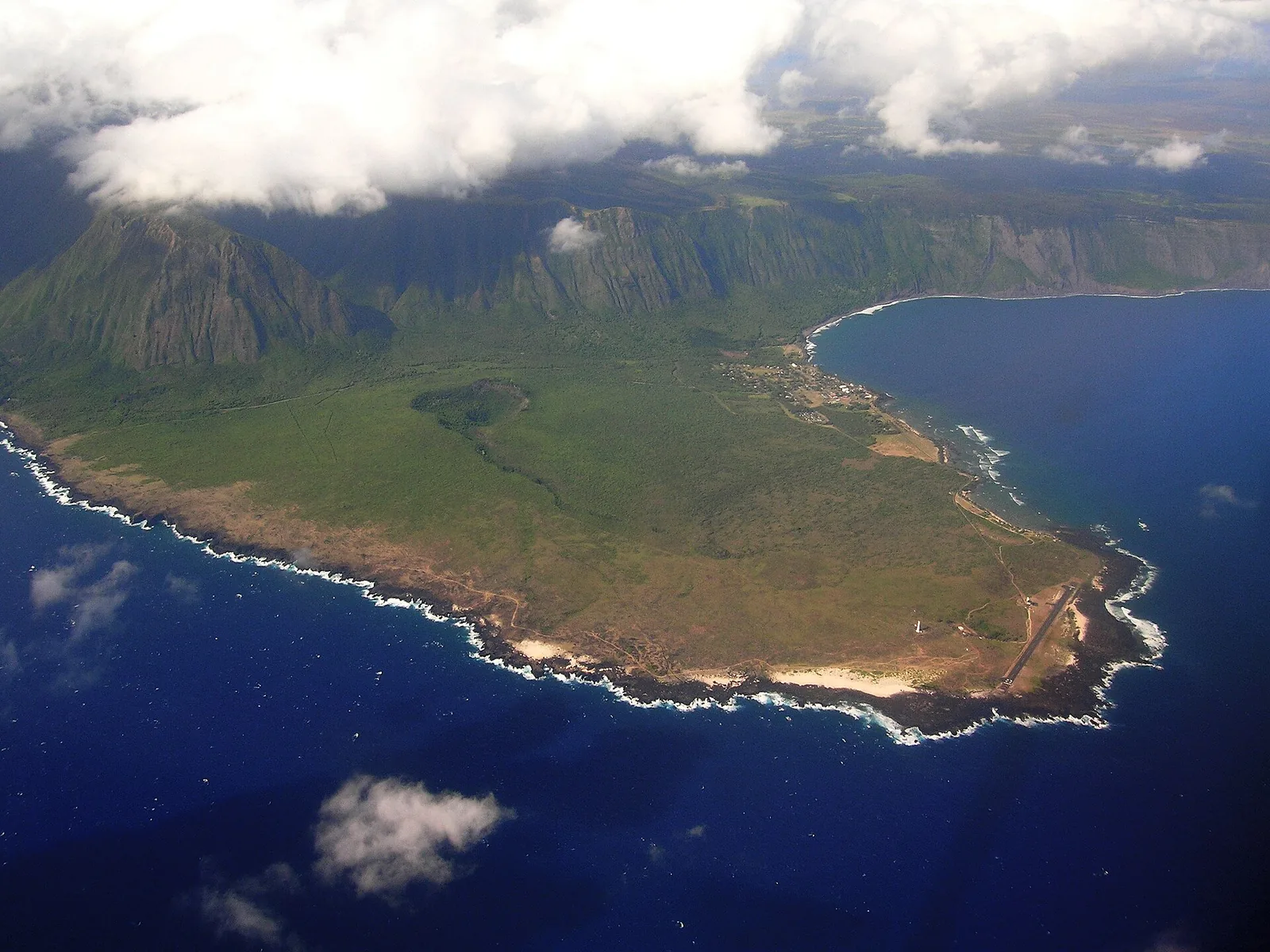
Molokaʻi is the most rural and most Hawaiian of the inhabited islands, with a large Native Hawaiian population, no big resorts and a strong community preference for low-impact tourism. It has the world’s highest sea cliffs on its north coast and the Kalaupapa peninsula, where people with Hansen’s disease were forcibly isolated from the 1860s. Visitor access to Kalaupapa National Historical Park has been heavily restricted in recent years; check with the National Park Service before planning. Molokaʻi is for respectful, independent travellers who want to experience a quiet rural community on its own terms, not a resort holiday. Mokulele flies small planes from Honolulu.
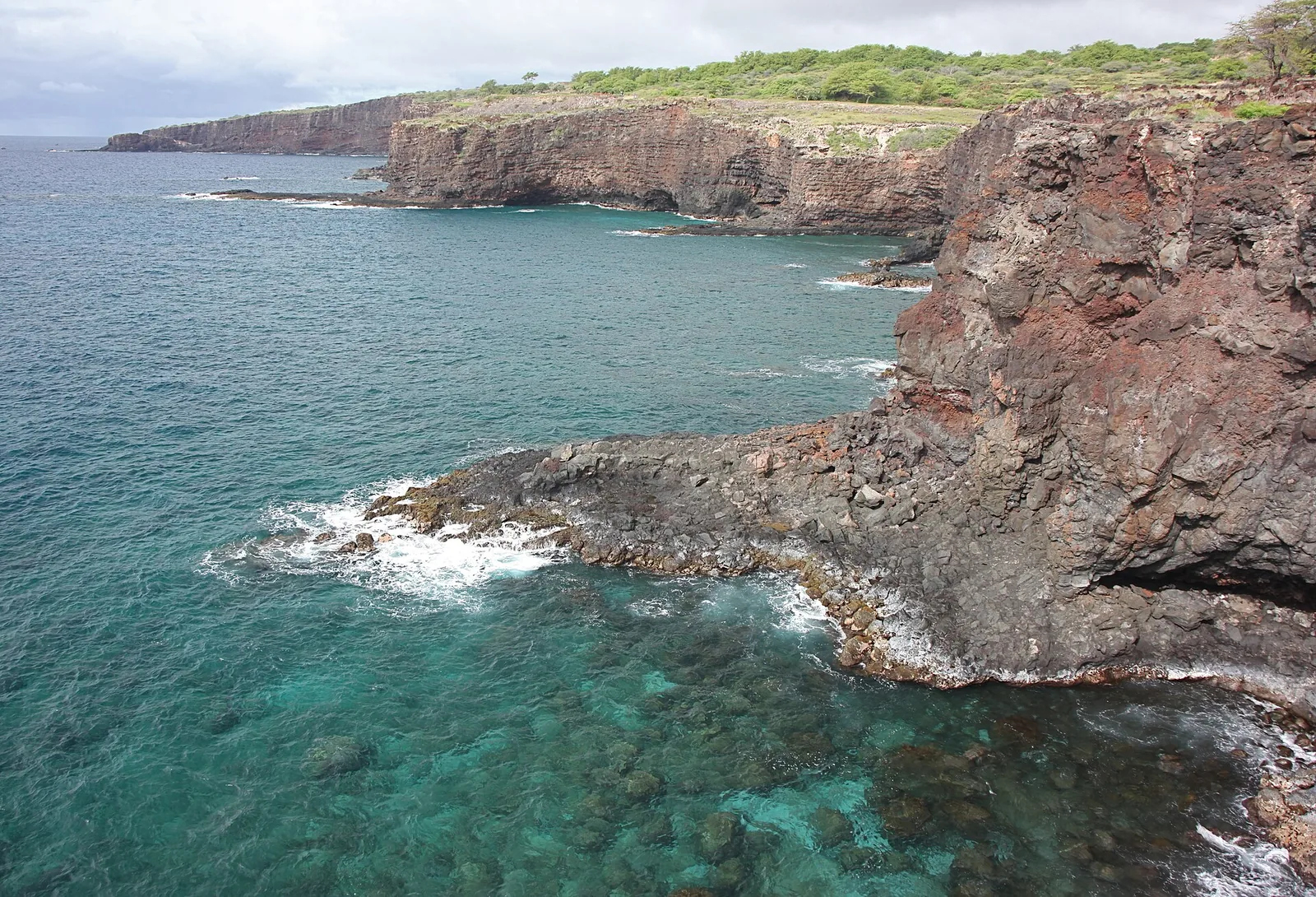
Lānaʻi is a small, mostly privately owned island with around 3,000 residents, two luxury resorts, a single small town and a lot of red-dirt four-wheel-drive tracks. Hulopoʻe Bay, a marine reserve, is one of the best snorkelling and swimming beaches in the state, and spinner dolphins often visit it. Lānaʻi suits a luxury stay or a day trip by passenger ferry from Maui.
Which Hawaiian island to visit for your kind of trip
| Traveller | First choice | Second choice | Why |
|---|---|---|---|
| First-time visitor | Oʻahu | Maui | Variety, easy logistics, history, cheapest flights |
| Honeymoon | Maui | Kauaʻi | Resorts, sunsets, calm beaches; Kauaʻi for seclusion |
| Family with young children | Oʻahu | Maui | Lagoons, short drives, attractions, food choice |
| Hikers | Kauaʻi | Hawaiʻi Island | Nāpali and Kōkeʻe; volcano trails |
| Volcano and science lovers | Hawaiʻi Island | Maui | Kīlauea, Mauna Kea; Haleakalā |
| No driving | Oʻahu | — | The only island with usable public transport |
| Tight budget | Oʻahu | Hawaiʻi Island | Cheapest flights and no car needed; Hilo and Kona condos |
| Beach-only relaxation | Maui | Oʻahu (Ko Olina or North Shore) | Most calm, sunny beaches |
| Culture and history | Oʻahu | Hawaiʻi Island | ʻIolani Palace, Bishop Museum, Pearl Harbor; Hōnaunau, Hilo |
| Food lovers | Oʻahu | Maui | Honolulu’s restaurant scene |
| Whale season (Jan–Mar) | Maui | Oʻahu | Most reliable sightings in the Maui Nui basin |
| Limited mobility | Oʻahu | Maui | Accessible buses, flat Waikīkī, adapted attractions |
| Quiet and remote | Molokaʻi or Kauaʻi | Hawaiʻi Island | Fewest visitors, slow pace |
First-time visitors
Choose Oʻahu for a first trip of a week or less, or Oʻahu plus one other island for ten days or more. Oʻahu gives you Hawaiʻi’s history, its biggest city, famous surf and very good beaches in one place, without the need to drive every day. If you already know you want a resort-and-beach holiday rather than exploring, Maui is the better first choice.
Couples and honeymooners
Maui is the classic choice for good reasons: sunny beaches, sunset dinners and some of the best resorts in the state. Kauaʻi is the romantic’s alternative, quieter and greener, once the island has recovered from Lowell. On Oʻahu, a few nights on the North Shore or at Ko Olina after Waikīkī gives a couple both energy and peace.
Families
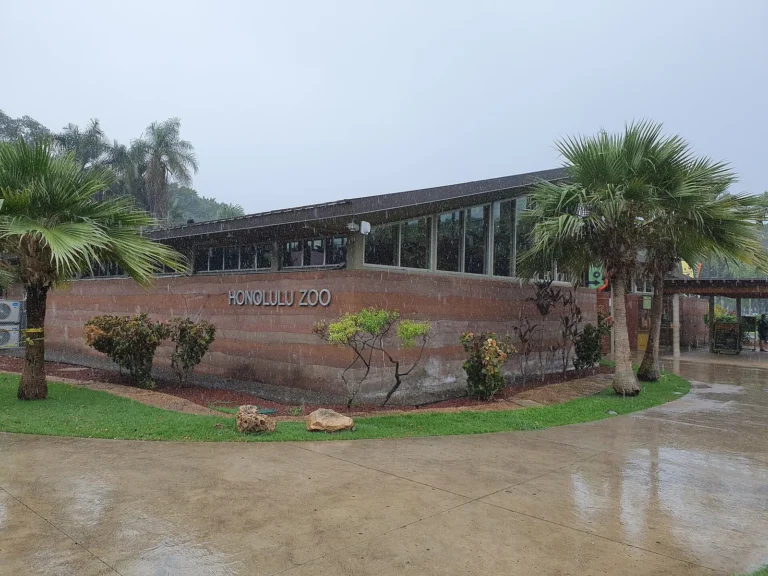
Oʻahu wins on logistics: short drives, the Ko Olina lagoons, Waikīkī’s gentle surf-lesson waves, the aquarium and zoo, and every kind of food a fussy child might eat. Maui’s resort beaches are equally good for a pool-and-beach week. Hawaiʻi Island is superb for older children interested in volcanoes, but the long drives can be hard on small ones.
Adventurous travellers
Hawaiʻi Island offers the most variety of adventure, from lava fields to manta rays, while Kauaʻi offers the most dramatic hiking and kayaking. Both need flexibility: volcano activity and north-shore flooding can change plans overnight.
What a week looks like on each island
Lists of sights only go so far. Here is the shape of a well-paced seven days on each of the four main islands, so you can picture the trip rather than the brochure.
A week on Oʻahu
Spend the first three nights in Waikīkī without a car. Walk the beach and take a surf lesson on day one. Visit Pearl Harbor on day two, using a recreation.gov reservation and TheBus. On day three, see ʻIolani Palace and Chinatown, then eat your way through Kapahulu. Pick up a rental car on day four and drive east around Makapuʻu to Kailua, spending two or three nights on the windward side or the North Shore. Use those days for Lanikai, a ridge hike, Kualoa, Haleʻiwa and, in summer, snorkelling at Sharks Cove; in winter, watch the big surf instead. Finish back in Honolulu, or at Ko Olina, before your flight. Nothing is more than an hour’s drive, and you can do the whole week with only three or four days of car hire.
A week on Maui
Base yourself in Kāʻanapali or Wailea and fly into Kahului. Take the first two days slowly on the beach to adjust. On day three, go up Haleakalā for sunrise, having booked your reservation eight weeks earlier, then spend the afternoon in Upcountry Maui, with its farms, ranches and cooler air. On day four, do a morning snorkel trip to Molokini. Day five is the Road to Hāna: leave early, stop at waterfalls and lookouts, and turn back in good time rather than driving the unpaved back road in a rental car. Keep days six and seven for whale watching in season, a lūʻau and the beach. Expect to drive most days, and budget for resort prices.
A week on Hawaiʻi Island
Split the week. Fly into Kona and spend three nights on the sunny west side: snorkel at Kealakekua Bay or Two Step, visit Puʻuhonua o Hōnaunau, tour a Kona coffee farm, and do a night manta ray snorkel. On day four, drive across the island via the Saddle Road, stopping at the Mauna Kea visitor area if conditions allow, to Hilo. Spend two nights near Hilo or in Volcano village, giving yourself a full day and an evening in Hawaiʻi Volcanoes National Park, plus a morning at Hilo’s farmers market and waterfalls. On day seven, return along the south coast via Punaluʻu’s black-sand beach. It is a lot of driving, but every day looks different.
A week on Kauaʻi
Once the island has recovered, split your stay between Poʻipū on the sunny south shore and Princeville or Hanalei on the north. From Poʻipū, drive up to Waimea Canyon and Kōkeʻe for the lookouts and a hike, and take a Nāpali Coast boat tour from the west side in summer. Move north for the second half: Hanalei Bay, the taro fields, and a day at Hāʻena State Park with a reserved entry, walking the first two miles of the Kalalau Trail to Hanakāpīʻai Beach (do not swim there; the currents are lethal). Leave a day for kayaking the Wailua River. Build in slack for rain on the north shore.
Getting there and arriving
Honolulu’s Daniel K. Inouye International Airport (HNL) has the most nonstop flights from the mainland United States, Canada, Japan, Korea and Australia. Kahului (OGG) on Maui has a good range of mainland flights, while Kona (KOA), Hilo (ITO) and Līhuʻe (LIH) have fewer, which often means connecting in Honolulu.
Arriving at HNL is easier than it used to be. Since October 2025, the Skyline rail line has had a station, Lelepaua, connected to the terminals by pedestrian bridges, with the W Line bus onward to Waikīkī for a single $3.25 fare. The free Wiki Wiki shuttle links the terminals around the clock, and the consolidated rental car facility is reached by free electric shuttles from baggage claim.
Two practical rules apply whatever island you choose. Travellers entering the United States under the Visa Waiver Program need an approved ESTA, which costs $40.27 from 1 January 2026. And domestic flights, including interisland hops, require a REAL ID-compliant licence or a passport; travellers without compliant ID can use TSA’s ConfirmID identity check for a $45 fee.
Responsible travel on every island
Hawaiʻi’s islands are small places carrying a very large number of visitors, and residents’ patience varies by island and by season. A few habits make a real difference wherever you go.
Mālama and kuleana. Mālama means to care for; kuleana means responsibility. They are the right frame for any trip here. In practice, that means staying on trails, following closures, and leaving places as you found them.
The Green Fee. Hawaiʻi is the first US state to add a climate-focused fee to visitor lodging taxes, raising the Transient Accommodations Tax from 10.25 to 11 per cent from 1 January 2026. The money is intended for environmental protection and resilience. You will pay it automatically on your hotel bill.
Sunscreen. Sunscreens containing oxybenzone and octinoxate cannot be sold anywhere in Hawaiʻi. On Maui, only mineral sunscreens may be sold or used. The simplest approach on any island is a mineral sunscreen and a rash guard.
Wildlife. Stay 10 feet from green sea turtles and 50 feet from Hawaiian monk seals (150 feet from a mother and pup). Do not swim with or approach spinner dolphins within 50 yards.
Sacred and private places. Kapu means forbidden or sacred: do not enter. Do not stack rocks, take lava rock or sand, or geotag places that local people have deliberately kept off the internet.
Communities in recovery. On Maui and, this autumn, Kauaʻi, spend with local businesses, respect closures, and keep out of residential recovery areas.
Common mistakes when choosing an island
Choosing on photographs alone. The most famous images of Kauaʻi’s Nāpali Coast are taken from helicopters and boats; those of Kīlauea often show lava that may not be flowing when you visit. Choose on what you will actually do each day.
Underestimating driving. The Big Island is enormous, the Road to Hāna is slow, and Honolulu’s rush hours are among the worst in the country. Build realistic drive times into your plans.
Ignoring the season. Winter surf closes north-shore snorkelling on every island; Kauaʻi’s north shore is at its wettest; Maui’s whales are there only from December to May. Match the island to the month.
Assuming “Oʻahu is just Waikīkī”. Waikīkī is a crowded urban strip. An hour away, the North Shore and windward coasts are as rural and beautiful as parts of the neighbour islands.
Trying to see everything. Four islands in ten days means four days lost to travel. Choose one or two, and go deeper.
Combining islands: how many and how long
The most common mistake is trying to see too much. Every island change costs most of a day: checking out, returning a car, security, a flight, collecting a new car and checking in again.
- Five to seven days: one island. Seriously.
- Eight to eleven days: two islands, with at least four nights on each.
- Twelve to sixteen days: two islands comfortably, or three if you like being on the move.
- Classic pairs: Oʻahu and Maui for a first trip; Oʻahu and Hawaiʻi Island for history and volcanoes; Maui and Kauaʻi for scenery and resorts, once Kauaʻi has recovered.
Start on Oʻahu if you are flying from far away. It usually has the cheapest and most direct flights, Honolulu’s airport now connects to the city by Skyline rail, and a few easy days there are a gentle way to recover from jet lag before moving to an island where you will need to drive. Our getting around Oʻahu guide explains the rail and bus links from the airport.
When to go, island by island
September is generally the best month to visit Hawaiʻi overall, with late April to May a close second: warm weather, lower hotel rates and fewer crowds. The busiest periods are mid-December to March and July to August. Hurricane season runs from June to November; direct hits are rare, but this year has been a reminder that storms can still disrupt trips.
Winter brings big surf to north-facing shores on every island, and more rain, especially on Kauaʻi and the windward sides. It is also whale season, which favours Maui. Summer brings calm north-shore water and the best conditions for Kauaʻi’s Nāpali Coast boat tours. Our guide to the best time to visit Hawaiʻi goes month by month, and our Hawaiʻi trip planning guide covers flights, budgets and booking windows.
Our verdict
If you cannot decide and this is your first trip: go to Oʻahu for five or six nights, spending the first half in Waikīkī and the second on the North Shore or windward side, then add Maui if you have more time. You will see the widest range of what Hawaiʻi is, from its history and its city to its surf and its quiet coasts, with the least time spent in cars and airports.
If you have been before, or you already know that you want space, drama and wild landscapes more than convenience, go to Hawaiʻi Island or, once it has recovered, Kauaʻi. If you want a week of sunshine, a calm beach and a beautiful resort, and cost is not the deciding factor, go to Maui.
Whichever island you choose, the same rules apply everywhere: respect ocean conditions and swim near lifeguards, keep your distance from turtles and monk seals, treat places marked kapu as off-limits, and remember that you are a guest in someone’s home.
Frequently Asked Questions
How do I decide which Hawaiian island to visit first?
Decide what matters most: ease and variety, resort beaches, volcanoes or remote scenery. For ease, variety, history and cheaper flights, choose Oʻahu. For resort beaches and whale watching, choose Maui. For volcanoes and adventure, choose Hawaiʻi Island. For dramatic, quiet scenery and hiking, choose Kauaʻi. Most first-time visitors are happiest starting with Oʻahu, then adding a second island.
Which Hawaiian island is the cheapest to visit?
Oʻahu is usually the cheapest overall. It has the most flights, the widest range of accommodation and the only public transport system that works for visitors, so you can avoid renting a car for most of your stay. Hawaiʻi Island can also be affordable, with good-value condos in Kona and Hilo, but long drives add fuel costs. Maui and Kauaʻi are typically the most expensive.
Is it safe to visit Kauai after Hurricane Lowell?
As of 15 September 2026, Kauaʻi was in recovery. All state parks were closed until further notice, some roads were still being cleared, and power was restored to more than 80 per cent of affected areas. The Hawaiʻi Tourism Authority advised travellers with near-term plans to reschedule or visit another island rather than cancel. Check official county and state updates before travelling.
Can you see lava on the Big Island right now?
Kīlauea has been erupting in episodes since December 2024, with 54 lava-fountaining episodes by mid-September 2026. Episodes usually last under 12 hours, separated by pauses of two weeks or more, so timing is luck. The eruption site is closed, but viewpoints on the caldera rim in Hawaiʻi Volcanoes National Park are open. Follow USGS Hawaiian Volcano Observatory updates for the latest.
How many Hawaiian islands should I visit in one trip?
For a week or less, visit one island. For eight to eleven days, two islands work well with at least four nights on each. For two weeks, two islands are comfortable and three are possible. Every island change uses most of a day for checkout, flights and car rental, so fewer islands usually means more time enjoying them.
Do I need a car on every Hawaiian island?
You need a car on Maui, Hawaiʻi Island, Kauaʻi, Molokaʻi and for most of a stay on Lānaʻi. Oʻahu is the exception: TheBus and Skyline reach Pearl Harbor, downtown Honolulu, Diamond Head and many beaches for $3.25 a ride, capped at $7.50 a day with a HOLO card. Many visitors rent a car on Oʻahu for just two or three days.
Photo Credits
- Map of the main Hawaiian islands: honolulutourism.org, coastline data © OpenStreetMap contributors (ODbL)
- Waikīkī Beach and Diamond Head: Frank Schulenburg, CC BY-SA 4.0
- Wailea Beach, Maui: dronepicr, CC BY 2.0
- Haleakalā crater: lamoix, CC BY 2.0
- Kīlauea Iki crater: Relativity, CC BY-SA 4.0
- Hāpuna Beach: Larry D. Moore, CC BY 4.0
- Waimea Canyon, Kauaʻi: Frank Schulenburg, CC BY-SA 4.0
- Kalaupapa peninsula, Molokaʻi: Forest & Kim Starr, CC BY 3.0
- Hulopoʻe Bay coastline, Lānaʻi: Steve Jurvetson, CC BY 2.0
- Punaluʻu black sand beach (featured image): Diego Delso, CC BY-SA 3.0