Planning a trip to Hawaii in 2026 means dealing with three costs and one rule that most checklists still miss. The state’s new Green Fee pushed the lodging tax to 11 per cent in January, before county and excise taxes are added on top. The US visa-waiver ESTA now costs $40.27, nearly double what it did a year ago. Kauaʻi’s Hāʻena State Park, the gateway to the Nāpali Coast, sells its entry reservations exactly 30 days ahead at midnight Hawaiʻi time. And every adult on a domestic flight has needed a REAL ID or a passport since May 2025. None of this is difficult once you know it’s coming. Below is the whole plan in one place: how to choose your islands, a timeline from twelve months out to the day you fly, every booking deadline that matters, a line-by-line look at what things really cost, and the documents, rules and risks worth knowing before you go.
Planning a trip to Hawaii: the short version
If you read nothing else, these are the decisions that shape everything, in the order to make them.
- Choose your islands. For a first trip of a week, one island is plenty; for ten days to two weeks, two islands work well. Oʻahu plus Maui is the classic pairing.
- Choose your dates. September, then late April and May, give the best mix of weather, prices and space. Mid-December to March brings whales and giant surf, and peak prices.
- Book the fixed-window reservations. Pearl Harbor 56 days ahead, Haleakalā sunrise eight weeks ahead, Diamond Head and Hāʻena 30 days ahead, and Hanauma Bay 48 hours ahead.
- Budget for the all-in price. Resort fees, parking and roughly 18.7 per cent in lodging taxes on Oʻahu can add a third or more to a hotel’s headline rate.
- Check your documents. A REAL ID or passport for domestic flights, and a passport plus ESTA or visa if you’re coming from abroad.
Step 1: choose your islands
Hawaiʻi has six main islands open to visitors, and they are very different places. Interisland flights from Honolulu take roughly 35 to 50 minutes, but each island hop costs you most of a day once you’ve packed, checked out, flown and collected a car. Choose the islands that suit how you like to travel, not the ones with the best photographs.
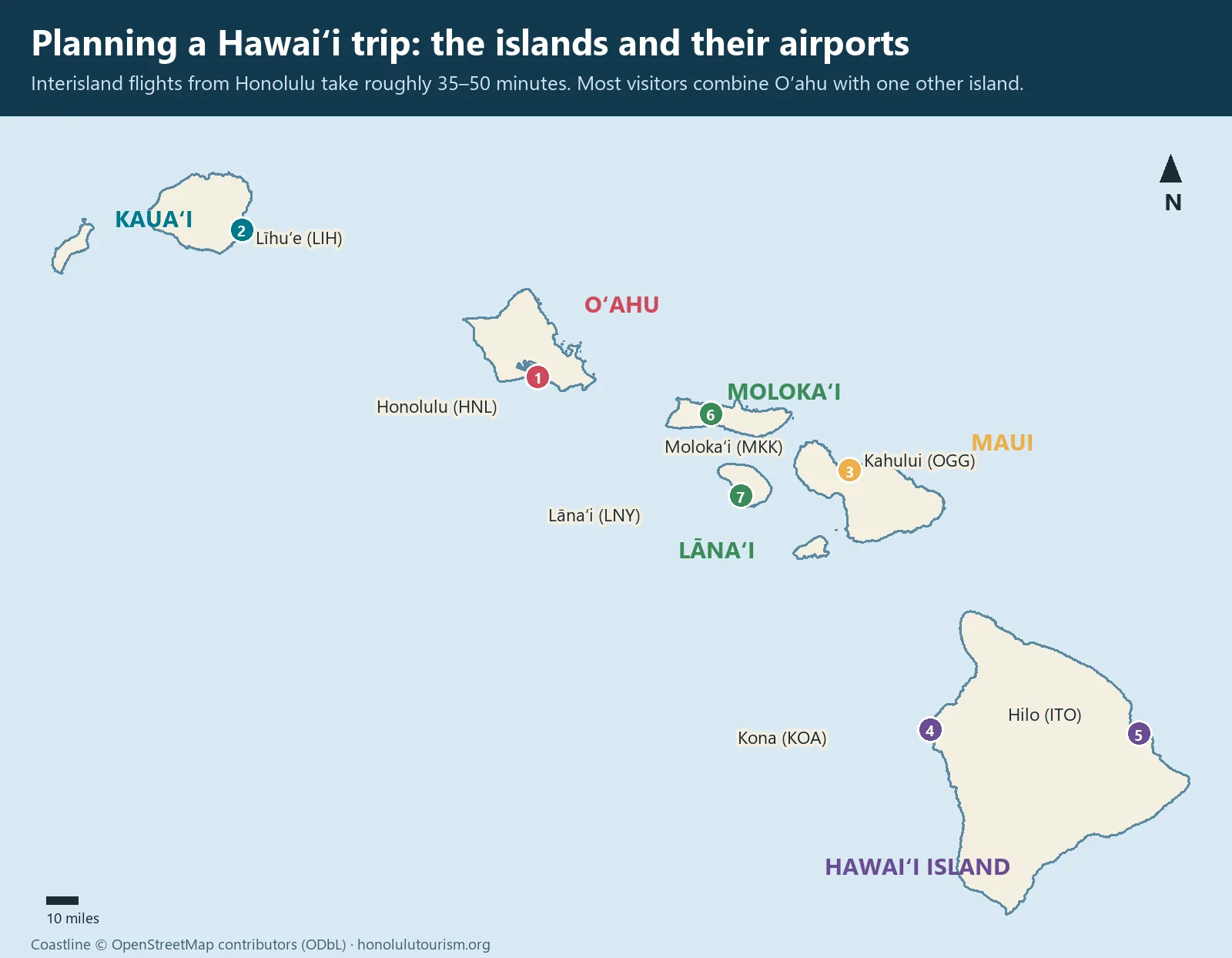
| Island | Character | Best for | Car needed? | Key booking |
|---|---|---|---|---|
| Oʻahu | City, history, famous beaches | First-timers, car-free trips, surf | No | Pearl Harbor, 56 days ahead |
| Maui | Resorts, whales, a volcano summit | Couples, whale season, road trips | Yes | Haleakalā sunrise, 8 weeks ahead |
| Kauaʻi | Green, wet, dramatic cliffs | Hikers, nature, slower pace | Yes | Hāʻena State Park, 30 days ahead |
| Hawaiʻi Island | Volcanoes, huge distances | Adventure, astronomy, variety | Yes | Tours and lodges near the volcano |
| Molokaʻi and Lānaʻi | Quiet, rural, few visitors | Repeat visitors, solitude | Yes | Flights and limited rooms |
1. Oʻahu
Oʻahu is where most visitors start, and for good reason. It has Honolulu, Waikīkī, Pearl Harbor, the North Shore’s surf and the windward coast’s beaches within an hour of each other, and it’s the one island where a car-free trip genuinely works, thanks to TheBus, the Skyline rail line and a HOLO card that caps fares at $7.50 a day. It’s also the busiest and most developed island. Choose it for a first visit, for history, for city comforts, or if you don’t want to drive. For ideas, see our list of things to do in Oʻahu and our Oʻahu itinerary.
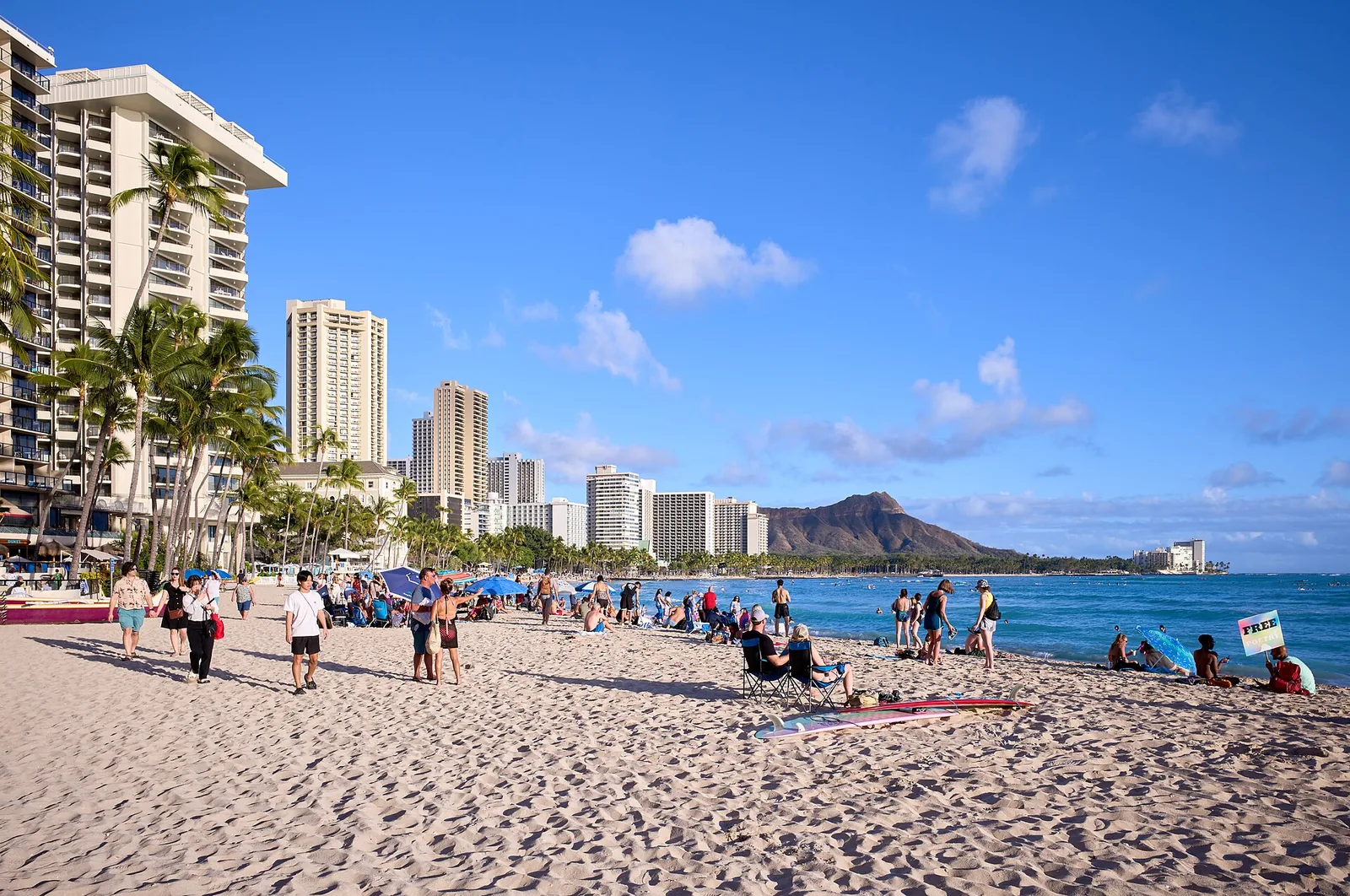
Cost: Pearl Harbor free ($1 booking); Diamond Head $5; Hanauma Bay $25 · Book: Pearl Harbor 56 days ahead; Diamond Head 30 days; Hanauma 48 hours · Bus: TheBus and Skyline island-wide · Allow: 5–7 days
2. Maui
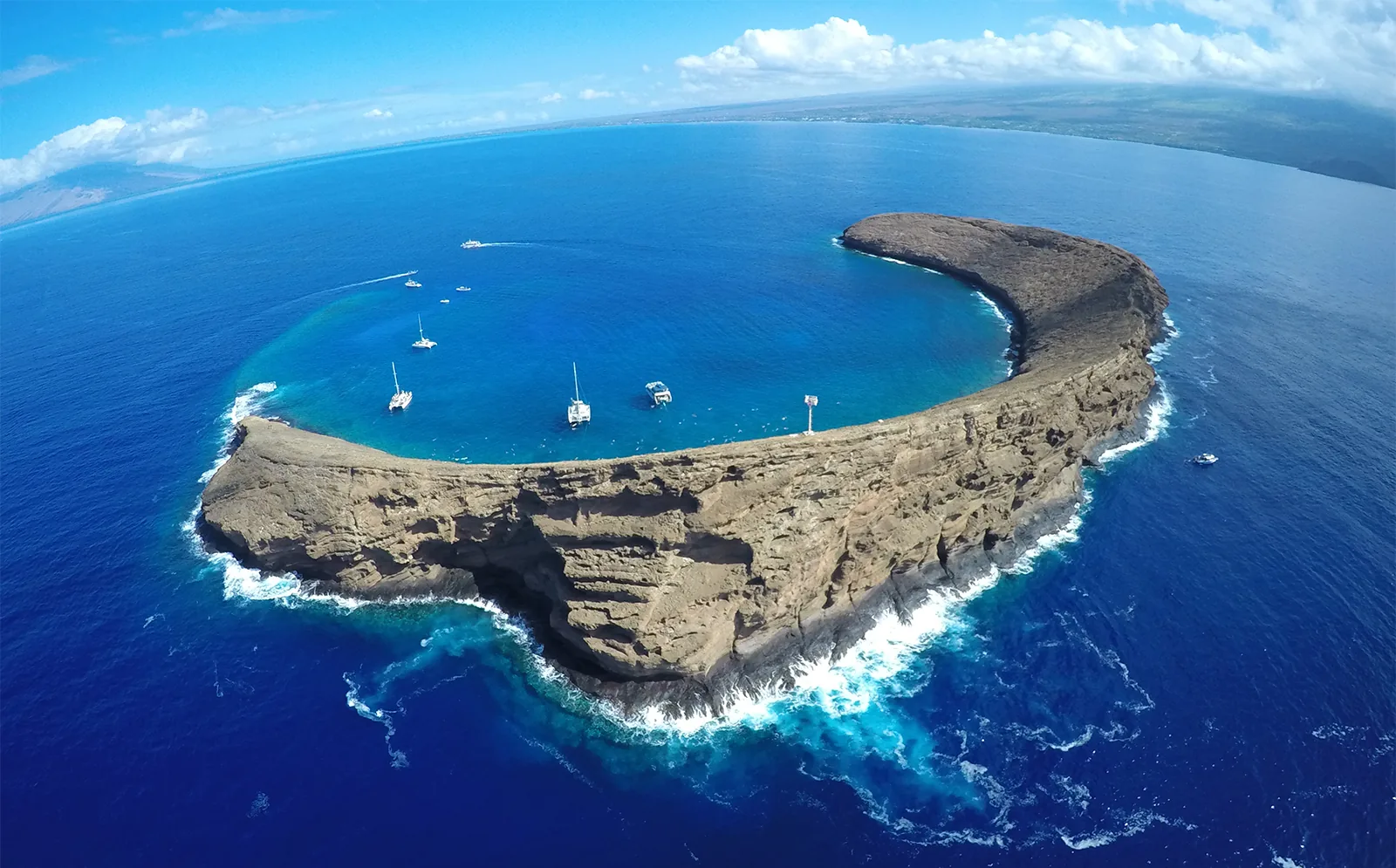
Maui is the island of resorts, road trips and whales. The summit of Haleakalā, at 10,023 feet, is famous for sunrise above the clouds; private vehicles in the summit car parks between 3am and 7am need a reservation from recreation.gov, released eight weeks ahead in ten-day blocks, for a $1 fee plus park entry. The Road to Hāna winds past waterfalls and dozens of one-lane bridges. From December to May, the channels between Maui, Molokaʻi and Lānaʻi hold the densest concentration of humpback whales in the islands, with the peak from January to March. Snorkel trips to Molokini, a sunken crater offshore, leave from the south coast every morning.
West Maui is still rebuilding after the August 2023 wildfire. Visitors are welcome, and many businesses have reopened, but recovery areas are off limits. Treat Lahaina with respect: it is a community in mourning and rebuilding, not an attraction.
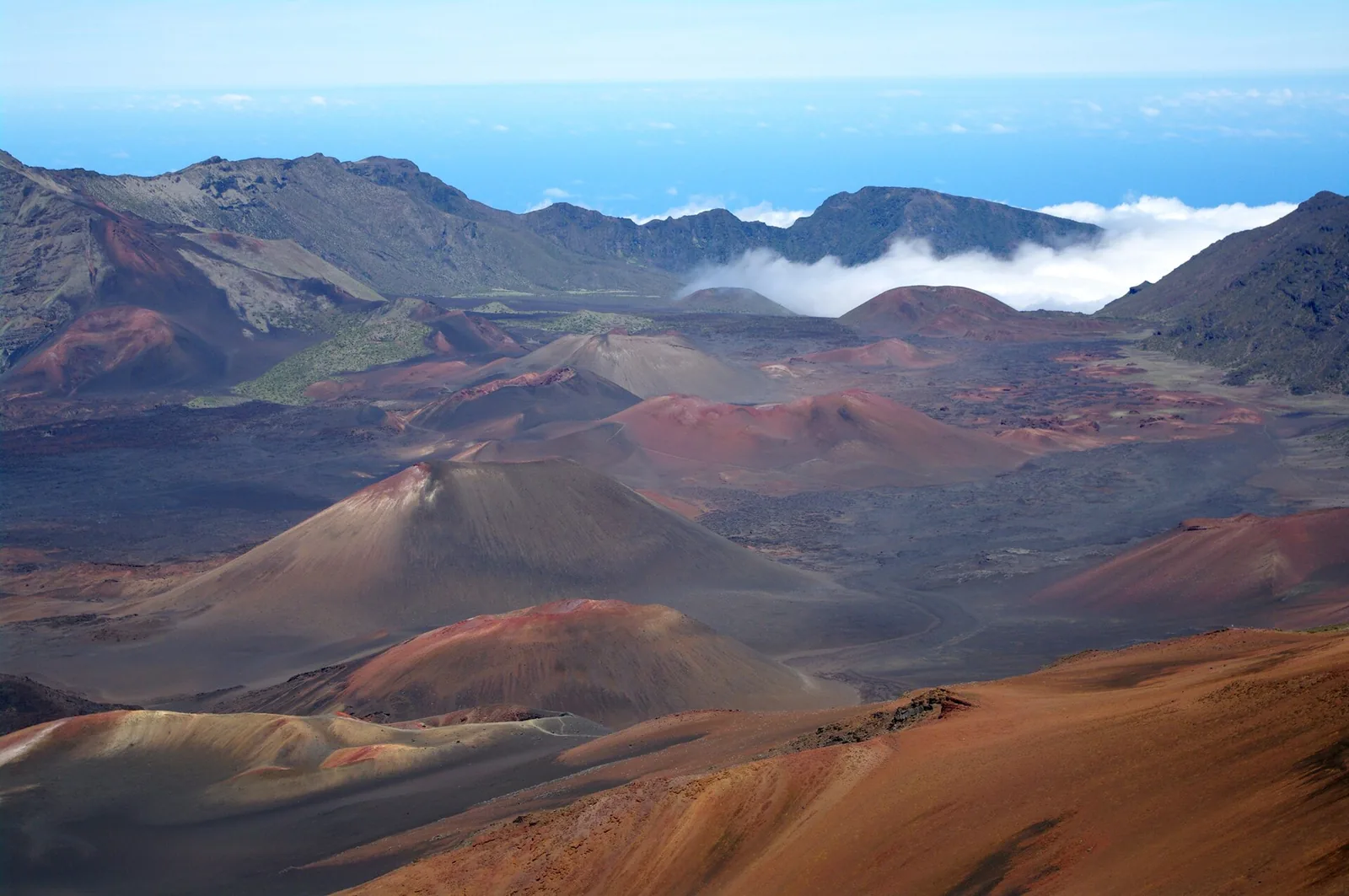
Cost: Haleakalā sunrise $1 plus park entry · Book: sunrise 8 weeks ahead · Drive: Kahului to Haleakalā summit about 1.5–2 hours · Allow: 5–7 days
3. Kauaʻi
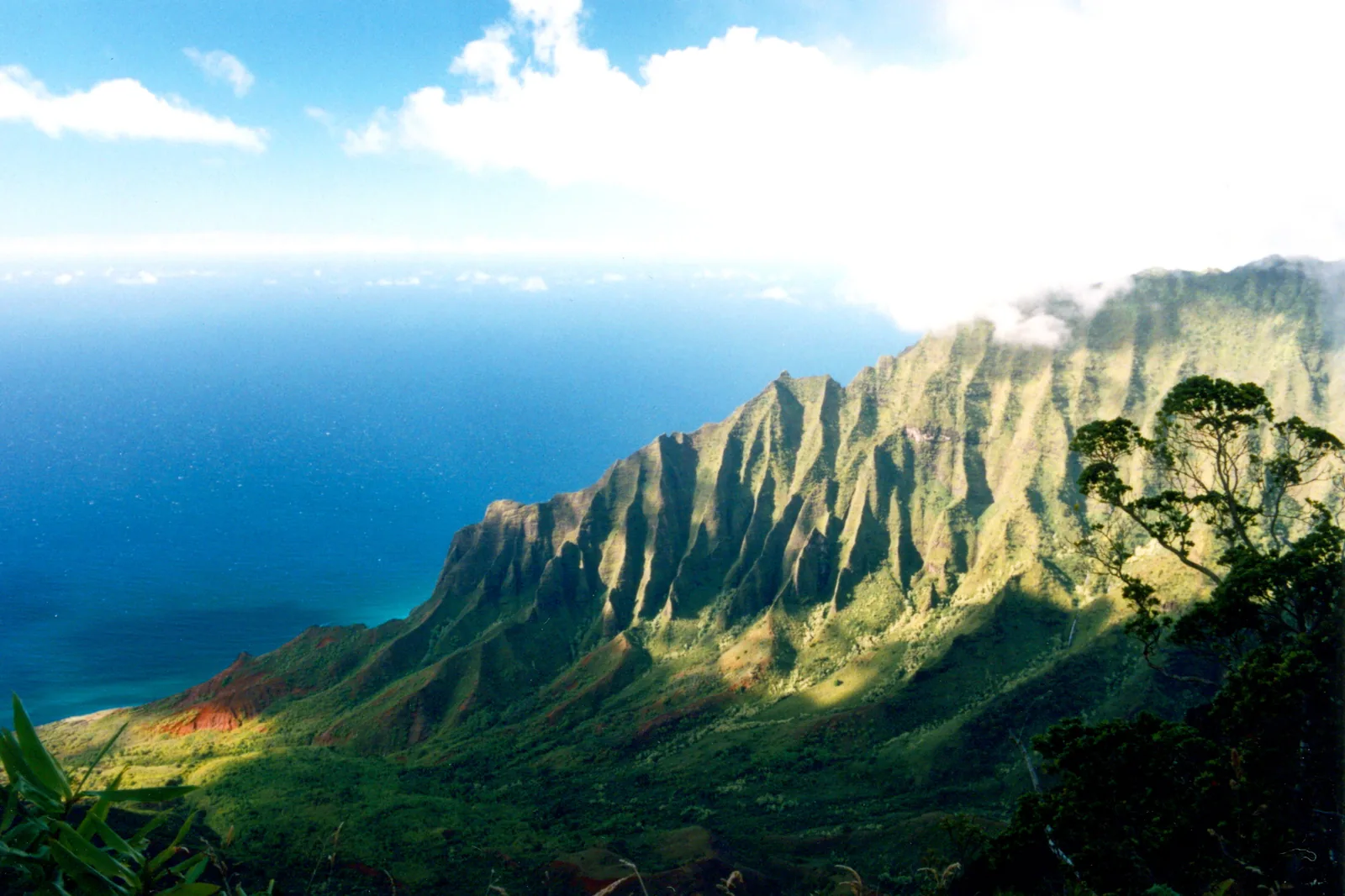
Kauaʻi is the green island: older, wetter and more dramatic than the rest, with the fluted cliffs of the Nāpali Coast and the red gorges of Waimea Canyon, some 3,000 feet deep. It moves at a slower pace, with no building taller than a palm tree, and it suits hikers, kayakers and anyone who wants nature rather than nightlife. The north shore around Hanalei is wet and wild in winter and calm in summer; the south shore at Poʻipū is the sunnier base all year.
The Nāpali Coast’s road-end at Hāʻena State Park is tightly managed. Non-residents need an entry reservation, $5 per person, or a parking reservation, $10 per vehicle, booked at gohaena.com exactly 30 days ahead from midnight Hawaiʻi time. The North Shore shuttle costs $40 for adults. Camping on the Kalalau Trail needs a permit at $35 per person per night for non-residents, and permits sell out fast. Rules here change often, so check the official site before you plan around it.
Cost: Hāʻena entry $5 per person or $10 parking; shuttle $40 · Book: 30 days ahead at midnight HST · Drive: Līhuʻe to Hāʻena about 1–1.5 hours · Allow: 4–7 days
4. Hawaiʻi Island (the Big Island)
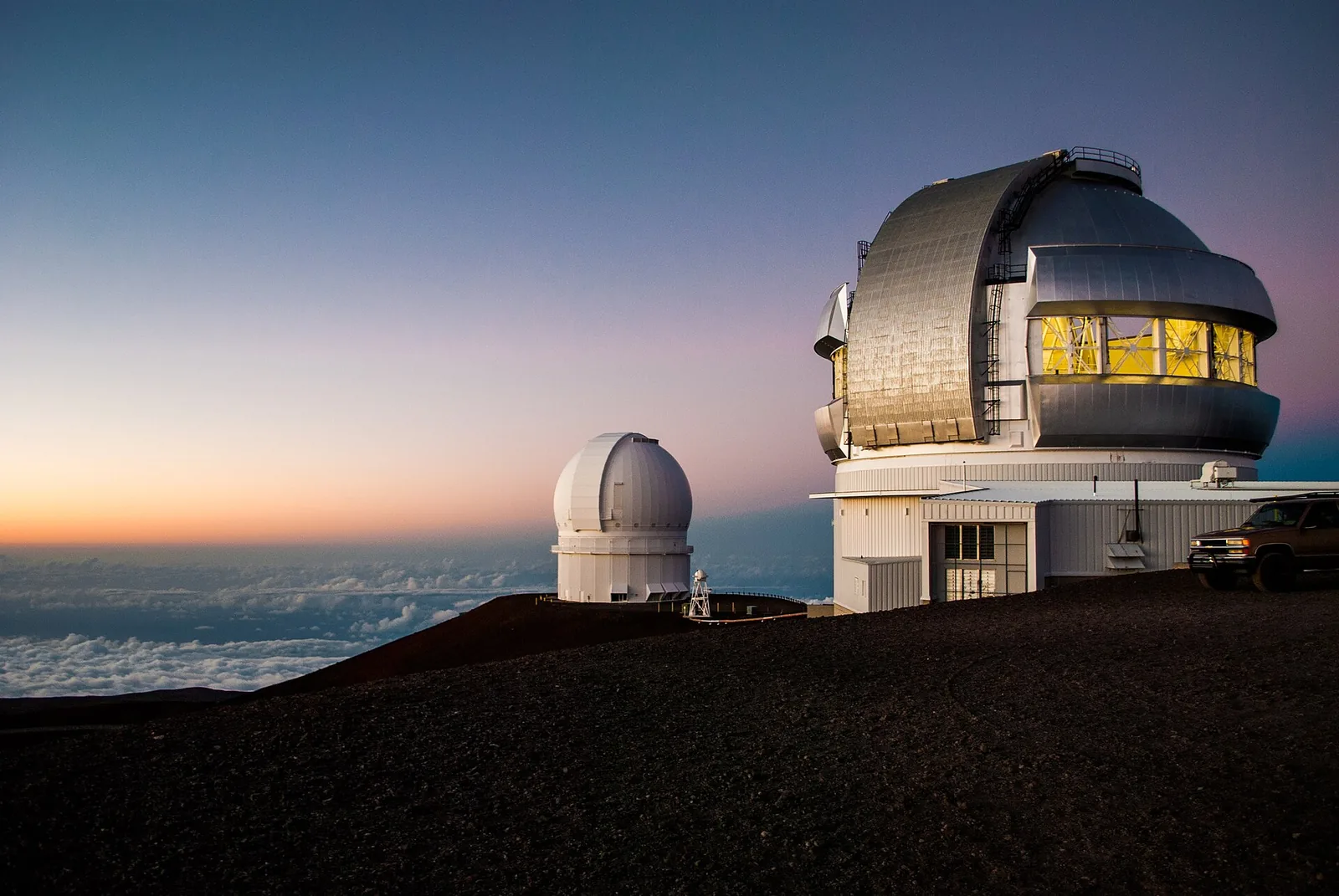
The Big Island is larger than all the other islands combined, and it feels like several destinations in one: the dry, sunny Kona coast with its coffee farms and night snorkelling with manta rays; the green, wet Hilo side with its waterfalls; Hawaiʻi Volcanoes National Park, where Kīlauea has been erupting in episodes since December 2024; and the snow-dusted summit of Mauna Kea, sacred in Hawaiian tradition and home to some of the world’s great telescopes. Distances are big, so plan on at least five days and two bases, one on each side.
Hawaiʻi Volcanoes National Park costs $30 per vehicle, or $15 per person on foot or by bicycle, and it’s open 24 hours. Kīlauea’s activity changes week to week, so check the USGS Hawaiian Volcano Observatory updates shortly before you go rather than building a trip around an eruption. Vog, the volcanic haze, can be a respiratory risk when the winds are light or from the south. Mauna Kea’s summit is nearly 14,000 feet high: altitude sickness is a real risk, a four-wheel-drive vehicle is needed for the upper road, and many rental agreements don’t allow it, so check yours.
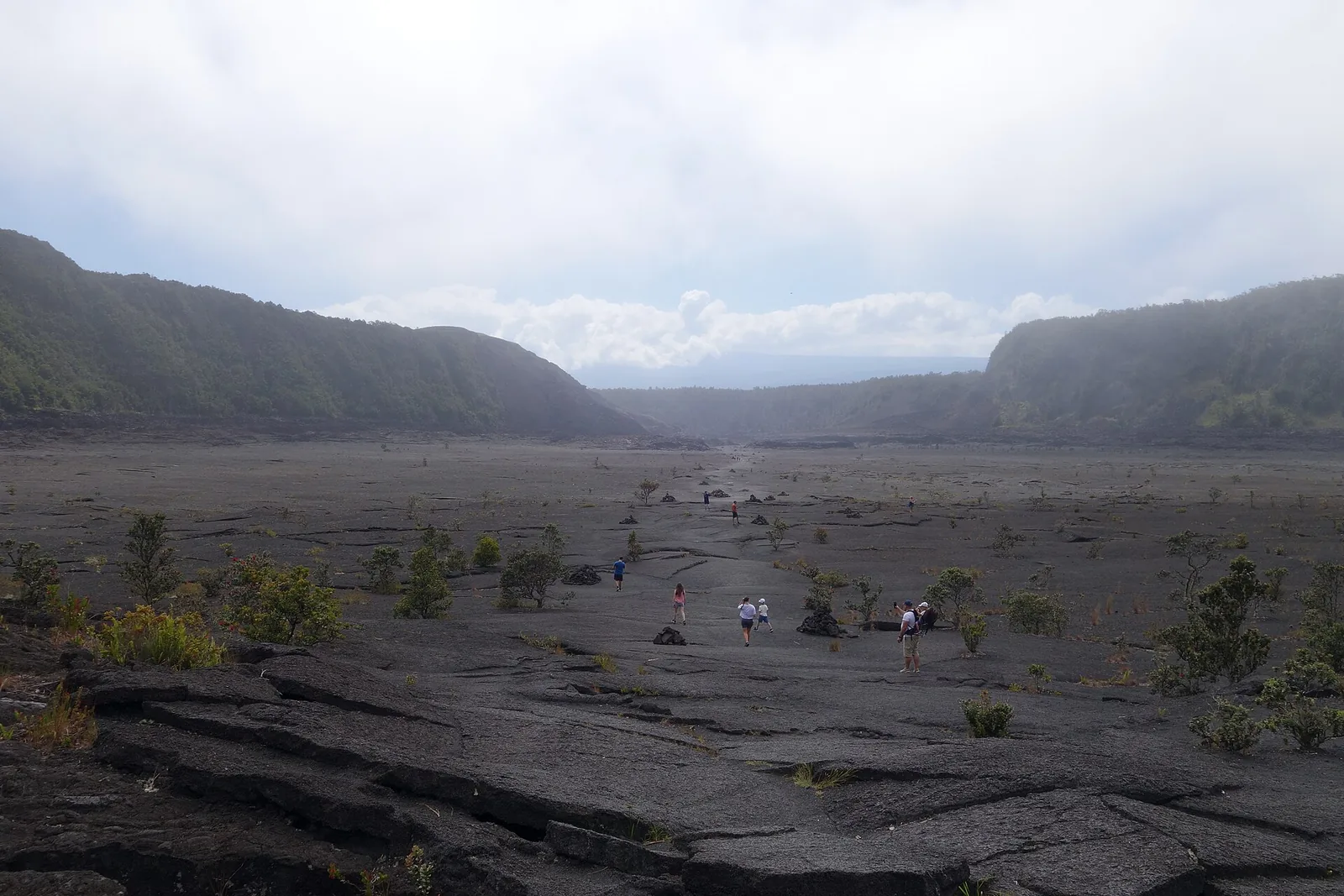
Cost: Volcanoes National Park $30 per vehicle · Hours: park open 24 hours · Drive: Kona to the national park about 2–2.5 hours · Allow: 5–8 days
5. Molokaʻi
Molokaʻi is Hawaiʻi at its most rural: no traffic lights, few visitors and a strong Native Hawaiian community that has resisted large-scale tourism. Accommodation and services are limited, and you’ll need a car. It suits repeat visitors looking for quiet and respectful travellers who are happy to fit in rather than be entertained. Small planes from Honolulu and Maui, including Mokulele’s nine-seat Cessnas, fly into the island’s airport.
Book: flights and rooms well ahead; supply is small · Drive: car essential · Allow: 2–4 days
6. Lānaʻi
Lānaʻi is a small island of red-dirt roads, pine-lined Lānaʻi City and a handful of upscale resorts. It’s quiet, expensive and very easy to relax on. Most visitors come for a few nights of luxury or on a day trip by ferry from Maui.
Book: resorts well ahead · Drive: four-wheel drive for the back roads · Allow: 2–3 days
Step 2: decide how long, and how many islands
The most common planning mistake is trying to see too many islands. Every hop costs half a day or more, plus a car pick-up and drop-off, and you’ll enjoy each island more with time to slow down. These rules of thumb work for most people.
| Trip length | Islands | Suggested split |
|---|---|---|
| 5–7 days | One | Oʻahu, or Maui if you want resorts and whales |
| 8–10 days | Two | Oʻahu 4–5 nights, then Maui or the Big Island 4–5 nights |
| 11–14 days | Two or three | Oʻahu 4, Maui 5, Kauaʻi or the Big Island 4–5 |
| Three weeks or more | Three or four | Add a second base on the Big Island, or a few quiet nights on Molokaʻi or Lānaʻi |
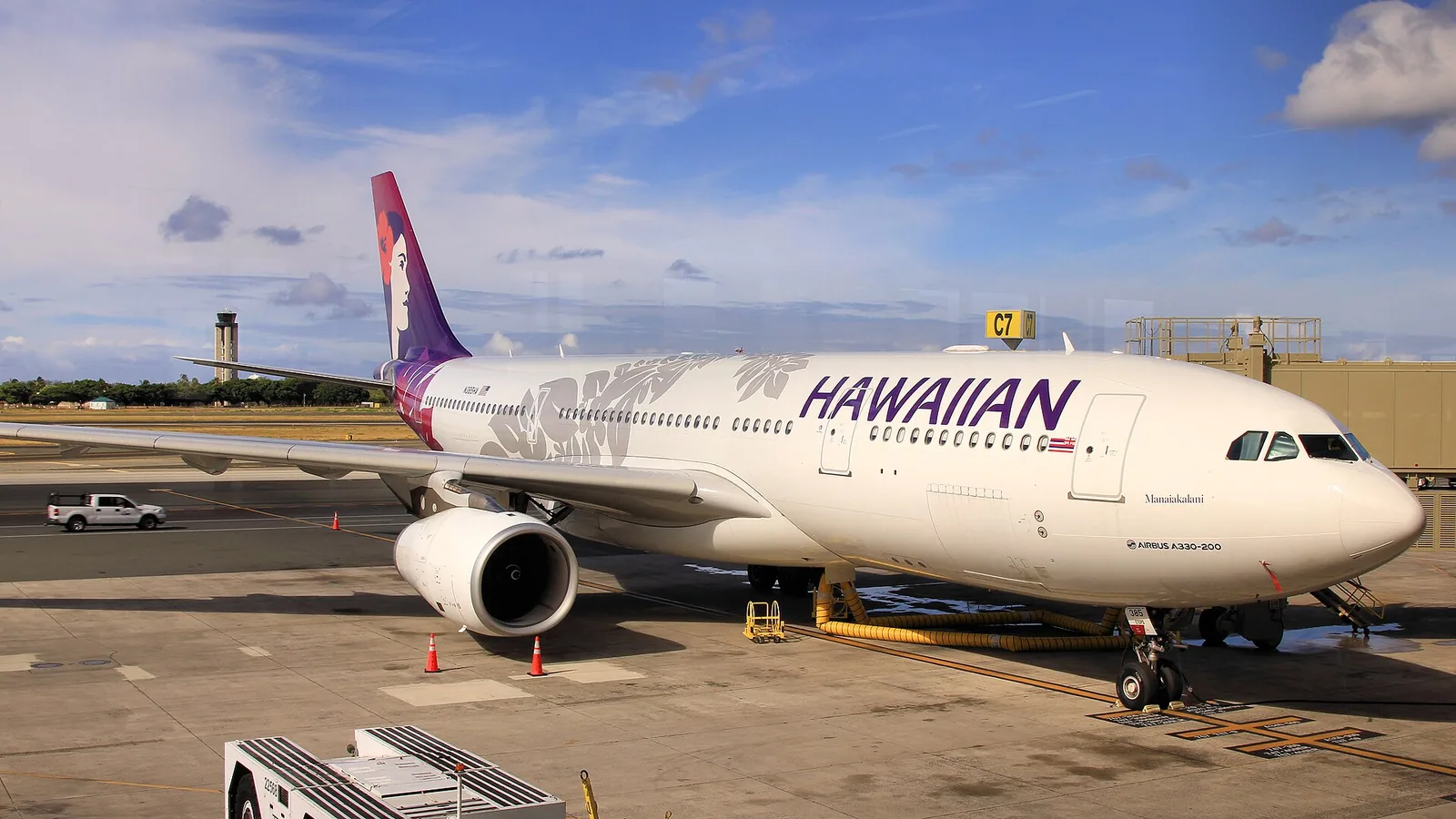
Three airlines fly between the islands. Hawaiian Airlines, part of Alaska Air Group since 2024, and Southwest fly jets between the main airports, while Mokulele flies small planes into Molokaʻi, Lānaʻi and smaller airfields. Fares move fast. In August 2026, for example, Hawaiian advertised Kona to Honolulu from $170 return and Hilo to Honolulu from $145 return, while Southwest showed Kahului to Honolulu from $63 one way seven weeks ahead. Midweek flights are usually cheaper than weekends. Check bag fees before you book: Hawaiian charges $25 for a first checked bag, or $35 at the airport, and Mokulele $25.
Step 3: pick your dates
September is the best month for most visitors. In September 2025, arrivals dropped to 690,858, about 213,000 fewer than in March, and the statewide average hotel rate fell to $315 a night, against $379 in February. The sea is at its warmest and the north shores are calm enough to snorkel. Late April and May are almost as good. Mid-December to March is whale season and big-wave season, but also peak price season, and the two weeks around Christmas are the most expensive of the year. Hurricane season runs from June to November, peaking in August and September; direct hits are rare, but storms passing nearby can close parks and roads, as Hurricane Lowell did on Oʻahu in September 2026.
Our guide to the best time to visit Hawaii has the full month-by-month picture, with rainfall, sea temperatures, crowds and hotel rates.
A sample two-week plan
Here is how a first two-week trip to Hawaiʻi might look, with the booking deadlines built in. It uses three islands, flies between them midweek, and flies home from the last one to avoid backtracking.
Days 1–5: Oʻahu
Arrive in Honolulu and stay in Waikīkī, where you can walk to the beach and take the bus almost everywhere. Spend a morning at Diamond Head, booked up to 30 days ahead, and a day at Pearl Harbor, booked 56 days ahead at 3pm Hawaiʻi time. Snorkel at Hanauma Bay, booked 48 hours ahead at 7am, drive the windward coast to Kailua and Kualoa, and give a whole day to the North Shore. Our guide to Waikīkī Beach and our North Shore guide cover the details, and our Oʻahu itinerary puts the days in order.
Days 6–10: Maui
Fly to Kahului midweek, when fares are usually lowest, and pick up a car. Book Haleakalā’s sunrise eight weeks ahead, and drive up in the dark for the view above the clouds. Give the Road to Hāna a full day, starting early. Take a morning snorkel trip to Molokini, and in whale season, from December to May, a whale-watching cruise. Leave at least one day for doing nothing on a beach.
Days 11–14: the Big Island or Kauaʻi
For volcanoes and variety, fly to Kona or Hilo. Spend a day in Hawaiʻi Volcanoes National Park, $30 per vehicle, and check the USGS updates the night before; stay a night near the park if you can. For hiking and green cliffs, fly to Līhuʻe instead, book Hāʻena State Park 30 days ahead at midnight Hawaiʻi time, and drive up to the Waimea Canyon lookouts. Either way, fly home direct from your last island where you can, rather than doubling back through Honolulu.
If two weeks is too much, drop the third island. Five days on Oʻahu and five on Maui is still an excellent first trip, with far less time spent packing and waiting for planes.
Events worth planning around
Some events are worth building a trip around; others are worth avoiding if you want quiet and lower prices. Either way, know the dates before you book.
- Merrie Monarch Festival, Hilo: the world championship of hula, 28 March to 3 April 2027. Hilo’s rooms fill up to a year ahead; the parade is free.
- Lei Day, 1 May, and King Kamehameha Day, 11 June: statewide celebrations with lei, music and parades.
- Aloha Festivals, September: the islands’ largest cultural celebration, with more than 300,000 attendees.
- Ironman World Championship, Kona, October: Kona hotels fill; book early or avoid race week.
- Pearl Harbor 85th anniversary, 7 December 2026: a public ceremony at 7:30am, and one of the busiest weeks the memorial will see this year.
- Pipe Masters and the Honolulu Marathon, December 2026: the surf contest’s waiting period runs from 8 to 20 December, and the marathon closes roads on 13 December.
- Whale season, 15 December to 15 May: the peak is January to March, and Maui is the best island for it.
Your planning a trip to Hawaii timeline
This is the order in which to book things, counting back from the day you fly. The dates in bold are fixed windows: miss them and you lose the chance.
| When | What to do |
|---|---|
| 12 months out | Choose islands and dates. If you’re coming for the Merrie Monarch Festival in Hilo (28 March to 3 April 2027) or the Christmas holidays, book rooms now. |
| 9–6 months out | Book flights to Hawaiʻi and between islands for peak seasons. Check passports, REAL IDs and, from abroad, ESTA or visa. |
| 6–3 months out | Book hotels, rental cars and popular tours: Kualoa Ranch UTVs, lūʻau, helicopter flights, ʻIolani Palace tours. Buy travel insurance. |
| 8 weeks out | Haleakalā sunrise reservations (recreation.gov, ten-day release blocks). USS Arizona Memorial tickets release at 3pm HST, 56 days ahead. |
| 30 days out | Diamond Head reservations open. Hāʻena State Park entry and parking reservations open at midnight HST. |
| 2 weeks out | Check closures and advisories: state parks, road closures, volcano updates, hurricane forecasts. |
| 48 hours out | Hanauma Bay reservations open at 7am HST (closed Mondays and Tuesdays). |
| 1 day out | Second release of USS Arizona tickets at 3pm HST. Check in online; pack mineral sunscreen. |
Two tips. First, remember that every release time is in Hawaiʻi time, and Hawaiʻi doesn’t use daylight saving, so work out what it means where you live; for the Arizona release, our Pearl Harbor visitor guide has a table by time zone. Second, create your recreation.gov and other booking accounts in advance, with payment details saved, so you’re not typing card numbers while the slots disappear.
What a Hawaii trip really costs
Hawaiʻi is expensive, but the real cost is easier to control once you can see where it goes. The state’s visitor surveys give a useful starting point: budget travellers get by on around $149 per person per day, moderate trips run $250 to $400 per person per day, and luxury travellers spend around $1,096. The commonly cited average is about $393 per person per day, and a ten-day, four-star trip for a family of four comes to roughly $17,650.
The true nightly hotel rate
Accommodation is the biggest single cost, and the headline rate is only the start. Here’s how a $300 room in Waikīkī becomes a much bigger bill, with a typical $55 resort fee and Oʻahu’s three lodging taxes.
| Item | Amount |
|---|---|
| Room rate | $300.00 |
| Resort fee | $55.00 |
| State lodging tax, 11% (including the Green Fee) | $39.05 |
| Oʻahu county lodging tax, 3% | $10.65 |
| General excise tax, about 4.7% | $16.73 |
| Total before parking | About $421 |
| Hotel parking, if you have a car | $44–93 a night |
That’s roughly 40 per cent more than the room rate before parking, and up to 70 per cent more with it. The Green Fee, which added 0.75 per cent to the state lodging tax from January 2026, funds climate and environmental work; the other taxes have been in place for years. The rates vary by island, so check the county tax where you’re staying.
Activities: what the big-ticket items cost
| Activity | Cost (2026) |
|---|---|
| USS Arizona Memorial | Free, $1 booking fee |
| Diamond Head | $5 per person, $10 per vehicle |
| Hanauma Bay | $25 |
| Group surf lesson, Waikīkī | From $95 |
| Oʻahu lūʻau | Roughly $119–198 per adult |
| Polynesian Cultural Center villages | $94.95 |
| Helicopter tour, Oʻahu | From $399 for 50 minutes |
| Haleakalā sunrise reservation | $1 plus park entry |
| Hawaiʻi Volcanoes National Park | $30 per vehicle |
| Hāʻena State Park, Kauaʻi | $5 per person or $10 parking |
Three ways to budget
- Budget, around $149 per person per day: stay in a hostel or a simple room back from the beach, travel on Oʻahu by bus with a HOLO card capped at $7.50 a day, eat plate lunches, shrimp trucks and farmers markets, and fill your days with free beaches, hikes and the free hula show.
- Moderate, $250–400 per person per day: a mid-range hotel, a car for a few days on each island, one or two paid highlights a day and a lūʻau.
- Luxury, around $1,096 per person per day: beachfront resorts, a car throughout, helicopter flights, private tours and fine dining.
The biggest savings come from three decisions: travelling in September, May or early December, renting a car only on the days you need it, and choosing a hotel that doesn’t charge for parking you won’t use. For Oʻahu specifically, our guide to where to stay in Oʻahu compares resort fees and parking at named hotels.
Planning for different kinds of traveller
Families with children
Families tied to school holidays should book early, because summer, Christmas and spring break are the busiest and most expensive times of year. On Oʻahu, the Ko Olina lagoons and Magic Island at Ala Moana have calm, shallow water for small children, Hanauma Bay is free for children aged 12 and under, and the Waikiki Aquarium, $12 for adults and $5 for children, is a good introduction to the reef. Choose rooms with a kitchenette to save on meals, and build rest days into the plan: jet lag, sun and long drives wear children out faster than adults expect.
For car-seat law, ocean safety for children and three nap-friendly day plans, see our full guide to Hawaiʻi with kids.
Couples and honeymooners
September, October, late April and May give you warm, quiet beaches and lower prices. Maui and Kauaʻi suit couples who want resorts, sunsets and scenery; Oʻahu adds nightlife, restaurants and culture. A sunset sail off Waikīkī costs about $80, and a lūʻau somewhere between $119 and $198 per person. Book the special things, such as a helicopter flight or a sunrise at Haleakalā, well ahead.
On a budget
Travel in September or May, stay on Oʻahu, and skip the rental car: TheBus and Skyline reach most of the island, and a HOLO card caps fares at $7.50 a day, with a seven-day pass for $45. Many of the best experiences are free, from the beaches and hikes to the Saturday hula show at Kūhiō Beach and the Friday fireworks in Waikīkī. Eat plate lunches, shrimp trucks and farmers-market food, and cook some meals yourself.
Older travellers and those with limited mobility
Choose a base where you can do a lot without driving, such as Waikīkī, and allow more time for each day. Many major sites are accessible on the level, including the Pearl Harbor visitor centre and galleries, but ships, crater trails and some beaches involve steps, ladders or rough ground. The summits of Haleakalā and Mauna Kea are very high, and anyone with heart or breathing problems should talk to a doctor before going up.
Documents, rules and red tape
Travelling from the US mainland
Hawaiʻi is a US state, so there’s no passport control for domestic travellers. But since 7 May 2025, every adult flying within the United States needs a REAL ID-compliant driver’s licence, marked with a star, or another accepted ID such as a passport. From 1 February 2026, travellers who arrive at security without one can pay $45 to verify their identity through TSA ConfirmID, valid for ten days, but it’s slower and more stressful than simply bringing the right card. On arrival, you’ll be asked to declare plants, animals and certain foods, because Hawaiʻi works hard to keep out invasive species.
Travelling from abroad
International visitors need a valid passport and either a US visa or, for citizens of Visa Waiver Program countries such as the UK, Australia, Japan and much of Europe, an approved ESTA. The ESTA fee rose to $40 in September 2025 and to $40.27 in January 2026. Apply well before you book flights, and only through the official US government website; unofficial sites charge extra for the same form. Most travellers from Europe connect through the US mainland, while there are direct flights to Honolulu from Japan, Korea, Australia and New Zealand.
Local rules visitors should know
- Reef-safe sunscreen: sunscreens with oxybenzone or octinoxate are banned. Use mineral sunscreen.
- Wildlife: keep 10 feet from sea turtles and 50 feet from Hawaiian monk seals, or 150 feet from a mother and pup; don’t swim with spinner dolphins or approach them within 50 yards; stay 100 yards from humpback whales.
- Kapu: signs marked kapu or no trespassing mean exactly that. Don’t enter, and don’t seek out places kept deliberately off the map.
- Holiday rentals: on Oʻahu, stays under 30 days are legal only in resort zones or in homes with a city certificate; other islands have their own rules.
- Nothing leaves: don’t take lava rock, sand or coral home, and don’t stack rocks.
Getting to Hawaiʻi and getting around
Honolulu’s Daniel K. Inouye International Airport is the main gateway, with flights of about five to six hours from the US West Coast and direct services from Asia and the Pacific. Maui, Kauaʻi and the Kona side of the Big Island also have direct flights from the mainland, which can save you an interisland hop. At Honolulu, Terminal 1 handles Hawaiian Airlines, Terminal 2 most other airlines and international flights, and Terminal 3 regional carriers, linked by the free Wiki Wiki Shuttle around the clock.
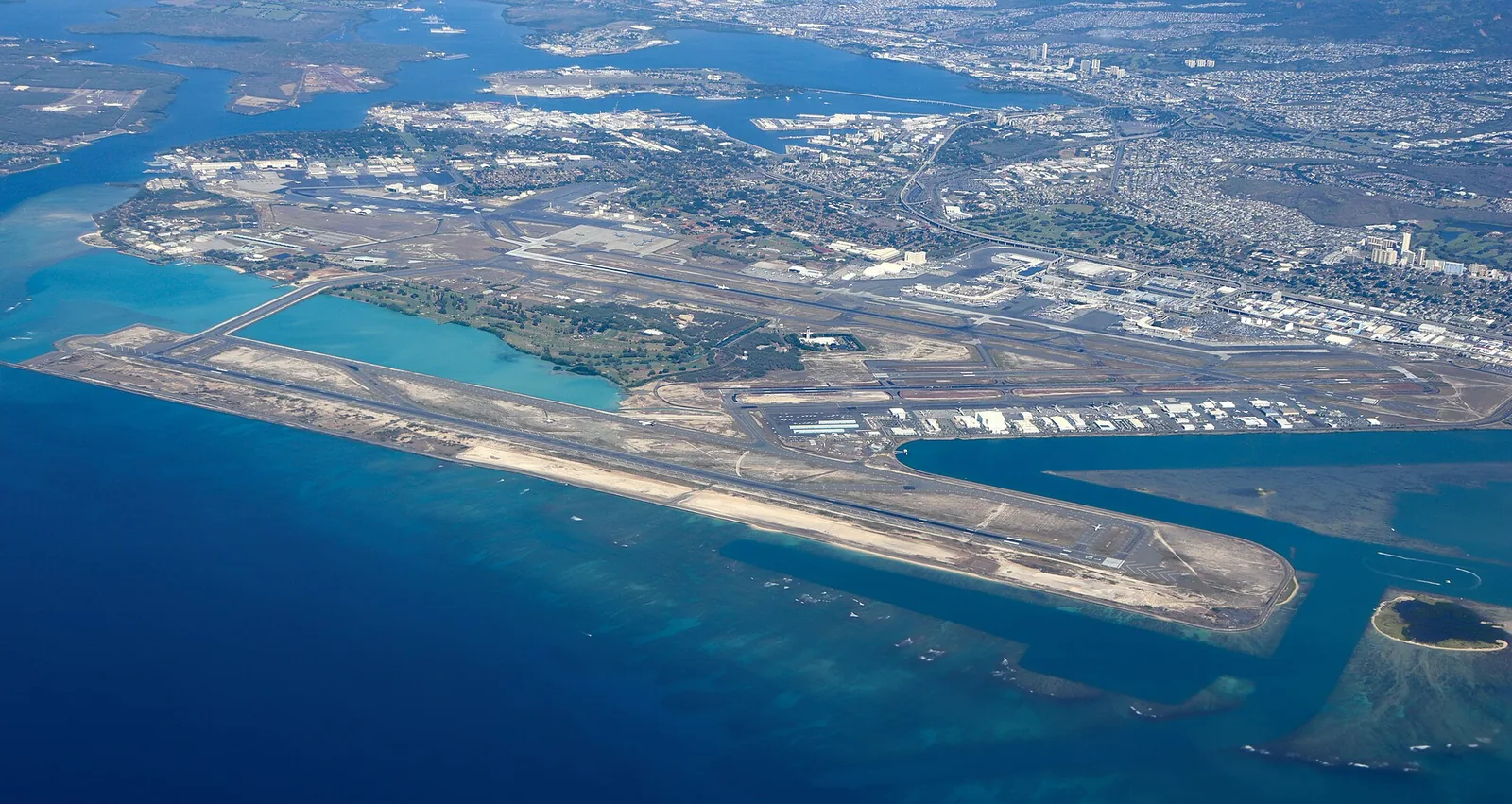
Since October 2025, Honolulu’s Skyline rail line has had a station at the airport, Lelepaua, with footbridges to all three terminals, and the W Line bus runs from there into Waikīkī for $3.25. On Oʻahu you can manage without a car; many visitors rent one for just two or three days. On Maui, Kauaʻi and the Big Island, you’ll need a car for almost everything, and it’s worth booking early for peak weeks.
The Road to Hāna, Molokini and the other big days out
Some experiences are worth planning a whole day, or a whole trip, around. Book these early and give them room in your schedule.
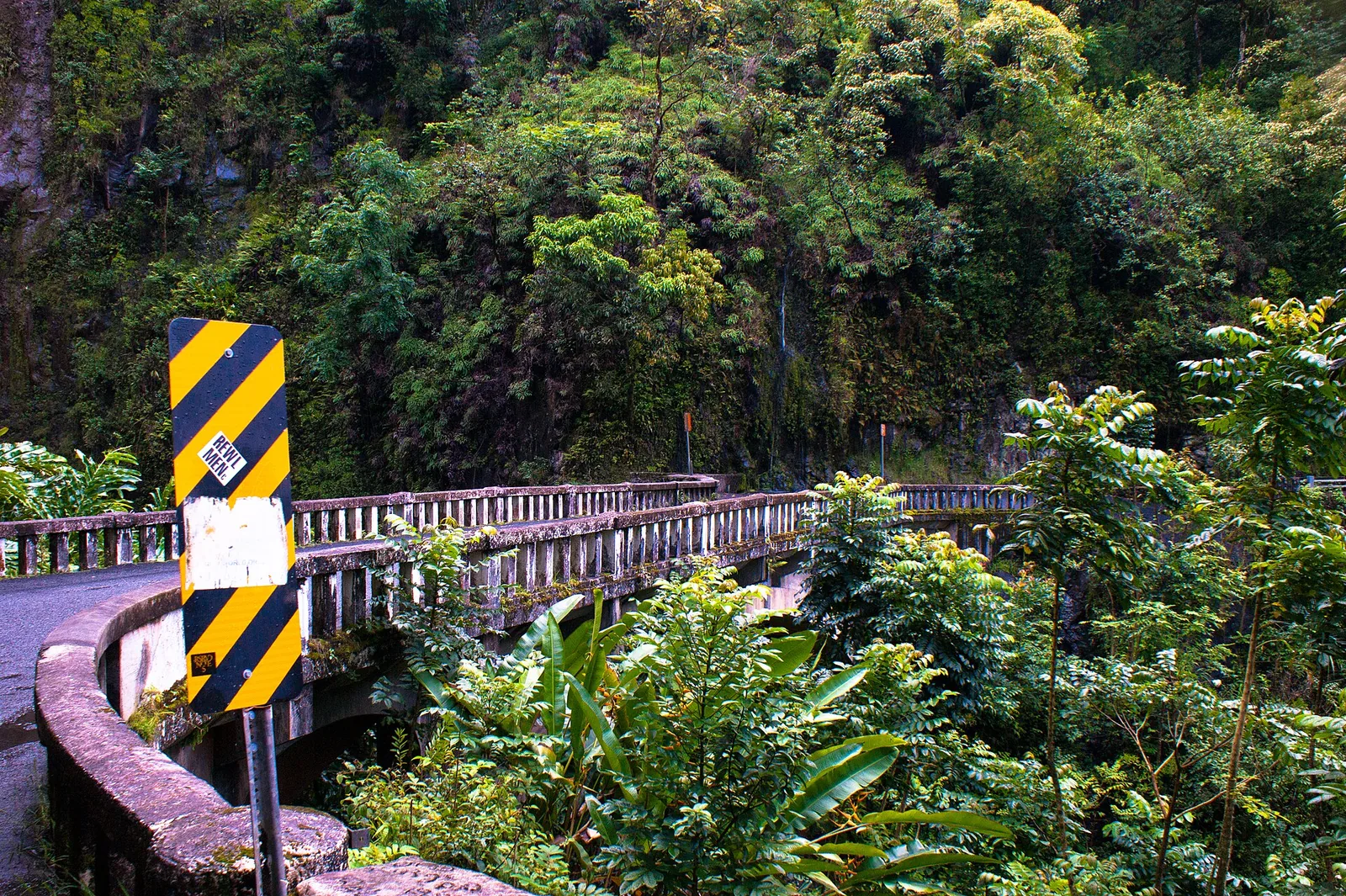
- The Road to Hāna, Maui: a full day on a narrow, winding road with dozens of one-lane bridges, waterfalls and rainforest. Start early, drive with patience, and pull over to let locals pass.
- Molokini, Maui: a crescent-shaped sunken crater offshore with some of the clearest water in Hawaiʻi. Boats leave early from the south coast, when the sea is calmest.
- Pearl Harbor, Oʻahu: book the Arizona 56 days ahead and allow half a day for the Missouri as well.
- The Nāpali Coast, Kauaʻi: by boat, by helicopter or, with a Hāʻena reservation, on foot along the first miles of the Kalalau Trail.
- Stargazing on Mauna Kea, Big Island: dress for freezing temperatures and check your rental agreement before driving up.
What to pack
- Mineral sunscreen, a hat and sunglasses. Sunscreens with oxybenzone or octinoxate are banned in Hawaiʻi.
- Layers. The beaches are warm all year, but Haleakalā and Mauna Kea can be below freezing before dawn, and evenings on the windward side can be cool.
- A light rain jacket for the windward coasts, Hilo and Kauaʻi’s north shore.
- Reef shoes for rocky entries, and sturdy shoes or trail runners for hikes, which are often muddy.
- A clear bag if you’re visiting Pearl Harbor, where opaque bags aren’t allowed past security.
- Your ID: a REAL ID or passport for domestic flights, plus your passport and ESTA or visa if you’re visiting from abroad.
- A reusable water bottle and a small dry bag for the beach and boat trips.
Money, tipping and staying connected
Hawaiʻi uses the US dollar, and cards are accepted almost everywhere, though some roadside fruit stands and smaller food trucks prefer cash. Tipping follows mainland US custom: around 15 to 20 per cent in restaurants, a few dollars a bag for porters, and a tip for tour guides and boat crews at the end of a trip. Mobile coverage is good in towns and resorts but patchy on remote roads such as the Road to Hāna, around Waimea Canyon and on parts of the Big Island, so download offline maps before you set out. Many attractions and parks now sell tickets only online, so keep your phone charged and your booking confirmations saved as screenshots.
Travelling responsibly
Two Hawaiian ideas are worth carrying with you: mālama, to care for, and kuleana, responsibility. In practice, that means respecting the ocean, the land and the people who live here. Book tours with local operators, eat at family-run places, and learn a little about the history of the islands, including the overthrow of the Hawaiian Kingdom in 1893. Be clear, too, about what you’re eating: plate lunch, spam musubi and loco moco are local-style food, the product of plantation-era cultures mixing, not traditional Native Hawaiian food, which means dishes such as kālua pig, laulau and poi.
Above all, respect the ocean. Drowning is the leading cause of injury death among visitors to Hawaiʻi. Swim at lifeguarded beaches, ask the lifeguard about conditions, and follow the local rule: when in doubt, don’t go out. For Oʻahu, our guide to the best beaches in Oʻahu rates 30 beaches for summer and winter safety.
Health and safety
The biggest danger in Hawaiʻi is the ocean. Drowning is the leading cause of injury death among visitors: state health figures for 2015–2019 averaged about 80 ocean drownings a year, 57 per cent of them visitors, and snorkelling is involved in nearly 30 per cent of visitor drownings. Swim at lifeguarded beaches, snorkel with a buddy, and get out if you feel breathless or tired. North- and west-facing shores are dangerous in winter, and south shores get big surf in summer. Stay out of the sea for 72 hours after heavy rain, when runoff carries sewage and bacteria, and watch for box jellyfish on south-facing beaches eight to ten days after each full moon.
On land, the sun is stronger than most visitors expect, and hikes that look short can be steep, exposed and hot. Carry more water than you think you need, start early and turn back if a trail is muddy or a stream is rising, because flash floods can arrive with little warning. At Haleakalā and Mauna Kea, the altitude can cause headaches, breathlessness and worse, so go slowly and descend if you feel unwell. On the Big Island, vog from Kīlauea can irritate the lungs, especially for children and people with asthma. And respect closures: the Haʻikū Stairs on Oʻahu are being removed and are not a hike, kapu signs mean do not enter, and closed trails and park areas are closed for a reason.
Insurance, and what can go wrong
Most Hawaiʻi trips go smoothly, but a few things can derail them. Buy travel insurance that covers weather disruption and medical care, especially during hurricane season, and read the small print on reservations: Pearl Harbor’s $1 booking fee is non-refundable, and Hanauma Bay tickets are final sale and non-transferable. Build in flexibility for the risks below.
- Storms: hurricanes and tropical storms can close parks, roads and beaches, as Hurricane Lowell did in September 2026.
- Heavy rain: flash floods close trails and roads, and runoff makes the sea unsafe for 72 hours.
- Volcanic activity: Kīlauea’s eruption areas are closed, and vog can affect people with breathing problems.
- Closures: popular sites such as Hāʻena State Park have closed for long periods before; always check before you go.
- Car break-ins: leave nothing in the car at beaches and trailheads.
Common planning mistakes
- Too many islands. Each hop costs most of a day. Two islands in ten days is plenty.
- Missing the release times. Pearl Harbor, Haleakalā, Diamond Head, Hāʻena and Hanauma Bay all sell out; set alarms in Hawaiʻi time.
- Budgeting on the headline room rate. Resort fees, parking and taxes can add 40 per cent or more.
- Renting a car for the whole of an Oʻahu stay. Two or three days is usually enough, and it saves on parking.
- Planning Hanauma Bay on a Monday or Tuesday. It’s closed both days.
- Swimming on north shores in winter. From November to March, watch the surf from the sand.
- Driving to Lanikai. Since 1 July 2026, parking on its loop road is banned all day; park at Kailua Beach Park and walk.
- Skipping travel insurance in hurricane season. Storms passing nearby can close parks and roads for days.
Still choosing an island? Our guide to which Hawaiian island to visit scores Oʻahu, Maui, Hawaiʻi Island and Kauaʻi on twelve criteria, with current conditions and a verdict for each kind of traveller.
Frequently Asked Questions
How far in advance should I start planning a trip to Hawaii?
Start six to twelve months ahead for the Christmas holidays, spring break or summer, and three to six months ahead for quieter months. Some bookings have fixed windows whatever your dates: Pearl Harbor 56 days ahead, Haleakalā sunrise eight weeks ahead, Diamond Head and Hāʻena State Park 30 days ahead, and Hanauma Bay 48 hours ahead.
How much does a trip to Hawaiʻi cost?
Budget travellers spend around $149 per person per day, moderate travellers $250 to $400, and luxury travellers around $1,096, with an average of about $393. Hotels are the biggest cost: on Oʻahu, a $300 room with a $55 resort fee comes to about $421 a night once lodging taxes are added, before parking.
Which Hawaiian island is best for a first trip?
Oʻahu is the best first island for most people: it has Honolulu, Waikīkī, Pearl Harbor and the North Shore, and you can get around without a car. Maui suits couples and whale-watchers, Kauaʻi suits hikers and nature lovers, and the Big Island suits travellers who want volcanoes and variety.
How many islands should I visit?
One island for a week, two for ten days to two weeks, and three only if you have two weeks or more. Each island hop takes most of a day once you count packing, flights and car pick-up. Oʻahu plus Maui is the classic two-island trip; Oʻahu plus the Big Island suits volcano lovers.
Do I need a passport or REAL ID to fly to Hawaiʻi?
US travellers don’t need a passport, but since 7 May 2025 every adult on a domestic flight needs a REAL ID-compliant licence or another accepted ID, such as a passport. International visitors need a passport and either a visa or, from Visa Waiver countries, an ESTA, which costs $40.27 in 2026.
What is the Hawaiʻi Green Fee?
The Green Fee is a 0.75 per cent increase in the state’s lodging tax, which took it from 10.25 to 11 per cent on 1 January 2026. It applies to hotels, holiday rentals and cruise-ship cabins, and it funds climate and environmental work. County lodging taxes and general excise tax are charged on top.
When is the cheapest time to visit Hawaiʻi?
September is usually the cheapest month, with the statewide average hotel rate falling to $315 in September 2025. Late April and May, early November and the first three weeks of December are also good value. The most expensive period is from about 20 December to early January.
Do I need to rent a car in Hawaiʻi?
On Oʻahu, no: TheBus, the Skyline rail line and a HOLO card, capped at $7.50 a day, reach most sights, and many visitors rent a car for only two or three days. On Maui, Kauaʻi and the Big Island, a car is essential for almost everything. Book early for peak seasons.
Photo Credits
- Nāpali Coast, Kauaʻi (featured): Jeff Kubina, CC BY-SA 2.0
- Map: honolulutourism.org; coastline data © OpenStreetMap contributors, ODbL
- Waikīkī Beach and Diamond Head: Frank Schulenburg, CC BY-SA 4.0
- Haleakalā crater: lamoix, CC BY 2.0
- Kīlauea Iki crater: Relativity, CC BY-SA 4.0
- Hawaiian Airlines A330: Larry D. Moore, CC BY 4.0
- Daniel K. Inouye International Airport: Coolcaesar, CC BY 4.0
- Hāna Highway bridge: Jonathanking, CC BY-SA 3.0
- Molokini crater: Bossfrog, CC BY-SA 4.0
- Mauna Kea observatories: Michail Babchuk, CC BY-SA 4.0