In September 2025, 690,858 visitors arrived in Hawaiʻi, about 213,000 fewer than in March, and the statewide average hotel rate fell to $315 a night, against $379 in February. The sea was at its warmest, the North Shore was flat enough to snorkel, and Honolulu averages less than an inch of rain in September. That, in short, is why September is the best time to visit Hawaii for most people, with late April and May a close second. But “best” depends on what you’ve come for. If you want humpback whales, big-wave surfing or the Merrie Monarch Festival, you’ll have to come in the busier, pricier months, and plan harder. Below, month by month, is what the weather, the ocean, the crowds and the prices actually look like, using official climate normals and the state’s own 2025 tourism figures, followed by the best time for each island and each kind of trip.
The short answer: come in September, or from the week after Easter to the end of May, for the best mix of weather, prices and space. Come from mid-December to March for whales and giant surf, and book early. Avoid the two weeks around Christmas and New Year, spring break and the July school holidays if cost or crowds matter to you.
Hawaiʻi’s two seasons
Hawaiians traditionally recognised two seasons rather than four: kau, the warm, dry season from roughly May to October, and hoʻoilo, the cooler, wetter season from November to April. That’s still the most useful way to think about the weather. The difference between them is real but narrow. In Honolulu, the average daytime high moves only from 81°F in January to 89°F in August, and the sea barely changes by more than five degrees across the year.
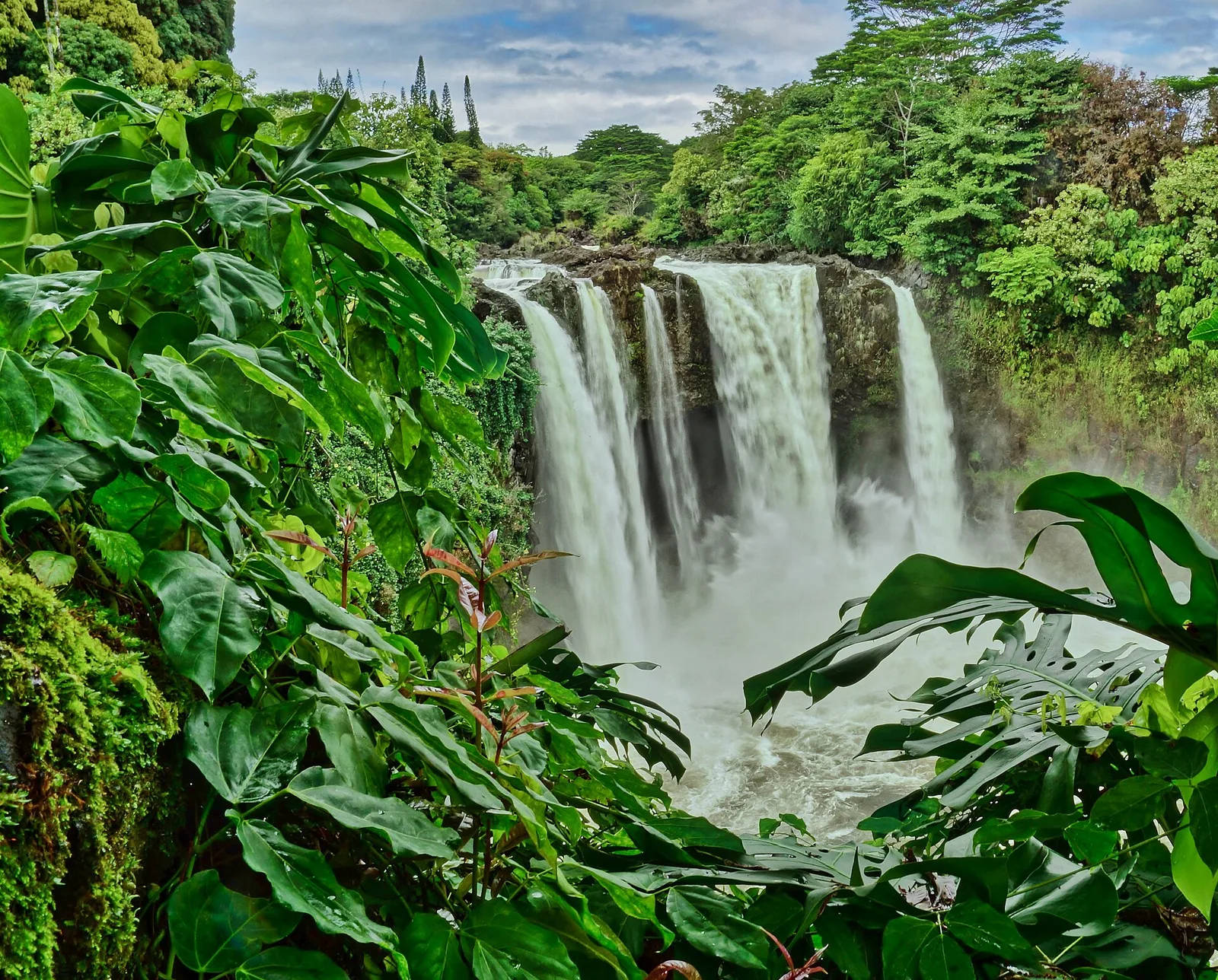
What changes far more is where you are. The trade winds blow from the north-east for most of the year, dropping their rain on the windward, north- and east-facing slopes. The leeward coasts, facing south and west, sit in a rain shadow. So Hilo, on the windward side of Hawaiʻi Island, is one of the wettest cities in the United States, while Kona, on the same island, is sunny and dry. On Oʻahu, Waikīkī gets a fraction of the rain that falls on Kāneʻohe or Mānoa valley, just a few miles away. When people say it rains a lot in Hawaiʻi, they’re usually talking about the windward side.
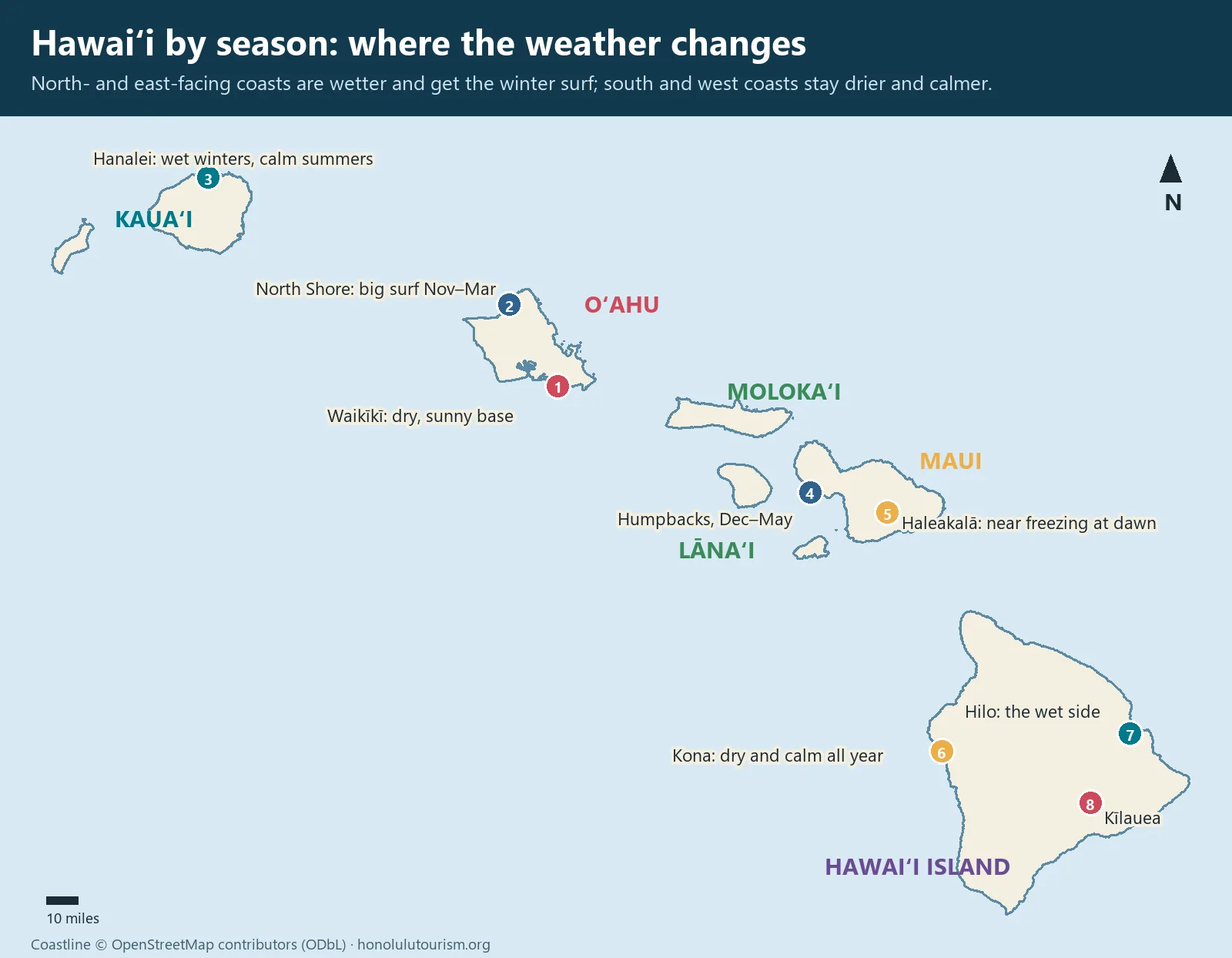
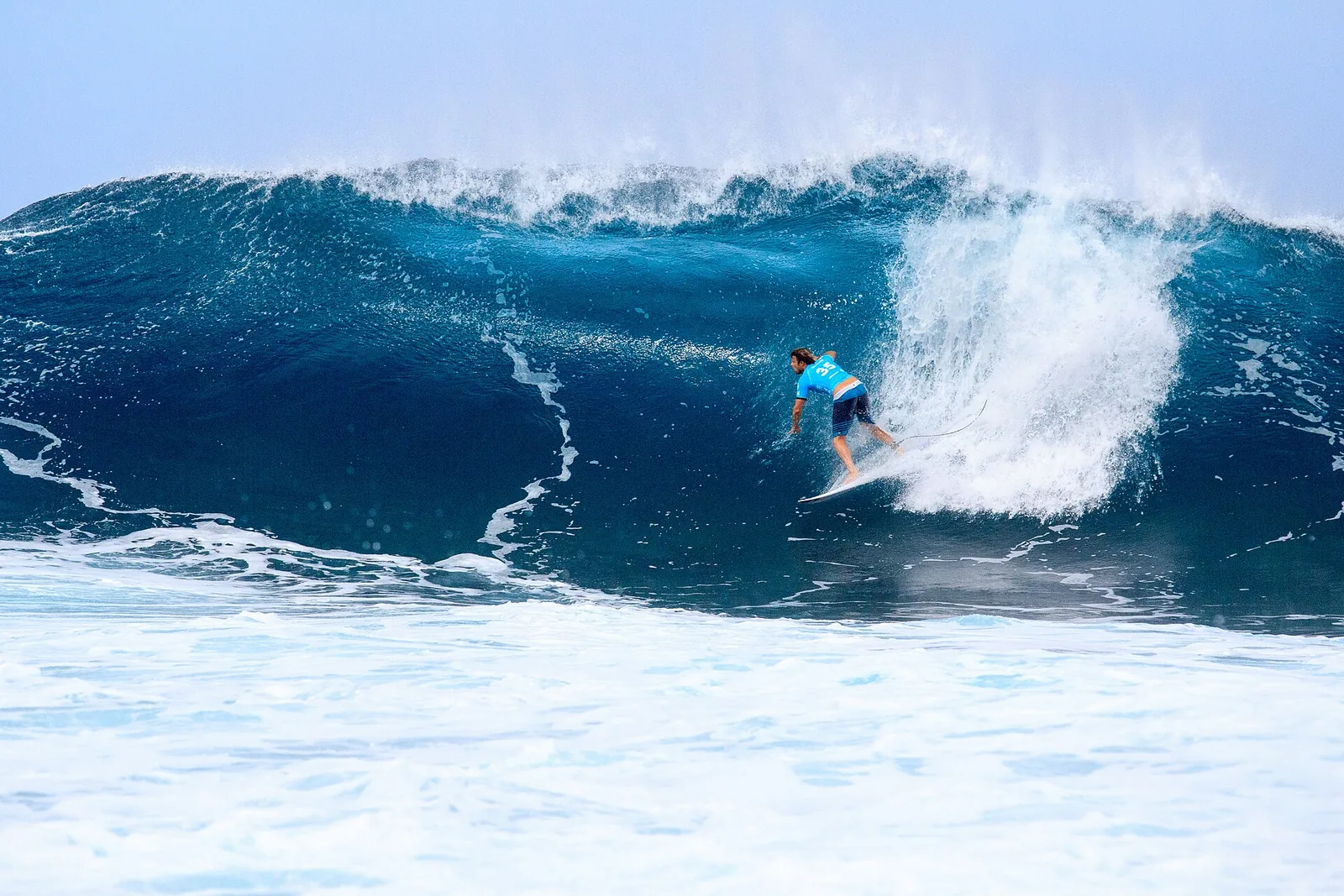
The ocean follows its own calendar. From roughly November to March, powerful swells from North Pacific storms hit the north- and west-facing shores, bringing the famous big waves to Oʻahu’s North Shore, Kauaʻi’s Hanalei Bay and Maui’s north coast. In summer those same beaches go flat and glassy. South-facing shores, such as Waikīkī and Kona, reverse the pattern: calm in winter, with bigger surf from southern-hemisphere swells in summer. Plan your beach days around the shore, not just the month.
The best time to visit Hawaii, month by month
This table pulls the key numbers together. Temperatures and rainfall are the official 1991–2020 normals for Honolulu’s airport, which sits on the dry side of Oʻahu; windward coasts and Hilo get far more rain. Sea temperatures are seasonal averages for Waikīkī. Visitor numbers are the state’s 2025 arrivals for all islands.
| Month | Honolulu high | Honolulu rain | Sea (Waikīkī) | North shores | South shores | Visitors, 2025 |
|---|---|---|---|---|---|---|
| January | 81°F | 1.95 in | ~77°F | Big surf | Calm | 792,177 |
| February | 81°F | 2.05 in | ~76–77°F | Big surf | Calm | — |
| March | 81°F | 2.35 in | ~75–76°F | Big surf | Calm | 903,891 |
| April | 83°F | 0.83 in | ~76–77°F | Easing | Building | 833,219 |
| May | 85°F | 0.89 in | ~77°F | Mostly calm | Summer swells | 771,038 |
| June | 87°F | 0.57 in | ~79°F | Calm | Summer swells | 857,102 |
| July | 88°F | 0.59 in | ~79–80°F | Calm | Summer swells | 873,430 |
| August | 89°F | 0.94 in | ~80°F | Calm | Summer swells | 806,776 |
| September | 88°F | 0.89 in | ~80–82°F | Calm | Easing | 690,858 |
| October | 87°F | 1.46 in | ~80°F | First swells | Moderate | 749,095 |
| November | 84°F | 2.26 in | ~80°F | Big surf returns | Calm | 736,831 |
| December | 82°F | 2.55 in | ~77–78°F | Big surf | Calm | 868,894 |
Hotel prices follow the crowds. The state’s 2025 hotel figures show what that means in practice:
| Month (2025) | Statewide average nightly rate |
|---|---|
| February | $379 |
| April | $366 |
| September | $315 |
| October | $322 |
| November | $345 |
| First half of 2025, average | $370 |
Those are averages across every hotel in the state, before tax. The difference between a winter peak and a September week at the same hotel is often much larger, especially at the holidays.
How we compiled these figures
Temperatures and rainfall are NOAA’s 1991–2020 climate normals for Daniel K. Inouye International Airport, the standard reference for Honolulu. Because the airport sits on the dry leeward side, treat its rainfall as the best case for Oʻahu; Mānoa, Kāneʻohe and the windward coast get several times more. Sea temperatures are seasonal averages from NOAA’s Honolulu Harbor gauge, rounded to the nearest degree. Visitor arrivals come from the state Department of Business, Economic Development and Tourism’s monthly releases for 2025, and hotel rates from the Hawaiʻi Tourism Authority’s monthly hotel performance reports. We couldn’t confirm February’s arrivals figure, so we’ve left it blank rather than guess.
1. January: whales, big surf and peak prices
January is winter at its most dramatic. The North Shore is in full swing, with waves big enough to close beaches and draw crowds to the sand at Waimea Bay and Pipeline, and humpback whales are arriving in numbers for their peak season from January to March. Honolulu’s highs sit around 81°F with just under 2 inches of rain on average, though a winter storm can bring a few grey days in a row. The sea is around 77°F, perfectly swimmable on sheltered south-facing beaches such as Waikīkī and Hanauma Bay.
Almost 800,000 visitors arrived in January 2025, and the New Year holiday keeps prices high through the first week. After that, rates ease a little, but this is still high season. Book whale-watching trips from the first week: on Oʻahu, the Star of Honolulu’s 2027 season runs from 2 January to 20 March at $78.81. Stay out of the water on north-facing beaches, however calm they look between sets.
Good for: whale watching, big-wave watching and a proper winter escape. Skip: north-shore swimming, and bargain hunting in the first week.
2. February: the heart of whale season
February is the peak of whale season and, for many visitors, the most romantic month to come. Valentine’s Day and the Presidents’ Day weekend drive demand, and the statewide hotel rate in February 2025 averaged $379 a night, the highest of the months we have figures for. Weather is much like January: warm days around 81°F, cooler evenings, occasional showers and a sea temperature in the mid-70s.
If whales are your priority, this is the month to be on Maui, where the shallow channels between Maui, Molokaʻi, Lānaʻi and Kahoʻolawe hold the densest concentration of humpbacks in the islands. On Oʻahu, you can often spot them from the shore at Makapuʻu and Hālona in the early morning. Book accommodation well ahead, and expect to pay for it.
Good for: whales on Maui, couples, and sheltered south-shore beaches. Skip: last-minute bookings around Valentine’s Day and Presidents’ Day.
3. March: spring break and the busiest month
March was Hawaiʻi’s busiest month of 2025, with 903,891 arrivals, as spring break from the US mainland overlapped with the height of whale season. It’s also the wettest spring month in Honolulu, with 2.35 inches of rain on average, and the sea is at its coolest, around 75–76°F. None of that is a reason to stay away: the whales are still here, the surf is still big on the north shores, and the Honolulu Festival brings Pacific cultural performances to Waikīkī.
The catch is price and crowds. Pearl Harbor’s Arizona tickets vanish in minutes, Hanauma Bay slots sell out and hotels charge winter rates. At the end of the month the Merrie Monarch Festival begins in Hilo: in 2027 it runs from 28 March to 3 April. If you don’t need to travel during school holidays, move your trip back a month.
Good for: whales, surf-watching and the Honolulu Festival. Skip: the spring-break weeks, if you can move your dates at all.
4. April: the shoulder season begins
April is where Hawaiʻi’s best-value window opens. Rain in Honolulu drops sharply, to under an inch on average, and highs creep up to 83°F. The winter surf eases, whales are still around until mid-May, and once the Easter holidays are over, crowds thin out. There were 833,219 arrivals in April 2025, and the average hotel rate was $366, still high, but from late April onwards rates commonly fall 20 to 40 per cent below the winter peak.
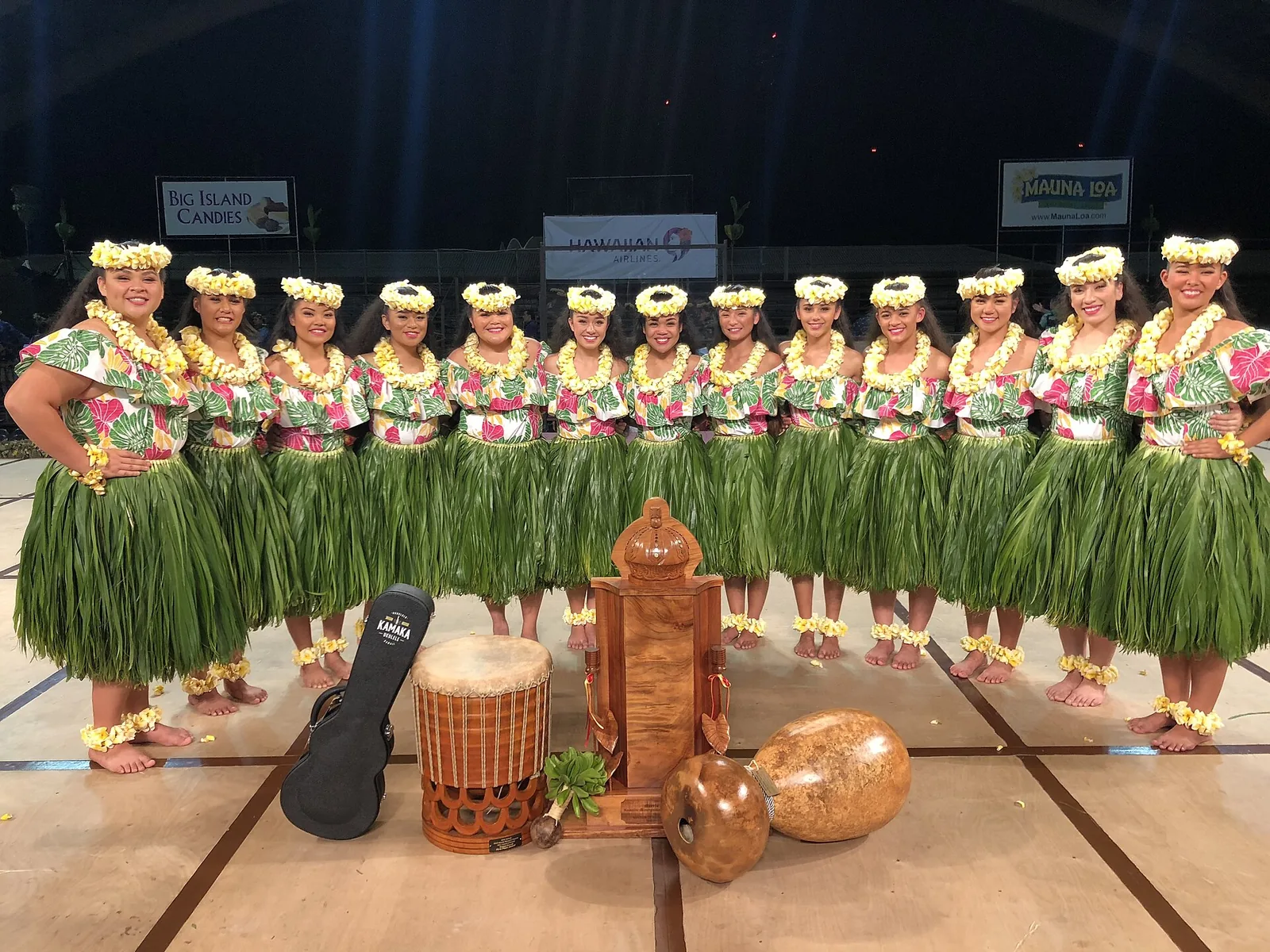
The first days of April belong to the Merrie Monarch Festival, the world’s most important hula competition, which fills every room in Hilo. Tickets for the competition nights are notoriously hard to get, but the parade through downtown Hilo is free. Late April is our pick for a spring trip: dry, warm, quiet and cheaper.
Good for: the Merrie Monarch Festival, dry weather and value once Easter is over. Skip: Hilo during Merrie Monarch week unless you already have a room.
5. May: warm, dry and quiet
May is the underrated month. Honolulu averages 85°F with less than an inch of rain, the sea warms to around 77°F, and arrivals fell to 771,038 in May 2025, among the lowest of the year. The North Shore settles into its summer calm, which means Sharks Cove and Waimea Bay start to become swimming and snorkelling spots rather than places to watch the surf. On the south shore, the first summer swells bring good waves for Waikīkī’s surf schools.
Lei Day on 1 May is celebrated across the islands with lei-making contests and music. Whale season officially ends on 15 May, so the first half of the month still offers a chance of sightings. Only the Memorial Day weekend at the end of the month brings a spike in prices. Before that, May has most of September’s advantages, with slightly cooler water.
Good for: value, quiet beaches and the last of the whales early in the month. Skip: the Memorial Day weekend.
6. June: the driest month
June is Honolulu’s driest month, with just over half an inch of rain on average, and highs of 87°F. Hurricane season officially starts on 1 June, but early-season storms are rare. The North Shore is glassy, the south shore has summer surf, and the trade winds keep the heat pleasant. King Kamehameha Day on 11 June brings the draping of his statue in Honolulu with lei many feet long, plus parades on several islands.
The downside is the calendar: once US schools break up in mid-June, family travel surges. Arrivals reached 857,102 in June 2025. Book flights and hotels early if you’re travelling in the second half of the month, and reserve popular activities as soon as their booking windows open.
Good for: the driest weather, north-shore snorkelling and King Kamehameha Day. Skip: the second half of the month if you want the islands quiet.
7. July: peak summer
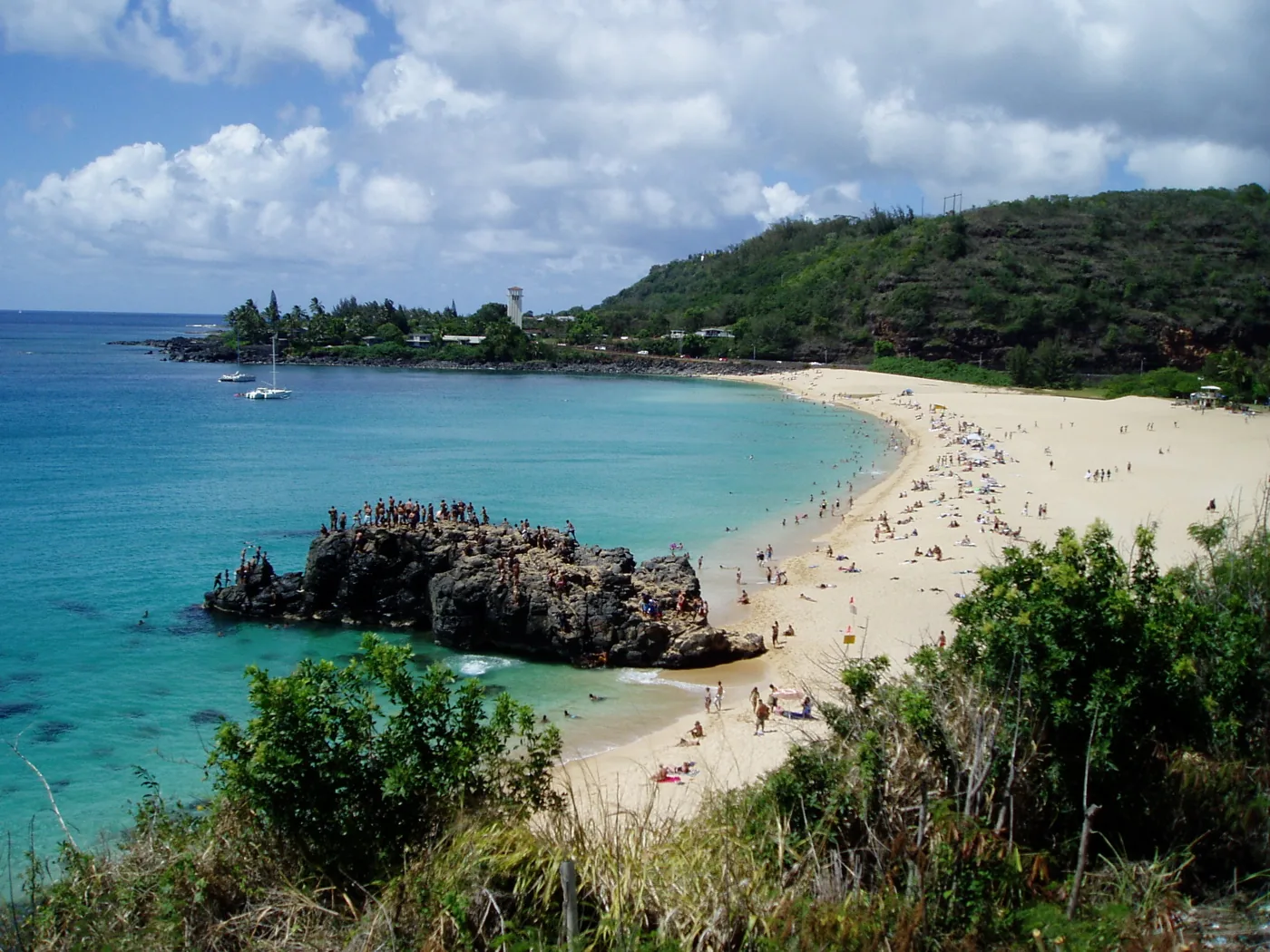
July is high summer, and one of the busiest months, with 873,430 arrivals in 2025. Honolulu averages 88°F and almost no rain, and the sea is around 79–80°F. Families dominate, prices are high and popular beaches are busy by mid-morning. Independence Day fireworks light up Waikīkī and Ala Moana on 4 July.
The ocean is at its most generous for swimmers on the north shores, which is when Oʻahu’s North Shore, Kauaʻi’s Hanalei and Maui’s north coast are at their calmest. South-facing beaches can have strong summer surf and currents, so check with lifeguards. If you’re coming in July, do everything early in the day: the beaches, the hikes and the parking are all easier before 9am.
Good for: families, north-shore swimming and summer surf at Waikīkī. Skip: anything left unbooked, and midday beach parking.
8. August: hot, and emptier after mid-month
August is the hottest month in Honolulu, averaging 89°F, and the start of the statistical peak of hurricane season, which runs through September. The summer crowds stay until schools on the mainland go back in the middle of the month, when numbers drop noticeably. Arrivals were 806,776 in August 2025. Late August is an excellent time to visit, with warm water, summer calm on the north shores, and hotel rates starting to fall.
Keep an eye on the Central Pacific Hurricane Center in the week before you travel. Most years no storm comes close, but tropical systems can bring heavy rain, high surf and closures even without a direct hit.
Good for: warm water and late-summer value once mainland schools go back. Skip: the first half if you want space, and ignoring storm forecasts.
9. September: the best month
September has it all. Honolulu’s highs are around 88°F, rainfall is under an inch, the sea is at its warmest of the year, around 80–82°F at Waikīkī, and the north shores are still calm enough to snorkel. Crucially, it’s the quietest month: arrivals dropped to 690,858 in September 2025, and the average hotel rate fell to $315, one of the lowest of the year. Mainland schools are back, summer holidays are over and winter hasn’t begun.
The Aloha Festivals, the state’s largest cultural celebration with more than 300,000 attendees, run through September with parades, hoʻolauleʻa street parties and music. The one caveat is the hurricane season. This year gave a real example: Hurricane Lowell passed just west of the islands on 7 and 8 September 2026, closing some state parks and roads on Oʻahu and prompting a brown-water advisory around the whole island. Direct hits remain rare, and most September trips go ahead without a cloud, but buy travel insurance and keep your plans flexible.
Good for: almost everything: value, warm water, calm north shores and the Aloha Festivals. Skip: travelling without insurance in the peak of hurricane season.
10. October: autumn quiet, and the Ironman
October is almost as good as September. Highs are around 87°F, rain starts to return slightly, averaging 1.46 inches in Honolulu, and the sea remains around 80°F. Arrivals were 749,095 in October 2025, and the average hotel rate was just $322. The first north swells of the winter usually arrive in the second half of the month, bringing the North Shore back to life for surf-watchers.
The main exception is Kona on Hawaiʻi Island, where the Ironman World Championship fills hotels in October; book early if you’re heading that way. Elsewhere, October is a quiet, good-value month, and Halloween in Waikīkī is a local tradition in its own right.
Good for: quiet beaches, good value and the first winter swells. Skip: Kona in Ironman week, unless you are racing or watching.
11. November: the rain and the swells return
November marks the start of hoʻoilo, the wet season. Honolulu averages 2.26 inches of rain and highs of 84°F, and the windward coasts get far more. The North Shore comes alive, with the Vans Triple Crown of Surfing running through November and December. Arrivals were 736,831 in November 2025, with an average hotel rate of $345.
Outside Thanksgiving week, November is still a good time to visit: prices are moderate, crowds are low and the sea is warm. Plan beach days for the south and west shores, keep the north shores for watching, and be ready to swap a hike for a museum on a wet day. Trails turn slippery and streams rise fast after heavy rain.
Good for: value outside Thanksgiving, surf-watching and the Triple Crown. Skip: windward and valley hikes after heavy rain.
12. December: two different months
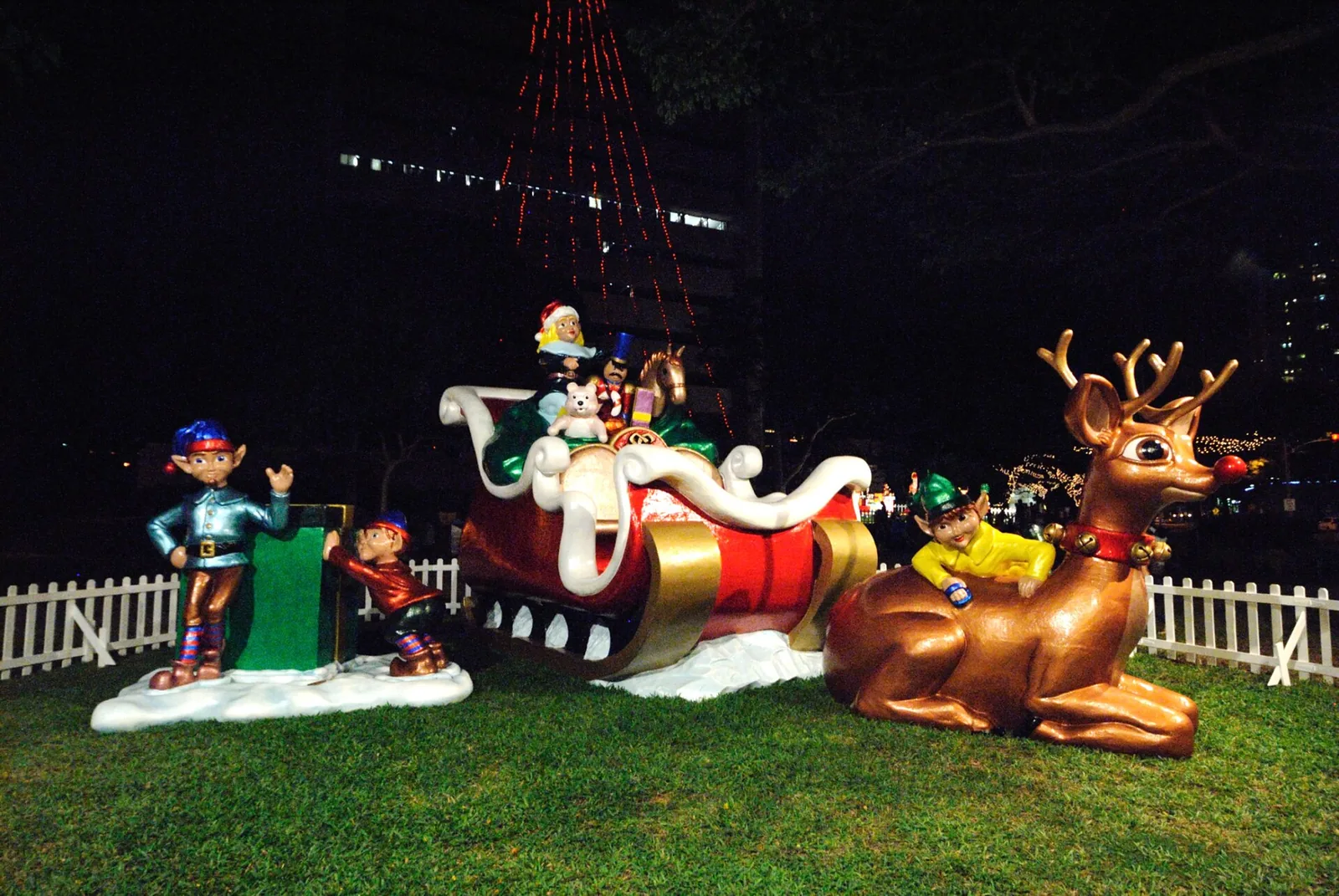
December is really two months. The first three weeks are a genuine sweet spot: prices are moderate, the weather is pleasant, and there’s a lot going on. On Oʻahu, the Pearl Harbor 85th anniversary falls on 7 December 2026, the Lexus Pipe Masters has a waiting period from 8 to 20 December, the Honolulu Marathon runs on 13 December, and Honolulu City Lights brightens the grounds of Honolulu Hale all month. Whale season officially starts on 15 December.
From about 20 December to early January, everything changes. This is the most expensive, most crowded time of the year, and arrivals reached 868,894 in December 2025. Book flights, rooms, rental cars and restaurants months in advance if you’re coming for the holidays. December is also the wettest month in Honolulu, averaging 2.55 inches, though that usually means passing showers rather than washed-out days.
Good for: early-December value and events, and the start of whale season. Skip: 20 December to early January, unless you booked months ahead.
If it’s your first trip
For a first visit, the month matters less than the shape of the trip. Seven to ten days lets you combine Oʻahu with one neighbour island without spending half your holiday in airports. Start on Oʻahu for Pearl Harbor, Waikīkī, Diamond Head and the North Shore, then fly on to Maui for Haleakalā and the whales, or to Hawaiʻi Island for the volcano and the Kona coast.
If your dates are flexible, September or May gives you the best odds of calm seas, dry weather and fair prices on both islands. If they aren’t, don’t worry: there’s no bad month to visit Hawaiʻi, only months when you need to book earlier, pack a rain jacket, or watch the surf from the sand instead of swimming in it.
Hawaiʻi’s festivals and events by month
Events can make a trip, or make it far more expensive. These are the dates worth planning around in the coming year, from free weekly shows to the festivals that fill every hotel on an island.
| When | Event | Where | What to know |
|---|---|---|---|
| Every Saturday | Kūhiō Beach Hula Show | Waikīkī, Oʻahu | Free, 6:30–7:30pm; no show on 19 September, 17 October or 31 October 2026 |
| March | Honolulu Festival | Waikīkī, Oʻahu | Pacific and Asian cultural performances and a parade on Kalākaua Avenue |
| 28 March – 3 April 2027 | Merrie Monarch Festival | Hilo, Hawaiʻi Island | The world championship of hula; competition tickets are scarce, the parade is free |
| 1 May | Lei Day | Statewide | Lei-making contests, music and lei everywhere |
| 11 June | King Kamehameha Day | Honolulu and other islands | Lei draping of the Kamehameha statue, parades |
| September | Aloha Festivals | Statewide | The largest cultural celebration in the islands, with more than 300,000 attendees |
| October | Ironman World Championship | Kona, Hawaiʻi Island | Kona hotels fill; book early or avoid race week |
| November – December | Vans Triple Crown of Surfing | North Shore, Oʻahu | Free to watch; parking is the challenge |
| 7 December 2026 | Pearl Harbor 85th anniversary | Pearl Harbor, Oʻahu | Public ceremony at 7:30am, no ticket needed |
| 8–20 December 2026 | Lexus Pipe Masters waiting period | Pipeline, Oʻahu | Runs on the best swell days in the window |
| 13 December 2026 | Honolulu Marathon | Honolulu | Road closures across Waikīkī and east Honolulu; the aquarium closes for the day |
| December | Honolulu City Lights | Honolulu Hale, Oʻahu | Free holiday displays through the month |
Beyond the big names, almost every weekend somewhere in the islands has a hoʻolauleʻa, a craft fair or a canoe race. Community calendars are the best way to find them, and they are usually free. If you want to see the islands through local eyes rather than a hotel lūʻau, plan at least one evening around a community event.
Best time to visit Hawaii by island
Every island follows the same broad seasons, but each has its own reasons to pick one month over another.
Oʻahu
Oʻahu is a year-round destination, and the one island where a car-free trip genuinely works. Come in summer for North Shore snorkelling and swimming, in winter for big-wave watching at Waimea Bay and Pipeline, and in September or May for the best balance. Waikīkī is sheltered and swimmable almost all year. For what to do once you’re here, see our list of things to do in Oʻahu, and our guide to Waikīkī Beach for the beach itself.
Maui
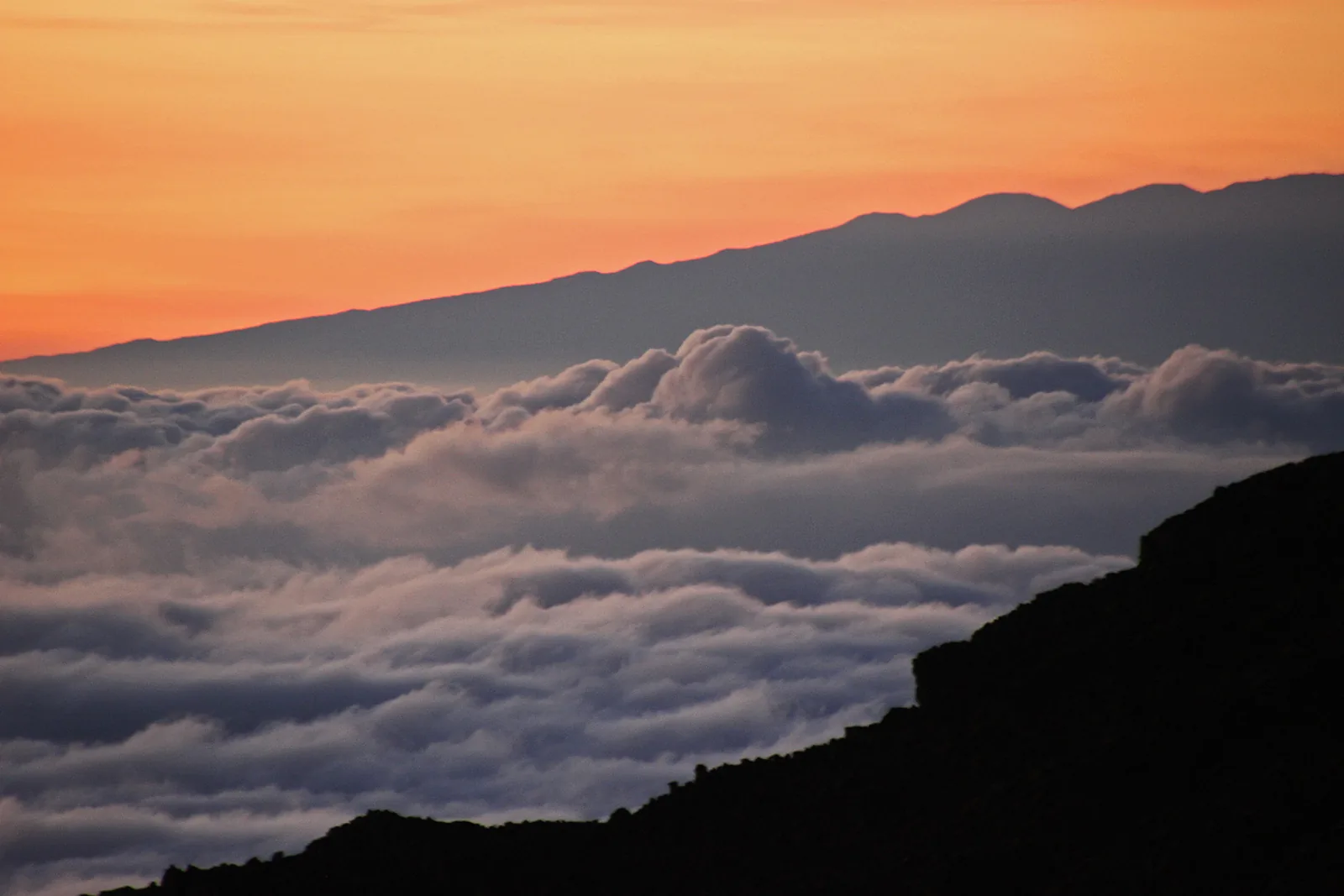
Maui is the best island for whales, and January to March is the time to see them. The summit of Haleakalā is a year-round attraction, but it is cold at dawn in any month and can drop below freezing in winter, so bring layers. Sunrise viewing needs a reservation on recreation.gov, released eight weeks ahead in ten-day blocks, for a $1 fee plus park entry. It’s required for any private vehicle in the summit car parks between 3am and 7am. West Maui is still recovering from the 2023 wildfire; visitors are welcome, but stay out of recovery areas and treat Lahaina with respect.
Kauaʻi
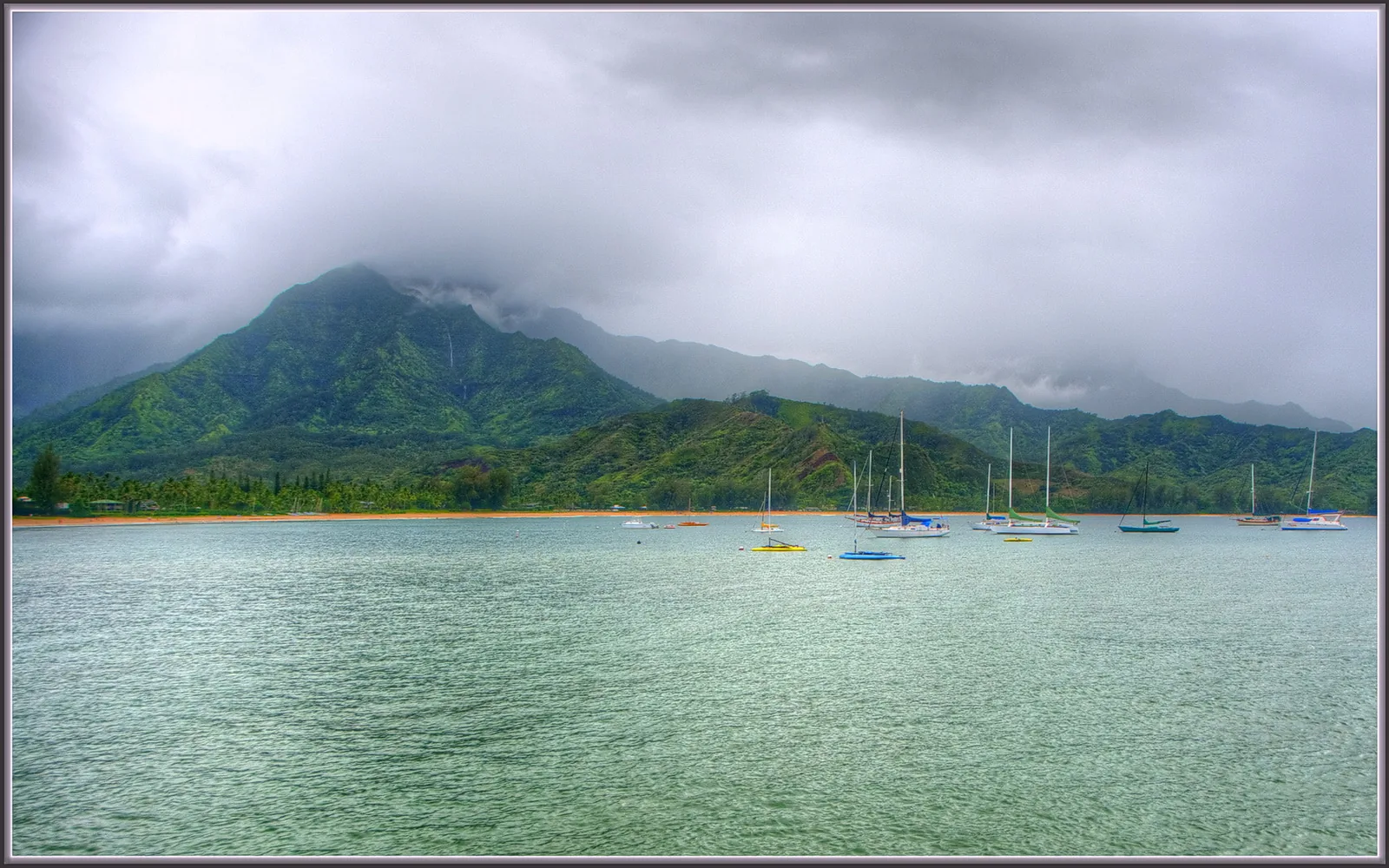
Kauaʻi is famously wet, and its north shore, around Hanalei and Hāʻena, feels the difference between seasons most. From November to March, expect frequent rain, big surf and occasional road closures after heavy storms. From May to September, Hanalei Bay is calm, the reef beaches are swimmable and the Nāpali Coast is at its most accessible. The south shore, around Poʻipū, stays sunnier all year and is the better winter base.
Hawaiʻi Island (the Big Island)
The Big Island has the widest range of climates in the state. Kona and the Kohala coast on the west side are dry and sunny all year, with calm seas most of the time. Hilo and the Hāmākua coast on the east side are lush and wet, with rain in every month. Hawaiʻi Volcanoes National Park, up at around 4,000 feet, can be cool and misty. Kīlauea’s eruption has been episodic since December 2024, pausing for days or weeks between fountaining episodes, so check the USGS Hawaiian Volcano Observatory updates shortly before you go rather than planning around an eruption months ahead. Vog, the volcanic haze, can be a genuine respiratory risk when the winds are light or from the south.
The best time for whales, surf, hiking and more
Whale watching
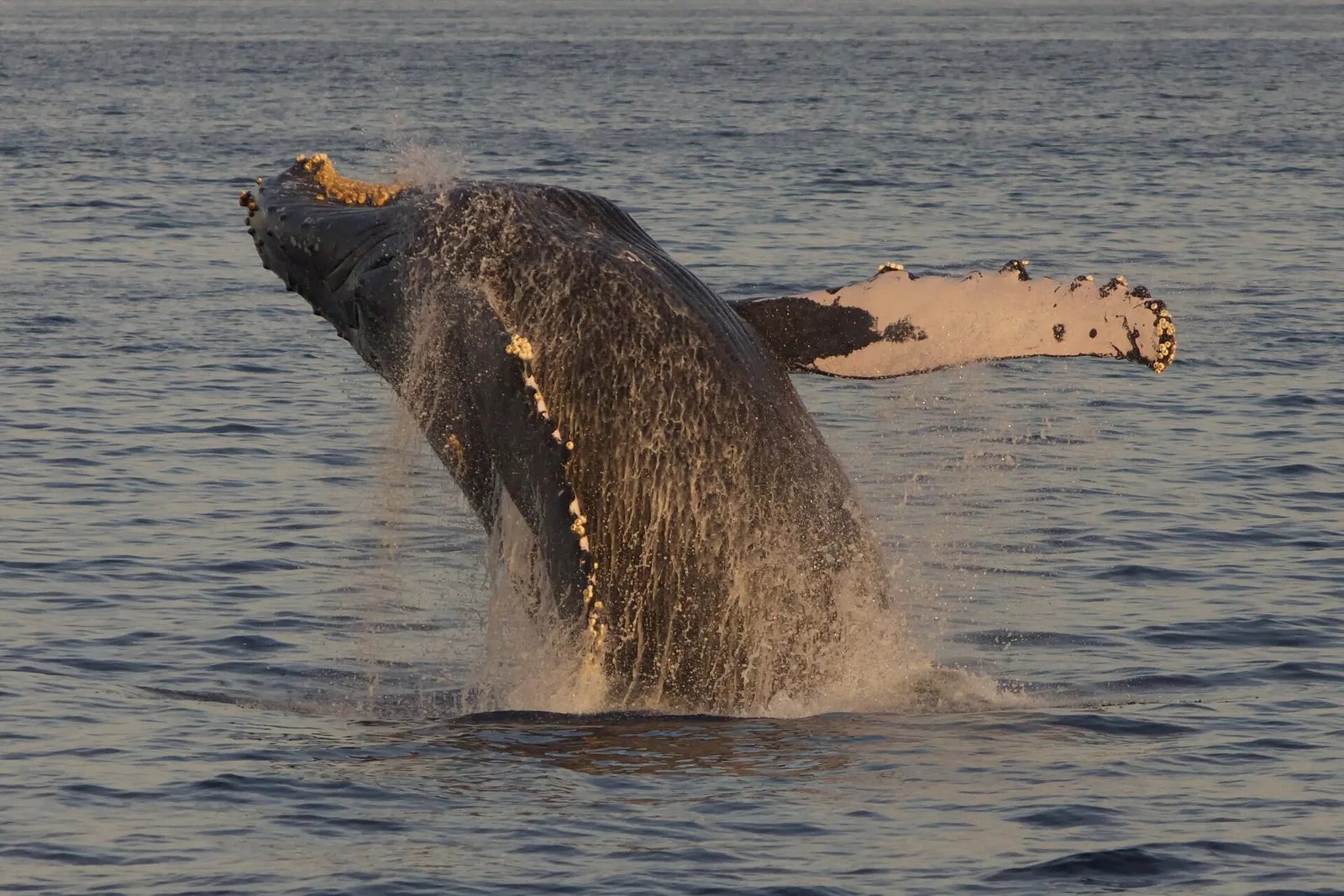
The official whale season runs from 15 December to 15 May, with the peak from January to March. The best sightings are usually between 7am and 10am, before the wind picks up. Maui is the most reliable island, but you can see whales from the shore on Oʻahu at Makapuʻu and Hālona. Federal rules keep boats and swimmers at least 100 yards from humpbacks in Hawaiian waters, so a good shoreline lookout with binoculars can be just as rewarding as a boat trip.
Watching big-wave surfing
Come between November and March, and ideally in December, when the big professional contests hold their waiting periods on Oʻahu’s North Shore. Watching is free, but parking isn’t easy. Never go into the water on a big-wave day, even to paddle in the shallows. The shorebreak and rip currents are lethal, and drowning is the leading cause of injury death among visitors to Hawaiʻi.
Learning to surf
Waikīkī’s gentle, rolling waves make it one of the best places in the world to learn at any time of year. Summer brings bigger south swells, which suit improvers, while winter is usually smaller and friendlier for complete beginners.
Snorkelling
Summer, roughly May to October, is the best time to snorkel on the north shores, from Oʻahu’s Sharks Cove to Kauaʻi’s Tunnels. In winter, stick to sheltered bays such as Hanauma Bay on Oʻahu or the Kona coast. Remember that box jellyfish can arrive on south-facing shores about eight to ten days after each full moon, all year round.
Hiking
The dry season, May to October, is the best time for ridge and valley hikes, when trails are firmer and streams lower. In the wet season, many trails turn muddy and slippery, and flash floods can hit valleys with little warning. Always check trail status before you go, and remember that Haʻikū Stairs is not a hike: the city has been removing it since 2024.
Families
If you’re tied to school holidays, the summer break from mid-June to mid-August offers the most reliable weather and calm north-shore beaches. Late August, after most mainland schools have returned, is the best compromise for families with flexibility. Avoid spring break and the Christmas holidays unless you book very early.
Honeymoons and couples
September, October, late April and May give you warm, quiet beaches and lower prices. For whales and dramatic winter seas, go in January or February, and book the good rooms early.
On a budget
September is the cheapest time to visit, followed by late April and May, early November and the first half of December. Midweek flights are usually cheaper than weekend ones. Budget travellers can get by on about $149 per person per day, while a moderate trip runs $250 to $400 per person per day. Remember that Hawaiʻi’s lodging tax rose to 11 per cent in January 2026 with the new Green Fee, and county surcharge and general excise tax stack on top, so compare all-in prices.
The holidays that shape the crowds
Hawaiʻi’s busiest weeks are set less by the weather than by other people’s calendars. Knowing whose holidays fall when helps you pick the quiet windows.
US mainland holidays drive the biggest swings. Presidents’ Day in February, spring break from March into April, Memorial Day at the end of May, the summer school break from mid-June to mid-August, Labor Day in early September, Thanksgiving at the end of November and, above all, Christmas and New Year all push up prices and fill flights. The weeks between them are where the value is.
Japanese holidays matter most on Oʻahu, where visitors from Japan make up a large share of Waikīkī’s guests. Golden Week, from late April to early May, and the Obon holiday in mid-August both bring a surge of arrivals from Japan, and New Year is busy too.
Australian and New Zealand school holidays run through the southern summer, from mid-December to late January, adding to the pressure on Waikīkī and Maui hotels over the Christmas period.
Local holidays fill beaches, parks and campsites rather than hotels. Prince Kūhiō Day on 26 March, King Kamehameha Day on 11 June and Statehood Day on the third Friday of August are state holidays, and on long weekends local families head to the beach early with tents and coolers. Arrive early, share the space, and don’t take it personally if your favourite beach park is packed on a holiday Monday.
Hurricane season, rain and other risks
Hurricane season runs from 1 June to 30 November, and statistically peaks in August and September. Direct hits on the islands are rare: the last major one was Hurricane Iniki, which devastated Kauaʻi in 1992. More often, storms pass nearby and bring heavy rain, high surf and wind, as Hurricane Lowell did in September 2026. If you travel in hurricane season, buy travel insurance that covers weather disruption, and follow the state and county emergency updates if a storm approaches.
Rain is a bigger factor day to day. Heavy rain can close trails, cause flash floods and wash sewage and runoff into the sea. The Department of Health advises staying out of the ocean for 72 hours after heavy rain, and longer where a brown-water advisory is posted. Check the Clean Water Branch advisories before swimming after a storm.
The ocean is the biggest risk in every season. Winter surf on the north shores and summer swells on the south shores both kill visitors every year. Swim at lifeguarded beaches, ask the lifeguard about conditions, and follow the local rule: when in doubt, don’t go out. Keep 10 feet from turtles and 50 feet from monk seals, whatever the season.
What to pack for each season
The islands are warm all year, but the right kit still depends on when and where you go.
- All year: mineral sunscreen (sunscreens with oxybenzone or octinoxate are banned in Hawaiʻi), a hat, reef shoes, a reusable water bottle and a light rain jacket.
- Winter (November to April): a warm layer for evenings, a proper waterproof if you’re heading to the windward side, Hilo or Kauaʻi’s north shore, and binoculars for whale watching.
- Summer (May to October): snorkel gear if you plan to spend time on the north shores, plenty of sun protection for midday, and breathable clothes for hiking in the heat.
- Mountain summits: Haleakalā and Maunakea can be below freezing before dawn in winter. Bring a fleece, a hat and gloves, whatever the weather at the beach.
- Pearl Harbor: a clear bag, because opaque bags of any kind are not allowed past security.
When to book
The season affects not just what you do, but how far ahead you need to plan. Several of Hawaiʻi’s most popular experiences now run on timed reservations, and in peak months they sell out almost immediately.
| Experience | Booking window | Cost |
|---|---|---|
| USS Arizona Memorial, Pearl Harbor | recreation.gov, 56 days and 1 day ahead, released at 3pm HST | Free, $1 reservation fee |
| Diamond Head State Monument | Up to 30 days ahead | $5 per person plus $10 per vehicle |
| Hanauma Bay | 48 hours ahead at 7am HST; closed Mondays and Tuesdays | $25 |
| Haleakalā sunrise, Maui | recreation.gov, 8 weeks ahead in 10-day blocks | $1 plus park entry |
| ʻIolani Palace tours | Online only, no same-day tickets | $28–34 |
For the holidays, spring break and the summer school break, book flights, hotels and rental cars three to six months ahead. For September, May or early December, you can usually leave it later, though the booking windows above still apply. Our Pearl Harbor visitor guide explains exactly how the Arizona ticket release works, including what 3pm HST means in your own time zone.
Cost: most reservations free to $25 · Book: 48 hours to 8 weeks ahead, depending on site · Allow: set phone alarms for release times in Hawaiʻi time
The best month also depends on the island. Our comparison of the Hawaiian islands explains how weather, surf and whale season differ between Oʻahu, Maui, the Big Island and Kauaʻi.
For whale season, Haleakalā sunrise bookings and the Road to Hāna, see our full guide to things to do in Maui, including how to visit Lahaina respectfully as it rebuilds.
Frequently Asked Questions
What is the best time to visit Hawaii?
September is the best month for most visitors. In 2025 it drew about 213,000 fewer visitors than March, hotels averaged just $315 a night, the sea was at its warmest and Honolulu stayed dry. Late April and May are a close second. Come from mid-December to March for whales and big-wave surfing, but expect higher prices and book early.
What is the cheapest month to go to Hawaii?
September is usually the cheapest. In 2025, the statewide average hotel rate fell to $315 in September, against $379 in February. Late April and May, early November and the first three weeks of December are also good value. Avoid the Christmas and New Year holidays, spring break and the July school holidays if price matters most.
When is whale season in Hawaiʻi?
Humpback whale season runs from 15 December to 15 May, with the peak from January to March. Maui is the most reliable island, especially the channels between Maui, Molokaʻi and Lānaʻi. On Oʻahu, watch from Makapuʻu or Hālona in the early morning. Federal rules keep boats and swimmers at least 100 yards away.
What is the rainiest month in Hawaiʻi?
It depends where you are. At Honolulu’s airport, December is the wettest month, averaging 2.55 inches, and June the driest, at 0.57 inches. The windward coasts, Hilo and Kauaʻi’s north shore get many times more rain, and in every month. For the driest weather, stay on the leeward side: Waikīkī, Kona or Poʻipū.
Should I worry about hurricane season in Hawaiʻi?
Hurricane season runs from June to November and peaks in August and September, but direct hits are rare; the last major one was Iniki on Kauaʻi in 1992. Nearby storms can still bring heavy rain, surf and closures, as Hurricane Lowell did in September 2026. Buy travel insurance and check the Central Pacific Hurricane Center before you fly.
When is the ocean warmest in Hawaiʻi?
The sea is warmest in late summer and early autumn, peaking around 80–82°F at Waikīkī in September. It’s coolest in February and March, at around 75–76°F. That’s a narrow range, and the water is comfortable for swimming all year, though some people prefer a thin wetsuit top for long snorkels in winter.
Is December a good time to visit Hawaiʻi?
The first three weeks of December are excellent: moderate prices, pleasant weather and events such as Honolulu City Lights, the Pipe Masters waiting period and the Honolulu Marathon. From about 20 December to early January, it’s the most expensive and crowded time of year. Book months ahead if you’re coming for the holidays.
How far in advance should I book a trip to Hawaiʻi?
For the Christmas and New Year holidays, spring break or the July school holidays, book flights, hotels and rental cars three to six months ahead. For quieter months such as September, May or early December, a couple of months is usually enough. Timed reservations for places like Pearl Harbor, Diamond Head, Hanauma Bay and Haleakalā have their own windows, from 48 hours to eight weeks ahead.
Photo Credits
- Humpback whale breaching off Maui (featured): Jkrauska, CC BY-SA 3.0
- Map: honolulutourism.org; coastline data © OpenStreetMap contributors, ODbL
- Winter surf: Johannes Andersson, CC0
- Merrie Monarch Festival, Hula Hālau O Kamuela: Allanbcool, CC BY-SA 4.0
- Waimea Bay: Travisthurston, CC BY-SA 3.0
- Hanalei Bay: Terry Lucas, CC BY 3.0
- Honolulu City Lights: Daniel Ramirez, CC BY 2.0
- Haleakalā sunrise: scott1346, CC BY 2.0
- Rainbow Falls, Hilo: Eric Tessmer, CC BY 4.0