The Honolulu Zoo stops letting people in at 15:00, an hour before it closes, and that catches out visitors who arrive late in the afternoon. A short walk along the shore, the Waikīkī Aquarium opens at 09:00, costs less and is in the middle of a renovation. Both are small, old, inexpensive by Hawaiʻi standards and a short walk from the hotels. Which one deserves your morning depends on who you’re travelling with, the weather and how much you want to see Hawaiian sea life rather than African savanna.
Here’s what each costs in 2026, what you’ll actually see, how long to allow, and the case for doing both on the same day.
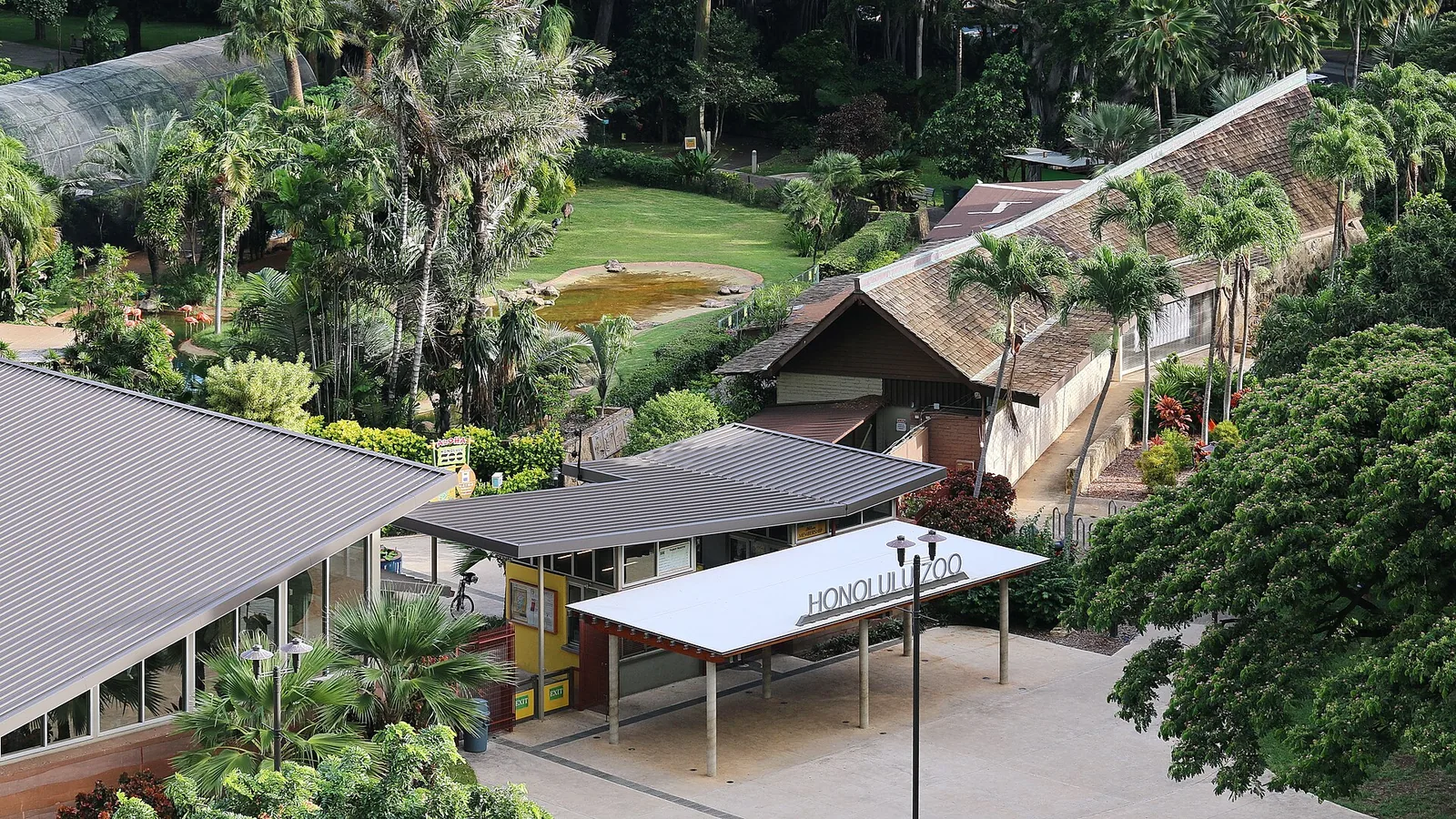
Honolulu Zoo or Waikiki Aquarium: The Quick Verdict
If you only have time for one, choose the zoo for children who want big animals, and the aquarium for anyone who’s going to snorkel. The aquarium is the better introduction to the reef fish, corals and monk seals of Hawaiʻi; the zoo is a pleasant, shady tropical zoo with elephants, rhinos and giraffes that you could find in many other cities.
| Honolulu Zoo | Waikīkī Aquarium | |
|---|---|---|
| Adult ticket (2026) | $21 (13+) | $12 |
| Child ticket | $13 (3–12); under 3 free | $5 (4–12); 3 and under free |
| Kamaʻāina / military | $10 adult, $6 child | $8 |
| Hours | 10:00–16:00, last entry 15:00 | 09:00–16:30, building closes 17:00 |
| Time to allow | 2–3 hours | 1–1.5 hours |
| Size | 42 acres, mostly outdoors | 2.35 acres, mostly indoors |
| Best for | Toddlers to about 10; animal lovers | Snorkellers, rainy mornings, all ages |
| Worst for | Hot afternoons, heavy rain | Anyone expecting a big modern aquarium |
A family of two adults and two children aged 4 to 12 pays $68 at the zoo and $34 at the aquarium: $102 for both. Our Go Oʻahu Card maths explains whether a sightseeing pass pays off at these prices.
The Honolulu Zoo: What to Expect
A Zoo in a Royal Park
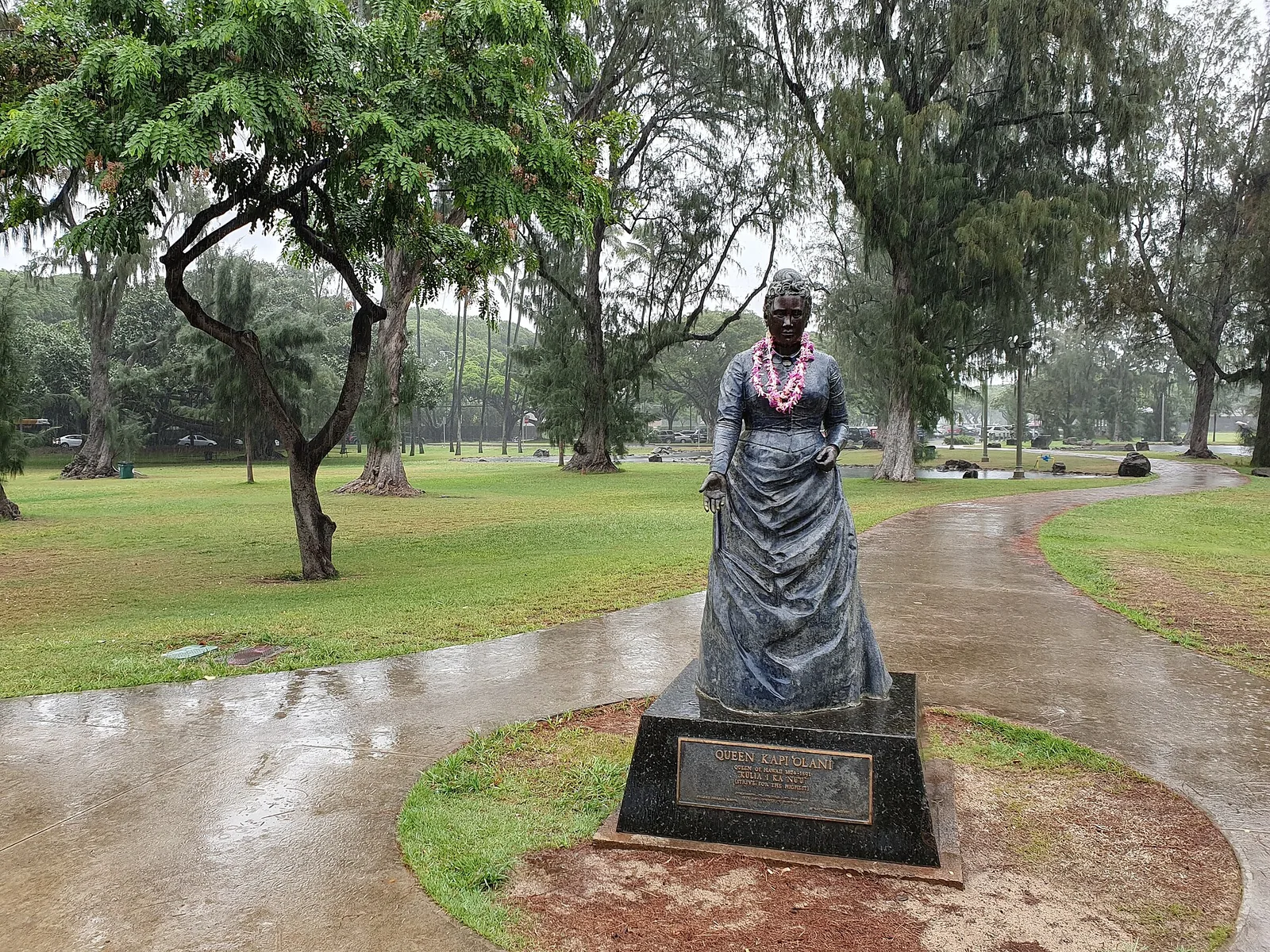
The zoo’s story begins with King Kalākaua. In 1876 he made Crown lands at the foot of Lēʻahi (Diamond Head) available for a public park, and in 1877 the park was dedicated and named for Queen Kapiʻolani. The City took over the park in 1914, and its first park director, Ben Hollinger, began collecting animals: a monkey, a bear and an African elephant were among the first. In 1947, 42.5 acres of the park were set aside as the Honolulu Zoo. A 1984 master plan reorganised it into the three zones you still walk through today.
That royal history is unusual for an American zoo (our guide to Hawaiian culture and history covers Kalākaua’s reign), and so is the location. The zoo describes itself as the only zoo within a radius of 2,392 miles, which is a good reminder of how far every animal here has travelled.
The Three Zones and Their Animals
The zoo is arranged as the African Savanna, the Asian and American Tropical Forests and the Pacific Islands. It is home to 905 animals, according to the zoo itself, on 42 acres of shaded paths.
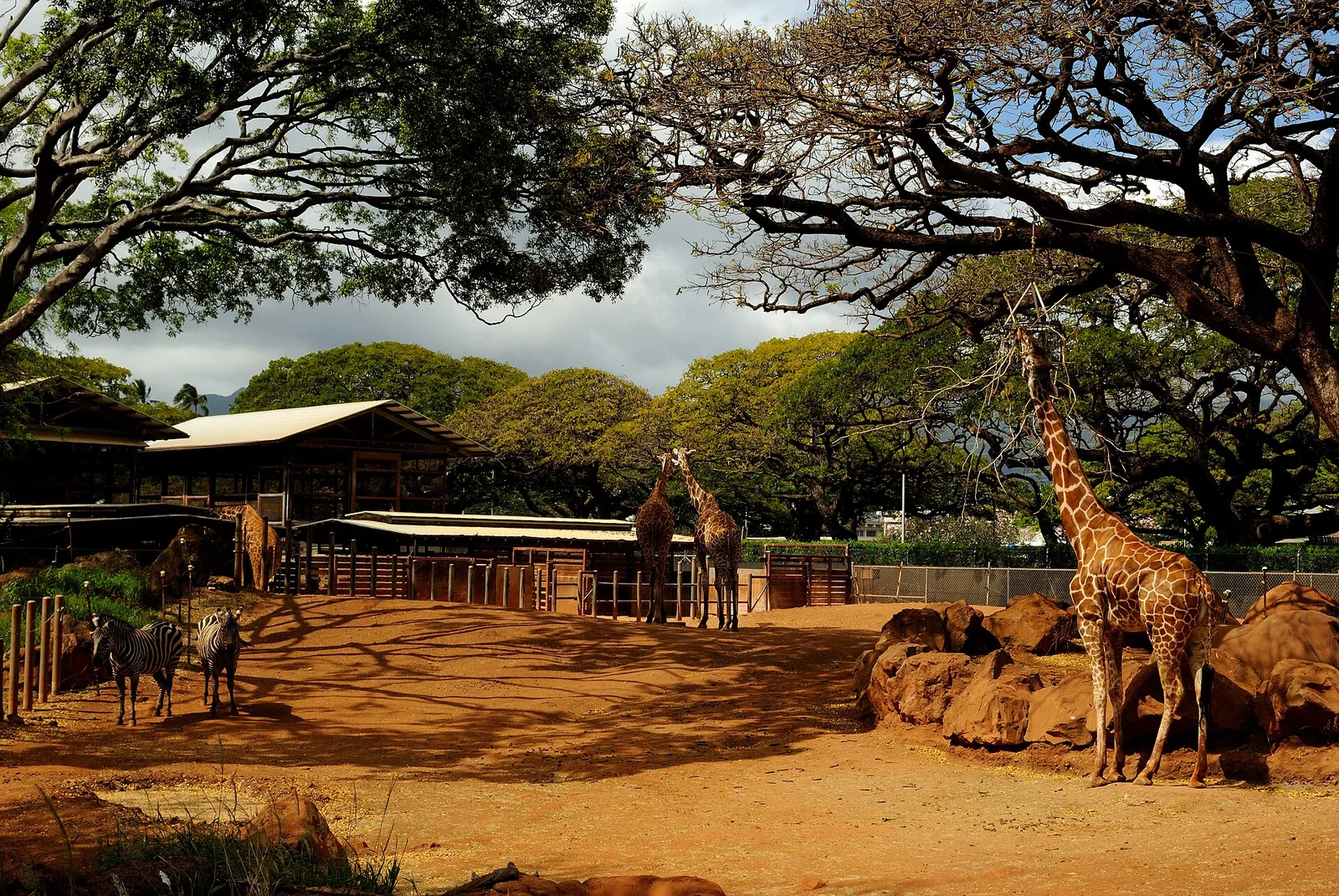
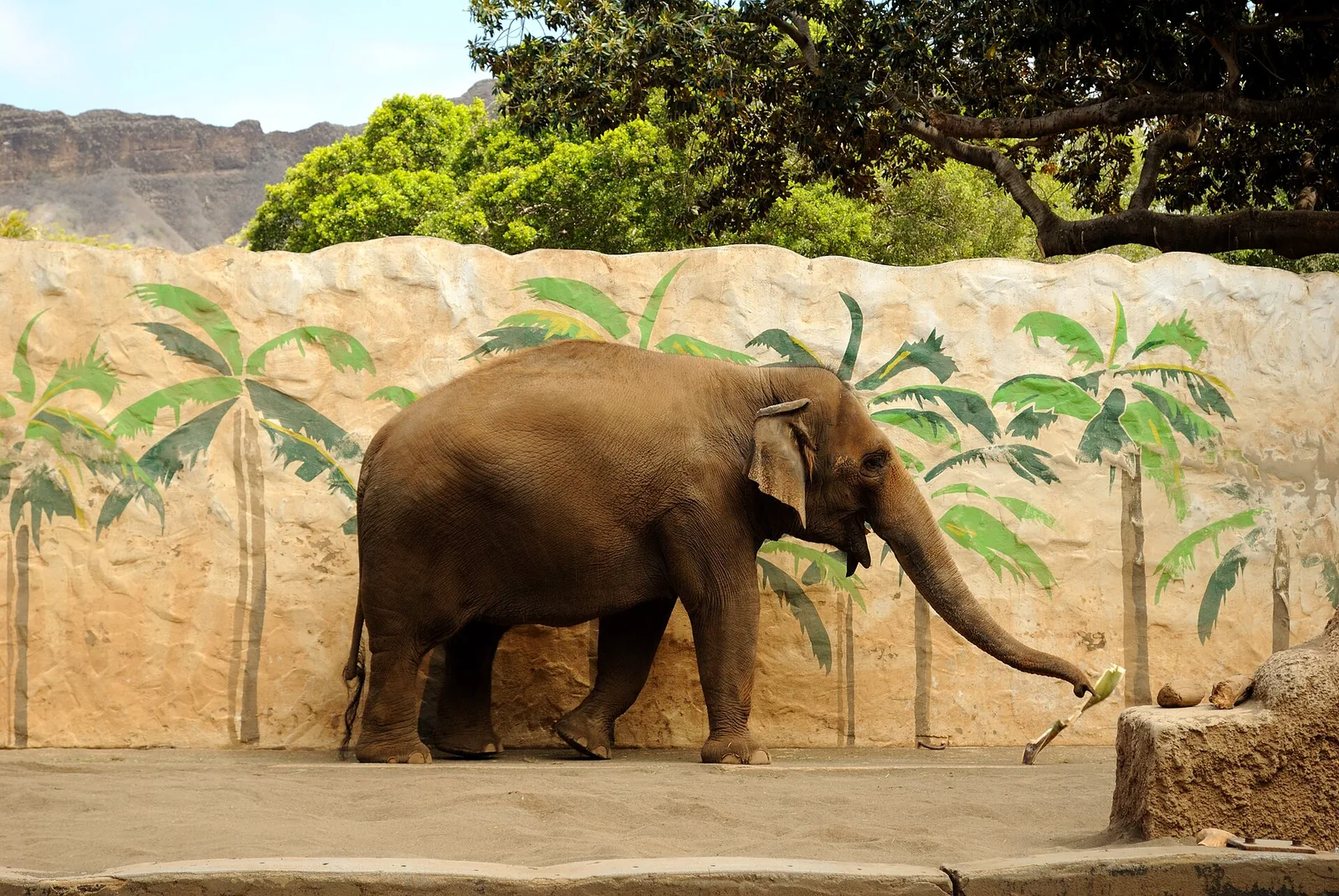
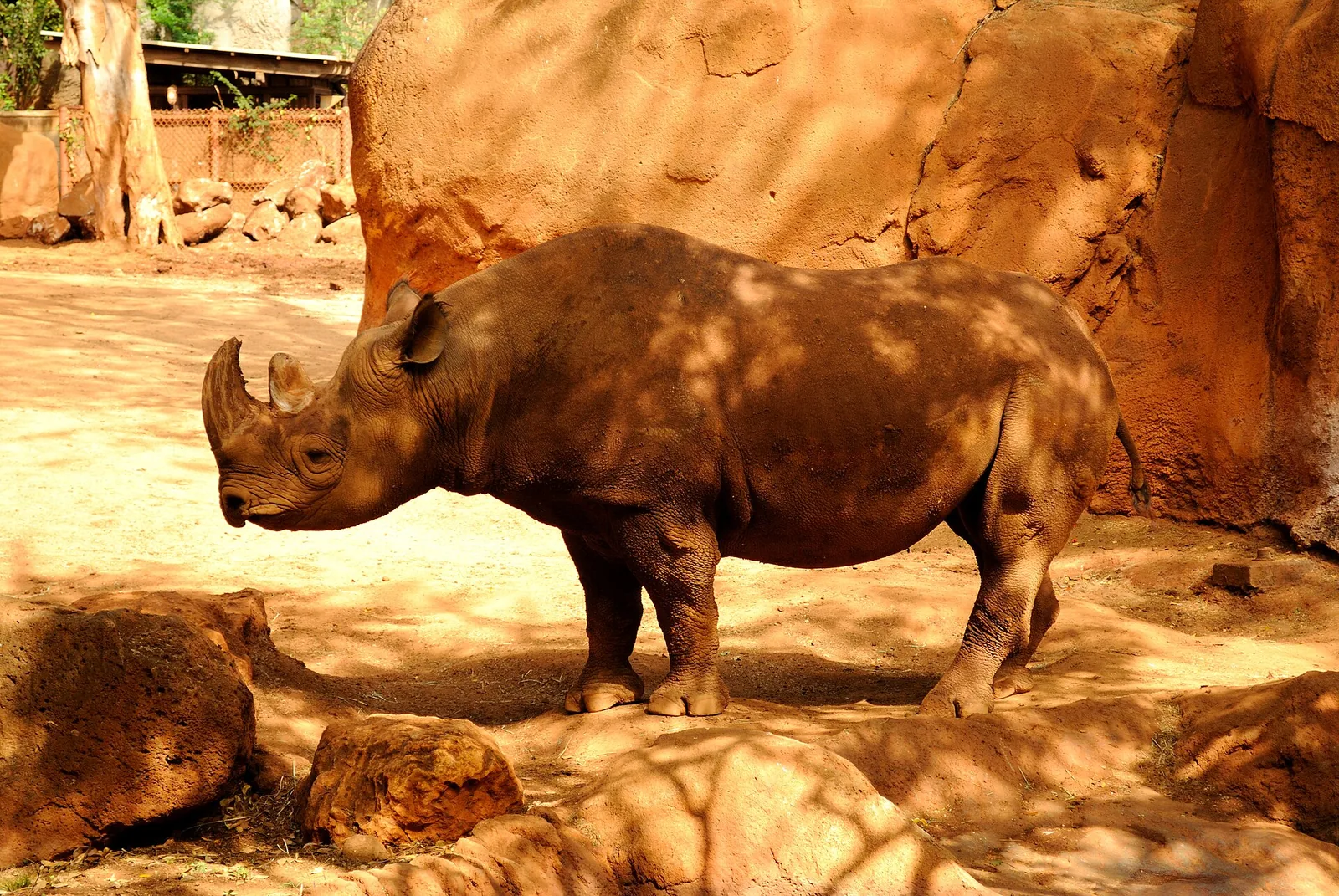
The savanna is the highlight for most families: giraffes in the big savanna paddock, black rhinoceros, cheetahs, warthogs and aardvarks. The tropical forest section has Asian elephants, orangutans and a reptile collection that includes crocodile monitors and tortoises such as the Aldabra, Galápagos and angonoka. The Pacific Islands zone brings the focus closer to home.
The Keiki Zoo is the children’s area, and the place to head if your youngest is losing interest; it has its own daily animal-lunch talk at 13:15.
Keeper Talks: Plan Your Visit Around Them
The best way to see the animals active is to be there when the keepers are. The zoo publishes a weekly schedule of keeper talks, and it’s worth building your visit around one or two of them:
| Animal | Days | Time |
|---|---|---|
| Toucan | Mon, Wed, Fri, Sat | 10:45 |
| King vulture | Tue, Thu, Sun | 10:45 |
| Giraffe | Sat, Sun | 11:30 |
| Warthog | Sat | 11:30 |
| Keiki Zoo animal lunch | Daily | 13:15 |
| Elephant | Daily | 13:30 |
| Rhino | Mon 13:30; Tue, Wed 14:30 | As shown |
| Sloth | Daily | 13:45 |
| Orangutan | Sun | 14:00 |
| Cheetah | Thu, Fri | 15:00 |
Schedules can change with animal welfare and weather, so check the free zoo app or the keeper talks page on the zoo’s website on the day. The daily elephant talk at 13:30 is the most reliable anchor for a midday visit.
Twilight Tours
The zoo’s Twilight Tour is a two-hour guided walk after the gates close, through the African Savanna, Primate Island and the reptile area, when many animals are more active than in the midday heat. It goes ahead in light rain; in heavy rain it is rescheduled or refunded. Tours start from Gate 6, off the Kapahulu Avenue parking lot, and you can cancel for a refund up to 24 hours ahead. Check the Twilight Tours page on the zoo’s website for the current dates and start times, and book ahead.
Cost: $30 adult, $25 child 2–12, under 2 free; kamaʻāina $25 / $20 · Book: honoluluzoo.org, Tours · Allow: 2 hours
Tickets, Hours and Getting Around Inside
The zoo is open every day from 10:00 to 16:00, with last entry at 15:00. General admission is $21 for anyone 13 and older and $13 for children aged 3 to 12; under-3s are free. Hawaiʻi residents and military pay $10 per adult and $6 per child, with Hawaiʻi ID or military ID shown at the booth.
Double strollers and wheelchairs can be rented at the gift shop by the entrance for $15 each, first come, first served, with a card or ID as deposit; they must be back by 15:30. The paths are flat and mostly paved, which makes the zoo one of the easier attractions in Honolulu with a buggy.
Arrive close to 10:00. The animals are most active in the cooler first hours, the paths are quieter, and by early afternoon the savanna can be hot and still. Bring water, hats and sunscreen, and use the shade of the big trees between exhibits.
Cost: $21 adult, $13 child 3–12; kamaʻāina/military $10 / $6 · Hours: daily 10:00–16:00, last entry 15:00 · Bus: routes 2 and 13 along Kapahulu Ave; W Line from the airport · Allow: 2–3 hours
Is the Honolulu Zoo a Good Zoo?
It’s a well-run small city zoo rather than a destination zoo, and it’s honest to say so. The Association of Zoos and Aquariums (AZA), which sets the standards for animal care, education and conservation at accredited zoos in the US, listed the Honolulu Zoo among the facilities it accredited in its spring 2026 results. That matters: it means the zoo has passed an independent inspection of how its animals are housed and cared for.
What it can’t offer is scale. Many mainland visitors will have seen bigger elephant herds and larger savannas at home. What makes this one worth an hour or three is the setting, with Diamond Head behind the enclosures and the beach a block away, the keeper talks, and the fact that it’s one of the few things in Waikīkī that small children enjoy as much as the sand.
The Waikīkī Aquarium: What to Expect
A Century on the Shoreline
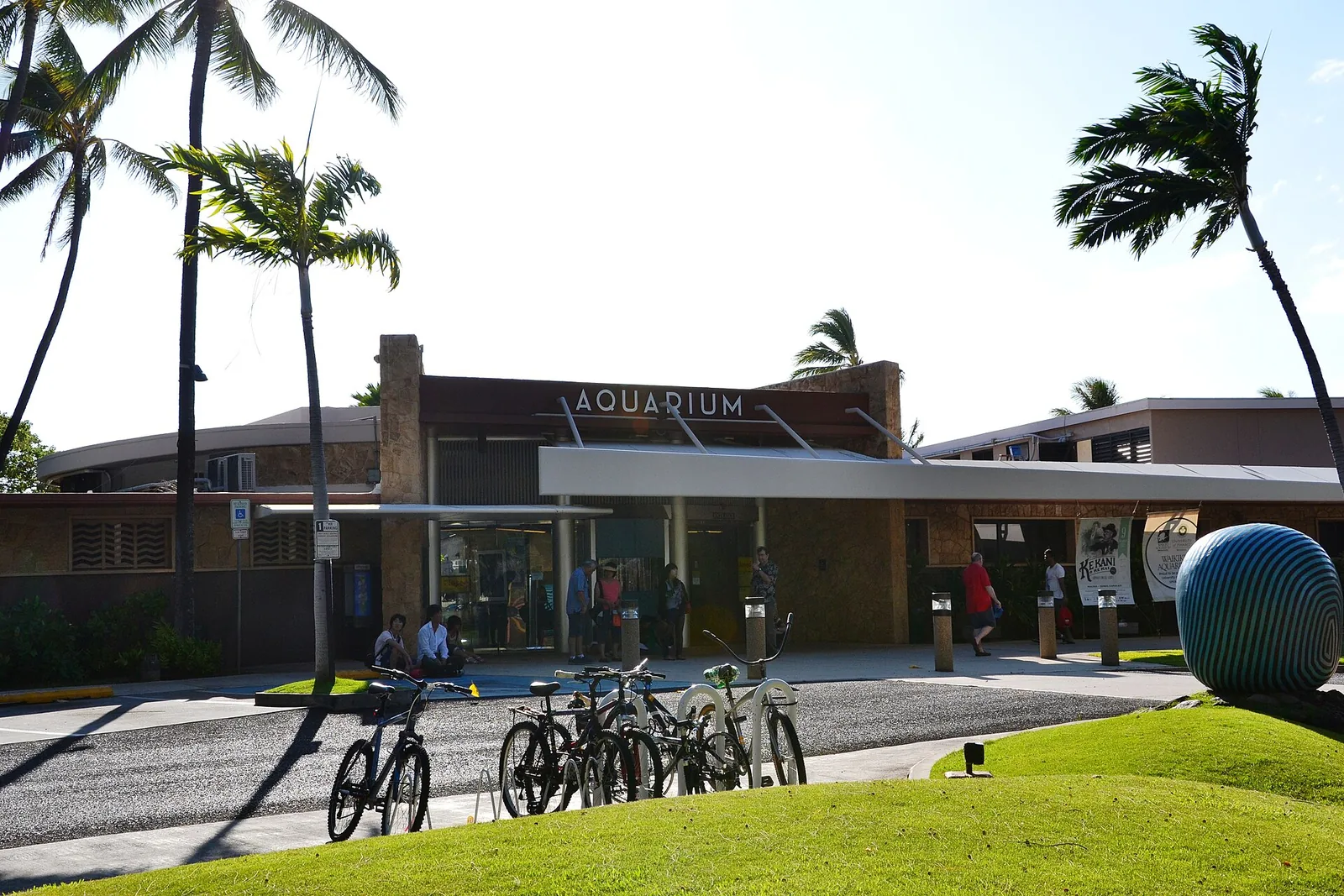
The aquarium opened on 19 March 1904 as the Honolulu Aquarium, and it calls itself the second-oldest public aquarium in the United States. The University of Hawaiʻi took it over in 1919, and the present building opened in 1955 on a 2.35-acre site right on the water at 2777 Kalākaua Avenue. It is still run by the university, which gives it a research and conservation focus that larger commercial aquariums don’t have.
Expect a modest building. There is no walk-through tunnel or giant ocean tank. What there is, instead, is a careful collection of the fish, invertebrates and corals of Hawaiʻi and the wider Pacific, much of which you could meet on a snorkel a few hundred feet away.
The Exhibits
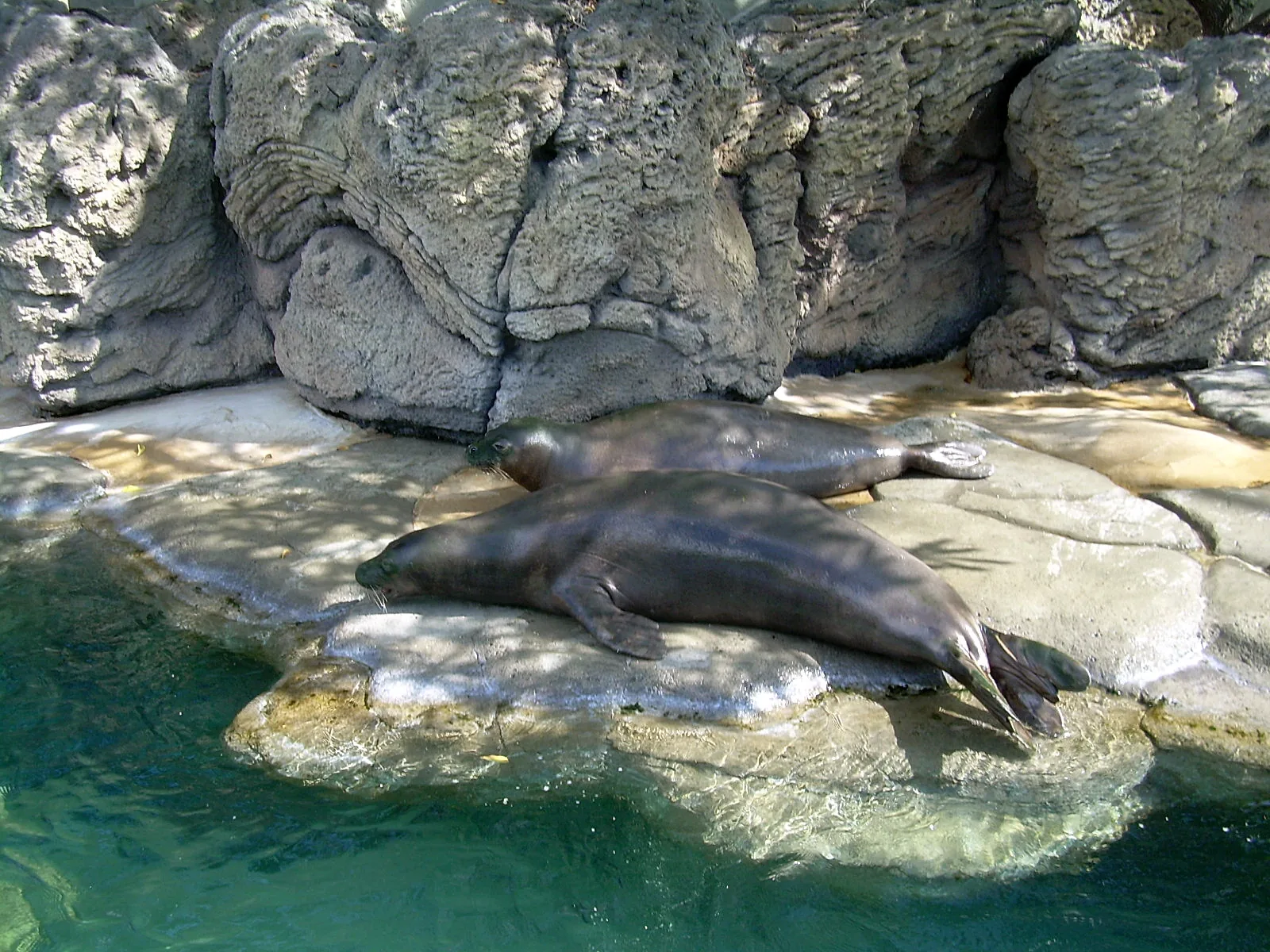
The Hawaiian Monk Seal Habitat is the star. The male monk seal Hōʻailona is back in his refurbished enclosure. Hawaiian monk seals are among the most endangered marine mammals in the world, and this is the easiest way to see one up close without disturbing a wild seal on a beach.
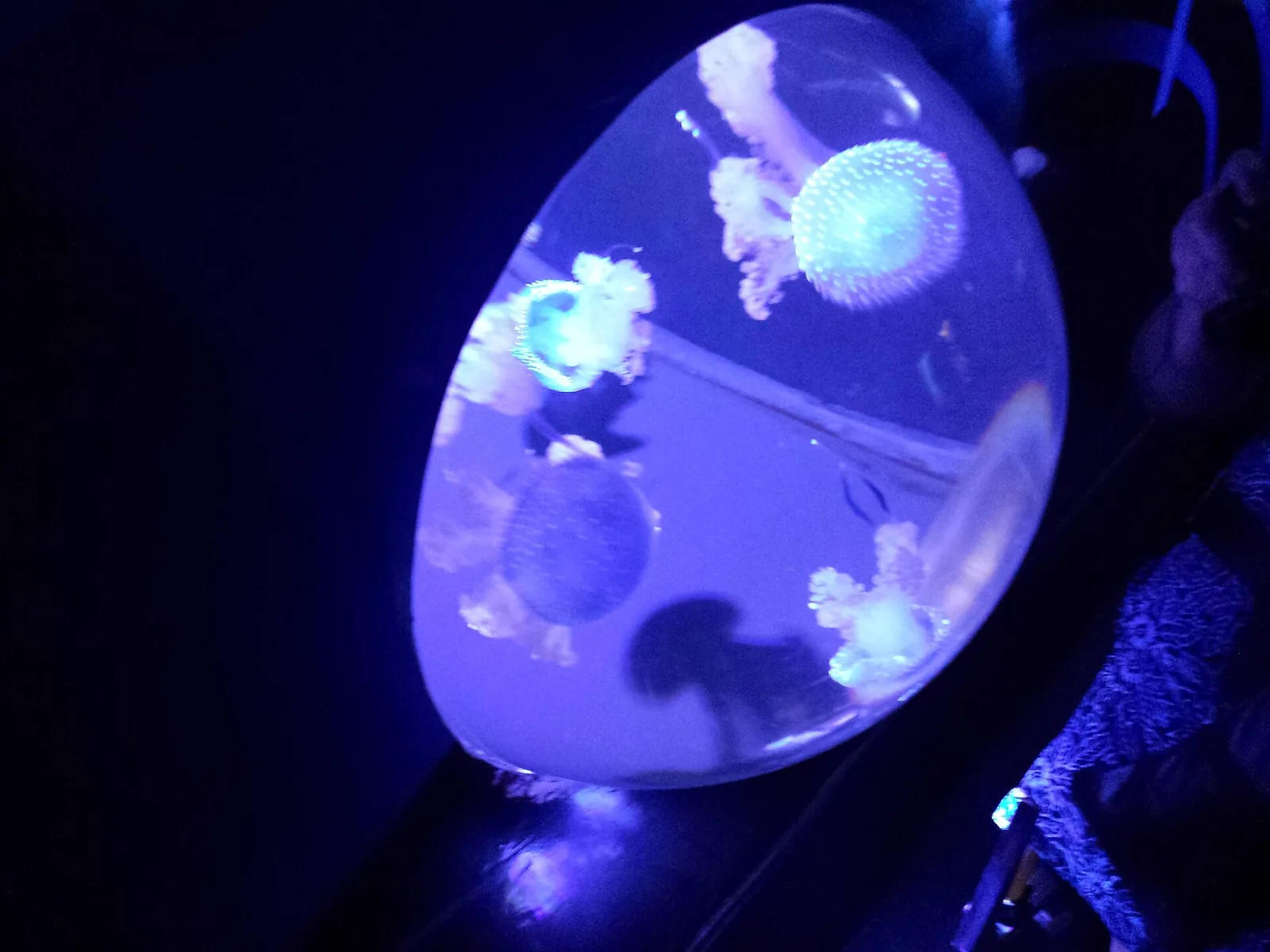
Indoors, the Living Reef gallery, opened in 2019, recreates a Hawaiian reef with live coral. Ocean Drifters is the jellyfish gallery, lit to show off their translucence. Hunters on the Reef has the predators, and there are galleries for giant clams, a coral farm, seahorses and seadragons in Amazing Adaptations, and wildlife from the remote Northwestern Hawaiian Islands. Admission includes a free mobile audio guide.
The aquarium is open while it undergoes renovations, and some areas are changing. The outdoor Edge of the Reef exhibit has been dismantled for infrastructure work, with a redesign planned, and the old mullet tank is being replaced by a new habitat. Ask at the front desk what’s closed before you pay if a particular exhibit matters to you.
Research, Coral and a New Chapter
Because the university runs it, the aquarium is as much a marine science centre as an attraction. Its coral farm grows Pacific corals in tanks, and the Living Reef shows what a healthy Hawaiian reef looks like, which is useful context before you see the real thing. Its Immersion Theater now screens the coral-reef documentary Chasing Coral alongside 360-degree ocean videos, and an interim director has led the aquarium since early 2026.
The aquarium has also started on the AZA’s pathway towards accreditation, with a goal of earning it in about five years. For visitors, the practical upshot is a small aquarium in transition: more building work than usual, but also new exhibits arriving over the next few years. If you were last here a decade ago, expect changes.
Tickets and Hours
General admission is $12. Children aged 4 to 12, seniors 65 and over and visitors with disabilities pay $5; children 3 and under are free; Hawaiʻi students, kamaʻāina and military pay $8 with ID. Tickets are sold at the front desk, and under-18s must come with an adult.
The aquarium is open daily from 09:00 to 16:30, and the building closes at 17:00. Note the 2026 holiday changes: on Thanksgiving, 26 November, it closes early at 14:30; it is closed all day on Sunday 13 December for the Honolulu Marathon and on Christmas Day; and on New Year’s Day 2027 it opens late, at 11:00.
Cost: $12 adult; $5 child 4–12 and seniors; kamaʻāina/military $8 · Hours: daily 09:00–16:30 · Book: front desk, no booking · Allow: 1–1.5 hours
The Box Jellyfish Calendar
The aquarium also performs a public service every swimmer on the south shore should know about. Box jellyfish tend to drift onto south-facing beaches, including Waikīkī, in the days after a full moon. The aquarium publishes a box jellyfish calendar on its website that marks each full moon and flags the days of highest risk afterwards. Check it before a beach day, and if lifeguards post warnings, stay out of the water. Our Oʻahu snorkelling guide covers the other basics of ocean safety; drowning is the leading cause of injury death for visitors to Hawaiʻi.
Which Is Worth It for You?
Toddlers and preschoolers. The zoo, without question. Flat paths, big animals, the Keiki Zoo and stroller rental make it a natural morning. Children under 3 get in free. The aquarium suits them too, for an hour, and is free for 3s and under.
Children aged 5 to 12. Both, ideally. At $13 and $5, a child’s tickets for the two cost $18 together. If you must pick, choose the zoo for animal-mad children and the aquarium for anything ocean-shaped, especially before a first snorkel.
Teenagers and adults without children. The aquarium. It’s cheaper, shorter and more distinctly Hawaiian, and it fills the gap between a morning swim and lunch. The zoo is pleasant, but adults travelling without children often find it small.
Rainy days. The aquarium is mostly indoors and the obvious choice. The zoo stays open in light rain, and the animals often enjoy it, but heavy rain makes it a soggy walk. For more wet-weather plans, see our list of rainy day activities on Oʻahu.
Snorkellers. The aquarium, before your first trip into the water. Learning what a humuhumunukunukuāpuaʻa or a parrotfish looks like at the aquarium makes every snorkel afterwards better.
Kamaʻāina and military. Both are excellent value with ID: $10 and $6 at the zoo, $8 at the aquarium.
For more family planning, our guide to Hawaiʻi with kids covers the island’s other child-friendly attractions and the logistics of travelling with children.
Doing Both in One Day
The two are at opposite ends of the same park, so combining them is easy. The aquarium opens an hour earlier than the zoo, which sets the order:
- 09:00: the aquarium as it opens, before the tour groups. Allow an hour to an hour and a half.
- 10:30: walk back along Kalākaua Avenue through Kapiʻolani Park, with the beach on one side and the banyans on the other.
- 11:00: the zoo, in time for the giraffe talk on weekends. Lunch, then the Keiki Zoo animal lunch at 13:15 and the elephant at 13:30.
- 15:00: leave the zoo for the beach, before the hottest part of the walk back.
That’s a full, easy day for a family, and for $102 for two adults and two school-age children it’s an inexpensive full day of sightseeing in Honolulu. Add a swim at Kaimana Beach or Queen’s Surf in the afternoon and you’ve barely needed the car; our Oʻahu itinerary shows where a day like this fits in a week.
Getting There and Parking
On foot. From most Waikīkī hotels both are a walk. The zoo is at the corner of Kapahulu and Kalākaua Avenues, at the Diamond Head end of the Waikīkī strip; the aquarium is further along Kalākaua, on the shoreline side of Kapiʻolani Park. Our guide to Waikīkī Beach has a map of the neighbourhood.
By bus. TheBus routes 2 and 13 both run along Kapahulu Avenue past the zoo, and the W Line from the airport’s Lelepaua station ends on Kapahulu Avenue opposite Cartwright Road, right by the zoo. A ride costs $3.25 in cash, and a HOLO card caps your fares at $7.50 a day. Some older directions, including the aquarium’s own page, still list bus routes that no longer run to Waikīkī; plan your trip on thebus.org or the DaBus2 app. Our guide to getting around Oʻahu explains fares and the HOLO card.
By car. The zoo’s lot on Kapahulu Avenue charges $1.50 an hour; check the posted signs for any time limit. The Waikīkī Shell lot on Monsarrat Avenue is free and a short walk away. At the aquarium, there is metered street parking on the park side of Kalākaua Avenue and a very few free stalls in front for aquarium visitors; on busy days the desk hands out two-hour parking passes. Holders of disability placards still pay at the zoo’s metered parking unless they hold an exempt permit.
By bike. Biki is Oʻahu’s bike-share scheme; check the map on gobiki.org for the nearest dock to each entrance.
Seeing the Real Thing
The best reason to visit the aquarium is that Oʻahu lets you follow it up in the wild. The same reef fish swim off Waikīkī’s beaches, green sea turtles (honu) graze along the shoreline, and Hawaiian monk seals sometimes haul out on beaches around the island, including Kaimana, just past the aquarium.
Watching wildlife here comes with rules, and they’re the law, not a courtesy. Stay at least 10 feet from turtles and 50 feet from monk seals, never touch or feed either, and give a resting seal a wide berth even if people around you don’t. Our North Shore guide covers Laniakea, where turtles often rest on the sand, and our guide to the best beaches on Oʻahu picks the calmest water for a first snorkel by season.
If you’re staying at the Diamond Head end of Waikīkī, both the zoo and the aquarium are on your doorstep; our guide to where to stay on Oʻahu compares the different parts of Waikīkī. For lunch between the two, Kapahulu Avenue, running inland from the zoo, has some of the best casual food in Honolulu; see our Honolulu food guide.
More to Do Around Kapiʻolani Park
The zoo and aquarium are two corners of a park that rewards an unhurried afternoon. Kapiʻolani Park’s lawns, banyans and bandstand are free, and the Waikīkī Shell hosts evening concerts. Between the aquarium and the Diamond Head end of the beach, the arched War Memorial Natatorium still stands, though its pool has been closed since 1979. Kaimana Beach, just beyond, is calm and popular with local families, and monk seals sometimes haul out there; stay 50 feet back.
On weekends, artists hang their work on the zoo’s Monsarrat Avenue fence in an informal outdoor gallery. Days and numbers vary, so treat it as a bonus rather than a plan.
Behind it all rises Diamond Head. If you want to climb it, book a slot ahead; our Diamond Head hike guide has the reservation rules. For the best viewpoints in the neighbourhood, see our guide to the most instagrammable places on Oʻahu, and for more of the city our list of the best things to do in Honolulu. The full island picture is in our guide to the best things to do in Oʻahu, and much of what’s around the park appears in our list of free things to do in Oʻahu.
Staying on after the zoo closes? Kapiʻolani Park and Queen’s Surf are among the best sunset spots on Oʻahu from October to March, when the sun goes down over open water.
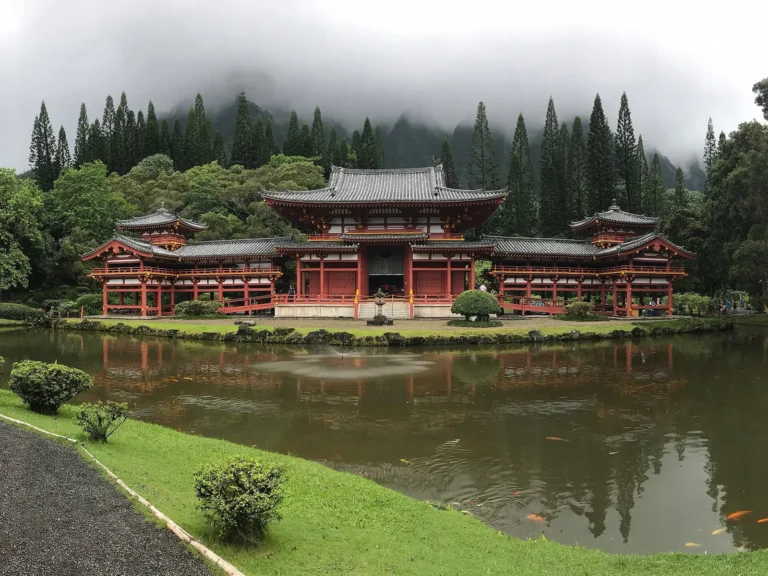
For a calmer cultural stop on the windward side, see our guide to the Byodo-In Temple in Kāneʻohe, with its three-ton peace bell and koi pond, a short visit that children enjoy too.
Frequently Asked Questions
How long do you need at the Honolulu Zoo?
Two to three hours covers the whole zoo at a family pace, including a keeper talk or two. Arrive close to the 10:00 opening, when the animals are most active and the paths are cooler. Remember that the last entry is at 15:00, even though the zoo stays open until 16:00, so an afternoon visit needs to start by early afternoon.
How much are Honolulu Zoo tickets in 2026?
General admission is $21 for visitors 13 and older and $13 for children aged 3 to 12; children under 3 are free. Hawaiʻi residents and military pay $10 per adult and $6 per child with ID. The Twilight Tour is a separate ticket, at $30 for adults and $25 for children aged 2 to 12.
Is the Waikiki Aquarium worth it?
Yes, especially at $12 for adults and $5 for children aged 4 to 12. It’s small and partly under renovation, so allow about an hour, but it’s a good introduction to Hawaiian reef life and the endangered Hawaiian monk seal. It’s ideal before your first snorkel, or on a rainy morning, and it opens at 09:00.
Can you walk from Waikiki to the Honolulu Zoo?
Yes. The zoo is at the corner of Kapahulu and Kalākaua Avenues, at the Diamond Head end of Waikīkī, within walking distance of most hotels. The aquarium is further along Kalākaua Avenue on the edge of Kapiʻolani Park. TheBus routes 2 and 13 run along Kapahulu Avenue if you’d rather ride, and the W Line from the airport ends beside the zoo.
Is there parking at the Honolulu Zoo?
Yes. The zoo’s lot, entered from Kapahulu Avenue, charges $1.50 an hour. The Waikīkī Shell lot on Monsarrat Avenue is free and a short walk away. At the aquarium, use the metered street parking on the park side of Kalākaua Avenue; there are only a few free stalls in front.
Is the Waikiki Aquarium open every day?
It opens daily from 09:00 to 16:30, but with exceptions. In 2026 it closes early on Thanksgiving (26 November, 14:30), all day on Sunday 13 December for the Honolulu Marathon and on Christmas Day, and opens at 11:00 on New Year’s Day 2027. Check the aquarium’s hours page before any holiday visit.
Prices, hours and keeper-talk times were checked on 15 October 2026 against honoluluzoo.org, waikikiaquarium.org and thebus.org.
Photo Credits
- Honolulu Zoo: Robert Linsdell from St. Andrews, Canada, CC BY 2.0
- Queen Kapiʻolani statue: Syced, CC0
- Giraffes and zebras, Honolulu Zoo: Daniel Ramirez from Honolulu, USA, CC BY 2.0
- Asian elephant, Honolulu Zoo: Daniel Ramirez from Honolulu, USA, CC BY 2.0
- Black rhinoceros, Honolulu Zoo: Daniel Ramirez from Honolulu, USA, CC BY 2.0
- Waikīkī Aquarium entrance: Simon_sees from Australia, CC BY 2.0
- Waikīkī Aquarium jellyfish: Jackhill, CC0
- Monk seal habitat, Waikīkī Aquarium: ErgoSum88, public domain
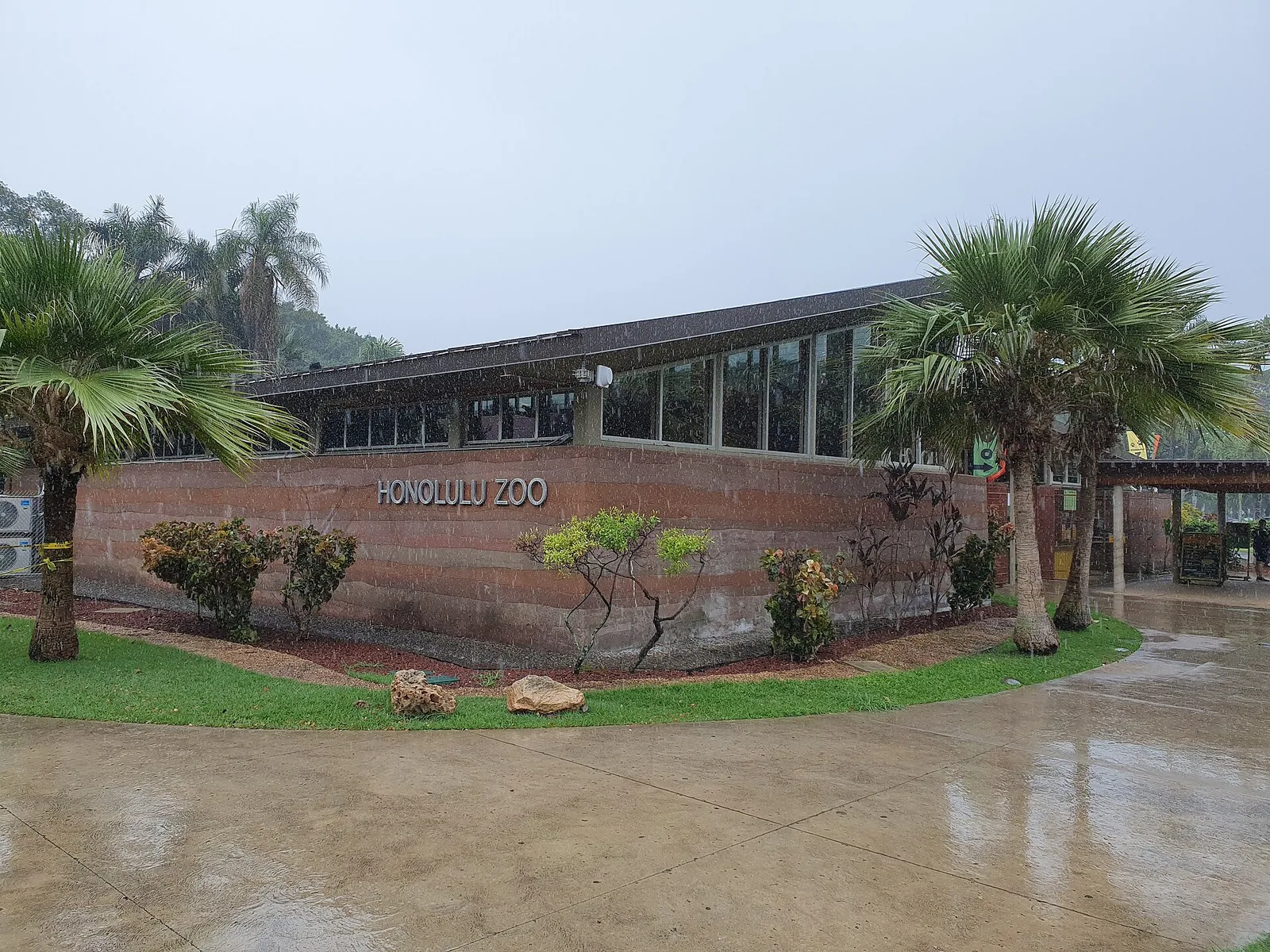
- Honolulu Zoo building (featured): Syced, CC0