The best things to do in Honolulu come with booking windows as well as opening hours. ʻIolani Palace sells tickets online only, with no same-day sales. Diamond Head takes reservations up to 30 days ahead and no walk-ins. Hanauma Bay’s slots open just 48 hours ahead at 7am and go in minutes. Get those three right and the rest of the city, from Chinatown’s lei stands to a crater full of reef fish, is wonderfully easy.
Here are the 40 best, grouped by neighbourhood so you can string them into days, each with 2026 prices, hours, bus routes and how long to allow. This list sticks to the city, from Pearl Harbor to Makapuʻu; for the North Shore, the windward coast and the rest of the island, see our full guide to things to do in Oʻahu.
Things to Do in Honolulu at a Glance
The ten that most visitors ask about, with what each costs and whether you need to book:
| Attraction | Cost (2026) | Book ahead? | Best time |
|---|---|---|---|
| Diamond Head | $5 per out-of-state person + $10 per car | Yes, up to 30 days ahead | The 6am slot |
| Hanauma Bay | $25; 12 and under free | Yes, 48 hours ahead at 7am | Opening, Wednesday to Sunday |
| USS Arizona Memorial | Free; $1 reservation fee | Yes, 56 days or 24 hours ahead | Morning |
| ʻIolani Palace | $28 audio tour, $34 guided | Yes, online only | Tuesday to Saturday |
| Bishop Museum | Dynamic pricing | Optional | A weekday |
| Honolulu Zoo | $21 adults, $13 ages 3–12 | No | 10am opening |
| Mānoa Falls | Free; $7 parking | No | A dry morning |
| Kūhiō Beach Hula Show | Free | No | Saturday 6:30pm |
| Shangri La | $45 | Yes, monthly release | Book the day tickets open |
| Puʻu ʻUalakaʻa lookout | $7 parking | No | Late afternoon |
Waikīkī and Diamond Head
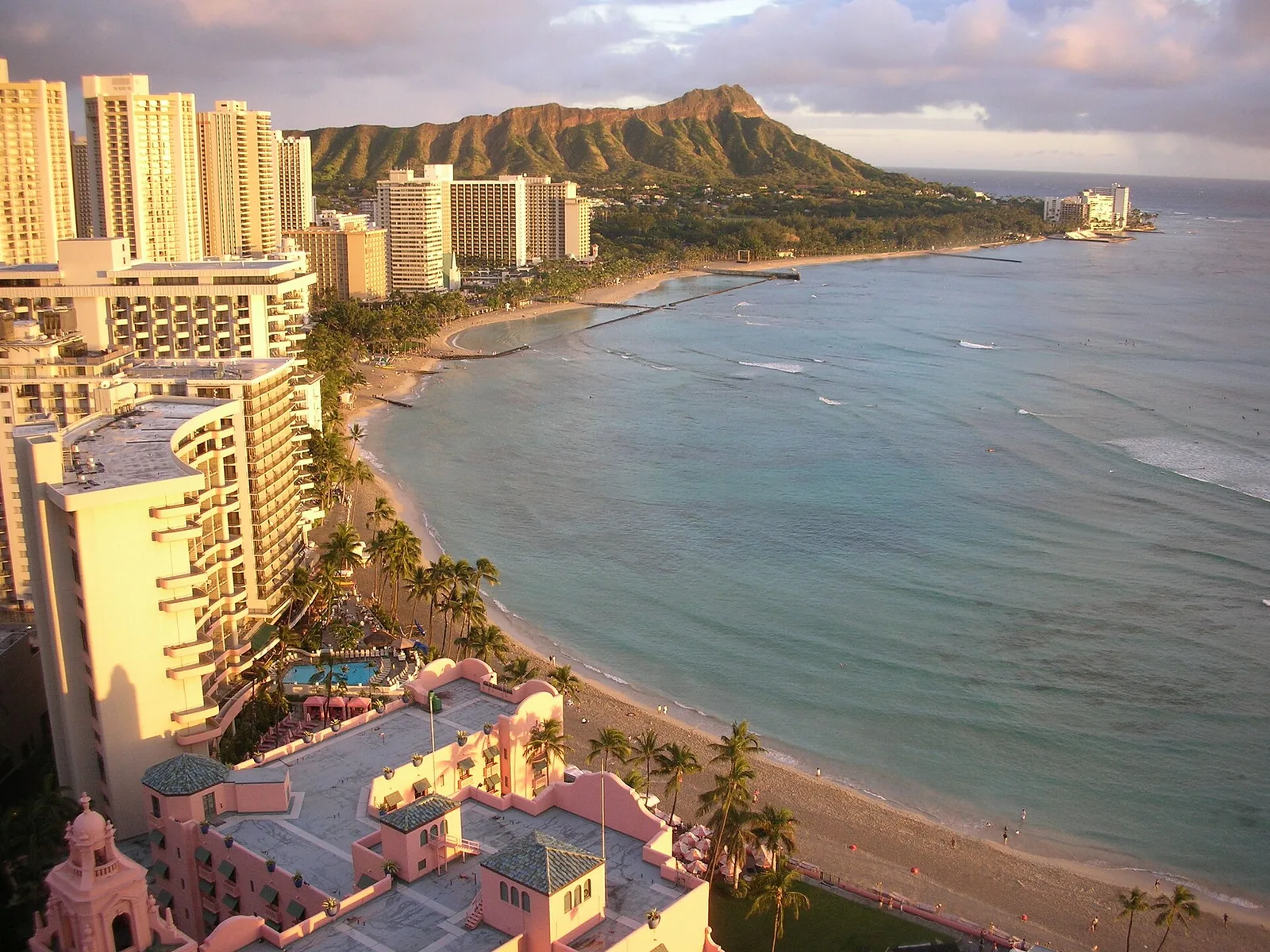
Most visitors stay here, and the first ten things on the list are a walk or a short bus ride from almost any hotel. Our Waikīkī Beach guide goes section by section.
1. Waikīkī Beach
Two miles of sand, gentle surf and lifeguard towers from the Hilton Hawaiian Village to Kapiʻolani Park. The calmest swimming is inside the breakwater at Kūhiō Beach; the best people-watching is in front of the Royal Hawaiian and the Moana Surfrider. Drowning is the leading cause of visitor death in Hawaiʻi, so swim near a staffed tower, and if a honu (green sea turtle) surfaces beside you, give it 10 feet. Our guide to the best beaches in Oʻahu ranks the calmer alternatives.
Cost: free · Hours: lifeguards 08:00–18:30 · Bus: walk from any Waikīkī hotel · Allow: as long as you like
2. A surf lesson or an outrigger canoe ride
Waikīkī’s slow, rolling waves are the best place on Earth to stand up on a board for the first time. Faith Surf School’s group lessons are $95 for 80 minutes with four or five students per instructor, and Waikiki Beach Services starts at $95 for 75 minutes. For something gentler, a Waikiki Beach Services outrigger canoe ride is $48 a person for three waves, and the crew does the paddling.
Cost: lessons from $95; canoe rides $48 · Book: a day ahead in busy weeks · Allow: 2 hours
3. Diamond Head
The climb up Leʻahi, the crater the world calls Diamond Head, is 0.8 miles each way with about 560 feet of ascent, ending in steps, a tunnel and a view straight down Waikīkī. Every out-of-state visitor needs a reservation, and you must arrive within the first 30 minutes of your slot or risk being turned away. Take the 6am slot: it’s cooler, and the light on the coast is at its best. There’s no shade, so carry water. Our guide to the best hikes on Oʻahu has more trails.
Cost: $5 per out-of-state person plus $10 per vehicle · Hours: 06:00–18:00, last slot 16:00 · Book: up to 30 days ahead at gostateparks.hawaii.gov · Bus: 2, 2L or 23 to Diamond Head Road · Allow: 2 hours
4. The Kūhiō Beach Hula Show
Every Saturday evening, local hālau dance on a lawn by the beach as the sun goes down, with live music and torches. It’s free, unhurried and genuinely good. Bring a mat or a beach towel and arrive 20 minutes early for a spot near the front. The Tuesday shows ended in June 2026, and there’s no show on 17 or 31 October 2026.
Cost: free · Hours: Saturdays 18:30–19:30 · Bus: on Kalākaua Avenue near the Duke statue · Allow: 1 hour
5. The Duke Kahanamoku statue and the Kapaemahu stones
The bronze of Duke Kahanamoku, the Olympic swimmer who carried surfing to the world, stands arms outstretched and usually draped in lei. A few steps away, behind a low fence, are the Kapaemahu stones, four boulders honouring four healers of Tahitian origin who, Hawaiian tradition says, transferred their powers to the stones. Look, don’t climb, and don’t leave offerings you’ve brought from elsewhere.
Cost: free · Bus: Kūhiō Beach, Kalākaua Avenue · Allow: 15 minutes
6. Honolulu Zoo
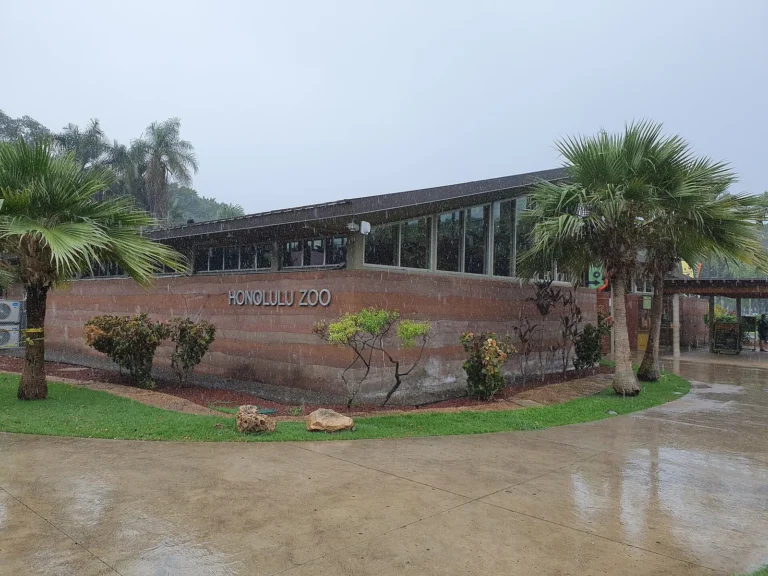
Compact, shaded and flat, the zoo at the edge of Kapiʻolani Park is an easy two hours, best right at the 10am opening while it’s cool. It’s a natural pairing with the aquarium and a morning on the beach.
Cost: $21 adults, $13 ages 3–12 · Hours: entry 10:00–15:00, grounds close 16:00 · Parking: zoo lot $1.50 an hour, 4-hour maximum · Allow: 2 hours
7. Waikīkī Aquarium
Founded in 1904, this small, well-run aquarium on the shore at the far end of Kapiʻolani Park shows you the reef fish you’ll later meet with a snorkel. It’s cheap, rarely crowded, and it publishes the box jellyfish calendar for Waikīkī’s beaches.
Cost: $12 adults, $5 children · Hours: 09:00–16:30; closed 13 Dec 2026 and 25 Dec · Allow: 1 hour
8. Kapiʻolani Park and Kaimana Beach
Hawaiʻi’s oldest public park spreads across the Diamond Head end of Waikīkī, with banyan trees, a bandstand, joggers, picnicking families and the Waikīkī Shell. Beyond it, Kaimana Beach is calmer and quieter than the main strip, and the Waikīkī Shell’s lot on Monsarrat Avenue is free when there’s no event, a rare thing in Waikīkī.
Cost: free · Parking: Waikīkī Shell lot free when no event; street meters 25 cents per half-hour · Allow: 1–2 hours
9. Free classes at the Royal Hawaiian Center
Built on Helumoa, the old royal coconut grove, the Royal Hawaiian Center runs one free cultural class every weekday, rotating through lei-making, ʻukulele, hula and lauhala weaving. No booking is needed; check the month’s schedule on the centre’s events page and turn up.
Cost: free · Hours: one class each weekday · Bus: Kalākaua Avenue, central Waikīkī · Allow: 1 hour
10. A sunset sail, then the Friday fireworks
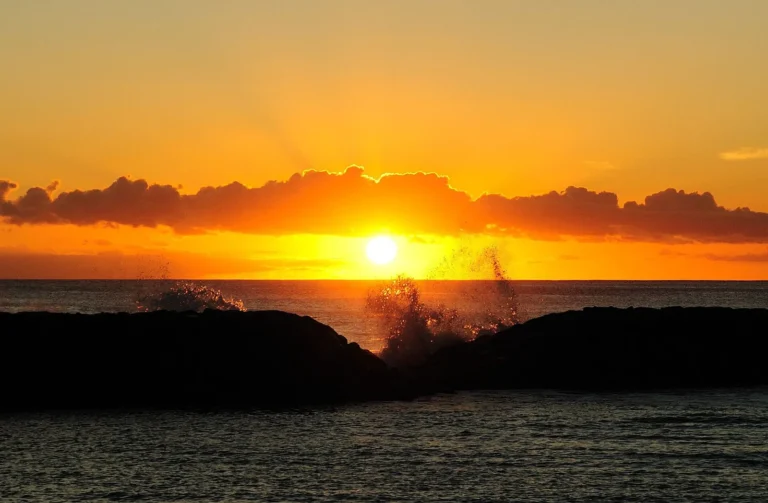
Catamarans launch straight off the sand for sunset sails: Holokai’s costs $80, leaving at 5pm from October to February and 5:30pm from March to September, and the Maitai’s is $79. On Fridays, time it with the Hilton Hawaiian Village fireworks at 7:45pm, which you can also watch free from the western end of the beach. More boat trips and tours are in our roundup of Oʻahu tours.
Cost: sails $79–80; fireworks free · Hours: fireworks Fridays 19:45 · Book: sails a day or two ahead · Allow: the evening
Downtown, Chinatown and the Capitol District
Ten minutes from Waikīkī by bus, the old heart of Honolulu packs a palace, a cathedral of coral and the state’s best free art museum into a few walkable blocks. Routes 2 and 13 run from Waikīkī to downtown along Hotel and Beretania streets.
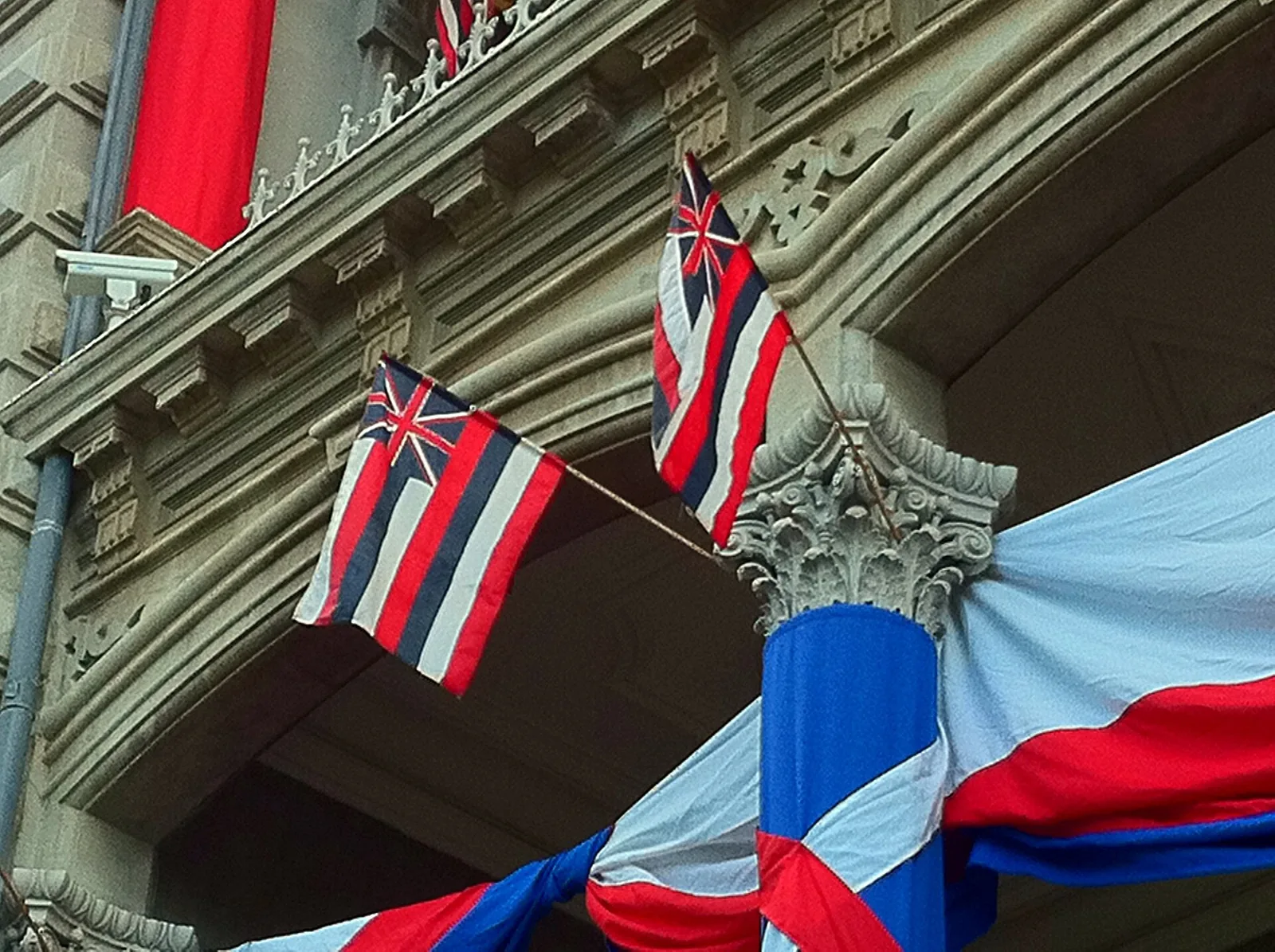
11. ʻIolani Palace
Home of King Kalākaua and Queen Liliʻuokalani, the last monarchs of the Hawaiian Kingdom, and the place where the queen was imprisoned after the 1893 overthrow. It was electrically lit before the White House. The guided docent tour runs on Wednesday and Thursday mornings; the self-led audio tour runs on Tuesday, Friday and Saturday, plus Wednesday and Thursday afternoons. Tickets are sold online only, with no same-day sales, so book before you go.
Cost: audio tour $28, docent tour $34 · Hours: docent Wed–Thu 09:00–12:30; audio Tue, Fri, Sat 09:00–15:30; closed Sun–Mon · Book: online, in advance · Allow: 90 minutes
12. The King Kamehameha statue and Aliʻiōlani Hale
Across King Street from the palace, the gilded statue of Kamehameha I, the king who united the islands, stands in front of Aliʻiōlani Hale, built in 1874 as the kingdom’s government building and now home to the state Supreme Court. On 11 June each year the statue is draped in dozens of long lei.
Cost: free · Bus: 2 or 13 to King Street · Allow: 15 minutes
13. Hawaiʻi State Capitol and the Queen Liliʻuokalani statue
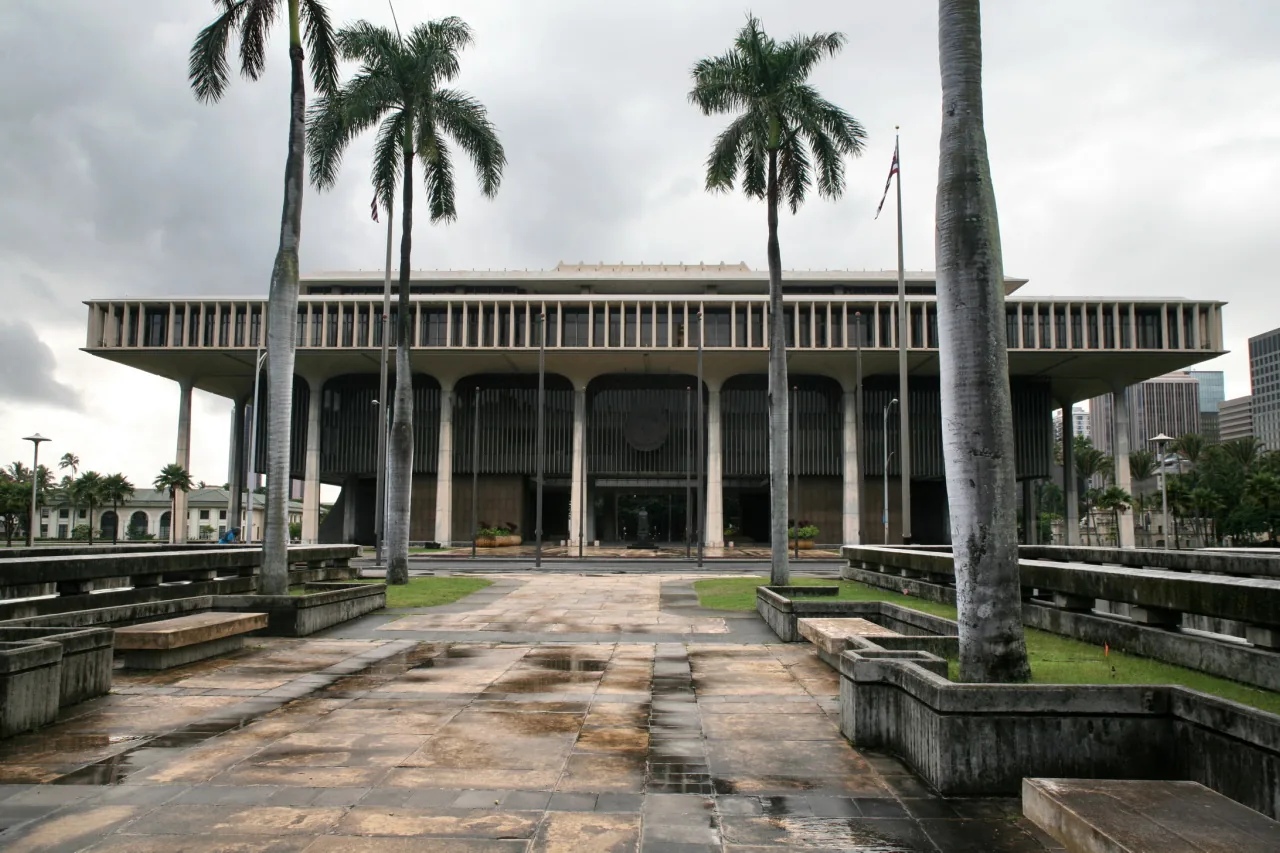
Completed in 1969, the Capitol is a piece of symbolism you can walk through: cone-shaped legislative chambers for the volcanoes, columns for royal palms, a reflecting pool for the ocean, and an atrium open to the sky. Between the Capitol and the palace stands a bronze of Queen Liliʻuokalani, and at the front, Father Damien, who cared for the patients exiled to Kalaupapa.
Cost: free · Bus: downtown routes 2 or 13 · Allow: 30 minutes
14. Kawaiahaʻo Church
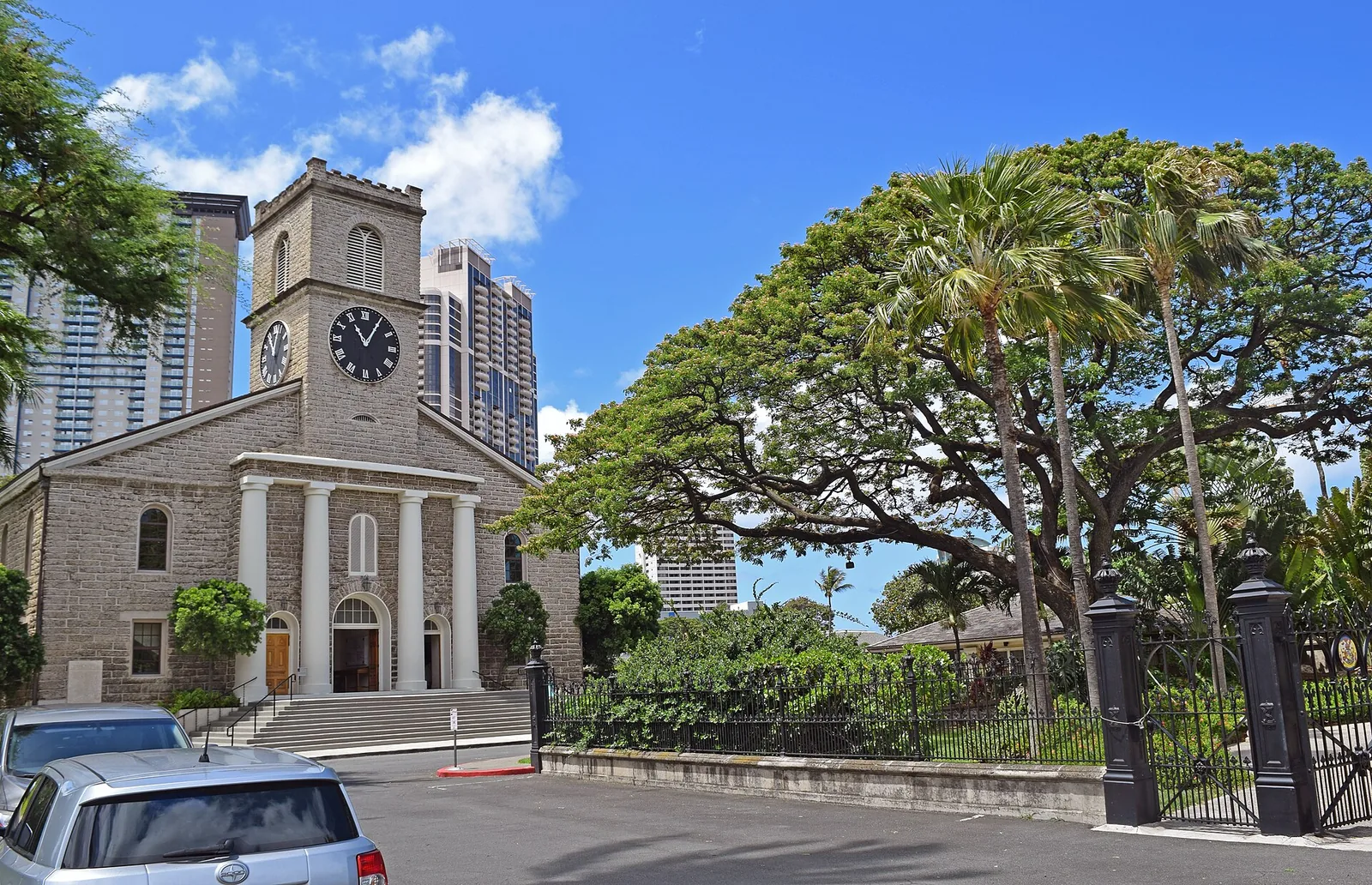
Honolulu’s oldest standing church was finished in 1842 from thousands of coral blocks cut from the reef, and Hawaiian royalty worshipped, married and were crowned here. Services still include Hawaiian. Step inside quietly if the doors are open, and walk around the churchyard.
Cost: free · Bus: downtown routes 2 or 13 · Allow: 20 minutes
15. Hawaiian Mission Houses
Next door to Kawaiahaʻo, the oldest Western-style houses in Hawaiʻi tell the story of the American missionaries who arrived from 1820, and of their complicated legacy. You can wander the Chamberlain House on your own or join a guided tour of the houses.
Cost: self-guided $10, guided $20 · Hours: Tue–Sat; self-guided 10:30–14:30; guided tours 11:00, 12:00, 13:00, 14:00 · Allow: 1 hour
16. Capitol Modern, the Hawaiʻi State Art Museum
Free, air-conditioned and full of work by Hawaiʻi’s artists, the state art museum in the old Armed Services building is the best-value hour downtown. On the first Friday of the month it opens late for Chinatown’s art night, and on the third Friday it hosts Friday Night Tempo.
Cost: free · Hours: Wed–Sat 10:00–16:00; First Friday and third Friday 17:00–21:00 · Allow: 1 hour
17. Foster Botanical Garden
A quiet green walled garden on the edge of Chinatown, with some of the largest and rarest trees in Honolulu, orchids and a palm collection. It’s the best antidote to a hot downtown afternoon.
Cost: $5 non-residents · Hours: 09:00–16:00 · Bus: downtown routes, then a short walk · Allow: 1 hour
18. Chinatown: lei stands, markets and First Friday
Buy a fresh lei from a Maunakea Street stand for a fraction of the hotel price, browse the herbalists and open-fronted markets, and eat lunch in a food court full of local workers. On the first Friday of every month, the galleries and bars along Nuʻuanu Avenue stay open late. Our shopping guide covers what to buy and what can fly home.
Cost: free to wander · Hours: First Friday 17:00–21:00 · Bus: 2 or 13 to Hotel Street · Allow: 2 hours
19. Aloha Tower
Built in 1926 to greet ships, Aloha Tower was once the tallest building in Hawaiʻi, and its clock faces still look over the harbour. The marketplace around it is quiet by day; in the evenings, Ka Moana Lūʻau, from $129, uses the waterfront as its stage.
Cost: free to visit; lūʻau from $129 · Bus: downtown routes · Allow: 30 minutes
Pearl Harbor and the Bishop Museum
Two of Honolulu’s essential visits sit west of downtown. Our Pearl Harbor guide has the full booking strategy.
20. The USS Arizona Memorial
The 45-minute programme includes a short film, a Navy shuttle boat and quiet time on the white memorial above the sunken battleship, where more than 900 of her crew are still entombed. Tickets are released on recreation.gov at 3pm Hawaiʻi time, 56 days ahead and again the day before; there are no walk-up tickets, only a first-come standby line. The bag rule bans anything larger than 1.25 × 2.25 × 5.5 inches unless it’s clear; storage costs $6.
Cost: free; $1 reservation fee · Hours: visitor centre 07:00–17:00; programmes 08:00–15:30 · Book: recreation.gov, 56 days or 24 hours ahead at 15:00 HST · Bus: 42 from Waikīkī · Allow: 2.5 hours
21. The USS Missouri, the Aviation Museum and the USS Bowfin
On Ford Island, reached only by the free shuttle from the visitor centre, the battleship Missouri marks where the war ended, with the surrender signed on her deck, and the Pearl Harbor Aviation Museum fills two hangars that survived the attack. The submarine Bowfin sits beside the visitor centre. The Passport to Pearl Harbor covers all three, but not the Arizona.
Cost: Missouri $42.99; Aviation Museum $29.99; Bowfin $25.99; Passport $99.99 adults, $49.99 ages 4–12 · Hours: Missouri 08:00–16:00; Aviation 09:00–17:00; Bowfin 07:00–17:00 · Allow: a full day with the Arizona
22. Bishop Museum
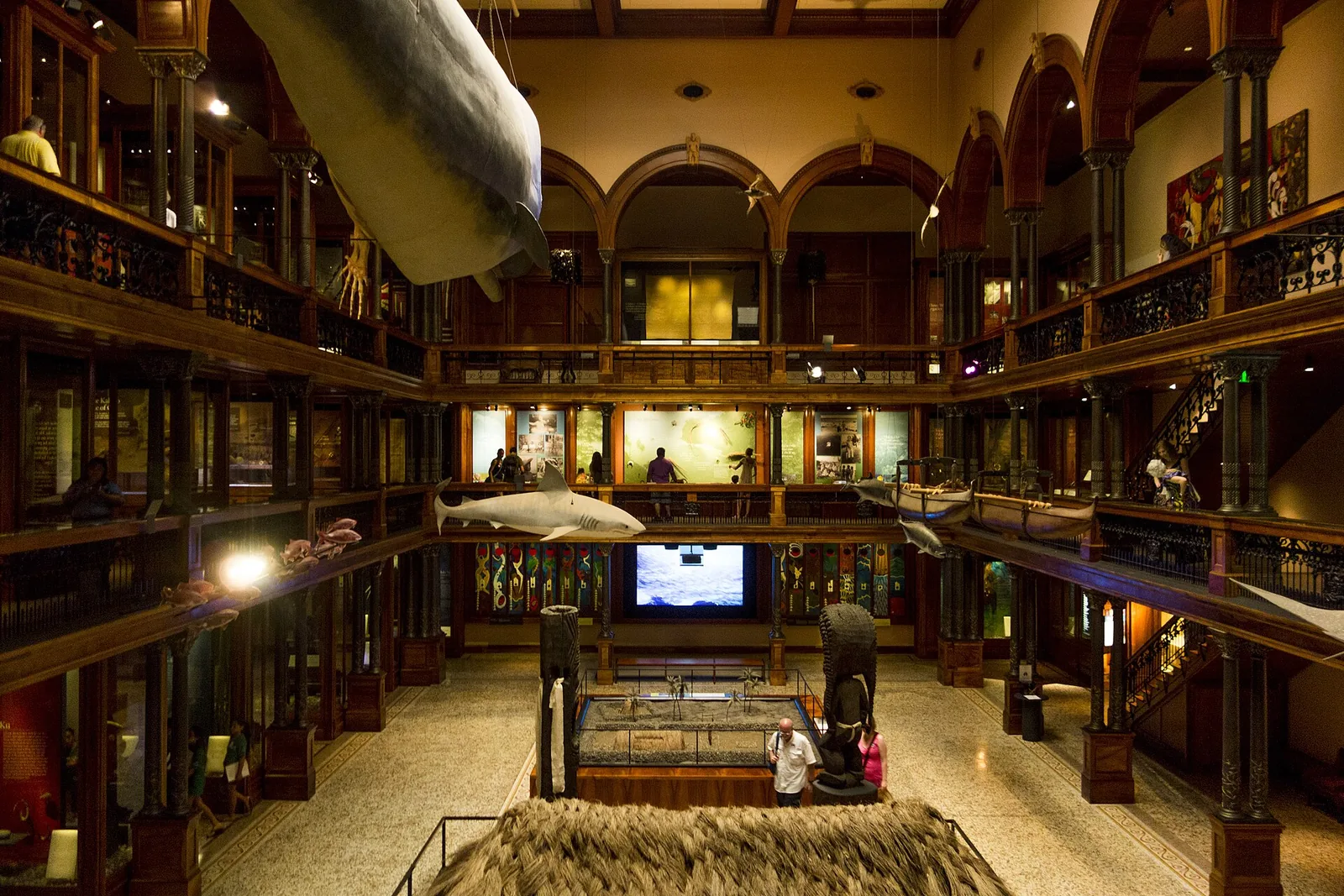
Hawaiʻi’s state museum of natural and cultural history, and the place to understand everything else on this list. The three-storey Hawaiian Hall, all koa wood and featherwork, is the centrepiece, with a planetarium and science galleries beside it. Our guide to Hawaiian culture and history is the companion read.
Cost: dynamic pricing; check online · Hours: 09:00–17:00, last check-in 16:00 · Bus: 2 to School Street, short walk · Allow: 3 hours
Mānoa, Nuʻuanu and the Mountains
Behind the city, green valleys climb into the Koʻolau mountains, and it often rains there while Waikīkī is dry. Stay off valley trails after heavy rain, when streams rise fast.
23. Mānoa Falls
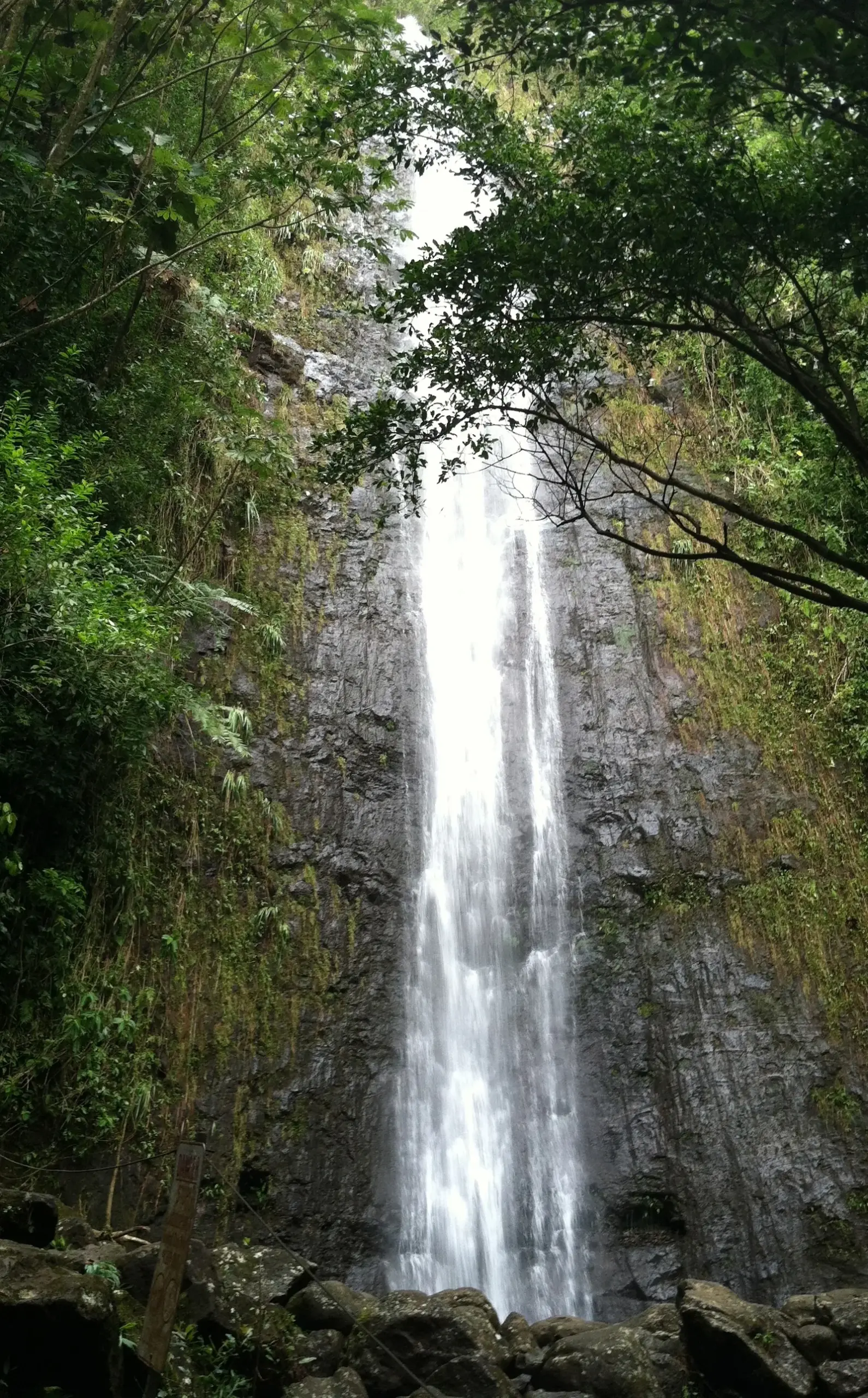
A muddy, beautiful 1.6-mile round trip through rainforest at the head of Mānoa Valley, ending at a tall, thin waterfall. Wear shoes you don’t mind ruining, bring insect repellent, and don’t swim in the pool below the falls, where rocks fall and stream water can carry leptospirosis.
Cost: free; about $7 parking at the trailhead lot · Bus: 5 to Mānoa Valley, then a walk · Allow: 2 hours
24. Lyon Arboretum
Next to the Mānoa Falls trail, the University of Hawaiʻi’s arboretum is a quieter rainforest garden with marked paths, native plants and views up the valley. No reservation is needed on weekdays.
Cost: $10 suggested donation · Hours: Mon–Fri 09:00–15:00 · Allow: 1–2 hours
25. Puʻu ʻUalakaʻa lookout
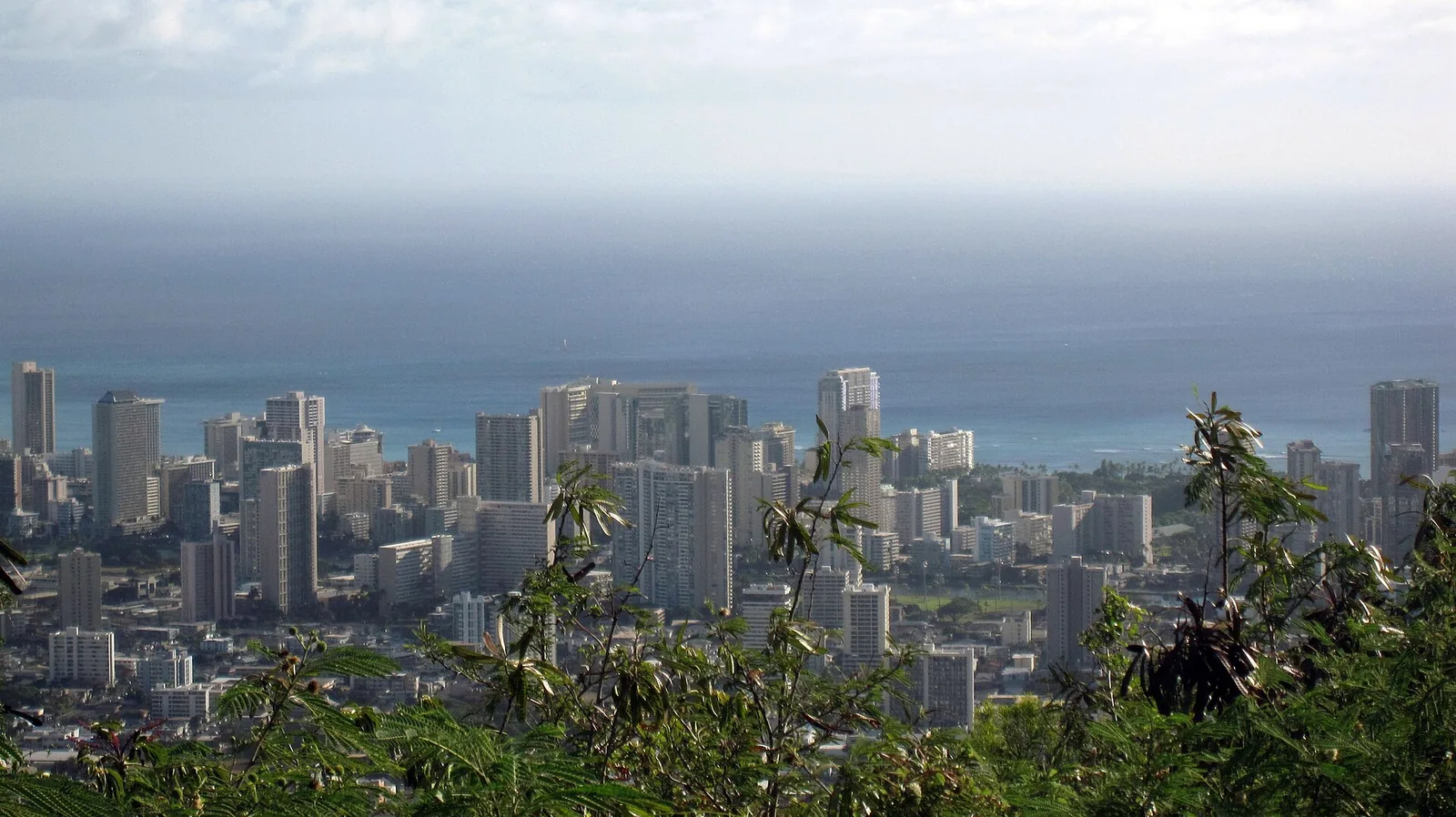
Up the switchbacks of Round Top Drive on Tantalus, this state wayside looks over all of Honolulu, from Diamond Head to Pearl Harbor. Come in the late afternoon; in winter the gate closes at 6:45pm, which catches the sunset.
Cost: $7 parking for non-residents · Hours: 07:00–18:45 until 31 March, 07:00–19:45 from 1 April · Allow: 45 minutes
26. Punchbowl: the National Memorial Cemetery of the Pacific
Inside Puowaina, an extinct crater above downtown, lie tens of thousands of servicemen and women, among them the war correspondent Ernie Pyle. The Honolulu Memorial’s mosaic maps and Courts of the Missing are deeply affecting, and the lookout at the rim gives a fine view over the city. This is a working cemetery: be quiet and respectful.
Cost: free · Hours: 08:00–18:00 daily · Allow: 1 hour
27. Queen Emma Summer Palace
Hānaiakamalama, the cool upland retreat of Queen Emma and King Kamehameha IV, is run by the Daughters of Hawaiʻi and full of the royal family’s belongings. Reservations are required, though walk-ins are admitted if there’s space.
Cost: $20 · Hours: Wed–Sat 10:00–15:30, last entry 30 minutes before closing · Book: ahead · Allow: 1 hour
28. Nuʻuanu Pali Lookout
From these cliffs the whole windward coast unfolds, and here in 1795 Kamehameha’s army drove Oʻahu’s defenders over the edge in the battle that won him the island. It’s normally open 6am to 6pm, with a $7 parking fee for non-residents. The lookout and Pali Lookout Road were closed on 7 September 2026 for Hurricane Lowell, and we found no reopening as of early October, so check the state parks website before you drive up.
Cost: $7 per non-resident vehicle · Hours: normally 06:00–18:00; closed after Hurricane Lowell, check DLNR · Allow: 30 minutes
Ala Moana, Kakaʻako, Kapahulu and Kaimukī
The neighbourhoods around Waikīkī are where Honolulu actually lives, shops and eats. Our guide to Honolulu neighbourhoods covers each one.
29. Ala Moana Beach Park and Magic Island
Where Honolulu goes to the beach: a long, lifeguarded strand behind an offshore reef that keeps the water calm, with grass and shade behind and the sheltered lagoon of Magic Island at the ʻEwa end. Weekday mornings are peaceful; weekends belong to local families.
Cost: free · Hours: park closed 22:00–04:00 · Bus: to Ala Moana Center · Allow: half a day
30. Ala Moana Center
Hawaiʻi’s biggest mall is open-air, enormous and also the island’s bus hub, with a big food hall for the cheapest decent lunch nearby. Come for a list or for lunch, then cross the road to the beach park.
Cost: free · Hours: 10:00–20:00 · Bus: Route 8 from Waikīkī · Allow: 2 hours
31. Kakaʻako’s murals and SALT
The warehouse district between Ala Moana and downtown is covered in murals, many painted during the annual POW! WOW! festival, and SALT at Our Kakaʻako fills a block with small shops, coffee and restaurants. Walk it on a weekend morning, camera in hand.
Cost: free · Bus: 10 minutes by car or Biki bike share at $5 per 30 minutes · Allow: 2 hours
32. Honolulu Museum of Art
Hawaiʻi’s finest art museum is a series of galleries around quiet courtyards, with a superb Asian collection alongside European and Hawaiʻi art. Friday’s late opening is the most relaxed time to go.
Cost: $25 · Hours: Wed–Sun 10:00–18:00, Fri until 21:00 · Allow: 2 hours
33. Shangri La
Doris Duke’s oceanfront house on the far side of Diamond Head is filled with Islamic art, tilework and gardens, and seeing it is one of the most memorable afternoons in Honolulu. Small-group tours start at the Honolulu Museum of Art. Tours have cost $45, with tickets released on the first Thursday of each month at 10am Hawaiʻi time; they go fast. It’s a favourite afternoon for couples on a Hawaiʻi honeymoon.
Cost: $45 · Book: first Thursday of the month, 10:00 HST · Allow: half an afternoon
34. Hawaiʻi Children’s Discovery Center
A hands-on children’s museum in Kakaʻako, best for under-tens and perfect on a rainy morning. Weekday hours are mornings only. Our guide to Hawaiʻi with kids has more family ideas.
Cost: $15, under-1s free · Hours: Tue–Fri 09:00–13:00, Sat–Sun 10:00–15:00, closed Mon · Allow: 2 hours
35. A Kapahulu and Kaimukī food crawl
Start with a hot malasada from Leonard’s ($2.25), walk down Kapahulu Avenue for poke from Ono Seafood ($11.75 for a regular bowl, Tuesday to Saturday), and finish with a plate lunch at Rainbow Drive-In, serving since 1961. That’s local-style food, the cooking of Hawaiʻi’s plantation-era communities; for traditional Hawaiian food, go to Helena’s in Kalihi for kālua pig, laulau and poi. Kaimukī’s Waiʻalae Avenue adds bakeries and Ed Kenney’s Mud Hen Water. Our guide to the best restaurants in Honolulu has the full list.
Cost: $15–30 per person for the crawl · Hours: Ono Seafood Tue–Sat 09:00–16:00 · Bus: 13 along Kapahulu Avenue · Allow: 2–3 hours
East Honolulu: Kāhala to Makapuʻu
Past Diamond Head, the city thins into suburbs and then a wild coast of craters, blowholes and lookouts. Most of it is easiest by car.
36. KCC Farmers’ Market
Saturday mornings at Kapiʻolani Community College on Diamond Head’s slope bring farmers, bakers and food stalls, and the best breakfast in town. Get there by eight. Remember that most fresh fruit can’t fly to the mainland, though pineapple can after inspection.
Cost: free entry · Hours: Saturdays 07:30–11:00 · Bus: 2 or 2L to KCC · Allow: 90 minutes
37. Hanauma Bay
A flooded volcanic crater with a shallow reef inside, and Oʻahu’s most famous snorkelling. Reservations open 48 hours ahead at 7am Hawaiʻi time and sell out fast; everyone watches a nine-minute safety video first. Take it seriously: snorkelling is involved in nearly 30% of visitor drownings in Hawaiʻi, and Hanauma Bay recorded 16 snorkel-related drownings over nine years. Our snorkelling guide explains how to stay safe.
Cost: $25 ages 13 and up, 12 and under free; parking $3 · Hours: entry 06:45–13:30; closed Mon, Tue, 25 Dec, 1 Jan · Book: 48 hours ahead at 07:00 HST · Bus: no direct route; Roberts Hawaii entry-plus-shuttle about $65 · Allow: half a day
38. Hālona Blowhole
A roadside lookout where the swell shoots through a lava tube in a plume of spray, with the little cove below and, from December to May, whales offshore; our guide to the best time to visit Hawaiʻi has the season in detail. Stay behind the railings: people have died climbing down to the blowhole.
Cost: free · Drive: about five minutes past Hanauma Bay · Allow: 15 minutes
39. Makapuʻu Lighthouse Trail
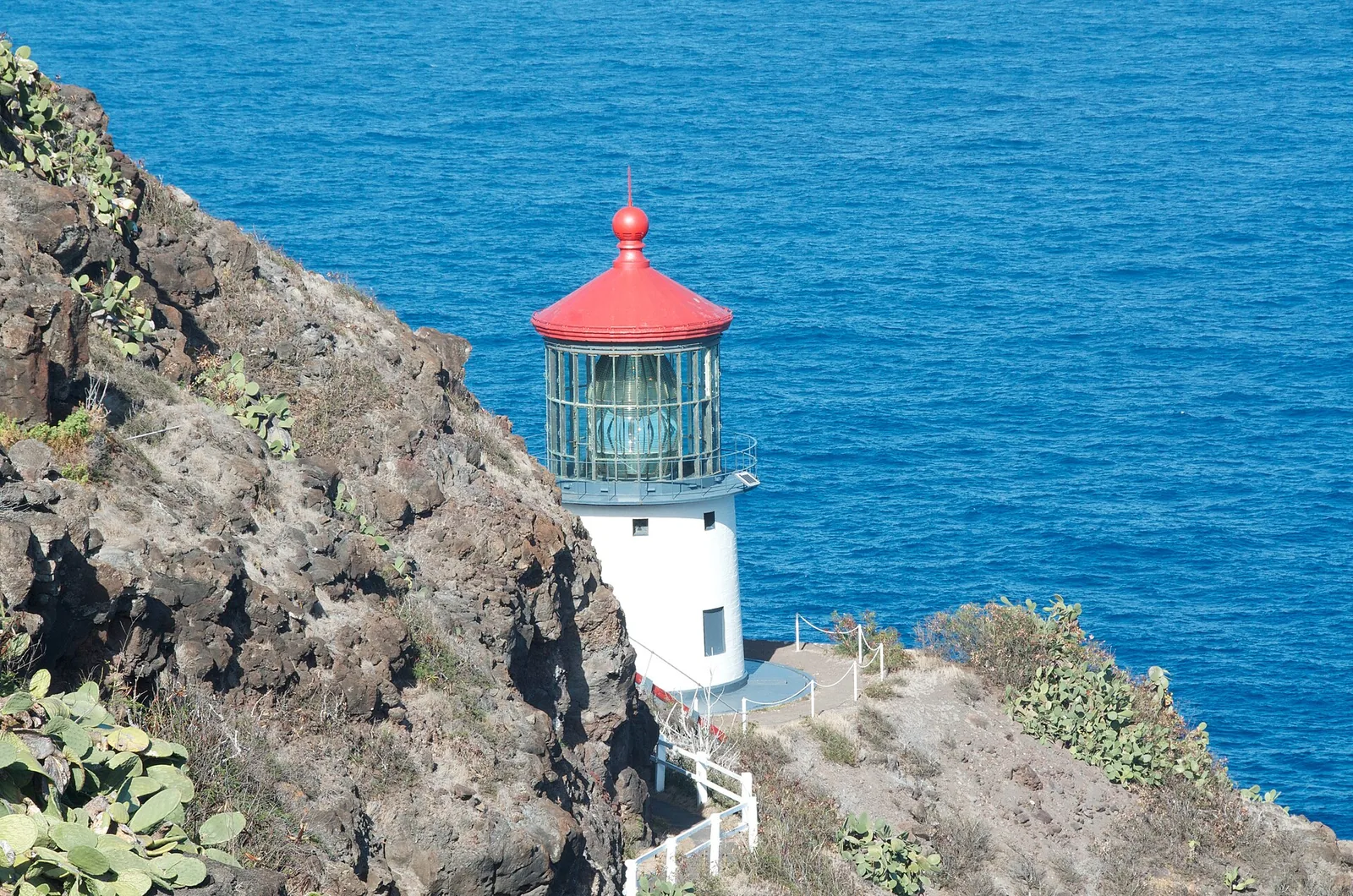
A paved two-mile return walk, about 500 feet of climb, to a red-roofed lighthouse above the island’s eastern tip, with tide pools below and humpbacks in winter. There’s no shade at all, so go early and carry water. The shorebreak at Makapuʻu Beach below is for experienced bodysurfers only.
Cost: free · Drive: about half an hour from Waikīkī · Allow: 1.5 hours
40. Koko Crater Railway Trail
About 1,048 old railway sleepers straight up the side of Koko Crater: brutal, shadeless and wildly popular with locals at sunrise. The view over Hanauma Bay and Hawaiʻi Kai is the reward. Turn back if you’re struggling; the steepest section, near the top, is also the most exposed.
Cost: free; two free lots in Koko Head District Park · Hours: sunrise–sunset · Allow: 1.5 hours
Things to Do in Honolulu at Night
Honolulu isn’t a late city, but its evenings are easy and often free. Saturday brings the Kūhiō Beach Hula Show at 6:30pm, Friday the Hilton Hawaiian Village fireworks at 7:45pm. On the first Friday of the month, Chinatown’s galleries and Capitol Modern open from 5pm to 9pm, and the art museum does the same on the third Friday; the Honolulu Museum of Art stays open until 9pm every Friday. Sunset sails leave Waikīkī’s beach every evening, Ka Moana Lūʻau sets up at Aloha Tower, and Waikīkī’s bars and live music keep going after that. For big nights out, our guide to Hawaiʻi events and festivals lists what’s on through the year.
Three Days in Honolulu
Day 1: Pearl Harbor and downtown. Take Route 42 or drive to Pearl Harbor for an early USS Arizona programme, and add the Missouri if you have the stamina. After lunch, head downtown for ʻIolani Palace (not on a Sunday or Monday, and booked ahead), the Kamehameha statue, the Capitol and Kawaiahaʻo Church. Finish with a fresh lei and dinner in Chinatown.
Day 2: Diamond Head and Waikīkī. Climb Diamond Head in the 6am slot, then breakfast at the KCC Farmers’ Market if it’s a Saturday. Spend late morning at the zoo or the aquarium, the afternoon on Waikīkī Beach with a surf lesson or canoe ride, and the evening at the hula show on Saturdays or the fireworks on Fridays.
Day 3: The east side. Be at Hanauma Bay for the 6:45am opening (Wednesday to Sunday), then stop at Hālona Blowhole and walk the Makapuʻu Lighthouse Trail before the midday heat. Drive back through Kapahulu for poke and malasadas, and end the day watching the sun set over the city from Puʻu ʻUalakaʻa.
With more time, add the Bishop Museum, Mānoa Falls, Shangri La and the Honolulu Museum of Art, and keep one afternoon completely free for the beach.
Getting Around Honolulu
You don’t need a car for most of this list. TheBus costs $3.25 a ride, and a HOLO card caps a day’s fares at $7.50 (a seven-day pass is $45). Biki bike share costs $5 per 30 minutes or $20 for 24 hours of unlimited 30-minute rides, which suits Waikīkī, Kakaʻako and downtown. The Skyline rail line links the airport with Pearl Harbor’s neighbourhoods and the west, but won’t reach downtown until about 2031. Rent a car for a day or two for the east-side coast and the mountain lookouts, and budget for parking: Waikīkī hotels charge $44–72 a night, so pick your base carefully with our guide to where to stay in Oʻahu. Our guide to getting around Oʻahu has routes and fares, and our Oʻahu itinerary strings this list into days. When you’re ready to leave the city, the island-wide list of Oʻahu’s best attractions picks up where this one stops.
For the city’s best viewpoints and the times the light works, see our guide to the most instagrammable places on Oʻahu, from Puʻu ʻUalakaʻa at sunset to Chinatown in the morning.
Frequently Asked Questions
What are the top things to do in Honolulu for first-timers?
Book the three that need it, the USS Arizona Memorial, Diamond Head and Hanauma Bay, then add ʻIolani Palace, the Bishop Museum, a morning at Waikīkī Beach, the free Saturday hula show at Kūhiō Beach and a sunset from Puʻu ʻUalakaʻa. A surf lesson or canoe ride and a Kapahulu food crawl round out a classic first visit.
What do I need to book in advance in Honolulu?
Diamond Head (up to 30 days ahead, no walk-ins), Hanauma Bay (48 hours ahead at 7am), the USS Arizona Memorial (56 days or the day before, at 3pm Hawaiʻi time) and ʻIolani Palace (online only, no same-day tickets). Shangri La tickets are released monthly and sell out, and Queen Emma Summer Palace asks for reservations.
How many days do you need in Honolulu?
Three full days cover the essentials: one for Pearl Harbor and downtown, one for Diamond Head, Waikīkī and Kapiʻolani Park, and one for Hanauma Bay and the east-side coast. Five days let you add the Bishop Museum, Mānoa Falls, Shangri La and a slower pace. Most visitors then spend a few more days exploring the rest of Oʻahu.
Can you see Honolulu without a car?
Mostly, yes. TheBus reaches Diamond Head, Pearl Harbor, downtown, Chinatown, the Bishop Museum, Mānoa and Ala Moana for $3.25 a ride, capped at $7.50 a day with a HOLO card. Hanauma Bay has no direct bus, but a shuttle-and-entry bundle runs from Waikīkī. A car helps for Makapuʻu, Koko Crater and the mountain lookouts.
Is Pearl Harbor in Honolulu?
Yes. Pearl Harbor is within the City and County of Honolulu, about 30 minutes from Waikīkī by car or roughly an hour on TheBus Route 42. The USS Arizona Memorial programme is free but needs a reservation; the USS Missouri, the Aviation Museum and the USS Bowfin charge admission, and the Passport to Pearl Harbor covers all three.
What is free to do in Honolulu?
Plenty: Waikīkī Beach, the Saturday Kūhiō Beach Hula Show, the Friday fireworks, the Royal Hawaiian Center’s weekday classes, Capitol Modern, the State Capitol, Kawaiahaʻo Church, Punchbowl, Chinatown’s First Friday, the Makapuʻu Lighthouse Trail and the Koko Crater stairs. Diamond Head costs just $5 for out-of-state visitors.
Photo Credits
- Honolulu from Puʻu ʻUalakaʻa: The Eloquent Peasant, CC BY-SA 4.0
- Waikīkī and Diamond Head from above: Alan Light, CC BY 2.0
- ʻIolani Palace: billsoPHOTO from Honolulu, USA, CC BY-SA 2.0
- Hawaiʻi State Capitol: Cliff, CC BY 2.0
- Kawaiahaʻo Church: Mark Miller, CC BY-SA 4.0
- Bishop Museum Hawaiian Hall: Daniel Ramirez from Honolulu, USA, CC BY 2.0
- Mānoa Falls: Danieljaycho, CC BY-SA 3.0
- Makapuʻu Point Lighthouse: Pete Markham, CC BY-SA 2.0