The pineapple you buy at a Honolulu farmers’ market can fly home with you after a quick inspection. The papaya on the next stall can’t, unless it has been treated and sealed in a stamped box at a USDA-approved facility. That one rule says a lot about shopping in Honolulu: the malls are easy, but the things most worth taking home, the coffee, the lei, the fruit, the koa, come with labels to read and rules to know.
Here is the whole picture: where to shop and how to get there, how to tell the genuinely Hawaiʻi-made from the imported, exactly what you can carry onto a mainland flight, and how the Aloha Stadium Swap Meet works now that it has moved. Prices, hours and rules were checked in October 2026.
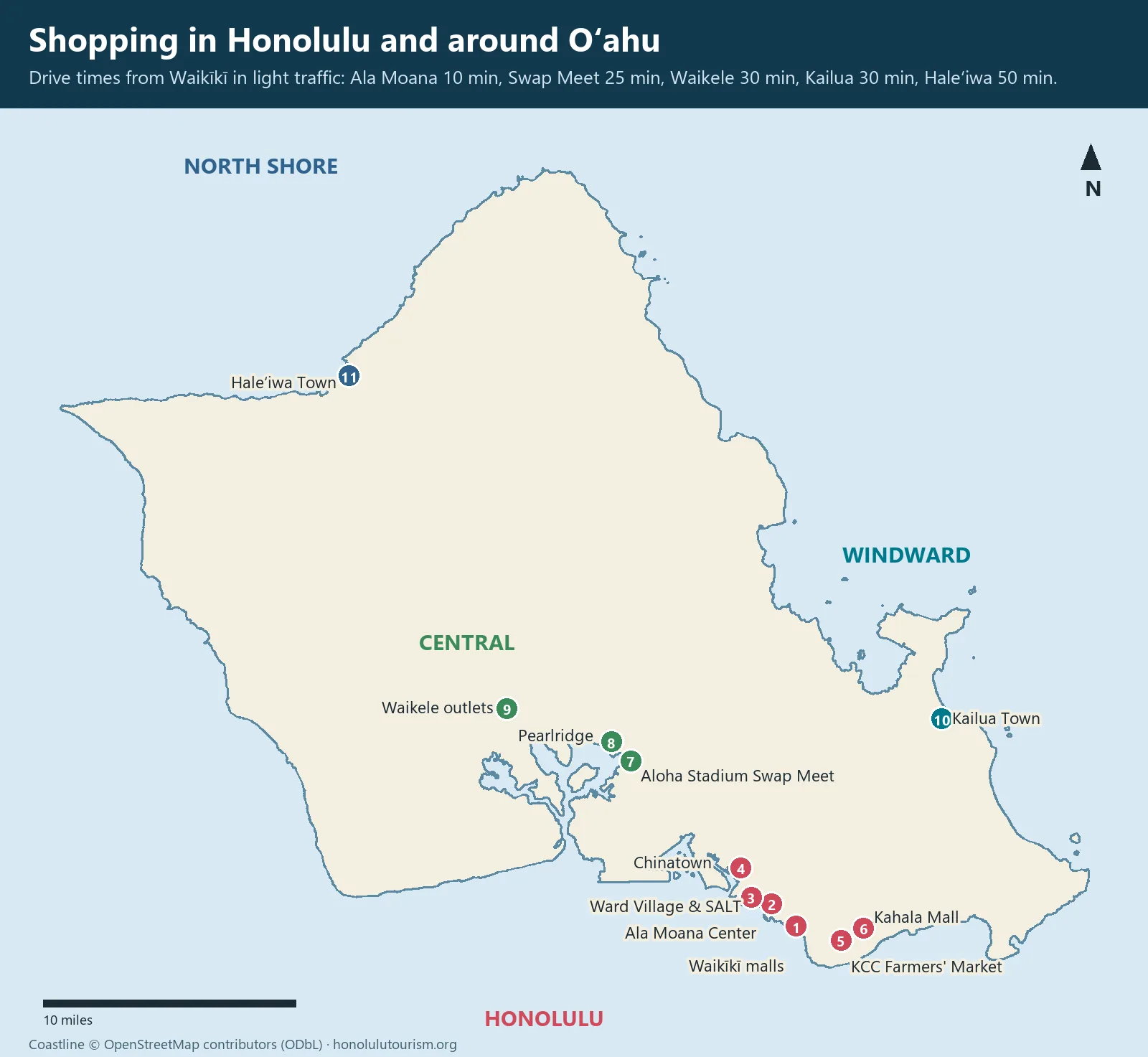
Shopping in Honolulu at a Glance
Most visitors only see Waikīkī‘s Kalākaua Avenue and Ala Moana Center, and both are worth seeing. But Honolulu’s best shopping is spread across very different places: a Saturday farmers’ market on the slopes of Diamond Head, the lei stands of Chinatown, the converted warehouses of Kakaʻako and a swap meet in a stadium car park. One is ten minutes from the hotels; the furthest is about fifty.
| Where | Best for | Getting there from Waikīkī | Allow |
|---|---|---|---|
| Ala Moana Center | Everything, from department stores to local labels and food | TheBus Route 8, or a 25-minute walk | Half a day |
| Royal Hawaiian Center | Waikīkī brands plus a free cultural class every weekday | Walk | 1–2 hours |
| International Market Place | Dining and the old banyan tree | Walk | 1 hour |
| Ward Village and SALT, Kakaʻako | Local designers, cafés, murals | 10 minutes by car or a Biki bike | 2 hours |
| Chinatown | Fresh lei, herbalists, galleries, First Friday | TheBus Route 2 or 13 | 2 hours |
| KCC Farmers’ Market | Saturday produce and breakfast | TheBus Route 2 or 2L | 90 minutes |
| Aloha Stadium Swap Meet | Bargain souvenirs, aloha wear, snacks | Skyline to Hālawa station | 2–3 hours |
| Waikele Premium Outlets | Outlet prices on mainland brands | About 30 minutes by car | Half a day |
| Kailua and Haleʻiwa | Boutiques, surf shops, galleries | TheBus Route 67 or 60 | Half a day each |
The Best Places for Shopping in Honolulu
Fourteen places, from the big malls to the corners locals actually use, each with the practical details that matter. For what else to do in each area, our guide to Honolulu neighbourhoods covers the lot, and things to do in Oʻahu covers the rest of the island.
1. Ala Moana Center
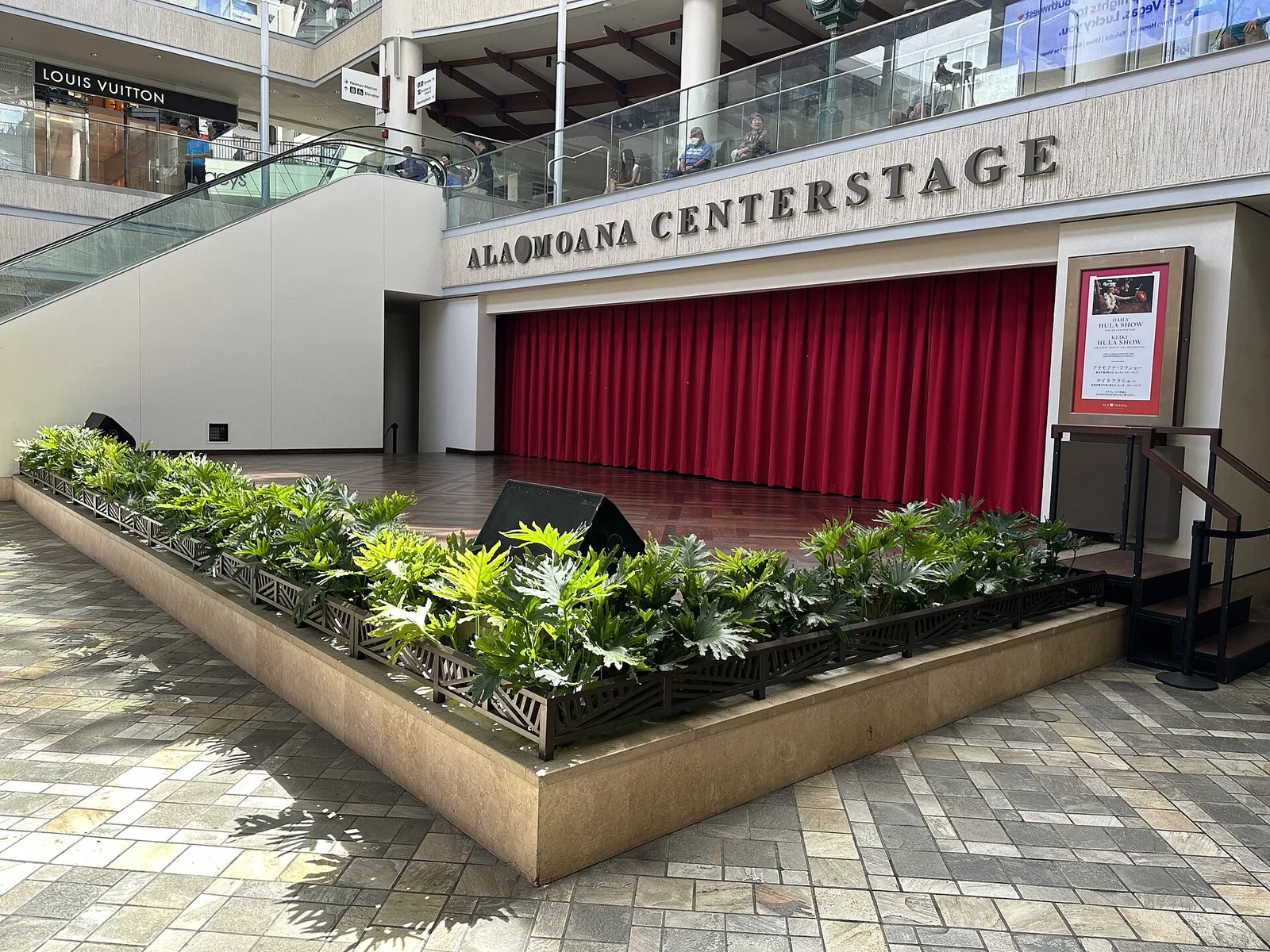
Honolulu’s great mall is an open-air giant on the edge of Ala Moana Beach Park, with department stores, designer flagships, mainland chains, a handful of genuinely local labels and one of the city’s best food halls. It’s also the hub of the bus network, so half of Oʻahu passes through it. Come for a specific list, or come for lunch and the free entertainment on Centerstage, and then cross the road to Ala Moana Beach Park when your feet give out. Prices are mainland prices; the bargains are elsewhere. Inside, Foodland Farms sells edible souvenirs at supermarket prices, and the food court is the cheapest decent lunch in the mall.
Hours: 10:00–20:00 · Bus: Route 8 from Waikīkī, $3.25, or a 25-minute walk · Allow: half a day
2. Royal Hawaiian Center
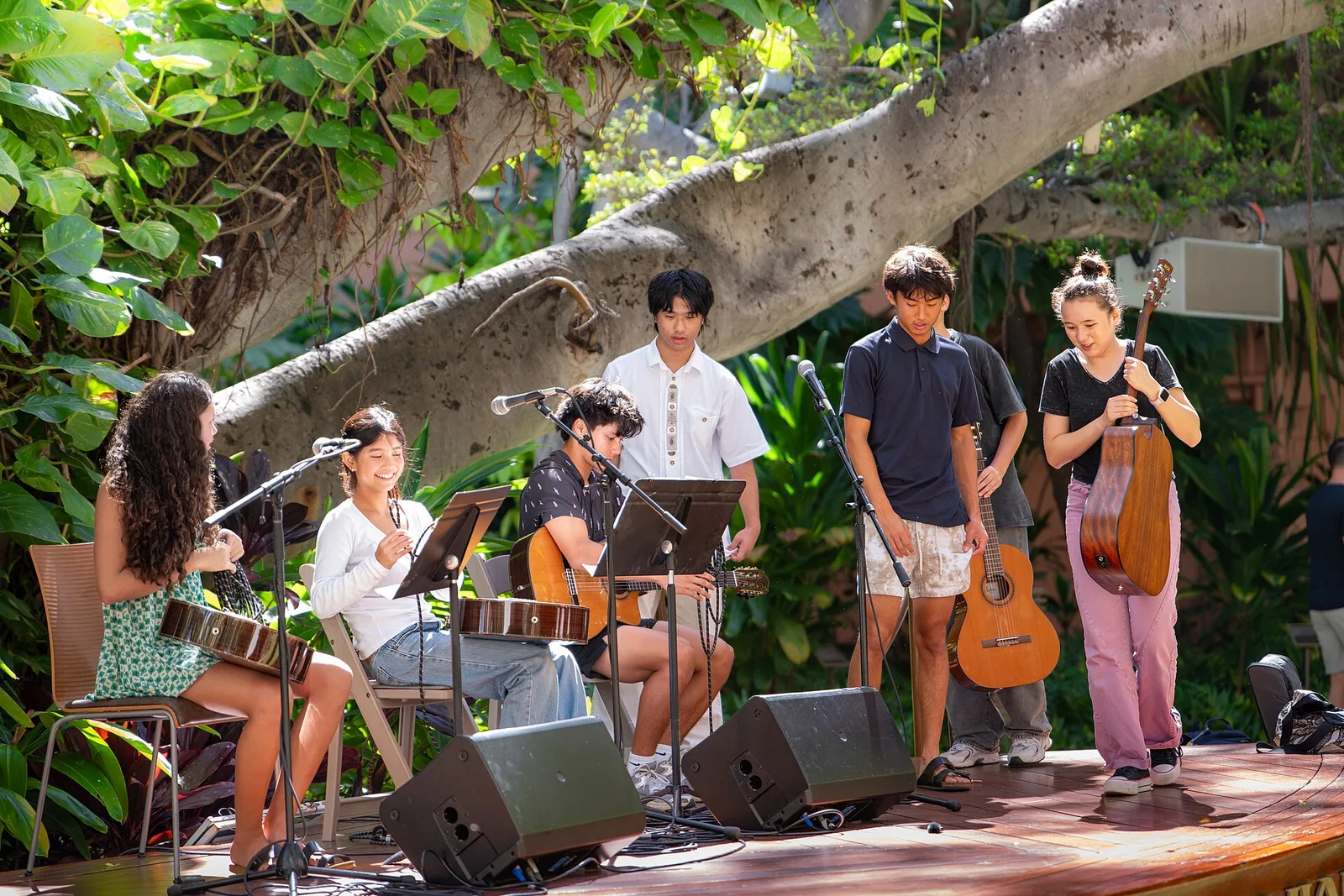
Built on the old royal coconut grove of Helumoa in the heart of Waikīkī, the Royal Hawaiian Center is the most interesting of the Waikīkī malls, because it gives something away. Every weekday there’s one free cultural class, which might be lei-making, ʻukulele, hula or lauhala weaving, with no reservation needed. The line-up rotates monthly, so check the centre’s events page when you arrive. The shops lean towards international brands, but the classes are the best free hour in Waikīkī.
Cost: classes free, no booking · Book: schedule at royalhawaiiancenter.com/events · Bus: walk from any Waikīkī hotel · Allow: 1–2 hours
3. International Market Place
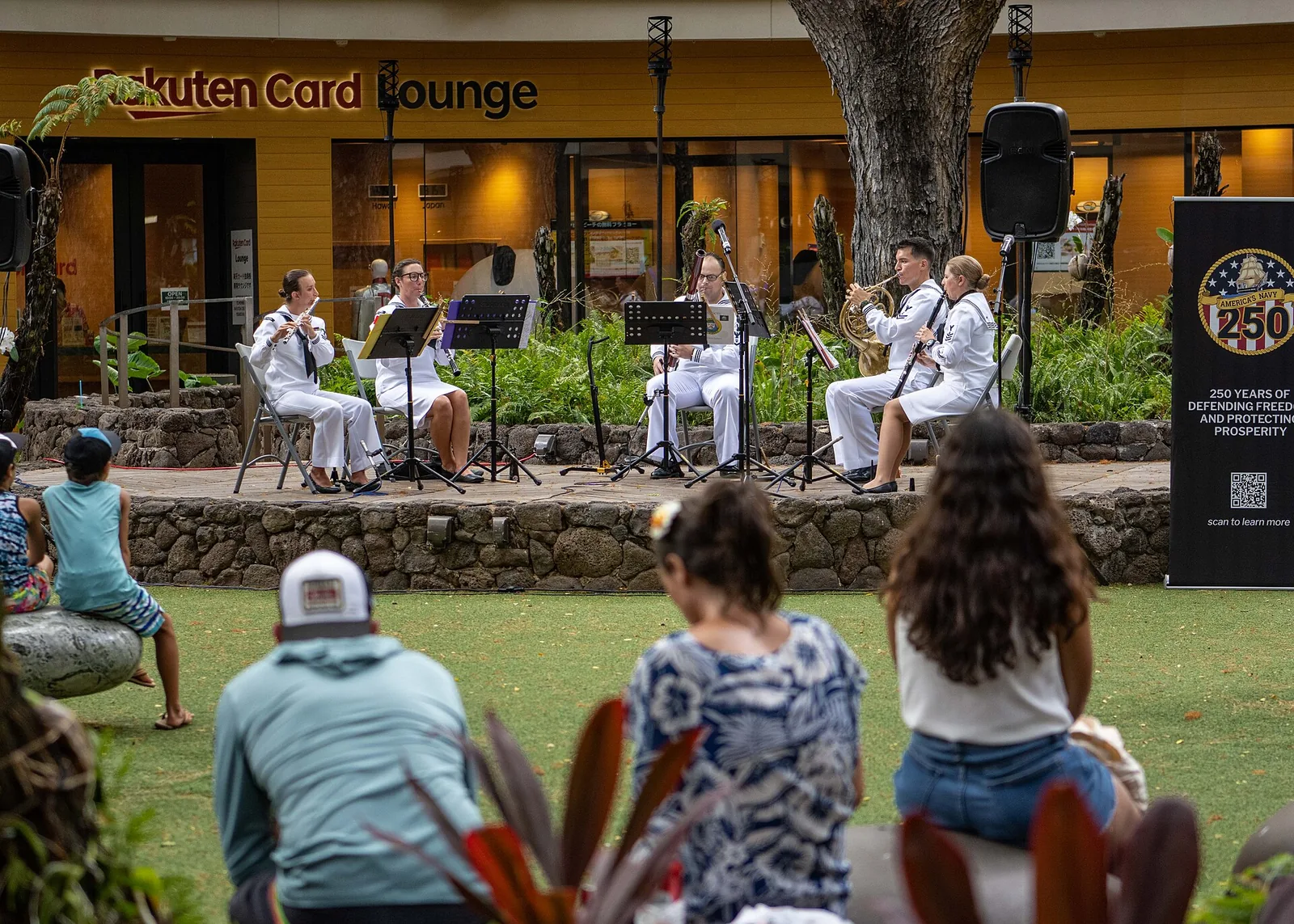
A century-old banyan tree still spreads over the centre of the International Market Place, and the free performances beneath it are the reason to wander through. The shops are much like any upscale mall’s; the open-air restaurants on the top level are the bigger draw, especially at sunset. Don’t expect the bamboo-hut market of old postcards. It’s been a modern mall for years. Kalākaua Avenue between here and the Royal Hawaiian Center is Waikīkī’s designer strip, with luxury flagships aimed squarely at international visitors; window-shopping costs nothing, and the people-watching is excellent.
Cost: free to browse · Bus: on Kalākaua Avenue in Waikīkī · Allow: 1 hour
4. Ward Village and SALT at Our Kakaʻako
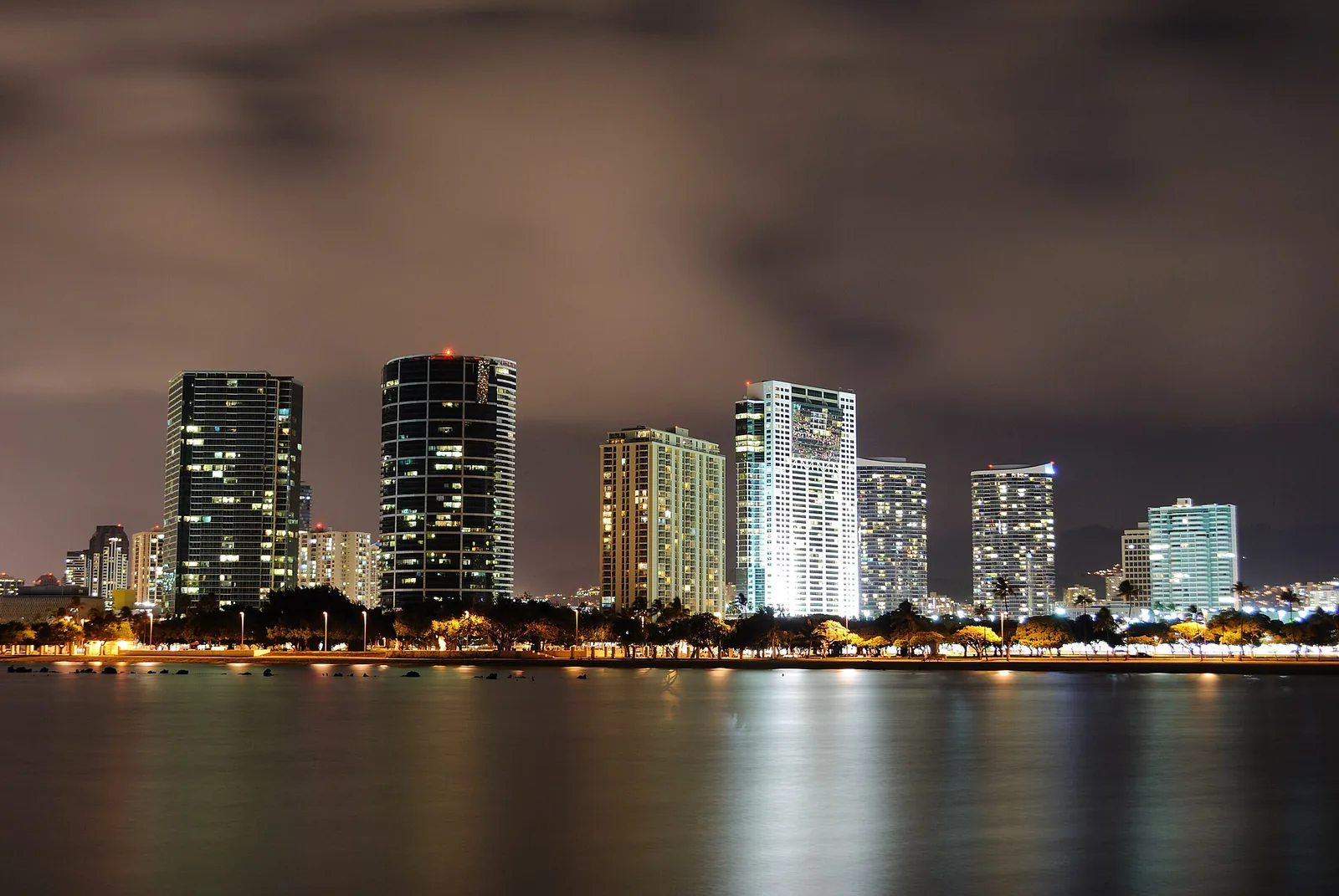
Kakaʻako, between Ala Moana and downtown, is where Honolulu’s younger designers, roasters and bakers have set up shop. SALT at Our Kakaʻako fills a block of converted warehouses with small shops and restaurants, the streets around it are covered in murals, and Ward Village’s shops lean local. It’s the best area in town to find a gift that wasn’t made in a factory overseas, and it’s at its liveliest on weekend mornings.
Cost: free; street parking metered · Bus: 10 minutes by car from Waikīkī, or Biki bike share at $5 per 30 minutes · Allow: 2 hours
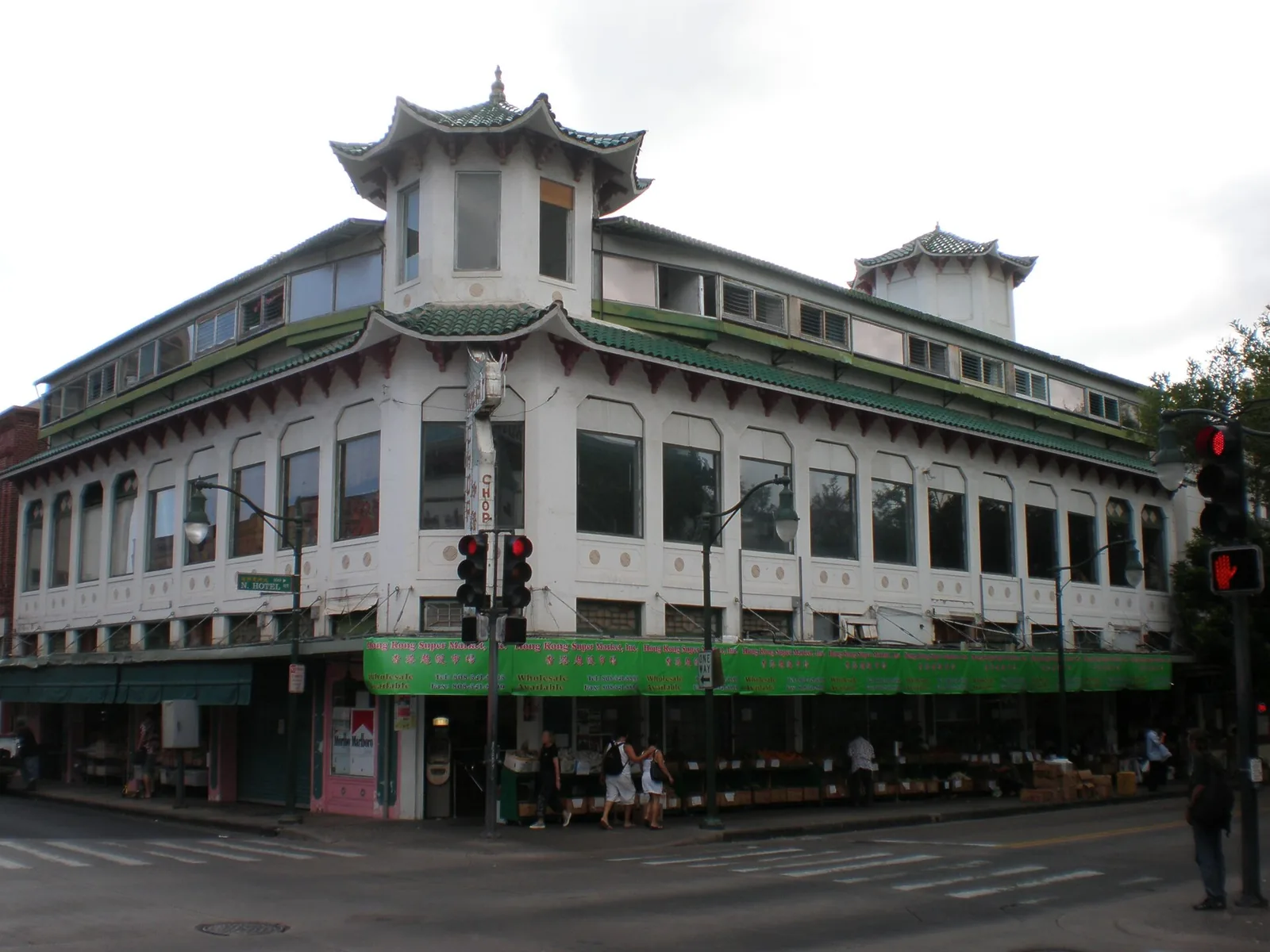
5. Chinatown
Honolulu’s oldest shopping district is a working neighbourhood rather than a tourist strip. The lei stands along Maunakea Street sell fresh flower lei made that morning at a fraction of hotel prices, the herbalists and noodle factories are a century-long tradition, and the galleries along Nuʻuanu Avenue open late on First Friday, from 5pm to 9pm on the first Friday of every month (the next two in 2026 are 6 November and 4 December). Come in daylight for the lei and the markets, and on First Friday for the art. Chinatown’s open-fronted markets sell fish, produce and roast meats to local cooks, and the food courts tucked inside them make a cheap, cheerful lunch.
Hours: First Friday 17:00–21:00 · Bus: Route 2 or 13 from Waikīkī to Hotel Street · Allow: 2 hours
6. KCC Farmers’ Market
Every Saturday morning, the car park of Kapiʻolani Community College on Diamond Head’s slope fills with farmers, bakers and food stalls, and it’s the best place on the island to taste what Oʻahu actually grows. Go early, because the best produce and the shortest queues are gone by nine, and eat breakfast there: fresh-cut fruit, local coffee and plate breakfasts eaten standing up, with Diamond Head behind you. Remember the flight home: a pineapple can travel after inspection, but most other fresh fruit can’t. It pairs well with an early climb up Diamond Head, one of the best hikes on Oʻahu.
Cost: free entry · Hours: Saturdays 07:30–11:00 · Bus: Route 2 or 2L to KCC · Allow: 90 minutes
7. Waikele Premium Outlets
West of Pearl Harbor, Waikele is Oʻahu’s outlet mall: mainland brands at outlet prices, open-air walkways and not much else. It’s worth the trip if you have a list of brands you’d buy anyway, and not worth a morning of a short holiday if you don’t. Pair it with Pearl Harbor or the swap meet to make the drive count. International visitors tend to find the best value, on American brands that cost more at home; mainland visitors may find the same prices at their local outlet mall. Weekday mornings are quietest.
Cost: free; free parking · Drive: about 30 minutes from Waikīkī on the H-1 · Allow: half a day
8. Pearlridge Center
Pearlridge in ʻAiea is a locals’ mall, with chain stores, a cinema and food courts, and it now has its own Skyline station, Kalauao. Its real use to visitors is as a pairing: ride the train to the Aloha Stadium Swap Meet at Hālawa on a Wednesday or weekend morning, then one stop on to Pearlridge for lunch and air-conditioning. The mall is split into Uptown and Downtown halves, so check which one your shop is in before you start walking.
Cost: free · Bus: Skyline to Kalauao station, $3.25 · Allow: 2 hours
9. Kahala Mall
On the far side of Diamond Head, Kahala Mall is where east Honolulu shops for groceries, books and everyday things, and it’s a calmer, cheaper alternative to the Waikīkī malls. Its supermarket is a good place to stock up on Hawaiʻi coffee and macadamia nuts to take home, at local prices. It has a Whole Foods Market, and parking is far easier than anywhere in Waikīkī.
Cost: free; free parking · Bus: Route 2 or 2L to Kahala · Allow: 1–2 hours
10. Kaimukī
Waiʻalae Avenue in Kaimukī, ten minutes from Waikīkī, is a strip of independent shops, bakeries and some of the city’s best restaurants, including Ed Kenney’s Mud Hen Water. It’s a neighbourhood for a slow afternoon of browsing and eating rather than a shopping list, and almost no tour groups find it. Pair it with the KCC Farmers’ Market on a Saturday; the college is a few minutes’ drive up the hill.
Cost: free; metered street parking · Drive: about 10 minutes from Waikīkī · Allow: 2 hours
11. Kailua Town
On the windward side, Kailua’s small town centre mixes surf and swim shops, boutiques, cafés and a farmers’ market feel, a few minutes from one of the island’s best beaches. Shop in the morning, swim in the afternoon. Note that Lanikai’s residential streets now have an all-day parking ban, so leave the car at Kailua Beach Park.
Cost: free · Bus: Route 67 from Ala Moana · Allow: half a day with the beach
12. Haleʻiwa Town
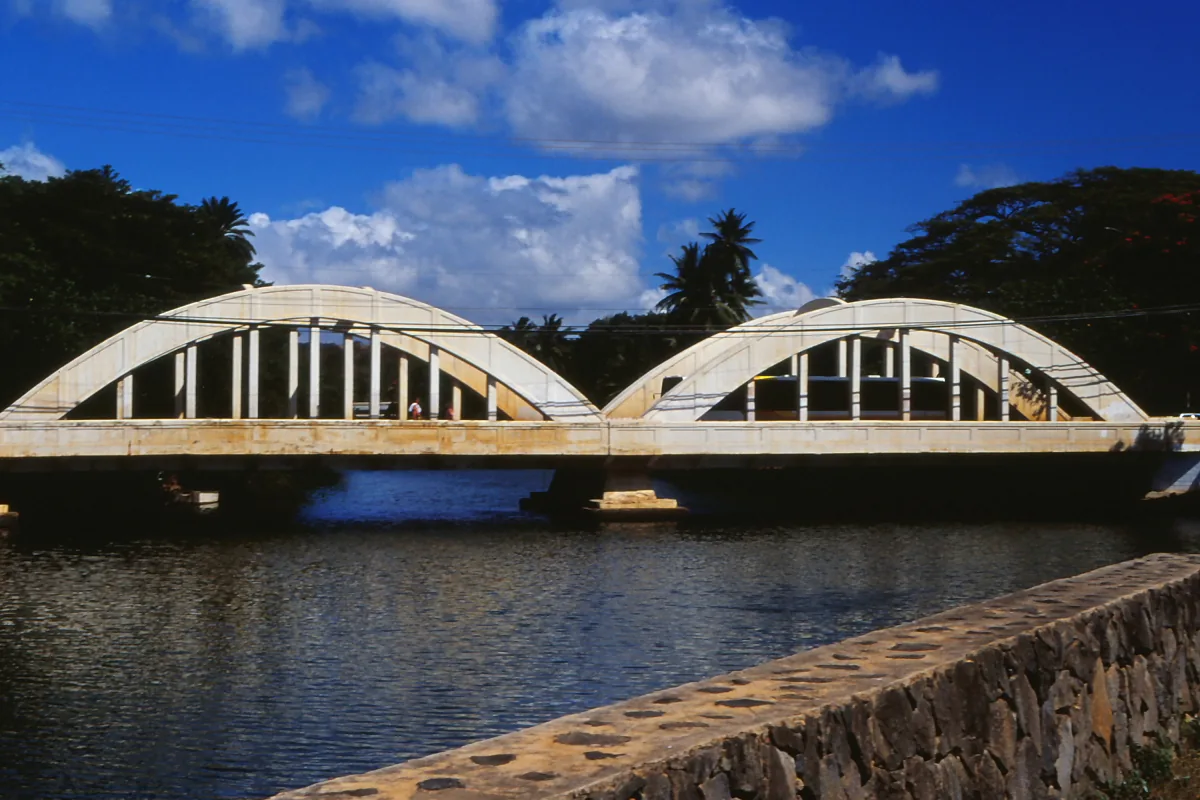
The North Shore’s surf town is the place for board shorts, surf art and galleries in old plantation-era wooden buildings, with shave ice at Matsumoto’s (10am to 6pm) and garlic shrimp trucks on the edge of town. On Thursday afternoons the Haleʻiwa Farmers’ Market runs from 3pm to 7pm. Read more in our North Shore guide.
Cost: free · Hours: farmers’ market Thursdays 15:00–19:00 · Bus: Route 60, about 1 hour 14 minutes from Ala Moana · Allow: half a day
13. Supermarkets, drugstores and Don Quijote
Here’s the local secret: the cheapest macadamia nuts, coffee, snacks, sunscreen and even souvenir T-shirts are in the supermarkets and drugstores, not the resort shops. Longs Drugs, the island’s supermarkets and the Japanese discount store Don Quijote, near Ala Moana, sell the same branded gift boxes you’ll see in Waikīkī for noticeably less. ABC Stores, on seemingly every Waikīkī corner, are handy rather than cheap.
Cost: lowest prices on the island for edible souvenirs · Bus: most are on Ala Moana and Kapiʻolani Boulevard routes · Allow: 30 minutes
14. Museum and palace shops
For books, prints, music and crafts made in Hawaiʻi, the museum shops are better curated than any mall. The Bishop Museum (9am to 5pm, last entry 4pm) has the best selection of Hawaiian books on the island, ʻIolani Palace’s shop supports the palace’s upkeep (the palace is closed Sundays and Mondays), and the Honolulu Museum of Art’s shop is good for prints and design. Our guide to Hawaiian culture and history covers the sites themselves.
Hours: Bishop Museum 09:00–17:00; Honolulu Museum of Art Wed–Sun 10:00–18:00 · Bus: Route 2 for Bishop Museum and downtown · Allow: 30–60 minutes each
Made in Hawaiʻi or Made Elsewhere? A Buying Guide
Walk down Kalākaua Avenue and almost everything has a hibiscus, a turtle or the word “Hawaiian” on it. Very little of it was made here. That’s not a scandal; it’s just how souvenirs work everywhere. But if you want to take home something genuinely from Hawaiʻi, and support the people who make it, you need to read labels the way locals do.
Start with the law. In Hawaiʻi, the words “Made in Hawaii” are reserved for goods with at least 51% of their wholesale value added in the state. Phrases like “Hawaiian-designed”, “island-inspired” or “Hawaiian style” carry no legal meaning at all. The federal country-of-origin label on clothing and many other goods is the next check: a shirt designed in Honolulu and sewn in Asia will say so on its label.
Coffee
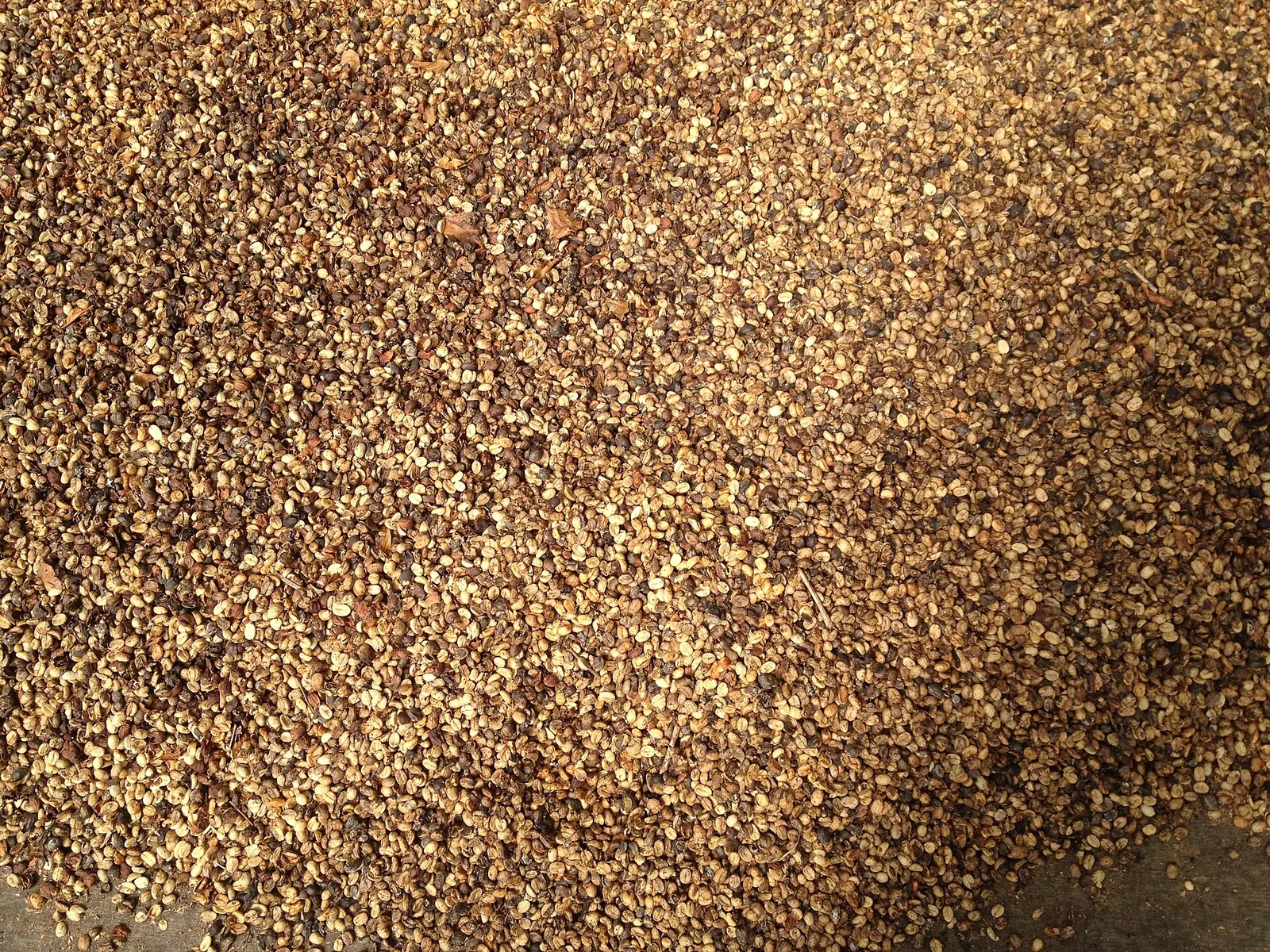
This is where most visitors get caught. Hawaiʻi’s labelling law lets a coffee use a Hawaiʻi place name, as in a “Kona blend”, with as little as 10% Hawaiʻi-grown coffee by weight; the other 90% can come from anywhere. Kona’s farmers have campaigned for years to raise that to 51%. If you want the real thing, buy bags labelled “100% Kona”, or 100% Kaʻū, Maui or Oʻahu-grown, ideally with the farm’s name on the bag, and expect them to cost a good deal more than a blend. Oʻahu grows coffee too, around Waialua on the North Shore, and a bag of it is the most local coffee you can buy on this island. Kona coffee comes from Hawaiʻi Island; our Big Island guide covers farm visits.
The rest of the shopping list
| Item | The real thing | Red flags |
|---|---|---|
| Coffee | “100% Kona”, “100% Kaʻū” or another 100% Hawaiʻi origin, farm named | “Kona blend” or “Kona style”; the origin percentage in tiny print |
| Macadamia nuts | “Hawaiʻi-grown” stated on the pack | A Hawaiʻi brand name with no origin for the nuts |
| Chocolate | Bars made from Hawaiʻi-grown cacao, often single-estate | “Hawaiian” flavours made on the mainland |
| Aloha shirts | “Made in Hawaii” label from a local maker or designer | “Hawaiian style” with an overseas origin label |
| Koa wood | Solid koa, maker named, priced accordingly | “Koa-look”, veneer, or suspiciously cheap |
| ʻUkulele | Built by a Hawaiʻi workshop, sold by a proper music shop | Souvenir ʻukulele that won’t hold a tune |
| Lei | Fresh flowers from a local lei stand | Plastic or silk lei made abroad |
| Quilts | Hand-appliquéd Hawaiian quilts, signed | Printed quilt patterns |
| Shell jewellery | Niʻihau shell lei with clear provenance | Cheap “Hawaiian shell” imports |
| Carvings and art | Work by a named local artist | Mass-produced “tiki” |
A few notes on the table. Hawaiʻi is the only US state that grows cacao commercially, so a Hawaiʻi-grown chocolate bar is a genuinely local product. Koa is a native Hawaiian hardwood, and real koa bowls and boxes are expensive because the wood is; if the price seems too good, it isn’t koa. Honolulu has several family ʻukulele workshops, some of them in business for over a century, and a Hawaiʻi-built instrument will outlive any souvenir version. Niʻihau shell lei, made from tiny shells gathered on the privately owned island of Niʻihau, are rare, labour-intensive and priced like fine jewellery; buy only from dealers who can tell you who made one.
The surest places to find Hawaiʻi-made goods are the farmers’ markets, Kakaʻako’s independent shops, the museum shops, community craft fairs and the galleries of Haleʻiwa and Chinatown. In the malls, look for shops that specialise in Hawaiʻi-made products and ask where things come from; staff in a genuine one will happily tell you, item by item.
Edible souvenirs are the easiest win. Lilikoʻi (passion fruit) butter, Hawaiʻi honey, ʻalaea salt, crack seed and li hing mui, and local-style snacks like arare are all made here and travel well in checked bags. Remember that crack seed, arare and spam musubi are local-style foods from Hawaiʻi’s immigrant communities, not traditional Hawaiian food; our guide to the best restaurants in Honolulu explains the difference.
Lei: How to Buy, Wear and Give One
A lei is the most Hawaiian thing you can buy in Honolulu, and the one most often bought badly: a plastic garland at a hotel party, or a tired one grabbed at the airport. A fresh lei from a Chinatown stand or a good florist is a different thing entirely, strung by hand that morning, fragrant for a day or two and given with meaning.
- Orchid lei are the most common and the longest-lasting, and the safest choice if you’re travelling with one.
- Plumeria is the sweet-scented classic of the postcards; it bruises easily and lasts about a day.
- Pīkake (Arabian jasmine) and pakalana are small, intensely fragrant and prized. Pīkake was Princess Kaʻiulani’s favourite flower.
- ʻIlima, strung from hundreds of tiny orange-gold blossoms, is Oʻahu’s island flower and was a favourite of Hawaiian royalty.
- Maile, an open-ended lei of fragrant leafy vine, is the traditional choice for weddings, graduations and other milestones.
- Kukui nut lei, made from the polished nuts of the state tree, last for years and make a good keepsake.
To wear a lei, drape it over your shoulders so it hangs evenly front and back. If someone gives you one, accept it, wear it, and don’t take it off in front of the giver. Some families avoid giving a closed lei to a pregnant woman and choose an open maile instead. Keep a fresh lei overnight in a plastic bag in the fridge, never the freezer, and when it’s finished, untie it and return the flowers to the earth rather than the bin. If you’re in Honolulu on 1 May, you’ll see lei everywhere: it’s Lei Day, celebrated across the state.
Aloha Wear: Shirts and Muʻumuʻu
The aloha shirt was born in Honolulu in the 1930s, when local tailors began cutting bright shirts from Japanese kimono fabric and island prints; a Honolulu shop owner, Ellery Chun, is often credited with popularising the name. Today it’s business wear here. Lawyers, bankers and politicians wear aloha shirts to work, and “Aloha Friday”, when even more people do, has been a local institution since the 1960s.
Locals tend to wear them untucked and in subtler prints than the tourist versions; “reverse print” shirts, made with the fabric turned inside out for a softer, faded look, are the old-school choice. The muʻumuʻu, a loose, flowing dress that began life as the shift worn under the missionary-era holokū, is the women’s equivalent, from everyday cotton to formal silk. For the real thing, look for a “Made in Hawaii” label from a local maker in Kakaʻako, Chinatown, Kailua or Haleʻiwa, or hunt through vintage racks for old rayon prints. Cheap imported versions fill the swap meet and the Waikīkī souvenir shops. They’re fine for a lūʻau, but they aren’t the same shirt.
Buying an ʻUkulele in Honolulu
The ʻukulele arrived in 1879 with Portuguese immigrants from Madeira, whose small four-stringed guitars Hawaiians took up with enthusiasm; King Kalākaua was its most famous champion. Honolulu is still one of the best places in the world to buy one. Several family workshops build instruments here, among them Kamaka, in business since 1916, and KoAloha, with Kanileʻa across the mountains in Kāneʻohe.
Play before you buy, in a proper music shop that sets its instruments up well. Choose the size first: the small soprano has the classic sound, concert and tenor are easier for adult hands, and the baritone is tuned like the top four strings of a guitar. Solid koa is the premium wood and priced like it; laminates are cheaper and tougher for travel. Under US rules, small instruments can go in the cabin as carry-on if there’s room in the overhead bin, so you needn’t check it. If you’d rather try before you commit, the Royal Hawaiian Center’s free weekday classes include ʻukulele in their rotation.
What You Can Fly Home With
Flights from Hawaiʻi to the US mainland, Alaska and Guam come with an extra step: a USDA agricultural inspection of your bags, because the islands have pests and plant diseases the mainland doesn’t want. Most visitors only discover the rules at the airport, when a bag of mangoes goes in the bin. Here’s what the US Department of Agriculture’s Animal and Plant Health Inspection Service allows.
| Item | Can it fly to the mainland? |
|---|---|
| Fresh pineapple and coconut | Yes, after inspection |
| Papaya, banana, dragon fruit, lychee, longan, rambutan, mangosteen, starfruit, abiu, atemoya, curry leaf, sweet potato | Only if treated at a USDA-approved facility and packed in sealed, marked and stamped boxes |
| Other fresh fruit, including mango, avocado, citrus, guava and lilikoʻi | No |
| Fresh flowers | Yes, except gardenia, jade vine and Mauna Loa |
| Flower lei | Yes, unless it contains citrus flowers or leaves, jade vine or Mauna Loa |
| Plants, wooden crafts and plant-based crafts | Only after APHIS inspection; buy plants pre-inspected and packed for travel |
| Roasted coffee, macadamia nuts, chocolate, sealed jams and honey | Yes, but liquids and spreads over 3.4 ounces go in checked bags |
| Sand, coral and lava rock | Don’t take them; removing them from national parks is illegal, and it’s disrespectful everywhere |
Flowers are the easy win. Orchids, anthuriums, protea and heliconia all travel well, and Honolulu florists sell them pre-inspected and boxed for the flight; a box of anthuriums will outlast your tan.
The practical upshot: buy pineapples from shops that sell them pre-inspected and boxed for flying, and treat the fruit stand’s papayas and mangoes as something to eat before you leave. If you’re mailing anything agricultural home, the same inspection applies before you take the package to the post office, and APHIS publishes a guide to shipping and mailing from Hawaiʻi. Many Honolulu shops will also ship purchases home for you, and those selling fruit, flowers or plants can usually send them pre-inspected; it costs more than carrying them, but saves a debate at the X-ray machine. Travellers flying to another country face that country’s import rules on arrival, which are often stricter still; check before you buy.
At Honolulu’s airport the inspection happens before you check in: mainland-bound checked bags go through a USDA agricultural X-ray in the departure lobby, and carry-ons are screened at the security area. Declare any fruit or plants rather than hoping for the best; an honest traveller simply loses the fruit. Pre-inspected pineapple boxes carry an inspection stamp, so keep them sealed until you’re home.
Lei deserve a word of their own. A fresh lei is a gift, and a beautiful one to wear home, as long as it passes the inspection. Lei made with citrus blossom or leaves, jade vine or the Mauna Loa vine can’t go, and the inspector’s decision is final. Plastic and silk lei pass every inspection but are almost always imported.
The Aloha Stadium Swap Meet, Explained
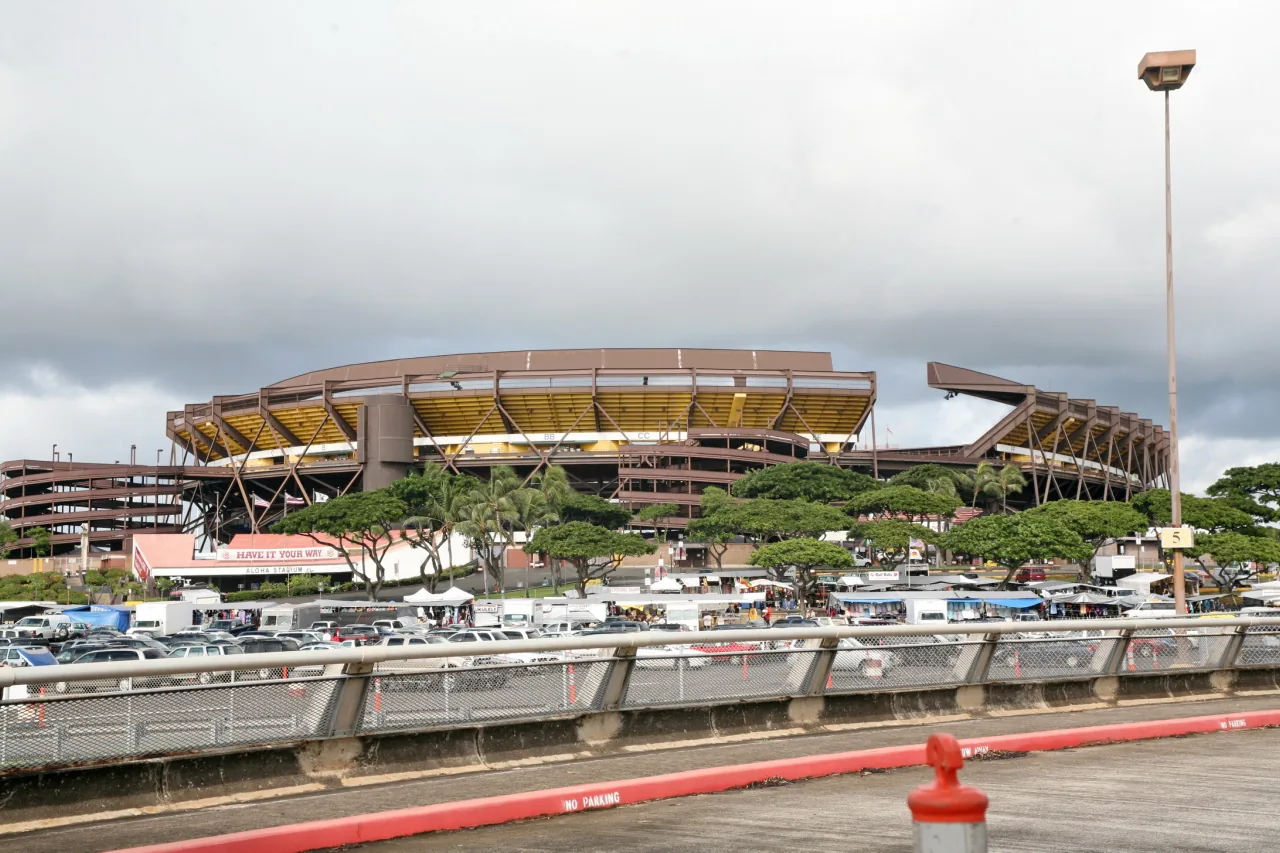
For decades the swap meet circled the outside of Aloha Stadium, the old home of football in Hawaiʻi. The stadium bowl has since closed to spectators, and the Swap Meet and Marketplace now runs from a new location on the same grounds. The formula hasn’t changed: rows of vendors selling souvenirs, aloha shirts and muʻumuʻu, jewellery, beach gear, local snacks, produce and household odds and ends, at prices well below Waikīkī’s.
- When: Wednesdays and Saturdays 8am–3pm, Sundays 6:30am–3pm.
- Admission: $2 for anyone 12 and over, $1 for kamaʻāina and active military with ID, free for 11 and under.
- Parking: the parking gates take cash only, so bring some.
- Getting there without a car: the Skyline’s Hālawa station serves the stadium. From Waikīkī, take the W Line bus to the airport’s Lelepaua station and ride two stops west; with a HOLO card your fares cap at $7.50 a day.
- Questions: the swap meet line is 808-486-6704, and the stadium’s site at alohastadium.hawaii.gov posts changes.
Go early, especially on a Sunday, before the heat comes off the asphalt; bring a hat, water and small bills. Read the labels here more carefully than anywhere: plenty of the aloha wear and jewellery is imported, but you’ll also find local makers and food vendors among the stalls, and a polite offer on several items at once is normal. Cheap snorkel sets are plentiful too, but for Hanauma Bay buy a mask that genuinely fits; our snorkelling guide explains why. Pearl Harbor is a few minutes away, and Pearlridge is one Skyline stop on, so it makes an easy half-day pairing. Our Pearl Harbor guide covers the memorial’s booking rules.
Markets, Classes and First Fridays
Honolulu’s best shopping often isn’t in a shop. The KCC Farmers’ Market on Saturday mornings and Haleʻiwa’s on Thursday afternoons are as much about breakfast and people-watching as produce. Chinatown’s First Friday turns the galleries and bars of Nuʻuanu Avenue into an evening street party from 5pm to 9pm. The Royal Hawaiian Center’s free weekday classes let you make your own lei or learn three chords on an ʻukulele, which is a better souvenir than most you can buy.
Craft fairs pop up through the year at schools, churches and community centres, often at weekends; ask at your hotel or look for posters in Kaimukī and Kailua. They’re where Hawaiʻi’s quilters, woodworkers and lei makers sell direct, and where prices are the fairest on the island.
Three Shopping Days in Honolulu
Strung together, the places above make three very different days out, and none of them needs a car. For sightseeing around them, see our Oʻahu itinerary.
A swap meet Sunday
Take the W Line bus from Waikīkī to the airport’s Lelepaua station, then the Skyline two stops west to Hālawa for the swap meet’s 6:30am opening, when it’s coolest and the stalls are fully stocked. Browse for a couple of hours with cash in your pocket, then ride one stop on to Kalauao for lunch and air-conditioning at Pearlridge. Back in town by mid-afternoon, finish at Ala Moana Center, open until 8pm, and walk across to Ala Moana Beach Park for the sunset. A HOLO card keeps the whole day’s fares to $7.50.
A local’s Saturday
Catch Route 2 or 2L to the KCC Farmers’ Market for its 7:30am start and eat breakfast there. Head down to Waiʻalae Avenue in Kaimukī, a few minutes away, for its bakeries and independent shops, then spend the afternoon in Kakaʻako among the murals, SALT’s small shops and Ward Village’s local labels. This is the day that turns up the gifts nobody else at home will have.
A First Friday
On the first Friday of the month, start with the Royal Hawaiian Center’s free class in Waikīkī, spend the afternoon at Ala Moana, then take Route 2 or 13 to Chinatown before dark to buy a lei from a Maunakea Street stand. From 5pm to 9pm the galleries and bars along Nuʻuanu Avenue fill for First Friday, and the lei you bought that afternoon will still smell wonderful. The next two in 2026 fall on 6 November and 4 December.
When to Shop
Ala Moana Center is open from 10am to 8pm, and Waikīkī’s shops generally stay open into the evening, so the easy time to browse is after a beach day. The markets set their own clocks: KCC on Saturday mornings, Haleʻiwa on Thursday afternoons, the swap meet on Wednesdays, Saturdays and Sundays, with Sunday’s 6:30am start the earliest of the week. Chinatown is best on weekday mornings for lei and produce, and on the first Friday of the month for galleries. December brings holiday crowds to the malls and Honolulu City Lights to downtown; the quietest shopping months, like the quietest travel months, are September, late April and May.
If shopping is a big part of the trip, base yourself in Waikīkī or near Ala Moana, where the malls are walkable and the buses most frequent; our guide to where to stay in Oʻahu compares the areas.
Shopping in Honolulu on a Budget
Remember the tax at the till. Hawaiʻi doesn’t have a sales tax as such, but its general excise tax is passed on to shoppers, adding about 4.7% on Oʻahu to most shelf prices. Overseas visitors can’t reclaim it; the US has no tourist tax-refund scheme.
Buy edible souvenirs where locals shop. Supermarkets, Longs Drugs and Don Quijote sell macadamia nuts, coffee and gift boxes for less than the resort shops, and the farmers’ markets sell direct from the grower.
Use the bus and the train. A HOLO card caps a day’s travel on TheBus and the Skyline at $7.50, which makes a swap meet morning, an Ala Moana afternoon and Chinatown in the evening cost less than one taxi. Biki bike share costs $5 per 30 minutes, or $20 for 24 hours of unlimited 30-minute rides. Our guide to getting around Oʻahu has routes and fares.
Shopping with children? Under-12s get into the swap meet free, Ala Moana’s Centerstage puts on free shows, and the Royal Hawaiian Center’s lei-making and ʻukulele classes go down well with older children. Our guide to Hawaiʻi with kids has much more.
Skip the airport shops. By the time you’re through security, the choice is narrow and the prices are high. Buy your coffee and macadamia nuts in town, and pack them in checked bags if they include jars.
Bring a reusable bag. Oʻahu shops can’t hand out plastic checkout bags, and many charge for paper ones.
Know what to splurge on. A real koa piece, a Hawaiʻi-built ʻukulele or a signed quilt is worth paying properly for. A dozen identical turtle magnets aren’t. Our guide to planning a trip to Hawaiʻi covers the rest of the budget.
Buying Hawaiian Art and Crafts Respectfully
Hawaiian culture is not a design motif, and the best purchases treat it that way. Buy Hawaiian art from Hawaiian artists, and ask who made something; good shops and galleries will tell you. Kapa (bark cloth), featherwork, lauhala weaving and traditional carving are living arts with masters still working, and their pieces cost what skilled work costs. Mass-produced “tiki” figures and plastic hula dolls are fine as kitsch, but they aren’t Hawaiian culture, and some carvings depict gods that matter deeply to Native Hawaiians. When you can, buy from Native Hawaiian-owned businesses and makers; many say so clearly, and spending there keeps the culture and the income in the same hands. Our guide to Hawaiian culture explains the background.
The same rule that applies on beaches and trails applies in shops: anything that seems to come from a sacred place, or from a kapu site, which means do not enter, shouldn’t be bought or taken at all.
Frequently Asked Questions
Where is the best place for shopping in Honolulu?
Ala Moana Center is the best single stop, with department stores, local labels and a big food hall, open 10am to 8pm and a short bus ride from Waikīkī. For genuinely local goods, Kakaʻako’s SALT and Ward Village, Chinatown’s lei stands and the Saturday KCC Farmers’ Market are better. For bargains, try the Aloha Stadium Swap Meet.
Can I take a pineapple home from Hawaiʻi?
Yes. Fresh pineapple and coconut can fly to the US mainland after USDA agricultural inspection, and many shops sell pineapples pre-inspected and boxed for the flight. Papaya, banana, lychee and several other fruits can go only if they’ve been treated at an approved facility and sealed in stamped boxes. Mango, avocado, citrus and most other fresh fruit can’t go at all.
Can I take a fresh lei on the plane?
Usually, yes. Fresh flower lei can fly to the mainland after agricultural inspection, provided they contain no citrus flowers or leaves, jade vine or Mauna Loa. Fresh gardenias aren’t allowed either. Plastic and silk lei pass inspection but are almost always imported. Flying to another country, check that country’s import rules first.
When is the Aloha Stadium Swap Meet open?
Wednesdays and Saturdays from 8am to 3pm, and Sundays from 6:30am to 3pm, at its new location on the Aloha Stadium grounds. Admission is $2 for ages 12 and over, $1 for kamaʻāina and active military, and free for children 11 and under. Parking gates take cash only; the Skyline’s Hālawa station is the car-free way in.
How can I tell if something is really made in Hawaiʻi?
Look for the words “Made in Hawaii”, which by law require at least 51% of the product’s wholesale value to be added in the state; “Hawaiian style” or “island-inspired” mean nothing. Check the country-of-origin label, ask who made it, and for coffee buy “100% Kona” rather than a “Kona blend”, which can contain as little as 10% Kona beans.
Is there sales tax in Honolulu?
Not by that name, but Hawaiʻi’s general excise tax is passed on to shoppers and adds about 4.7% to most prices on Oʻahu at the till. Shelf prices usually exclude it. Unlike in many countries, overseas visitors can’t claim the tax back when they leave, so budget for it on bigger purchases.
What should I buy in Honolulu?
The best Hawaiʻi-made souvenirs are 100% Hawaiʻi-grown coffee, Hawaiʻi-grown macadamia nuts and chocolate, lilikoʻi butter, honey, a fresh lei from Chinatown, an aloha shirt from a local maker, and, if your budget allows, a Hawaiʻi-built ʻukulele or a piece of real koa. Buy edible gifts at supermarkets and farmers’ markets for the best prices.
Do I need a car to go shopping in Honolulu?
No. TheBus and the Skyline reach Ala Moana Center, Chinatown, Kahala Mall, Pearlridge and the Aloha Stadium Swap Meet, and a HOLO card caps a day’s fares at $7.50. Waikīkī’s malls are walkable. A car helps for Waikele Premium Outlets and makes a North Shore shopping day easier, although Route 60 reaches Haleʻiwa from Ala Moana in about an hour and a quarter.
Photo Credits
- Royal Hawaiian Center musicians: Azurelet, CC0
- Map: honolulutourism.org; coastline data © OpenStreetMap contributors, ODbL
- Ala Moana Centerstage: Richard N Horne, CC BY-SA 4.0
- International Market Place: U.S. Navy photo by Petty Officer 2nd Class Jeremy Boan, public domain
- Ala Moana and Kakaʻako at night: Daniel Ramirez, CC BY 2.0
- Wo Fat building, Chinatown: Joel Bradshaw, public domain
- Anahulu bridge, Haleʻiwa: rjones0856, CC BY 2.0
- Green Kona coffee beans: Bnummer, CC BY-SA 4.0
- Aloha Stadium Swap Meet: Cliff from Arlington, Virginia, USA, CC BY 2.0