Since October 2025, you can land at Honolulu, walk across a footbridge from the terminal and board a train. That single change, the Skyline rail line reaching the airport at Lelepaua station, has rewritten the rules for getting around Oahu, and most guides haven’t caught up. The old Route 20 bus is gone, replaced by the W Line from the airport station to Waikīkī for $3.25. A HOLO card now caps everything you spend on buses and trains at $7.50 a day. And with Waikīkī hotels charging $44 to $93 a night to park, the case for a car for your whole stay has never been weaker. Below is every way to get around the island: each airport transfer compared by cost, time and how much luggage it really handles, all 13 Skyline stations, the bus routes visitors actually use, how the HOLO fare cap works, what driving is really like, and a clear guide to when a rental car is worth it and for how many days.
Getting around Oahu: the short answer
Oʻahu is the one Hawaiian island where you can have a full holiday without a car. For most visitors staying in Waikīkī, the best plan is simple:
- From the airport: Skyline and the W Line if you’re travelling light, a taxi or rideshare if you’re not.
- Around Honolulu and Waikīkī: walk, take TheBus, or use Biki bikes, all on a HOLO card capped at $7.50 a day.
- For the rest of the island: rent a car for two or three days only, for the southeast coast, the windward side and the North Shore.
- For Hanauma Bay: there’s no direct bus, so book the Roberts Hawaiʻi bundle or drive.
If you’re staying at Ko Olina, on the North Shore or in Kailua, the answer changes: you’ll want a car for most of your stay. For help choosing a base, see our guide to where to stay in Oʻahu.
From the airport: every option compared
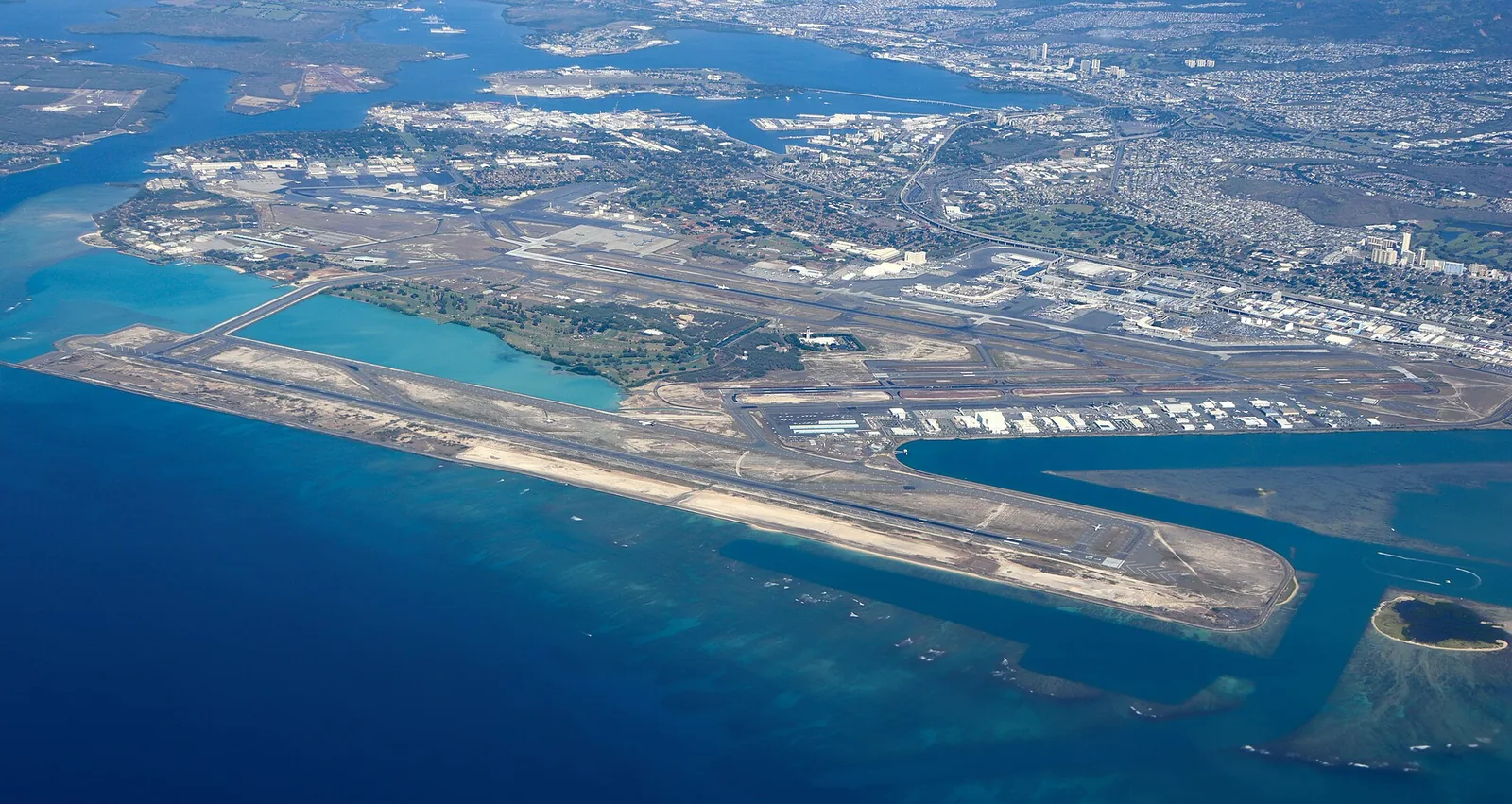
Honolulu’s Daniel K. Inouye International Airport sits between Waikīkī and Pearl Harbor, about 25 minutes from Waikīkī by road in light traffic and far longer at rush hour. It has three terminals: Terminal 1 for Hawaiian Airlines, Terminal 2 for most other airlines and international flights, and Terminal 3 for regional carriers. The free Wiki Wiki Shuttle links them around the clock, every five to ten minutes.
| Option | Cost to Waikīkī | Time | Luggage | Best for |
|---|---|---|---|---|
| Skyline to Lelepaua, then the W Line bus | $3.25, or within the $7.50 HOLO day cap | About an hour door to door | A carry-on and one case each | Solo travellers and couples travelling light |
| Rideshare (Uber, Lyft) | Typically $25–45; up to about $50 at peak | 25–45 minutes | Fine for most groups | Couples and small families |
| Flat-rate taxi | Around $30 | 25–45 minutes | Fine | Anyone who wants a fixed price |
| Metered taxi | $40–60 | 25–45 minutes | Fine | Late arrivals, lots of bags |
| Roberts Hawaii Express Shuttle | About $18–20 per person | Longer than a taxi, with hotel stops | Good | Solo travellers with luggage |
| Rental car | Daily rate plus $44–93 a night hotel parking | 25–45 minutes, plus pick-up | Unlimited | Stays outside Waikīkī |
Skyline and the W Line
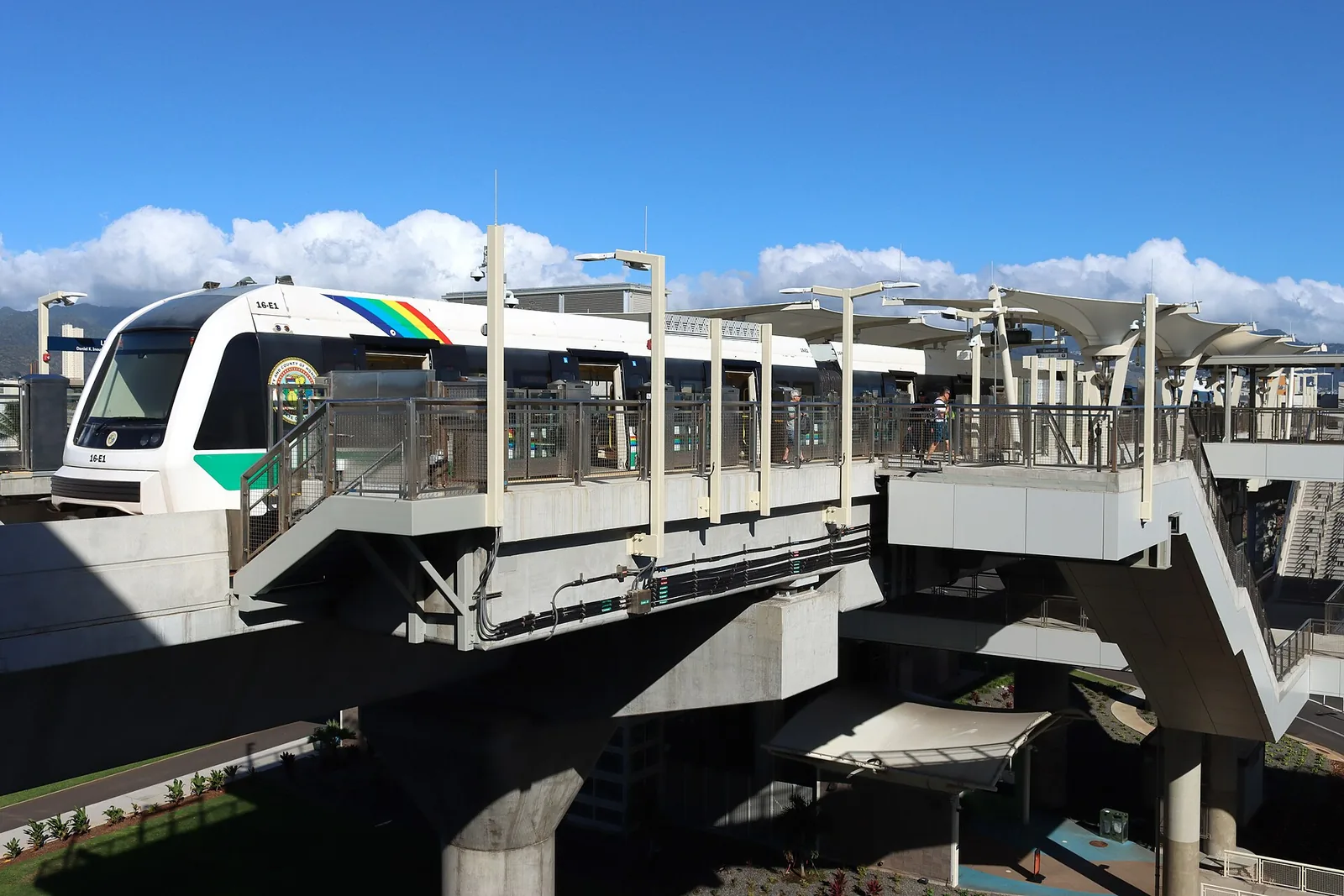
Lelepaua, the airport’s Skyline station, is linked by footbridges to all three terminals. From there, the W Line bus runs straight into Waikīkī. A single cash fare is $3.25 with no transfers, so pay with a HOLO card instead and the train-and-bus trip counts towards your $7.50 daily cap. Skyline runs from 4am to 10:30pm, every 10 to 15 minutes. It’s the cheapest way into town by a long way, and easy with a carry-on and a single suitcase each. TheBus only allows luggage you can hold on your lap or stow under your seat, though, so it isn’t practical for families with several large cases or for anyone carrying surfboards.
Taxis and rideshare
Rideshare pick-ups are from marked zones outside baggage claim, and fares to Waikīkī typically run $25 to $45, rising to around $50 when demand surges, for example on a Friday evening. Taxis wait at the kerb outside each terminal. Metered fares to Waikīkī run $40 to $60, but several companies offer flat rates of around $30, so ask before you set off. Tip your driver as you would on the US mainland.
Shuttles
The Roberts Hawaii Express Shuttle is the airport’s official shared shuttle, at about $18 to $20 per person to Waikīkī. It stops at several hotels on the way, so allow extra time. It’s good value for a solo traveller with luggage, but for two or more people, a flat-rate taxi often costs about the same and is quicker.
Picking up a rental car
All the major rental companies share the airport’s consolidated rental car facility, opened in 2021 with around 4,500 spaces. Free electric shuttles run to it from baggage claim at Terminals 1 and 2. If you’re staying in Waikīkī, think twice before collecting a car at the airport: you’ll pay hotel parking every night whether you use it or not. Many visitors take Skyline or a taxi to the hotel and pick up a car from a Waikīkī rental desk only on the days they need one.
Skyline: Honolulu’s rail line
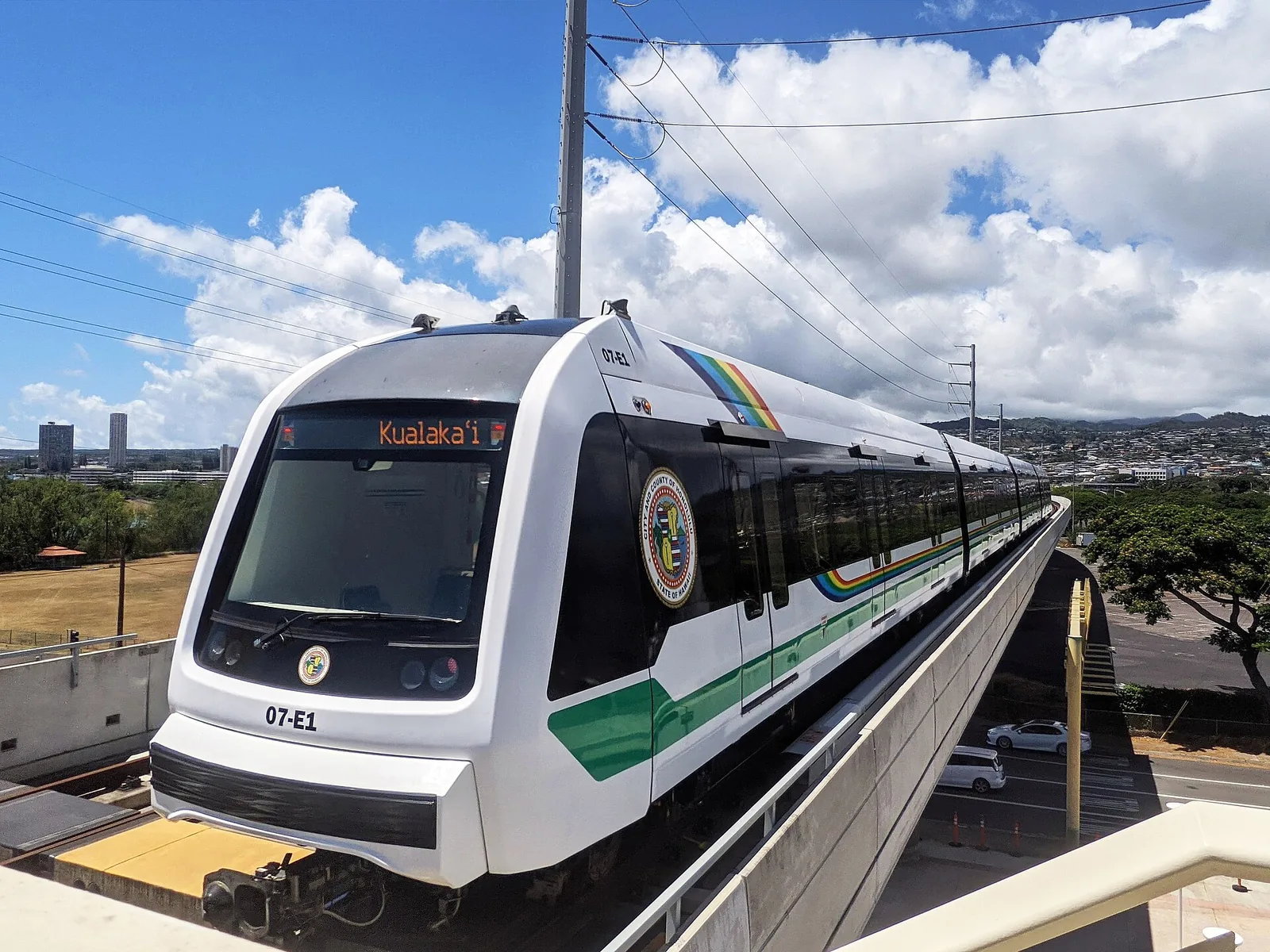
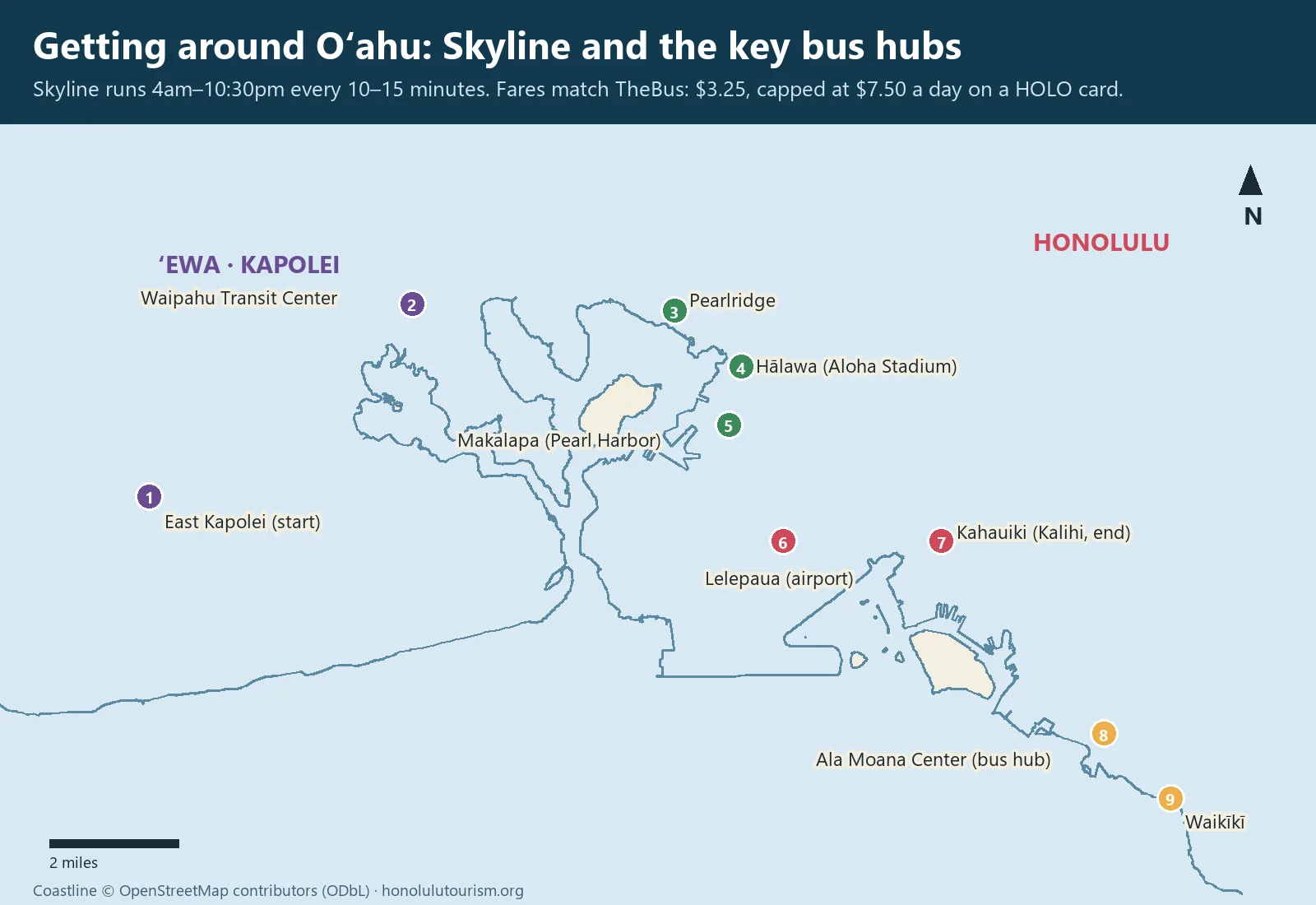
Skyline is Honolulu’s driverless elevated railway, and its second segment, opened on 16 October 2025, finally brought it to the airport. The line now runs for about 16 miles from East Kapolei in the west to Kahauiki, near Middle Street in Kalihi, with 13 stations. Trains run daily from 4am to 10:30pm, every 10 to 15 minutes, and fares are the same as TheBus.
| Station | Area | Useful for |
|---|---|---|
| Kualakaʻi | East Kapolei | Western end of the line |
| Keoneʻae | UH West Oʻahu | The university campus |
| Honouliuli | Hoʻopili | New residential areas |
| Hōʻaeʻae | West Loch | Local neighbourhoods |
| Pouhala | Waipahu Transit Center | Bus connections west and north |
| Hālaulani | Leeward Community College | The college |
| Waiawa | Pearl Highlands | Shopping, park-and-ride |
| Kalauao | Pearlridge | Pearlridge shopping centre |
| Hālawa | Aloha Stadium | Stadium, events |
| Makalapa | Joint Base Pearl Harbor–Hickam | Pearl Harbor, with a walk |
| Lelepaua | Daniel K. Inouye International Airport | All three terminals by footbridge |
| Āhua | Lagoon Drive | Airport-area hotels and businesses |
| Kahauiki | Middle Street, Kalihi | Kalihi Transit Center, bus connections into town |
What Skyline doesn’t yet reach is just as important. It doesn’t go to downtown Honolulu, Ala Moana or Waikīkī. The third segment, from Kalihi through Iwilei, Chinatown and downtown to Civic Center, is under construction, with six new stations, and passenger service isn’t expected before 2031. For now, connect to TheBus: the W Line from Lelepaua for Waikīkī, or buses from Kahauiki into town.
Cost: $3.25 single; $7.50 daily cap on HOLO · Hours: 4am–10:30pm daily · Book: no · Allow: extra time to connect to TheBus
TheBus: the routes visitors actually use
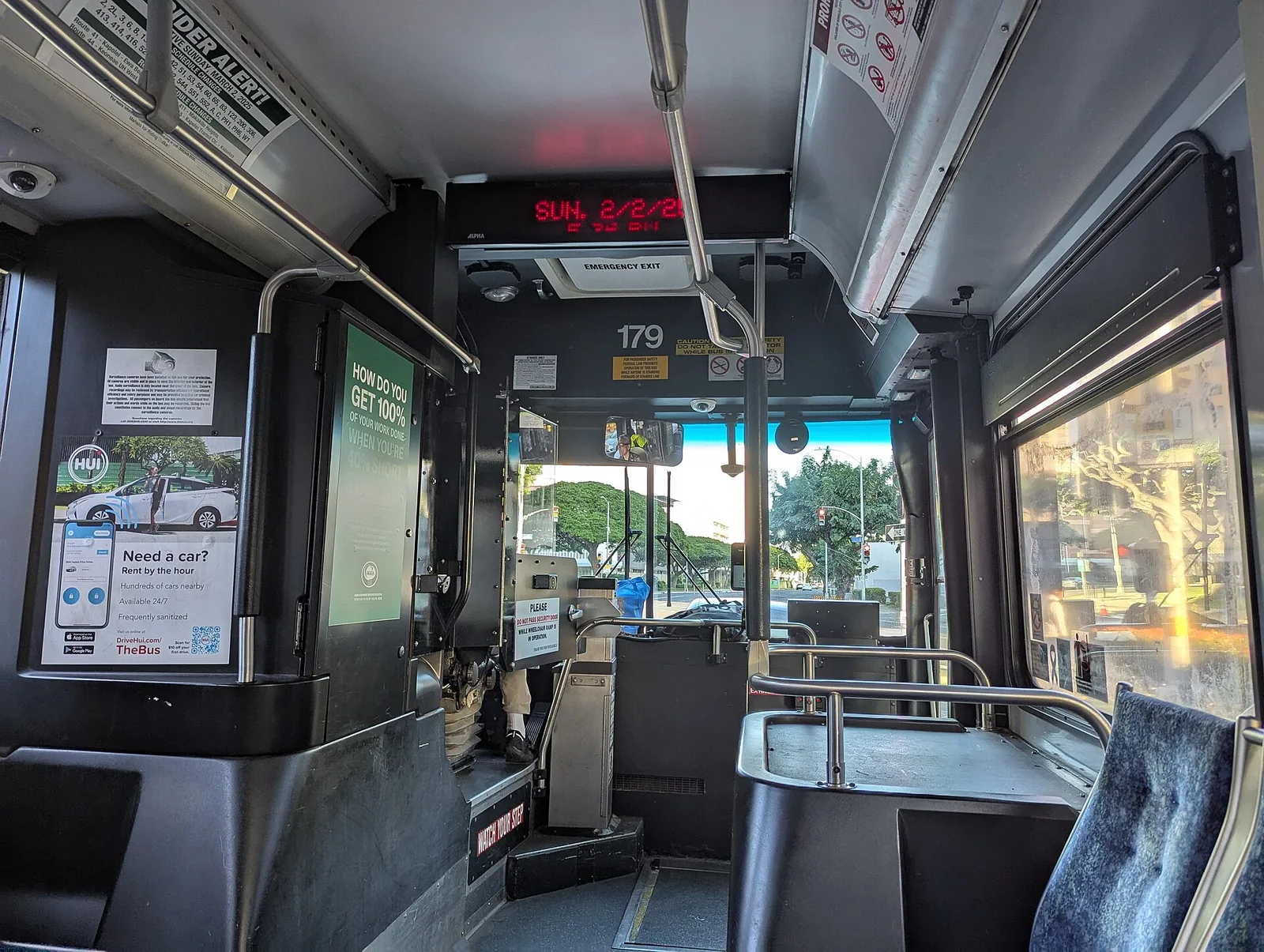
TheBus is one of the best city bus networks in the United States, and it reaches almost every corner of Oʻahu. It’s cheap, frequent on the main routes and air-conditioned. It can also be slow in traffic, and some rural routes run only every half-hour or hour, so check the timetable before you rely on it.
| Route | Runs between | Visitors use it for |
|---|---|---|
| W Line | Lelepaua (airport) and Waikīkī | Airport transfers |
| 2 and 2L | Kapiʻolani Community College, Diamond Head, Waikīkī, downtown and Kalihi | Diamond Head, the KCC Farmers Market, downtown |
| 23 | Kahala Mall to Sea Life Park | Diamond Head Road, Sandy Beach, Makapuʻu |
| 13 | UH Mānoa, Kapahulu, Waikīkī and downtown | Leonard’s Bakery, downtown, the university |
| 5 | Ala Moana Center and Mānoa Valley | Mānoa Falls, Lyon Arboretum |
| 42 | Waikīkī and Pearl Harbor | Pearl Harbor, about an hour |
| 67 | Ala Moana and Kailua | Kailua Beach and Lanikai |
| 60 | Ala Moana, Kāneʻohe, Lāʻie and Haleʻiwa | The windward coast, the Polynesian Cultural Center, the North Shore |
| 52 | Honolulu and Wahiawā | The Dole Plantation |
A few things to know. Ala Moana Center is the island’s main bus hub, so most longer trips from Waikīkī start with a short ride there. There’s no direct bus to Hanauma Bay: the old Route 22 is gone. Route 60 to the North Shore is scenic but slow; the journey from the North Shore back to Ala Moana takes about 1 hour 14 minutes by the timetable, and more in traffic. And drivers can’t give change, so if you’re paying cash, have the exact $3.25.
Cost: $3.25 cash, no transfers; $7.50 daily cap on HOLO; 7-day pass $45; monthly $90 · Hours: vary by route · Book: no · Allow: about twice the driving time
The HOLO card, explained
The HOLO card is Oʻahu’s reloadable transit card, and if you’re using public transport at all, get one. It works on TheBus and Skyline, and it does two useful things that cash can’t.
- It caps what you pay. Each ride costs $3.25, but once you’ve spent $7.50 in a day, the rest of your rides that day are free. In practice, that means your third ride of the day is effectively discounted and every ride after it costs nothing.
- It makes connections painless. Cash fares include no transfers, so a trip that needs a train and a bus costs $6.50 in cash. On a HOLO card, every tap counts towards the $7.50 daily cap, so a day of connections never costs more than that.
You can also load passes onto the card: a seven-day pass costs $45 and a monthly pass $90. For a week of heavy use, the daily cap is often cheaper than the seven-day pass, since you’ll pay at most $7.50 on the days you use it and nothing on the days you don’t. Buy and reload cards through the official HOLO card website, at Skyline station machines or at retail outlets around the island, and tap on every time you board. It’s worth registering your card online, too, so the balance can be protected if you lose it.
| How you travel | Cash | HOLO card |
|---|---|---|
| One single ride | $3.25 | $3.25 |
| A busy day of four rides | $13.00 | $7.50 |
| Seven busy days | $91.00 | $45 pass, or up to $52.50 capped |
Getting around Oahu by car
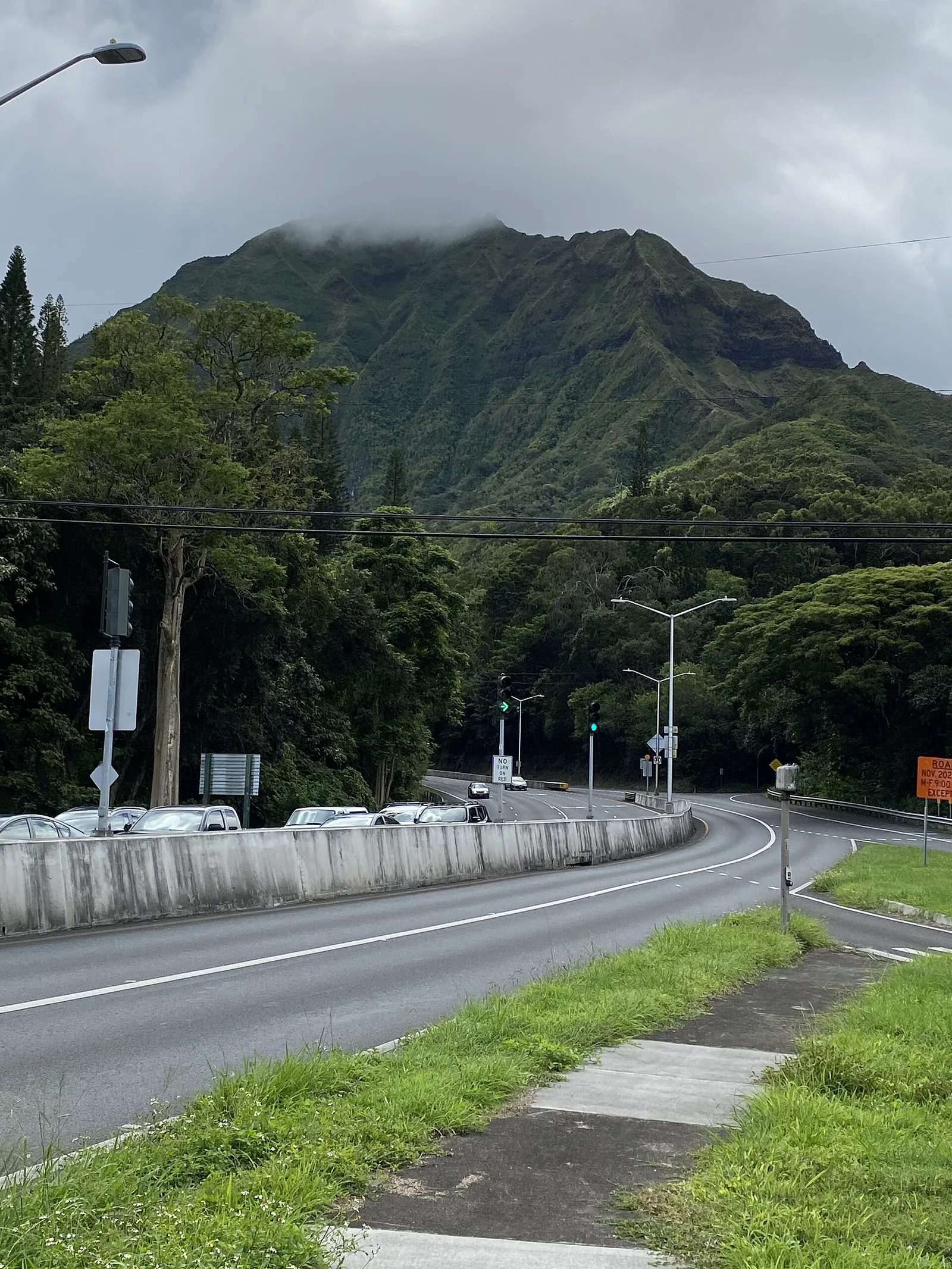
Driving on Oʻahu is straightforward: Americans drive on the right, road signs are in English, and distances are short. The island is only about 110 miles around. What makes it hard is traffic. The H-1 freeway through Honolulu is among the most congested roads in the United States at rush hour, roughly 6am to 9am and 3pm to 6pm on weekdays, and a 30-minute drive can easily double. Plan long drives to start early or to travel against the commuter flow.
Drive times from Waikīkī
| Destination | Light traffic | Notes |
|---|---|---|
| Airport | About 25 minutes | Allow an hour at rush hour |
| Pearl Harbor | About 30 minutes | Visitor centre car park $7 |
| Hanauma Bay | About 30 minutes | Reservation needed; closed Monday and Tuesday |
| Kailua | About 35 minutes | Via the Pali Highway |
| Ko Olina | About 40 minutes | The H-1 westbound is slow in the afternoon |
| North Shore (Haleʻiwa) | About an hour | Via the H-1 and H-2 |
| Circle-island loop | About 3.5 hours of driving | About 110 miles; allow a full day with stops |
Parking
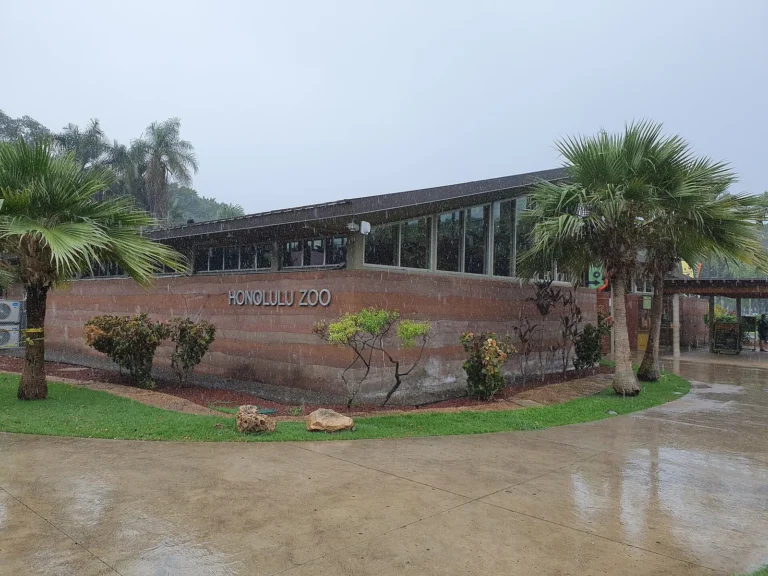
Parking is the hidden cost of driving on Oʻahu. Waikīkī hotel parking averages around $44 a night, with valet about $10 more, and at the biggest resorts it reaches $72.25 to self-park and $93.19 for valet. On the street in Waikīkī, the Honolulu Zoo lot charges $1.50 an hour with a four-hour maximum, and Kapiʻolani Park’s meters 25 cents per half-hour. Away from Waikīkī, most beach parks have free car parks, but they fill early. Two rules matter everywhere: never park illegally, because towing is enforced, and never leave anything in the car, because break-ins at beaches and trailheads are common.
One parking rule catches many visitors out: since 1 July 2026, parking has been banned all day on Lanikai’s Mokulua and ʻAʻalapapa drives, with towing enforced. Park at the free Kailua Beach Park boat-ramp lot and walk.
Road closures after Hurricane Lowell
As of September 2026, after Hurricane Lowell, Farrington Highway is closed through Nānākuli and Mākaha, the Pali Lookout road is closed, and parts of Kaʻena Point State Park are shut. The Pali Highway itself is open. Check current road conditions before driving to the west side.
Rules of the road
Most mainland US rules apply. You can turn right on a red light after stopping, unless a sign says otherwise. Seatbelts are compulsory for everyone in the car, and it’s illegal to hold a phone while driving, so set up your navigation before you leave. Children need a car seat or booster, so bring one or book one with your rental; taxis and rideshares rarely provide them. Speed limits are lower than many visitors expect, and they’re enforced, especially through towns on the windward coast and the North Shore. Watch for pedestrians, cyclists and people carrying surfboards across the road at beach car parks.
Local driving has its own etiquette. People let each other merge, rarely use the horn, and wave a shaka to say thanks. On narrow country roads, if a queue builds behind you, pull over safely and let it pass. You’ll enjoy the drive more, and so will everyone else.
Driving the circle-island route
The classic Oʻahu drive is the loop around the eastern half of the island: about 110 miles and three and a half hours of driving without stops, or a full day with them. Go anticlockwise from Waikīkī, heading east first, so you reach the southeast coast and the windward side in the morning light and the North Shore in the afternoon. The usual stops run from the Hālona Blowhole and Makapuʻu to Waimānalo, Kailua, Kualoa, Lāʻie and the North Shore, before you return through the pineapple fields of the central plain on the H-2 and H-1. Leave by 7am, and aim to be back on the H-1 before 3pm or after 6pm to miss the worst of the traffic. The Pali Lookout is closed after Hurricane Lowell, but the Pali Highway beneath it is open, so you can still use it to cut across the mountains between Honolulu and Kailua. For a version of the loop with timed stops, see our Oʻahu itinerary.
Should you rent a car?
This is the question that saves visitors the most money. Use this guide.
| Your trip | Car? | How many days |
|---|---|---|
| Staying in Waikīkī, 3–4 days | Probably not | None, or one day for the North Shore |
| Staying in Waikīkī, 5–7 days | For part of the trip | 2–3 days: southeast coast, windward side, North Shore |
| Staying at Ko Olina | Yes | Most or all of your stay |
| Staying on the North Shore or in Kailua | Yes | Most or all of your stay |
| Travelling with small children | Usually | At least the days you leave Waikīkī; bring or rent car seats |
| Travelling with limited mobility | Often | Days away from the bus routes you need |
If you do rent, book early for peak seasons, when cars sell out, and pick up in Waikīkī rather than at the airport if you won’t need it for the first few days. Check whether your hotel charges for parking, and factor that into the daily cost. Many visitors find that two or three days of car hire, combined with TheBus and Skyline the rest of the time, gives them the whole island for a fraction of the cost.
What a week of transport costs
Here’s how three common approaches compare for a week based in Waikīkī, using 2026 fares and parking charges. Car hire rates vary so much by season and company that we’ve left them out; add your own quote to the last two.
| Approach | What you pay for | Rough cost for one person |
|---|---|---|
| Car-free | Seven-day HOLO pass $45; Hanauma Bay bundle about $65 | About $110 |
| Three days of car hire | HOLO for four days, at most $30; three nights of hotel parking at $44–93 | About $162–309, plus car hire and fuel |
| A car all week | Seven nights of hotel parking at $44–93 | About $308–651, plus car hire and fuel |
The difference is mostly parking. A car for the whole week in Waikīkī can cost more in parking alone than the entire car-free option, before you’ve paid for the car itself. That’s why the most common money-saving move on Oʻahu isn’t a cheaper hotel but a shorter car hire.
Other ways to get around
Walking
Waikīkī is flat, compact and made for walking; nowhere is more than about 15 minutes from the beach. Ala Moana Center and Kapiʻolani Park are an easy walk from most hotels. Downtown and Chinatown are walkable once you’re there, but it’s a long way on foot from Waikīkī. Carry water, wear a hat, and cross at marked crossings; jaywalking tickets are handed out in Honolulu.
Biki bike share
Biki, Honolulu’s bike-share scheme, has around 130 docking stations across Waikīkī, Ala Moana, Kakaʻako and downtown. A single ride costs $5 for up to 30 minutes, with $5.25 for each extra half-hour, and the Jumper plan gives you 24 hours of unlimited 30-minute rides for $20. It’s ideal for short hops along the Waikīkī and Ala Moana waterfronts. Use bike lanes where they exist, wear a helmet if you have one, and be careful on busy roads such as Kalākaua and Ala Moana Boulevard.
Cost: $5 per 30-minute ride; $20 for 24 hours · Hours: 24 hours · Book: app or station kiosk · Allow: 15–30 minutes a hop
Tours and shuttles
For places the bus doesn’t reach well, tours and shuttles fill the gap. Roberts Hawaiʻi sells a Hanauma Bay bundle of entry plus an electric bus from Waikīkī for about $65. The Polynesian Cultural Center runs its own coach from Waikīkī for $28. Circle-island tours cover the windward coast and the North Shore in a day, with little time at each stop but no driving or parking to worry about. For Pearl Harbor, licensed tour companies bundle transport with Arizona tickets, which is worth considering if you missed the online release.
Getting around Waikīkī
Inside Waikīkī, you rarely need anything but your feet. The district is about two miles long and a few blocks deep, bounded by the ocean, the Ala Wai Canal and Kapiʻolani Park, and the main streets, Kalākaua Avenue along the beach and Kūhiō Avenue a block inland, are lined with shops and restaurants. Routes 2 and 13 run through Waikīkī for longer hops and connect to Ala Moana and downtown, and Biki stations are dotted every few blocks. If you have a car, parking in Waikīkī is expensive and scarce; the Honolulu Zoo lot at the Diamond Head end charges $1.50 an hour with a four-hour maximum, and it fills early at weekends. For the beach itself, section by section, see our guide to Waikīkī Beach.
Getting to the main sights without a car
| Sight | How to get there | Time from Waikīkī | Cost |
|---|---|---|---|
| Pearl Harbor | Route 42, or Skyline to Makalapa and walk | About an hour | $3.25 |
| Diamond Head | Routes 2, 2L or 23 to Diamond Head Road | 15–20 minutes | $3.25, plus entry |
| Hanauma Bay | Roberts Hawaiʻi bundle; no direct bus | About 30 minutes by road | About $65 including entry |
| Ala Moana and downtown | Routes 2, 13 and many others | 10–25 minutes | $3.25 |
| Kailua and Lanikai | Route 67 from Ala Moana | About an hour from Ala Moana | $3.25 |
| Polynesian Cultural Center | Route 60, or the centre’s coach | Two hours or more by bus | $3.25, or $28 by coach |
| North Shore (Haleʻiwa) | Route 60 from Ala Moana | Two hours or more, including the change at Ala Moana | $3.25 |
| Dole Plantation | Route 52 towards Wahiawā | An hour or more | $3.25 |
| Ko Olina | Impractical by bus | — | — |
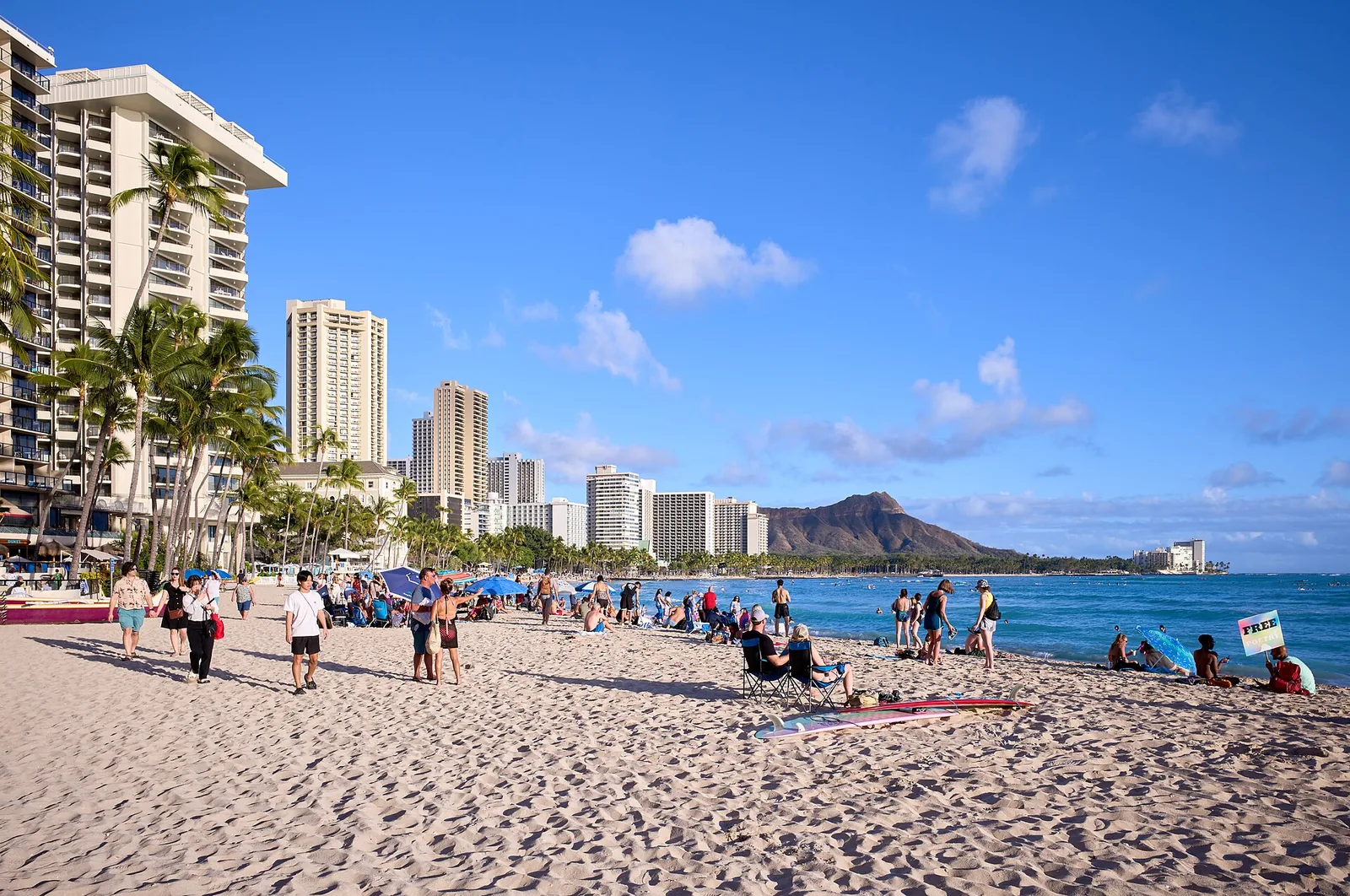
Bus times are rough and depend on traffic; allow extra time for anything with a fixed booking, such as a Pearl Harbor programme or a Hanauma Bay slot. For more on each sight, see our list of things to do in Oʻahu, our Pearl Harbor visitor guide and our guide to the North Shore.
Getting to Pearl Harbor
Pearl Harbor is one of the easiest major sights to reach without a car. TheBus Route 42 runs from Waikīkī and takes about an hour, for $3.25 or within your HOLO daily cap. Skyline also stops at Makalapa, the station for Joint Base Pearl Harbor–Hickam, which suits visitors coming from the airport or the west side; from there you walk the rest of the way along Kamehameha Highway, so check the distance on a map first, especially in the midday heat. By car, the visitor centre’s car park costs $7 and fills early on busy days. Whichever way you arrive, remember the bag rule: opaque bags aren’t allowed past security, and bag storage costs $6, or $10 for large items. Leave at least 90 minutes by bus before an Arizona programme, because a late bus won’t get you onto an earlier boat.
Getting to the beaches
Many of Oʻahu’s best beaches are reachable without a car, but a few aren’t. Ala Moana Beach Park is a short bus ride or walk from Waikīkī. Route 23 runs along the southeast coast past Sandy Beach and Makapuʻu to Sea Life Park, though both beaches are for watching, not swimming, most of the time. Route 67 reaches Kailua Beach, and from Kailua you can walk 10 to 15 minutes to Lanikai, which has had no legal parking on its loop road since 1 July 2026 anyway. Route 60 serves the windward coast and the North Shore, including Kualoa, Sunset Beach and Waimea Bay. The exceptions are Hanauma Bay, which has no direct bus, and Ko Olina’s lagoons, which are impractical without a car. Our guide to the best beaches in Oʻahu has parking notes and seasonal safety ratings for 30 beaches.
A car-free week on Oʻahu
This is how a week without a car can look, using only TheBus, Skyline, walking and a couple of tours.
1. Day one: arrival and Waikīkī
Take Skyline from Lelepaua and the W Line into Waikīkī, check in, and spend the evening on the beach. Buy or register your HOLO card on day one so every ride counts towards the daily cap.
2. Day two: Diamond Head and Kapahulu
Take Route 2, 2L or 23 to Diamond Head for an early slot, booked up to 30 days ahead, then Route 13 up Kapahulu Avenue for malasadas at Leonard’s Bakery. Spend the afternoon on the beach.
3. Day three: Pearl Harbor and downtown
Route 42 to Pearl Harbor for your Arizona programme, booked 56 days ahead, then TheBus into Chinatown and downtown for lunch and ʻIolani Palace.
4. Day four: Hanauma Bay
Book the Roberts Hawaiʻi bundle, about $65 with entry and transport. Remember Hanauma Bay is closed on Mondays and Tuesdays.
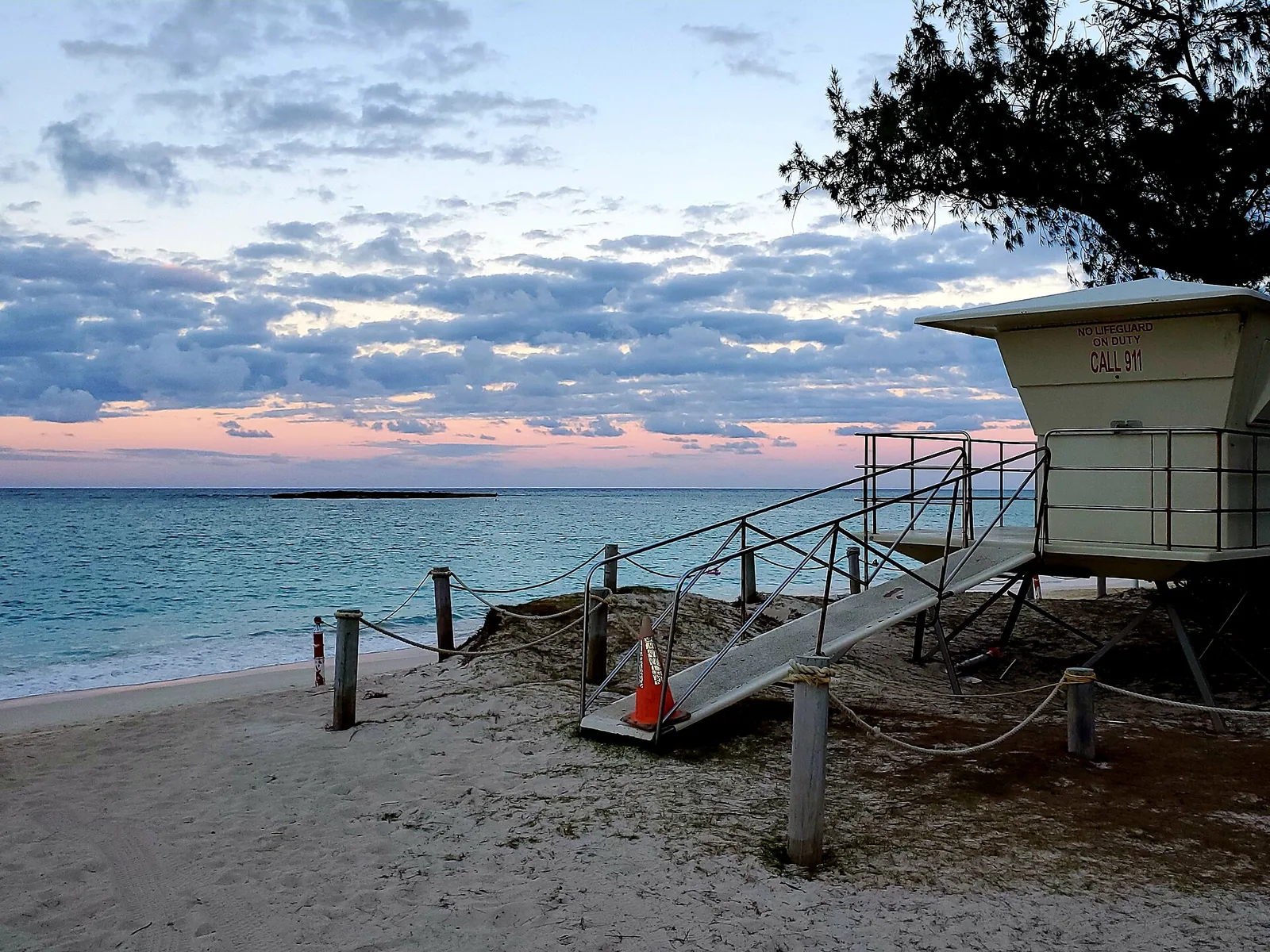
5. Day five: Kailua
Route 67 from Ala Moana to Kailua for the beach, a kayak to the Mokulua islands and a walk to Lanikai.
6. Day six: the North Shore
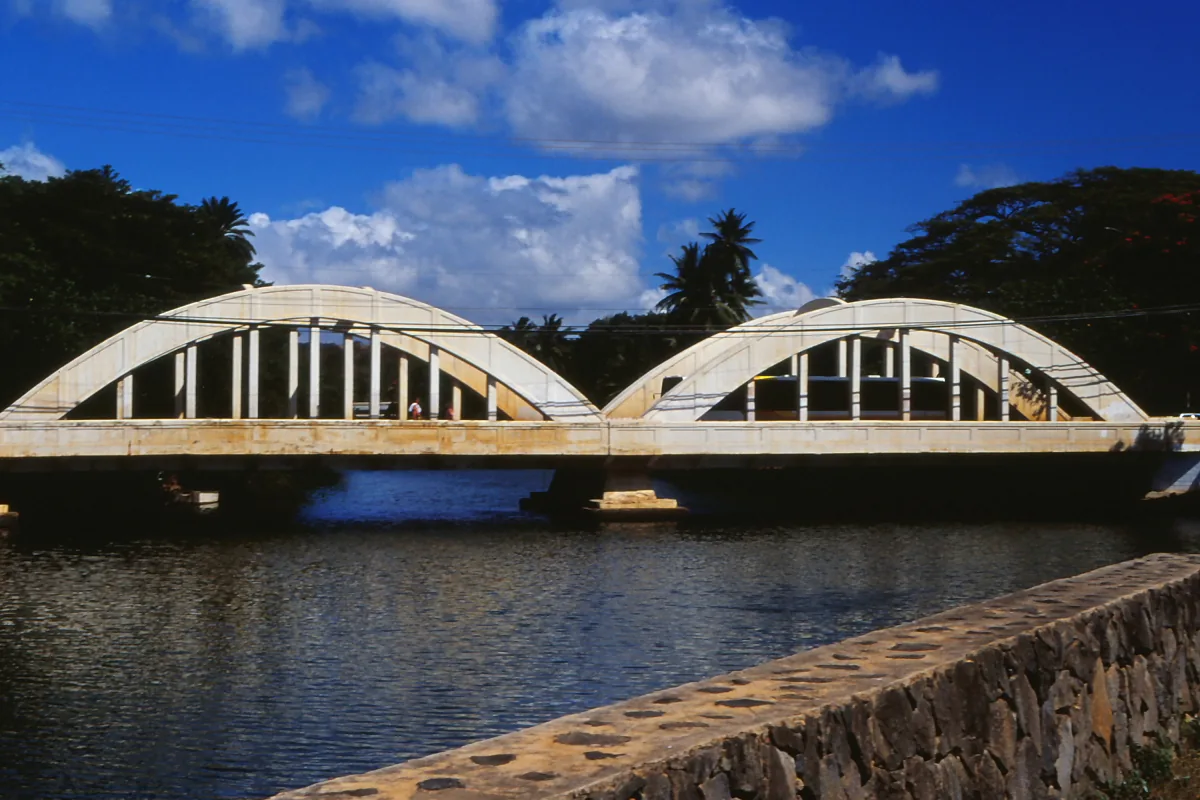
Route 60 up the windward coast to the North Shore, with stops in Haleʻiwa and at the beaches. It’s a long day; start early and check the return times.
7. Day seven: Ala Moana and departure
A last swim at Ala Moana Beach Park, then Skyline back to the airport from Lelepaua, or a taxi if you have a lot of luggage.
For a version with a few days of car hire, and the booking deadlines for each day, see our Oʻahu itinerary.
Getting around on a budget
Oʻahu can be one of the cheapest islands in Hawaiʻi to get around. A HOLO card caps bus and train fares at $7.50 a day, and a seven-day pass costs $45, so a week of unlimited travel costs less than a single night of hotel parking in some Waikīkī resorts. The free Wiki Wiki Shuttle links the airport’s terminals, and free shuttles run to the rental car facility. The airport-to-Waikīkī trip by Skyline and the W Line costs $3.25. For short hops, Biki’s $20 Jumper plan gives you 24 hours of unlimited 30-minute rides, and walking costs nothing at all. Save your money for the one thing the bus can’t do well, a day or two of car hire for the far corners of the island.
Getting around with children
Oʻahu is an easy island for families, as long as you plan the transport. Skyline stations have lifts, so pushchairs are simple on the train. On TheBus, be ready to fold a pushchair and hold small children on your lap at busy times. In a car, children need a car seat or booster by law, and taxis and rideshares rarely provide them, so bring your own or book one with the rental. For airport transfers with a family and full luggage, a taxi or rideshare is usually easier and, split between several people, not much dearer than the bus.
Getting around at night
Skyline runs until 10:30pm, and most bus routes run less often late in the evening, so check the last departure before you head out of Waikīkī. After that, taxis and rideshare are the easiest way home. Waikīkī is busy and well lit until late, but in quieter areas, including parts of Chinatown and downtown after dark, stick to main streets and use a taxi rather than walking long distances. If you’ve been drinking, leave the car: Hawaiʻi’s police run regular checkpoints.
Accessibility
Oʻahu’s public transport is broadly accessible. Skyline stations have lifts and level boarding onto trains, and TheBus vehicles have ramps or lifts and priority seating. For travellers who can’t use regular buses, the city runs a paratransit service, TheHandi-Van, which requires advance registration. Waikīkī’s pavements are mostly flat and wide, though crowded on Kalākaua Avenue. If you use a wheelchair or have limited mobility, a car with accessible parking may still be the easiest way to reach beaches and viewpoints outside Honolulu. At the airport, ask your airline for assistance between the gate and the kerb when you book, and allow extra time for the Wiki Wiki Shuttle between terminals.
Getting around after storms and heavy rain
Oʻahu’s roads are usually reliable, but heavy rain and passing storms can close them at short notice. Streams flood low crossings, rockfalls block mountain roads, and the windward coast and the North Shore, with only one highway each, are the most exposed. After Hurricane Lowell in September 2026, Farrington Highway closed through Nānākuli and Mākaha and the Pali Lookout road shut, while the rest of the network kept running. Skyline and TheBus operate in most weather, though buses can be delayed or diverted around closures.
Before a long drive after bad weather, check the city’s HNL.info alerts, Hawaiʻi State Parks for park closures and the state highways department for road conditions. Never drive through flowing water, even if it looks shallow, and never drive around a barrier. If a road or trail is closed, it’s closed for a reason.
Island-hopping from Oʻahu
Honolulu is the hub for flights to the other islands, and interisland flights take roughly 35 to 50 minutes. Hawaiian Airlines, now part of Alaska Air Group, and Southwest fly jets to Maui, Kauaʻi and the Big Island, while Mokulele flies small planes to Molokaʻi, Lānaʻi and smaller airfields. Fares move quickly; in August 2026, Hawaiian advertised Kona to Honolulu from $170 return and Hilo to Honolulu from $145 return, while Southwest showed Kahului to Honolulu from $63 one way seven weeks ahead. Midweek flights are usually cheaper, and Hawaiian charges $25 for a first checked bag, or $35 at the airport. On the other islands, a rental car is essential. For help deciding which islands to combine, see our guide to planning a trip to Hawaii.
Safety and etiquette on the road
- Drive with aloha. Let people merge, don’t honk except in an emergency, and give a shaka to say thanks.
- Watch for pedestrians. Waikīkī’s crossings are busy at all hours, and drivers must stop for people in crosswalks.
- Don’t stop on highway shoulders to look at surf, turtles or views. Pull into a proper car park.
- Leave nothing in the car. Break-ins at beach car parks and trailheads are common, and rental cars are easy to spot.
- Keep off closed roads and respect kapu and no-trespassing signs.
- Take care on country roads. Kamehameha Highway around the windward coast and the North Shore is two lanes, busy and often narrow.
Planning the wider trip? Our guide to planning a trip to Hawaii covers the booking timeline, costs and documents, and our guide to the best time to visit Hawaii explains how the seasons affect traffic and crowds.
Common transport mistakes
- Collecting a car at the airport for a Waikīkī stay and paying for parking every night you don’t use it.
- Assuming Skyline goes to Waikīkī. It doesn’t; change to the W Line at Lelepaua.
- Paying cash for connections. Cash fares include no transfers; a HOLO card caps your spending at $7.50 a day.
- Taking big suitcases on TheBus. Only luggage you can hold on your lap or store under your seat is allowed.
- Driving at rush hour. The H-1 between 6am and 9am and between 3pm and 6pm can double any journey.
- Trying to park at Lanikai. Since 1 July 2026, the loop road is a no-parking zone, with towing enforced.
- Planning Hanauma Bay by bus. There’s no direct route, and the bay is closed on Mondays and Tuesdays.
- Leaving things in the car. Beach and trailhead break-ins are common everywhere on the island.
- Heading for the west side without checking road status, while Farrington Highway is closed through Nānākuli and Mākaha.
Frequently Asked Questions
What is the best way of getting around Oahu?
For most visitors staying in Waikīkī, the best way is a mix: walk and use TheBus and Skyline on a HOLO card, which caps fares at $7.50 a day, and rent a car for just two or three days to explore the southeast coast, the windward side and the North Shore. If you’re staying at Ko Olina or on the North Shore, you’ll need a car.
How do I get from Honolulu airport to Waikīkī?
The cheapest way is Skyline from Lelepaua station, linked to all three terminals by footbridge, then the W Line bus into Waikīkī for $3.25, taking about an hour. Rideshare typically costs $25 to $45, flat-rate taxis around $30, metered taxis $40 to $60, and the Roberts Hawaii Express Shuttle about $18 to $20 per person.
Does Skyline go to Waikīkī?
Not yet. Skyline runs from East Kapolei to Kahauiki in Kalihi, via Pearl Harbor and the airport, with 13 stations. The extension through downtown to Civic Center isn’t expected to open before 2031, and Waikīkī isn’t on the planned line. From the airport station, take the W Line bus to Waikīkī.
How much is the bus on Oʻahu?
A single fare on TheBus or Skyline is $3.25 in cash, with no transfers. With a HOLO card, fares are capped at $7.50 a day, so every ride after that is free. A seven-day pass costs $45 and a monthly pass $90. Drivers can’t give change, so have the exact fare if you’re paying cash.
Do I need a car on Oʻahu?
Not if you’re staying in Waikīkī and happy to use the bus. Many visitors rent a car for only two or three days. You will want one if you’re staying at Ko Olina, on the North Shore or in Kailua, travelling with small children, or planning a lot of beach-hopping outside Honolulu.
Can I get to Hanauma Bay by bus?
No. There’s no direct bus to Hanauma Bay since the old Route 22 was withdrawn. The easiest option without a car is the Roberts Hawaiʻi bundle, about $65 including entry and an electric bus from Waikīkī, bookable up to a month ahead. Remember that Hanauma Bay is closed on Mondays and Tuesdays.
Can I take luggage on TheBus?
Only luggage you can hold on your lap or store under your seat. Large suitcases and surfboards aren’t allowed, which makes the bus impractical for many airport trips with full luggage. Even if you take Skyline from the airport, the W Line connection to Waikīkī is a bus, so travel light or take a taxi.
How bad is traffic on Oʻahu?
Traffic in and around Honolulu can be heavy, especially on the H-1 between about 6am and 9am and 3pm and 6pm on weekdays, when drive times can double. Plan long drives to start early or travel against the commuter flow, and allow extra time for anything with a fixed booking.
Photo Credits
- Skyline train (featured): eli fessler, CC BY-SA 4.0
- Map: honolulutourism.org; coastline data © OpenStreetMap contributors, ODbL
- Daniel K. Inouye International Airport: Coolcaesar, CC BY 4.0
- Skyline at Lelepaua station: Musashi1600, CC BY 4.0
- Inside TheBus: Sdkb, CC BY-SA 4.0
- Maunawili: Flip Flops Hawaii, CC BY-SA 2.0
- Waikīkī Beach and Diamond Head: Frank Schulenburg, CC BY-SA 4.0
- Kailua Beach: HelgaVonSlapya, CC BY-SA 4.0
- Anahulu bridge, Haleʻiwa: rjones0856, CC BY 2.0