The card most people still call the Go Oʻahu Card is now sold as three different passes, and most first-time buyers look at the wrong one. Is the go oahu card worth it? With October 2026 gate prices it comes down to two things: whether you’ll do a lūʻau, and whether you can fit Pearl Harbor’s paid ships, Kualoa Ranch and a few more into consecutive days. Get those right and a couple can save $200 or more. Get them wrong and you’ve paid $219 a head for things that cost less at the door.
Below are the current pass prices, the gate price of every major attraction they cover, four worked itineraries with the sums done, and the attractions people assume are included but aren’t.
Is the Go Oahu Card Worth It? The Short Answer
For most adults on a first trip to Oʻahu, the honest answer is: only the All-Inclusive version, only for two to four days, and only if one of those days includes the lūʻau. The lūʻau is the single item that tips the maths, because it is worth about $150 on its own and the pass lets you add it at no extra cost.
Here is how the three passes compare at a glance:
| Pass (2026) | Adult price | How it works | Pays off when… | Our verdict |
|---|---|---|---|---|
| All-Inclusive | $219 (2 days) to $379 (7 days) | Unlimited attractions on each pass day, plus one lūʻau | You do two or three paid things a day and the lūʻau | The only version that regularly wins |
| Explorer | $169 (3 choices) to $299 (7 choices) | A set number of attractions over 30 days | Every choice is worth more than about $43–56 | Rarely beats buying direct |
| Essentials | $119 (3 choices) | Three picks from a shorter list of 10 | Your three picks average over about $40 | Fine for a short, focused trip |
Who should skip it altogether: families whose children are the main reason for the trip (the child pass rarely pays, as you’ll see below), anyone whose plans are mostly beaches, hikes and food, and anyone who wants Pearl Harbor and nothing much else. If you’re still at the stage of working out what you want to do on the island, start with our guide to the best things to do in Oʻahu and come back with a list.
What the Go Oahu Card Is in 2026
The Go Oʻahu Card was the old name for Go City’s Oʻahu product, and the name has stuck in search boxes long after it left the packaging. Go City now sells three passes for the island, all digital, scanned from the Go City app at each attraction’s entrance. Its attraction list runs to 42 entries, although several are rentals rather than attractions.
All-Inclusive Pass
This is the classic card. You pick a number of days, and on each of those days you can visit as many of the included attractions as you can physically reach. The pass also covers one “premium” attraction during its validity, which on Oʻahu means one of two lūʻau: the Aloha Kai Lūʻau at Sea Life Park or the Ka Moana Lūʻau at Aloha Tower.
| Days | Adult (13+) | Child (3–12) | Adult cost per day |
|---|---|---|---|
| 2 | $219 | $169 | $109.50 |
| 3 | $269 | $209 | $89.67 |
| 4 | $299 | $249 | $74.75 |
| 5 | $329 | $279 | $65.80 |
| 7 | $379 | $319 | $54.14 |
The days run consecutively by default, starting from your first scan. There is also an option to spread them as any set number of days within a two-week window, and the whole pass has to be used within 14 calendar days of first use. An unactivated pass stays valid for a year from purchase, and Go City refunds unused, non-activated passes within 90 days of buying them.
Go City runs discount codes from time to time; an October sale ran 10% off the four-, five- and seven-day All-Inclusive passes until 18 October. Prices on the site change with these promotions, so treat the figures above as the full price and check for a current code before you pay.
Explorer Pass
Explorer gives you a fixed number of attractions rather than days, and you have 30 days from your first visit to use them. Three choices cost $169 for an adult ($139 child), four cost $219 ($179), five $259 ($209), six $279 ($239) and seven $299 ($259). The lūʻau isn’t available on it.
Essentials Pass
The cheapest: three choices for $119 an adult ($99 child), from a shorter list of 10 attractions. Like Explorer, it runs 30 days from the first visit.
Cost: All-Inclusive from $219, Explorer from $169, Essentials $119 (adult, 2026) · Book: gocity.com, digital pass in the Go City app · Allow: plan bookings before you activate
What’s on the Pass, and What Each Costs at the Gate
Every pass calculation depends on the gate price of what you would actually do, bought direct from the operator. These are the operators’ own adult prices for October 2026, for the pass attractions that publish them.
| Attraction | On which pass | Adult gate price (2026) | Child gate price |
|---|---|---|---|
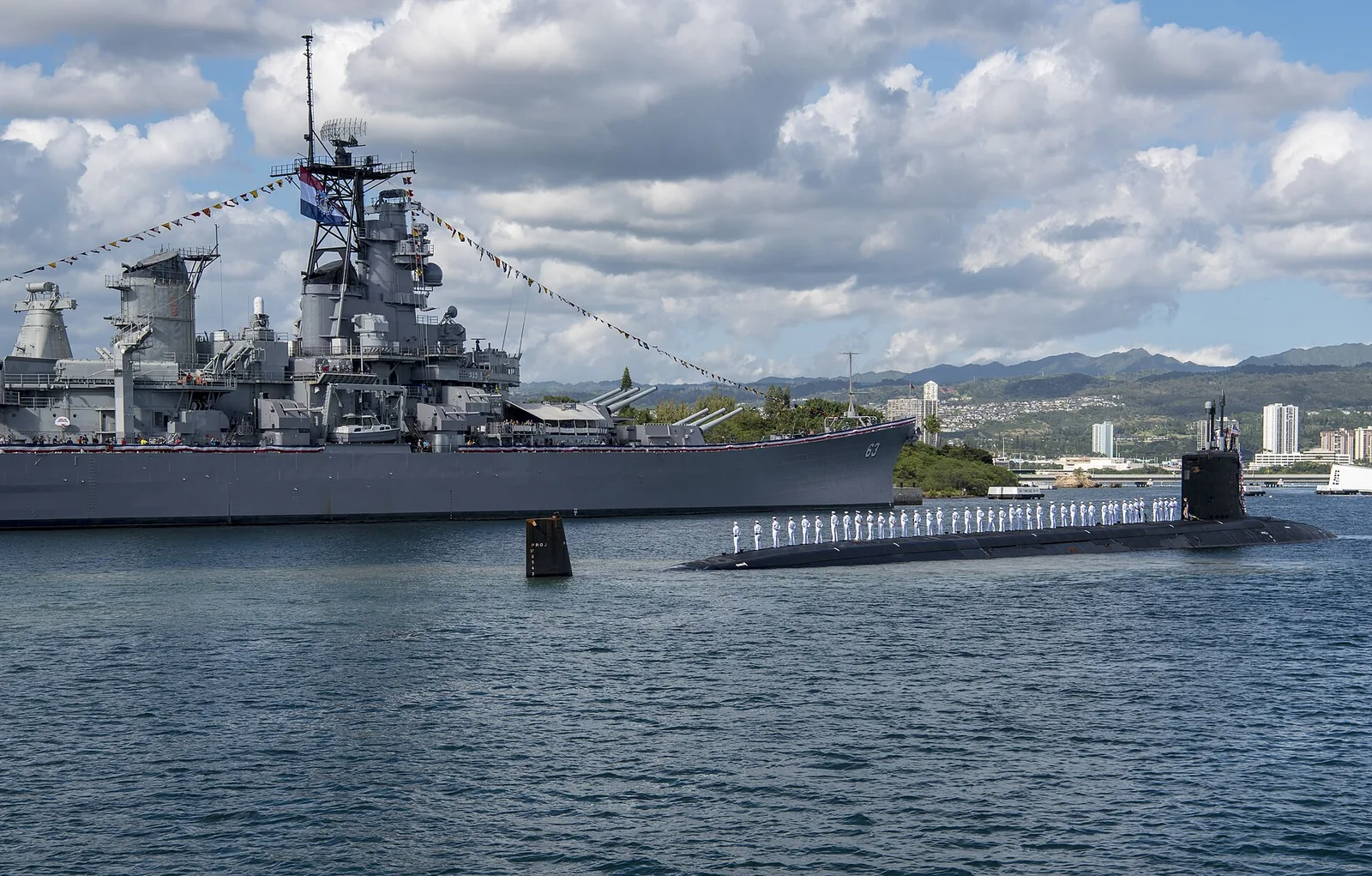
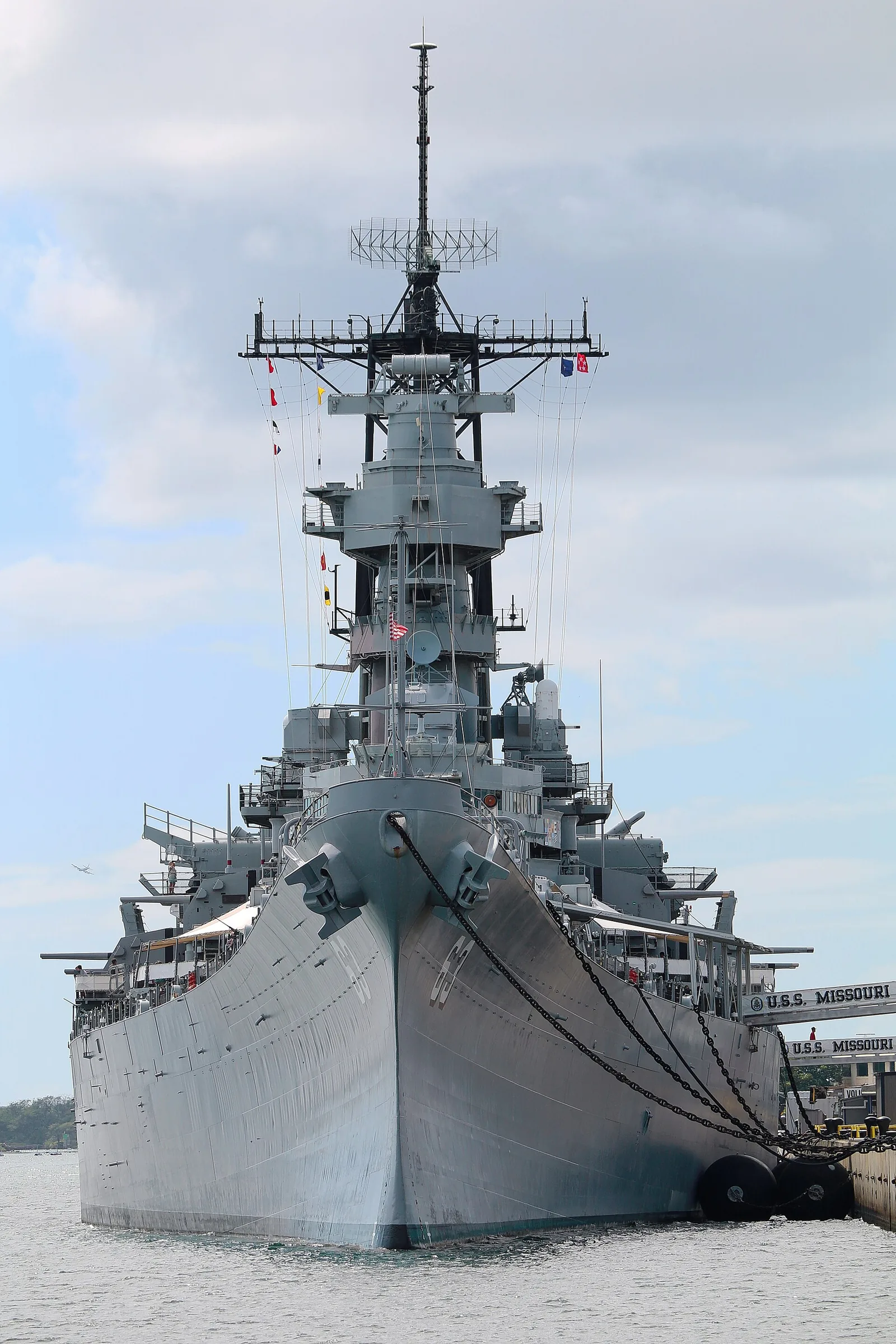
| Battleship Missouri Memorial | Explorer, All-Inclusive | $44.99 | $19.99 (4–12) |
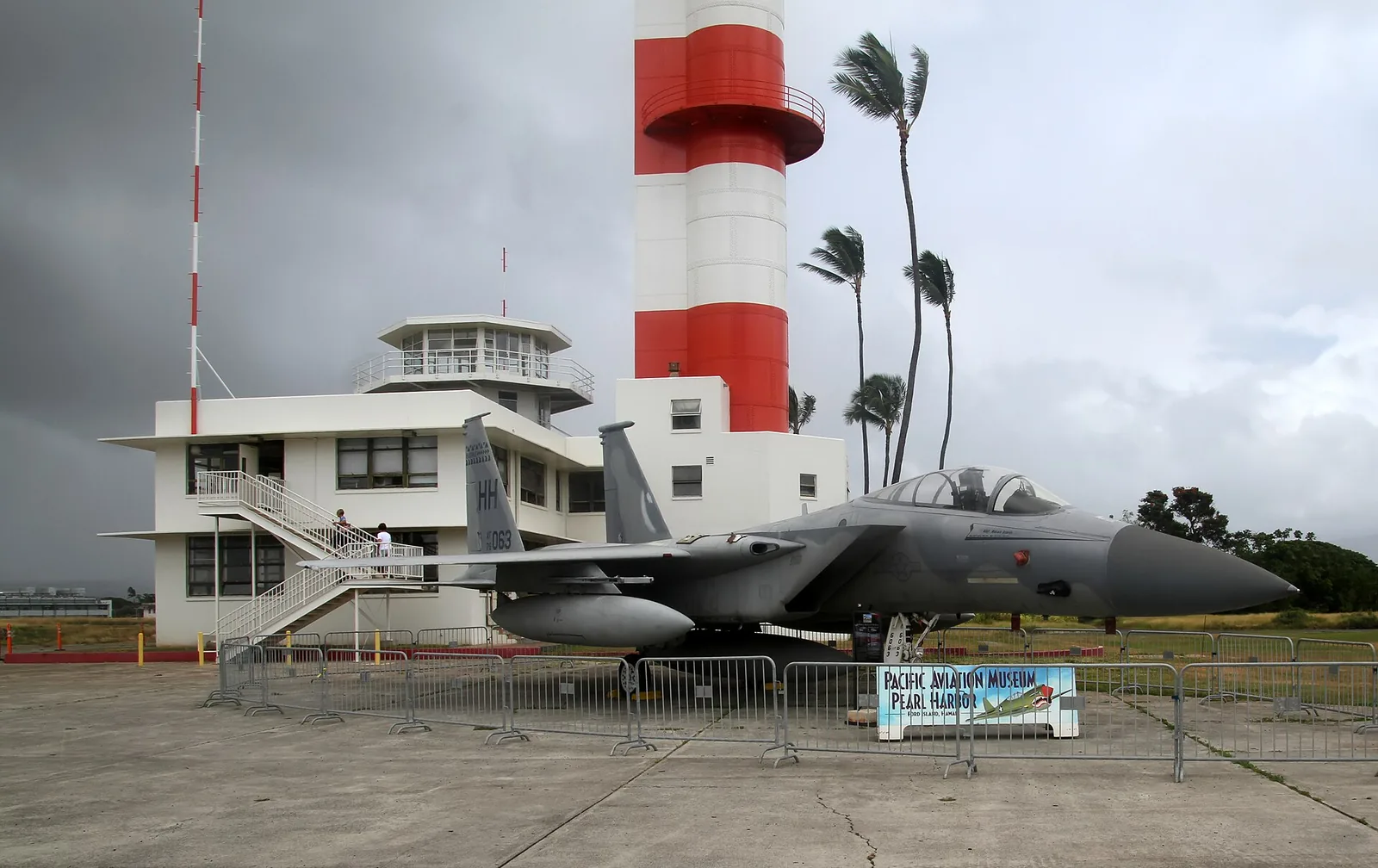
| Pearl Harbor Aviation Museum | Explorer, All-Inclusive | $29.99 | $17.99 (4–12) |
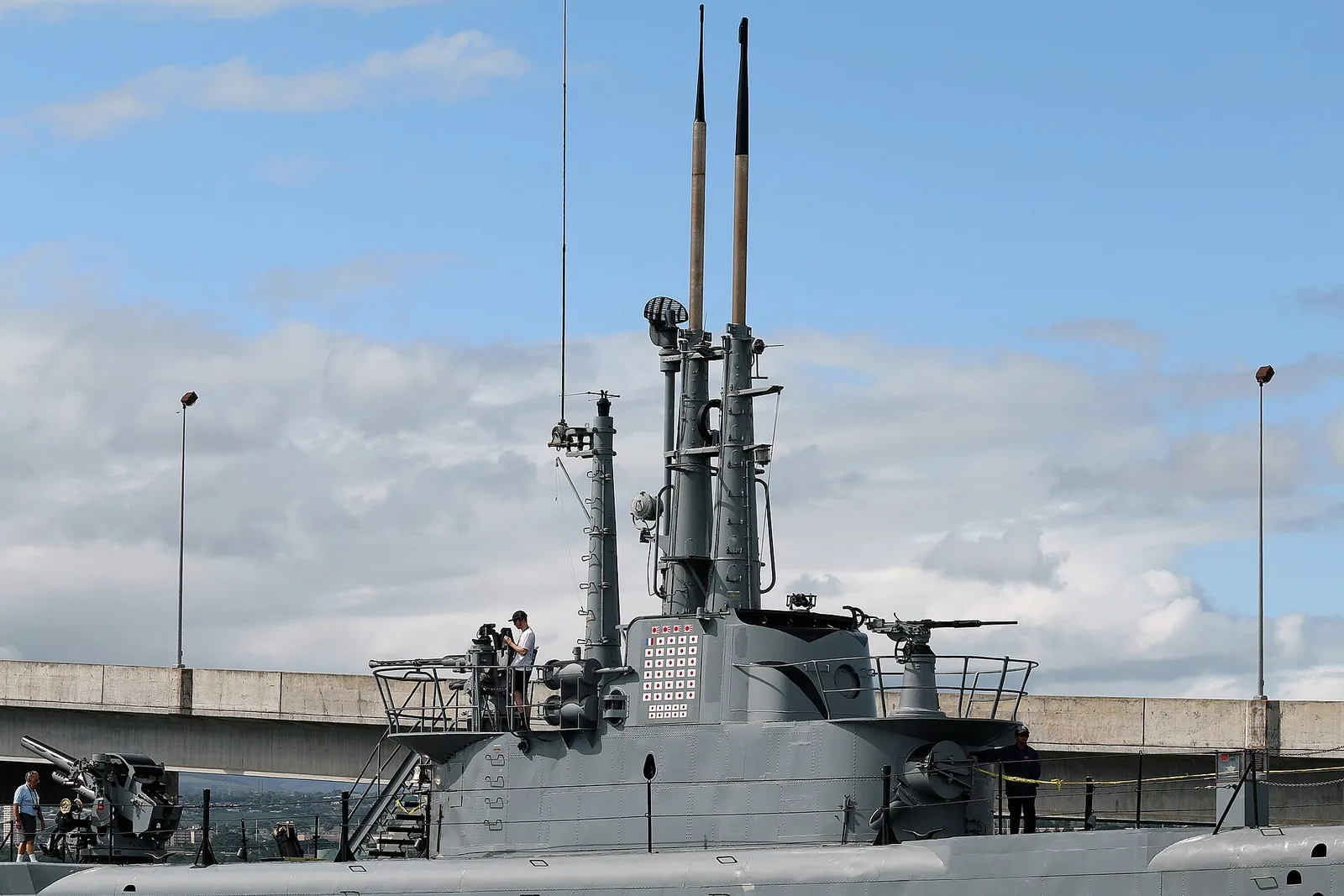
| Pacific Fleet Submarine Museum (USS Bowfin) | Explorer, All-Inclusive | $25.99 | $14.99 (4–12) |
| ʻIolani Palace self-led audio tour | Explorer, All-Inclusive | $28 (18+) | $23 (13–17), $13 (5–12) |
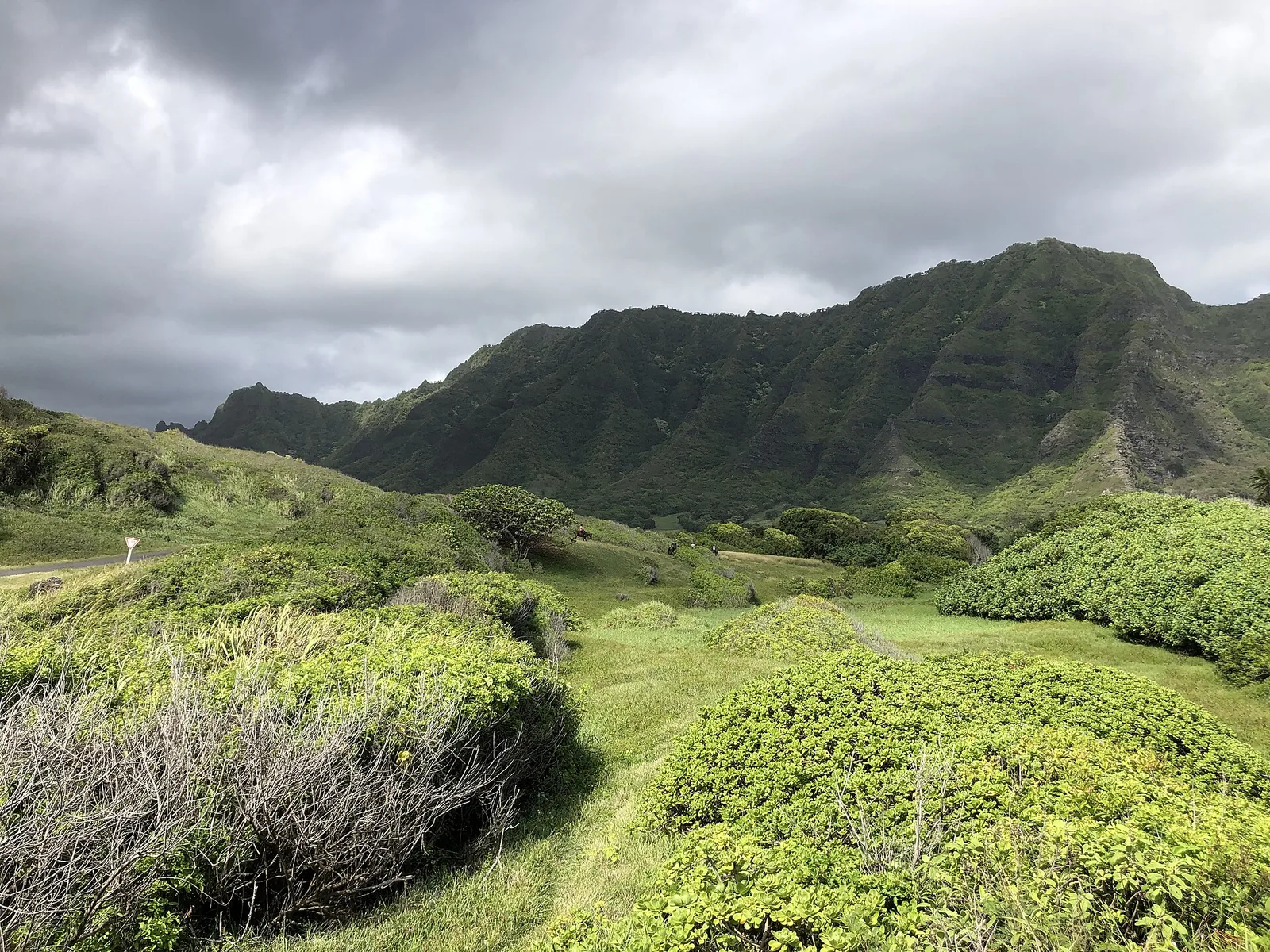
| Kualoa Ranch Ocean Voyage and Kualoa Grown tours (each) | Explorer, All-Inclusive | $59.95 | Check kualoa.com |
| Wet’n’Wild Hawaii | All three | $66.99 | $54.99 (junior) |
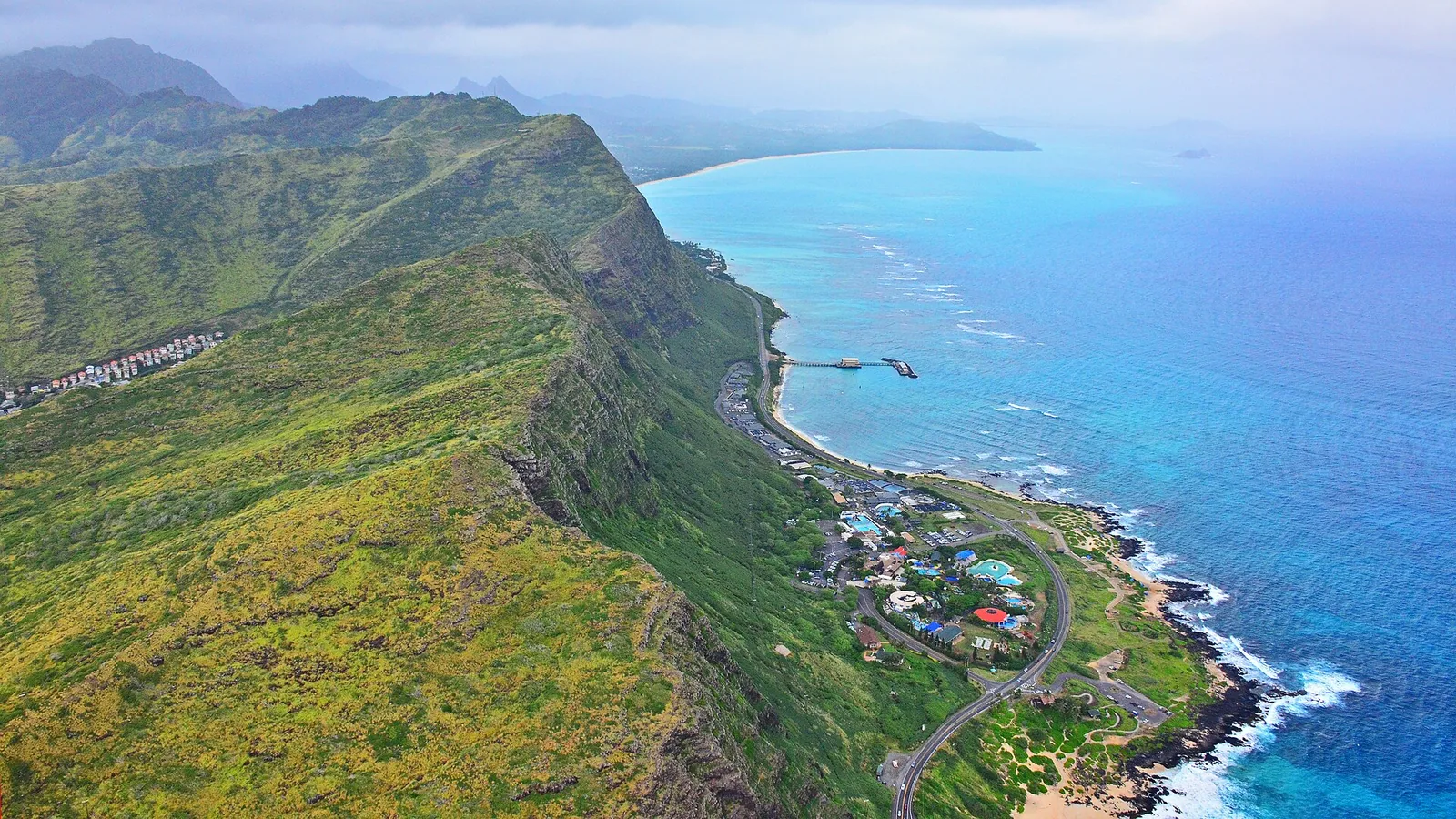
| Sea Life Park | All three | From $49.99 | Check the park’s site |
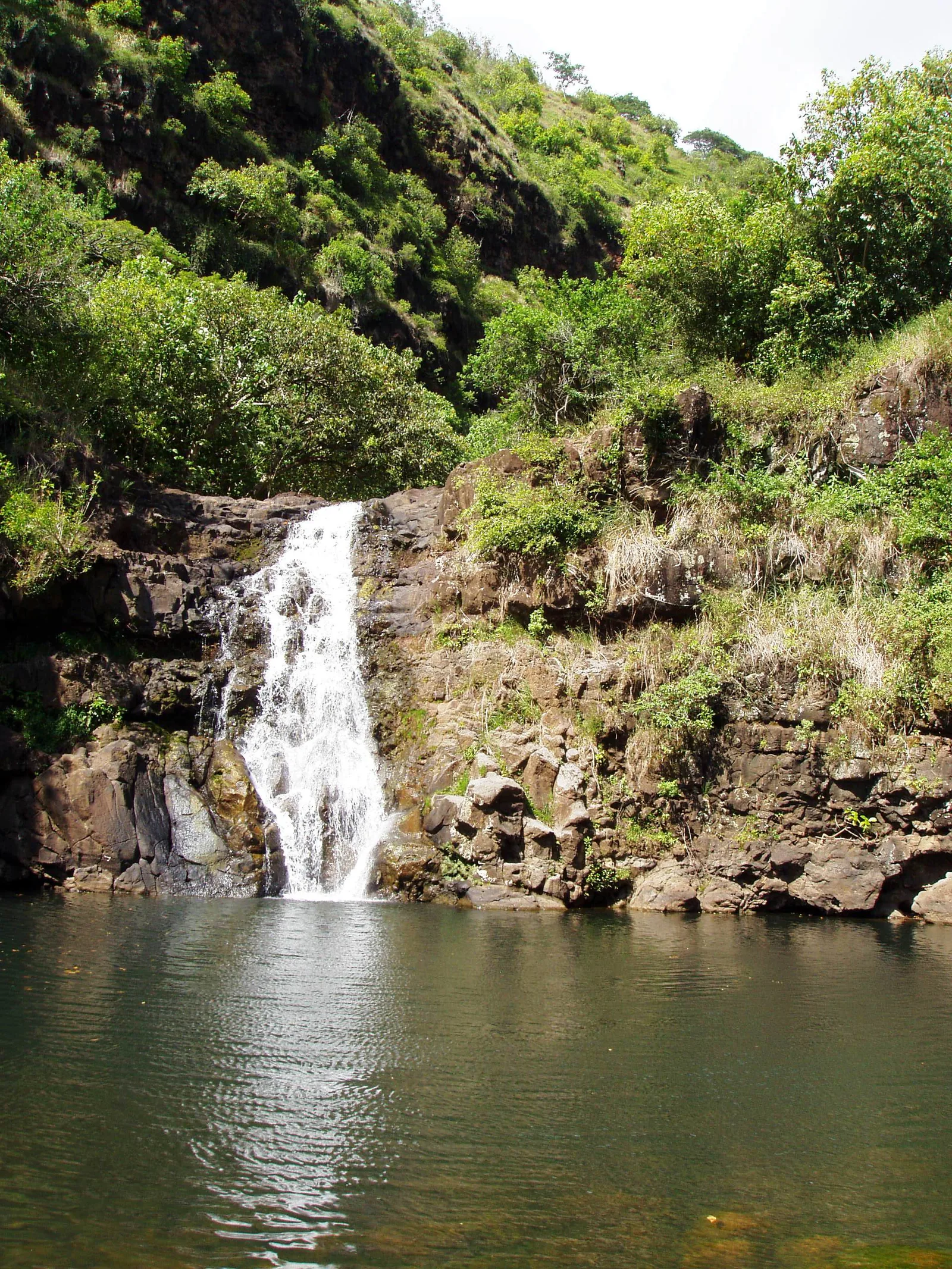
| Waimea Valley | All three | From $26 | Check the valley’s site |
| Aloha Kai Lūʻau | All-Inclusive only | From $149.99 | Check the park’s site |
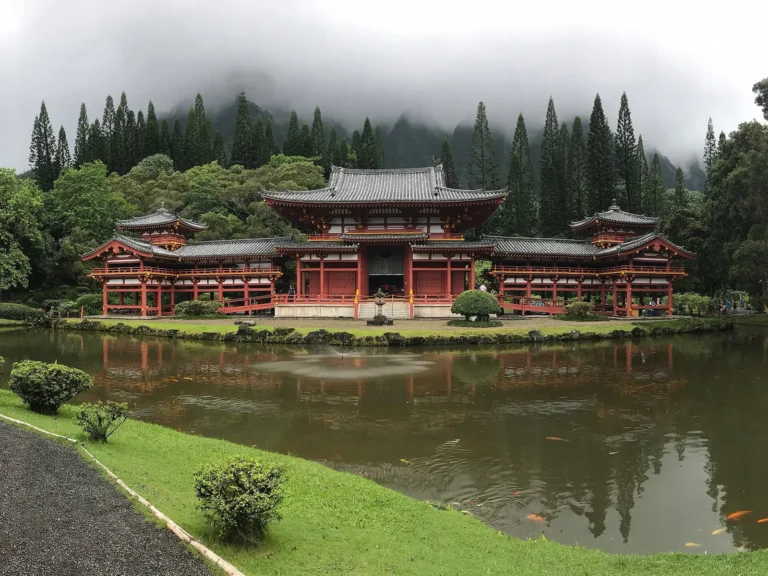
The pass also lists a Makani catamaran sail, a Waikīkī Turtle Canyon snorkel cruise, a Diamond Head shuttle and hike, a Pearl Harbor and Hawaiʻi history tour, a circle-island tour that stops at the Byodo-In Temple, entry to Queen Emma Summer Palace and the Polynesian Cultural Center, the Coral Crater adventure course, whale watching (November to April), and kayak, stand-up paddle, surfboard, bike and moped rentals. For those, Go City’s app shows its own “without a pass” figure. That number is Go City’s, not the operator’s, so check the operator’s own price for anything that will carry real weight in your sums.
One line on the list is easy to misread. The Bishop Museum appears, but as a discounted upgrade rather than a free entry, so don’t count it as value. And the Polynesian Cultural Center mostly sells packages (its Gateway buffet package is $157.95 for an adult, discounted to $138.95 until 31 October 2026), so compare like with like: check which admission the pass gives you before you count it at full package value. If Polynesian and Hawaiian culture is the reason you’re going, our guide to Hawaiian culture and history sets the centre in context.
When Is the Go Oahu Card Worth It? Four Real Itineraries
These plans use adult gate prices from the table above and sensible geography: one side of the island per day, no more than three paid stops. Your numbers will differ, but the pattern holds.
Itinerary 1: Two Days, No Lūʻau
Day 1, Pearl Harbor: the Missouri ($44.99), the Aviation Museum ($29.99) and the Bowfin ($25.99), $100.97 in all. Day 2, the windward side: two Kualoa Ranch tours ($119.90) and Waimea Valley on the way back along the North Shore ($26), $145.90.
Total at the gate: $246.87. Two-day All-Inclusive: $219. Saving: $27.87, about 11%. That is real money, but thin. Lose half a day to rain, a sold-out Kualoa slot or a late start and the pass costs you more than buying direct. Our view: not worth the planning stress for $28.
Itinerary 2: Two Days With the Lūʻau
Day 1: the same three Pearl Harbor sites, $100.97. Day 2: two Kualoa tours in the morning ($119.90), down the windward coast to Sea Life Park at Makapuʻu in the afternoon ($49.99), and the Aloha Kai Lūʻau there that evening ($149.99), $319.88.
Total at the gate: $420.85. Two-day All-Inclusive: $219. Saving: $201.85, about 48%. This is the plan that makes the card famous. It’s also a long second day, so it suits people who like full days and don’t mind a 05:00 alarm.
Itinerary 3: Four Days at a Steadier Pace
Day 1: Pearl Harbor’s three paid sites, $100.97. Day 2: Kualoa twice, Sea Life Park and the lūʻau, $319.88. Day 3: the North Shore, with Waimea Valley ($26) and the rest of the day on free beaches. Day 4: ʻIolani Palace in the morning ($28; our guide to things to do in Honolulu has the rest of downtown) and Wet’n’Wild in Kapolei in the afternoon ($66.99), $94.99.
Total at the gate: $541.84. Four-day All-Inclusive: $299. Saving: $242.84, about 45%. The light North Shore day drags the average down, but the pass still wins by a wide margin. Add a Turtle Canyon snorkel cruise or the circle-island tour and the gap widens.
Itinerary 4: The Typical One-Week Visitor
Most visitors don’t do two paid things a day. A more common week includes the Missouri and the Aviation Museum ($74.98), one Kualoa tour ($59.95) and the lūʻau ($149.99), spread across the week with beach days between. That’s $284.92 at the gate.
- Explorer, three choices ($169): covers the Missouri, the Aviation Museum and Kualoa, worth $134.93. You lose $34.07, and you still have to buy the lūʻau separately.
- Two-day All-Inclusive ($219): covers all four, worth $284.92, a saving of $65.92, but only if you squeeze Pearl Harbor into one day and Kualoa plus the lūʻau into the next.
- Buying direct: $284.92 with total freedom to move things around the weather.
For this traveller, the honest answer is to buy direct, unless you’re happy to compress the paid sightseeing into two consecutive days. That compression is the hidden cost of every All-Inclusive pass.
The Explorer and Essentials Break-Even
The Explorer pass is easy to judge with one number: divide the price by the number of choices, then make sure every choice you’ll actually use costs more than that at the gate.
| Pass | Adult price | Each choice must be worth more than | Attractions that clear it |
|---|---|---|---|
| Essentials, 3 choices | $119 | $39.67 | Wet’n’Wild ($66.99), Sea Life Park (from $49.99) |
| Explorer, 3 choices | $169 | $56.33 | Wet’n’Wild, Kualoa tours ($59.95) |
| Explorer, 4 choices | $219 | $54.75 | Wet’n’Wild, Kualoa tours |
| Explorer, 5 choices | $259 | $51.80 | Wet’n’Wild, Kualoa tours |
| Explorer, 6 choices | $279 | $46.50 | Add Sea Life Park |
| Explorer, 7 choices | $299 | $42.71 | Add the Missouri ($44.99) |
The problem is plain once it’s laid out. Pearl Harbor’s Aviation Museum and Bowfin, ʻIolani Palace and Waimea Valley all sit below every Explorer threshold. Only the larger Explorer passes start to work, and only if you fill them with Kualoa tours, Wet’n’Wild and Sea Life Park. Choices whose gate price you can’t pin down, like the catamaran or the circle-island tour, deserve a phone call or an email to the operator before you count them.
Essentials is better value per choice, and a reasonable buy if your three picks are Wet’n’Wild, Sea Life Park and one more from its list of 10. Wet’n’Wild, Sea Life Park and Waimea Valley together come to $142.98 at the gate, so the $119 pass saves $23.98.
What the Card Does Not Cover
The most common disappointment with the pass is turning up somewhere and finding it isn’t on it. These are not included on any Go City Oʻahu pass in 2026:
- The USS Arizona Memorial programme. The memorial itself is run by the National Park Service and booked only on recreation.gov, with a $1 non-refundable reservation fee, up to 56 days ahead. The pass sells a separate “USS Arizona Pearl Harbor Captain’s Narrated Multimedia Tour”, which is not the memorial boat. Our Pearl Harbor guide explains how the reservation releases work.
- Hanauma Bay. Entry needs its own reservation through the City and County of Honolulu’s booking system, and it is not on the pass.
- Diamond Head entry. Non-residents need an entry and parking reservation through the state parks system, payable by credit card only. The pass’s Diamond Head shuttle and hike is a separate tour product, so ask Go City or the operator how the summit entry is handled before you rely on it. Our Diamond Head hike guide covers the slots.
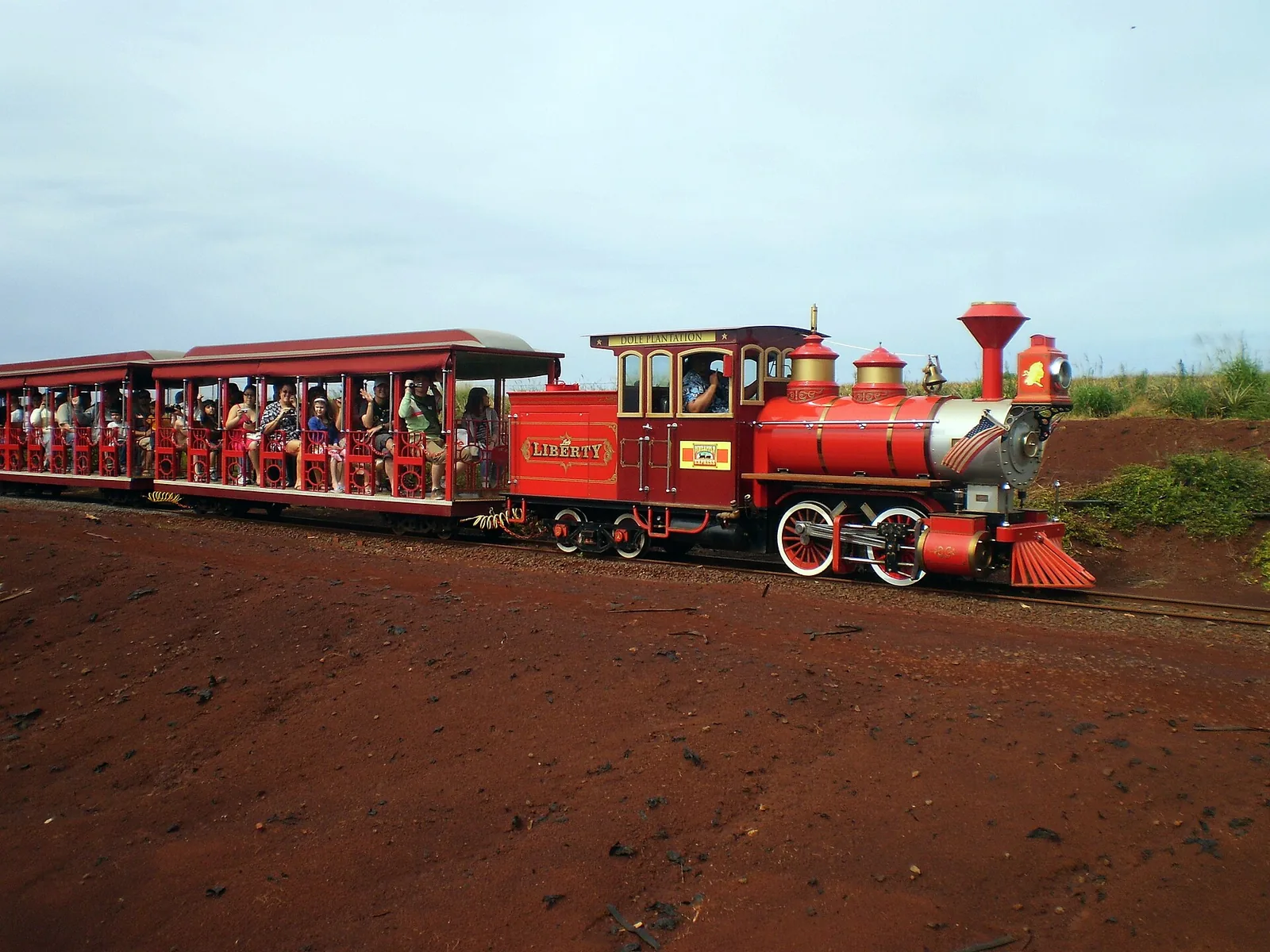
- Dole Plantation. Entry to the plantation’s shop and grounds is free; the Pineapple Express train ($15 adult), the garden maze ($10) and the plantation garden tour ($8.50) are bought on site and are not on the pass.
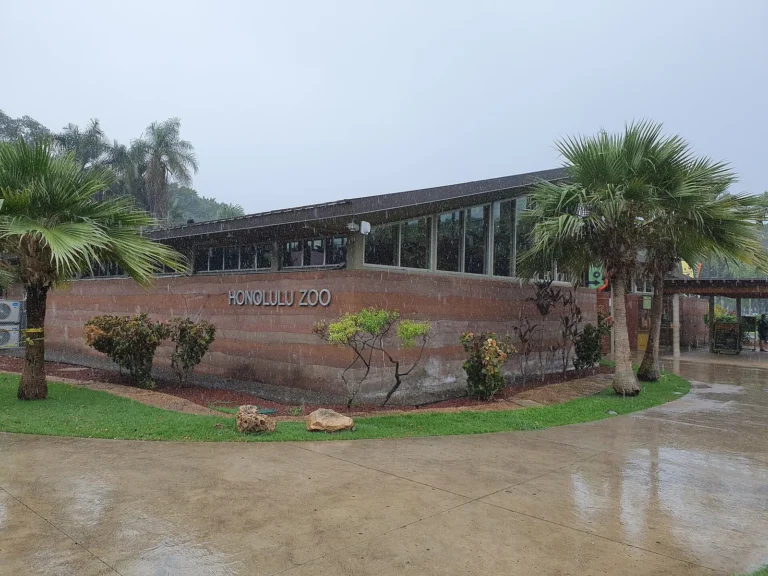
- Honolulu Zoo ($21 adult, $13 child 3–12) and the Waikīkī Aquarium ($12 general admission). Both are cheap enough that it doesn’t matter.
Alternatives That Often Work Better
Passport to Pearl Harbor
Pearl Harbor Historic Sites sells its own bundle, the Passport to Pearl Harbor, at $99.99 for adults and $49.99 for children aged 4 to 12. It covers the Missouri, the submarine museum and the Aviation Museum, adds the Arizona-site multimedia tour and one virtual-reality experience, and allows one admission to each site over one or two consecutive days. Bought separately the three paid sites are $100.97, so the Passport saves only 98 cents, but it does throw in the extras and lets you split the visit across two days.
The Passport doesn’t include the USS Arizona Memorial reservation either. Book that on recreation.gov regardless.
Cost: $99.99 adult, $49.99 child 4–12 · Hours: Pearl Harbor visitor centre 07:00–17:00; Bowfin last entry 16:15 · Book: pearlharborhistoricsites.org; Arizona separately on recreation.gov ($1) · Allow: a full day for all three ships plus the memorial
Buying Direct, With Discounts
Several attractions offer their own deals that a pass can’t stack with. Wet’n’Wild takes 10% off tickets bought at least 72 hours ahead. Residents get large kamaʻāina discounts nearly everywhere: ʻIolani Palace’s audio tour is $11.95 for a kamaʻāina adult against $28, and Waimea Valley is $10 against $26. Military rates exist at several sites too, so if you hold a military ID, check direct prices before you compare anything with a pass.
The Free Alternatives
A great deal of the best of Oʻahu costs nothing at all: beaches, most hiking trails, the Kūhiō Beach hula show and the views. If your trip leans that way, a pass is the wrong tool entirely. Our list of free things to do in Oʻahu is the place to start, and our Oʻahu beaches guide picks the right sand for each season.
The Child Pass: Usually a Poor Deal
Children are where the pass struggles most. A two-day All-Inclusive pass for a child aged 3 to 12 costs $169. Their Pearl Harbor day at the gate costs $52.97 (Missouri $19.99, Bowfin $14.99, Aviation Museum $17.99), and ʻIolani Palace’s youth audio tour is $13. To break even, a child would need about $84.50 of attractions a day, which few child-priced tickets on Oʻahu can reach without the lūʻau.
Two more quirks. Go City counts children as 3 to 12, while the Pearl Harbor sites count 4 to 12, so a three-year-old pays for a pass on attractions that may let them in free. And children under 4 aren’t allowed on board the Bowfin at all. For families, the usual answer is adult passes for the grown-ups (if the maths works) and direct tickets for the children. Our guide to Hawaiʻi with kids has the family-priced attractions worth planning around.
Making the Pass Days Work on the Ground
The All-Inclusive pass rewards logistics. A few rules make the difference between a $200 saving and a wasted day.
Book before you activate. Go City marks the lūʻau, the catamaran, the snorkel cruise, the Diamond Head shuttle, the circle-island tour, the Kualoa tours, ʻIolani Palace and the Pearl Harbor history tour as needing a booking. Kualoa’s tours and the lūʻau fill up, and ʻIolani Palace sells tickets online only, with no same-day sales, so set those times first and build each pass day around them.
Mind the closing days. Sea Life Park opens 10:00–16:00 and closes on Tuesdays. ʻIolani Palace runs tours Tuesday to Saturday only. The Bowfin’s last entry is 16:15. Check Wet’n’Wild’s park-hours calendar for open days before you put it on a pass day.
Go one side of the island at a time. Pearl Harbor and Wet’n’Wild sit west of Honolulu; Kualoa, Sea Life Park and the lūʻau sit along the windward and southeast coast; Waimea Valley is on the North Shore. A full circle-island drive takes most of a day, so don’t try to cover opposite ends of Oʻahu on the same pass day.
Car or bus. A pass day really needs a car or a tour with transport. TheBus reaches Pearl Harbor, Waimea and the windward coast from Waikīkī (some routes need a change) for $3.25 cash a ride, with a $7.50 daily cap on a HOLO card, but two or three paid stops across the island in one day is hard on a bus timetable. Our guide to getting around Oʻahu sets out the options, and the Oʻahu itinerary shows how to sequence the island by area.
Keep the beach time. A pass can push people into the water on tours they’d otherwise skip. If a snorkel cruise or Turtle Canyon trip is on your list, remember that drowning is the leading cause of injury death for visitors to Hawaiʻi, and snorkelling is involved in a large share of those deaths. Wear a fins-and-vest setup you’re used to, stay close to the crew, keep 10 feet from turtles, and don’t let a prepaid pass talk you into going out on a rough day. Our Oʻahu snorkelling guide covers the safety basics.
Who Should Buy It, and Who Shouldn’t
Buy the All-Inclusive if you’re an adult who wants the lūʻau, and you can put Pearl Harbor’s paid ships on one day and Kualoa, Sea Life Park and the lūʻau on another. Two days of that saves around $200. Add a third or fourth day only if it has at least $75–90 of included attractions on it.
Consider Essentials if your trip is short and three of your plans are Wet’n’Wild, Sea Life Park and something else on its list.
Skip the pass if you’re visiting mainly for beaches, food and hiking, you’re travelling with young children, you hold kamaʻāina or military ID, or you want flexibility around the weather. Rain on Oʻahu often lasts an hour, but a wet day on a consecutive-day pass is still a lost day. Our guide to rainy day activities on Oʻahu has the indoor plans.
Always: list the attractions you’d do anyway, write down each one’s gate price from the operator’s own site, and add them up before you look at a pass. If the pass isn’t at least 20% cheaper than that total, the loss of flexibility probably isn’t worth it. For the bigger picture of costs, see our guide to planning a trip to Hawaiʻi, and for the full range of paid trips our pick of Oʻahu tours and attractions.
Many of the island’s best photo spots cost nothing at all. Our guide to the most instagrammable places on Oʻahu lists 25 of them with the best light for each.
Frequently Asked Questions
Does the Go Oahu card include the USS Arizona Memorial?
No. The USS Arizona Memorial programme is booked only on recreation.gov, with a $1 non-refundable fee, up to 56 days ahead. Go City sells a different product called the USS Arizona Pearl Harbor Captain’s Narrated Multimedia Tour, which is not the memorial boat. The pass does include the Battleship Missouri, the Aviation Museum and the Bowfin submarine museum on Explorer and All-Inclusive.
Does the Go Oahu card include Hanauma Bay?
No. Hanauma Bay entry is booked separately through the City and County of Honolulu’s reservation system and isn’t on any Go City Oʻahu pass. The pass does include a Turtle Canyon snorkel cruise off Waikīkī, which is a boat trip, not the bay. Book Hanauma Bay yourself as soon as its booking window opens, because slots go quickly.
Do the pass days have to be consecutive?
By default, yes: an All-Inclusive pass runs on consecutive days from the first scan. Go City also offers an option to use the days at any point within a two-week window, and every All-Inclusive pass must be used within 14 calendar days of first use. Explorer and Essentials passes count attractions instead, and run for 30 days from your first visit.
Can I get a refund on an unused Go City pass?
Go City refunds passes that haven’t been activated if you ask within 90 days of buying them. Once you’ve scanned into your first attraction the pass is activated and no longer refundable. An unactivated pass remains valid for a year from purchase, so buying early to catch a discount code isn’t a risk if your dates move.
Is the luau included in the Go Oahu card?
Only on the All-Inclusive pass, which includes one premium attraction per pass: the Aloha Kai Lūʻau at Sea Life Park or the Ka Moana Lūʻau at Aloha Tower. The Aloha Kai Lūʻau is from $149.99 an adult bought direct, which is why it makes such a difference to the maths. You need to book a lūʻau seat through Go City before you go.
How old is a child for the Go Oahu card?
Go City prices children aged 3 to 12; anyone 13 or older pays the adult rate. Watch the mismatch at Pearl Harbor, where the historic sites charge children’s prices for ages 4 to 12. ʻIolani Palace sets its own bands too, with an adult rate from 18, a teen rate for 13 to 17 and a youth rate for 5 to 12.
Is the Go Oahu card worth it for families?
Usually not for the children. A two-day All-Inclusive child pass costs $169, while a child’s Pearl Harbor day at the gate (Missouri, Bowfin and Aviation Museum) totals $52.97 and ʻIolani Palace’s youth tour is $13. Most families do better buying children’s tickets direct, and adult passes only if the adults’ own plans clear the break-even.
Is the Explorer pass better than the All-Inclusive?
Usually not. The Explorer pass only pays if every attraction you choose costs more than the pass price divided by the number of choices, which is $56.33 per choice on the three-choice pass. Most Pearl Harbor and museum tickets cost less. Explorer suits people with a long, relaxed trip and a short list of expensive tours; the All-Inclusive suits packed days.
Photo Credits
- Battleship Missouri bow: Robert Linsdell, CC BY 2.0
- USS Bowfin: Robert Linsdell, CC BY 2.0
- Kaʻaʻawa Valley, Kualoa: Famartin, CC BY-SA 4.0
- Pineapple Express train, Dole Plantation: spencer343 from Bellingham, WA, USA, CC BY 2.0
- Pearl Harbor Aviation Museum: Tony Hisgett, CC BY 2.0
- Sea Life Park and the Makapuʻu coast: Edmund Garman from Salem, Oregon, USA, CC BY 2.0
- Waimea Valley waterfall: Daderot, CC BY-SA 3.0
- Battleship Missouri with a passing submarine (featured): U.S. Navy photo by Mass Communication Specialist 2nd Class Michael H. Lee, public domain