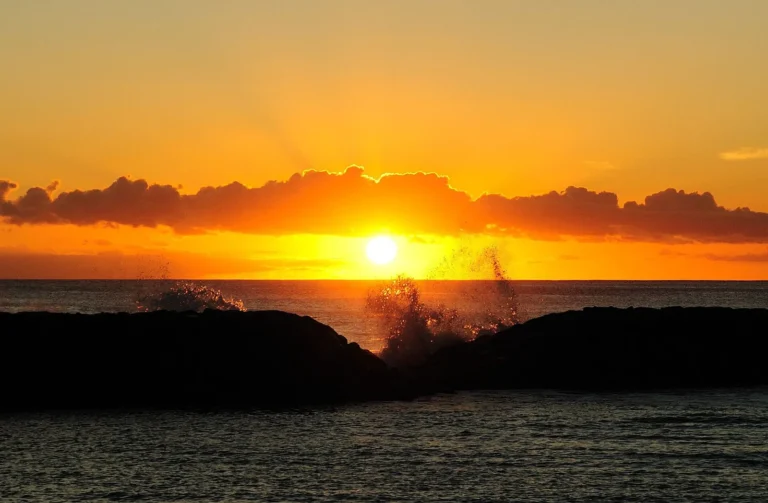
In mid-October the sun rises over Oʻahu at about 06:27 and sets at about 18:06, which leaves a short, sharp window at each end of the day when the island looks the way it does in everyone’s feed. The best instagrammable places oahu has to offer are mostly free, but plenty of them sit behind a reservation, a locked gate or a parking rule, and a few that still circulate online are closed, illegal or genuinely dangerous.
Here are 25 spots by side of the island, with the light, the cost and the hours for each, then the places to skip and the rules that matter.
When the Light Works on Oʻahu
Oʻahu sits far enough south that its day length barely changes. Sunrise in Honolulu runs from about 05:50 in June to about 07:08 at the turn of the year; sunset from about 19:17 at the end of June to about 17:48 in early December. Twilight is short, around 20 minutes either side, so arrive early rather than on time.
| Honolulu, 2026 | Sunrise | Sunset | What it means |
|---|---|---|---|
| Mid-June | about 05:50 | about 19:16 | Earliest starts; sunset falls after several park gates close |
| Mid-October | 06:27 | 18:06 | Easy sunrise and sunset in one day |
| Late December | about 07:04 | about 17:54 | Late sunrise; sunset well inside gate hours |
Geography decides the rest. The windward coast, from Makapuʻu to Kualoa, faces east and gets the sunrise. The North Shore and the west coast face the sunset. Waikīkī and Ala Moana look south and west, so the sun drops into the sea there for much of the year. Diamond Head sits east of Waikīkī: at dawn it is a silhouette, and in late afternoon its western face turns gold.
Trade-wind showers often clear in minutes and leave rainbows over Mānoa and the Koʻolau. For seasonal patterns, see the best time to visit Hawaiʻi.
Instagrammable Places Oahu: Honolulu and Waikīkī
All of these are a short ride from Waikīkī. For the island’s wider sights, see the best things to do in Oahu.
1. Waikīkī Beach With Diamond Head Behind
The postcard. Walk out along the Kapahulu groin or stand on the sand near Kūhiō Beach and frame the crater over the curve of the bay. Late afternoon is best, when the light hits Diamond Head’s western face and the water turns from turquoise to gold. Our Waikīkī guide covers the beach section by section.
Cost: free · Best light: the last two hours before sunset · Allow: 30 minutes
2. Diamond Head Summit
From the old fire-control station on the rim you get Waikīkī’s towers, the reef and the whole south shore in one frame. Non-residents must book entry and parking in advance; there are no walk-ins. The first 06:00 slot puts you on the trail in the first, soft hour of light, and in October, December and January you’ll reach the summit close to sunrise. The trail is 0.8 miles each way with 560 feet of climb, including stairs and a tunnel. The full booking rules are in our Diamond Head hike guide.
Cost: $5 per non-resident, plus $10 per non-resident vehicle; card only · Hours: 06:00–18:00, last entry 16:30 · Book: gostateparks.hawaii.gov, up to 30 days ahead · Allow: 1.5–2 hours
3. Puʻu ʻUalakaʻa State Wayside
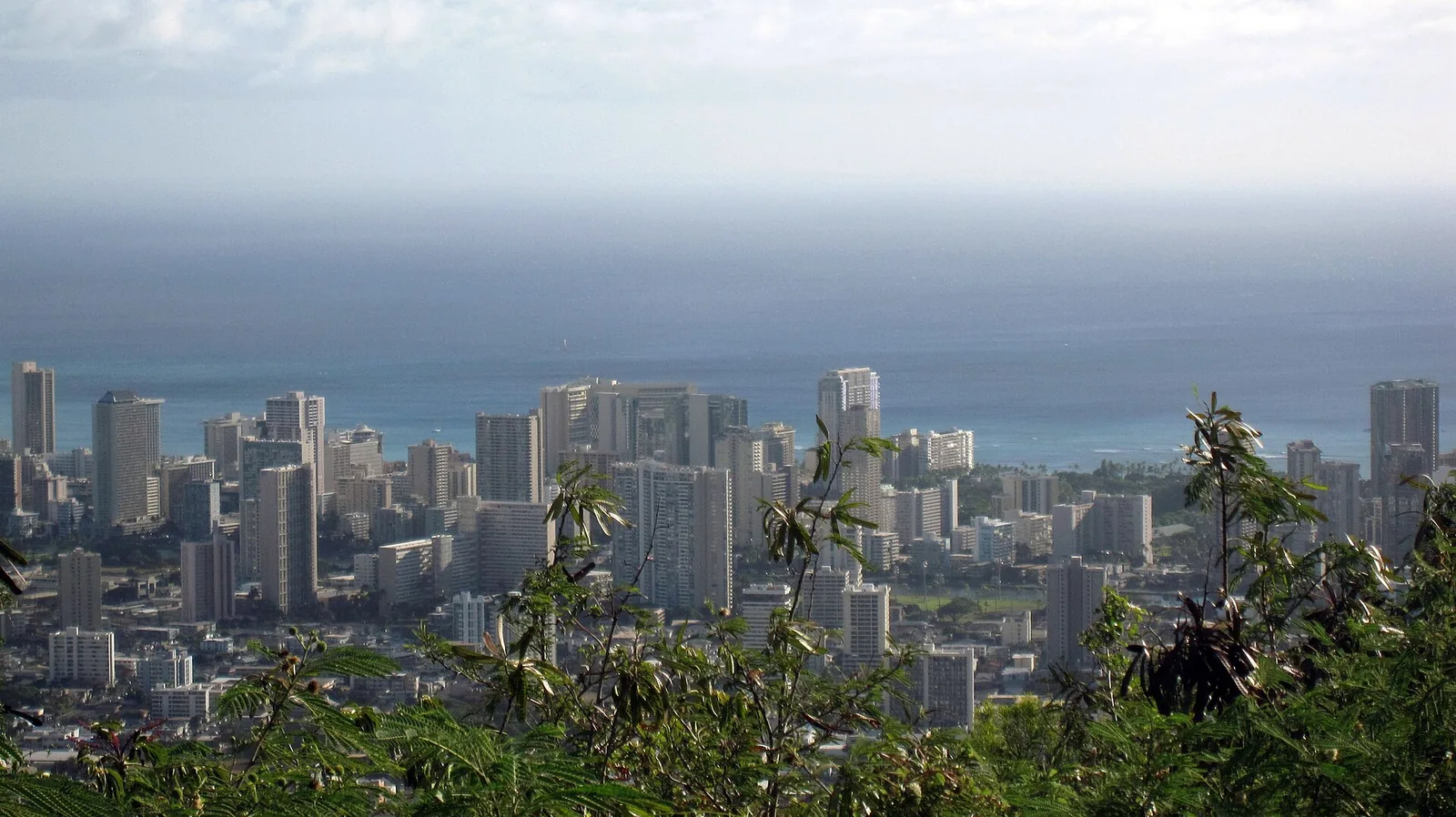
The lookout on the slopes of Tantalus frames Honolulu from Diamond Head to Pearl Harbor, and it’s one of the best city sunset views you can reach by car. The catch is the gate. From the day after Labor Day to the end of March the park closes at 18:45; from 1 April it closes at 19:45. In winter that leaves plenty of time after sunset; in June, when the sun sets after 19:00, it’s tight. A one-mile loop trail starts in the park.
Cost: $7 parking per non-resident vehicle · Hours: 07:00–18:45 (winter), 07:00–19:45 (from 1 April) · Best light: sunset, October to March · Allow: 45 minutes
4. Tantalus Lookout and Round Top Drive
The winding Tantalus–Round Top loop has roadside pull-offs looking down over Mānoa and the city. The road is narrow and residential: pull fully off, and never stop on a blind bend.
Cost: free · Best light: late afternoon · Allow: 45 minutes as part of the loop
5. Chinatown and the Wo Fat Building
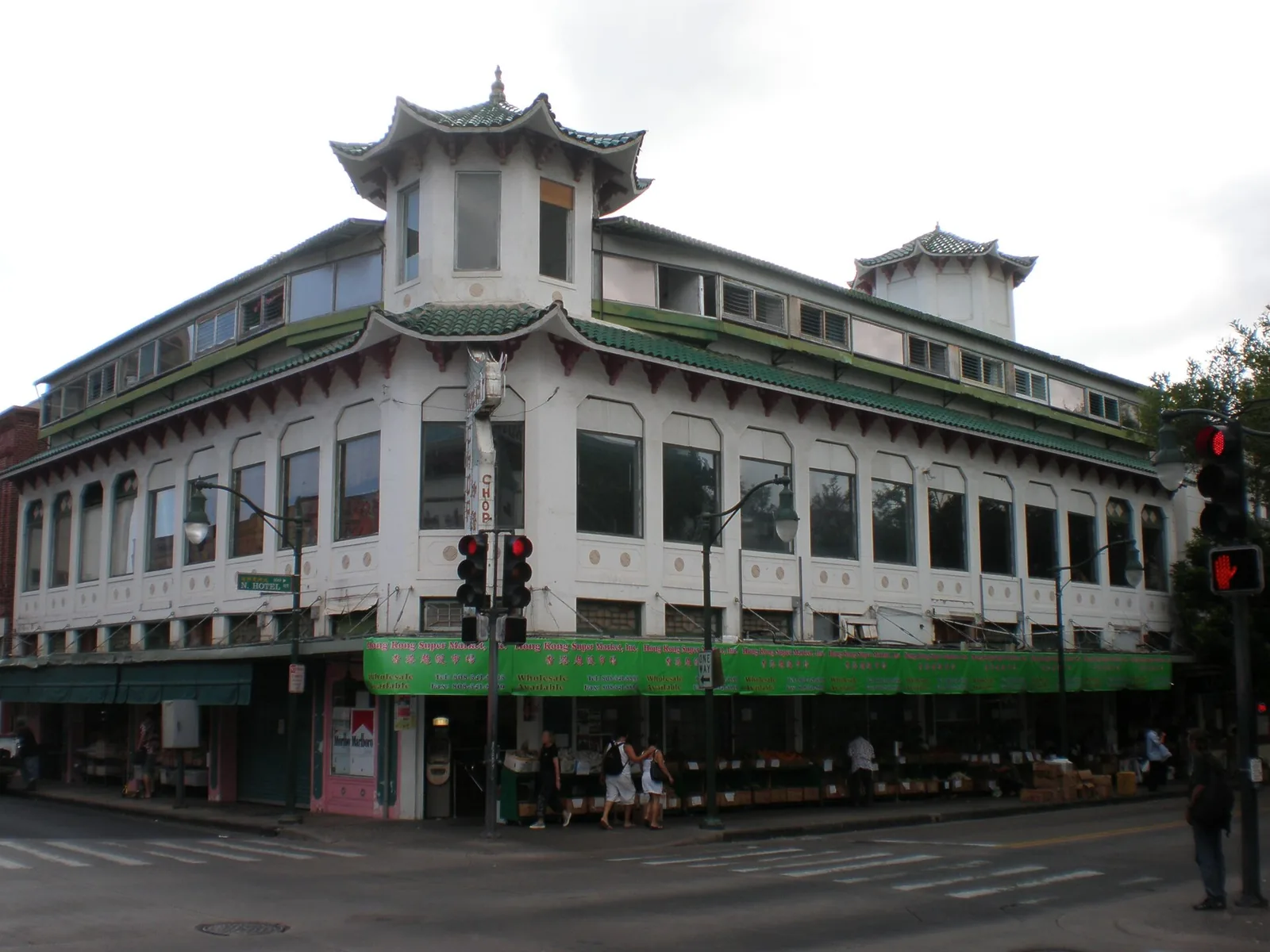
Honolulu’s Chinatown gives you something the beaches can’t: painted shopfronts, lei stands, hanging lanterns and the pagoda-roofed Wo Fat building on the corner of Hotel and Maunakea Streets. Mornings are best, when the markets are busy and the light runs down the side streets. On the first Friday of each month, First Friday Honolulu runs 17:00–21:00 with galleries and art events; check firstfridayhawaii.com for that month’s venues. Our guide to Honolulu neighbourhoods has more on the district.
Cost: free · Best light: 08:00–10:00 for the markets; First Friday evenings · Allow: 1–2 hours
6. The Murals of Kakaʻako
For more than a decade Kakaʻako’s warehouse walls were repainted each year by the POW! WOW! festival, and many of those murals are still there between the new towers. The organisation has since become World Wide Walls, and its Honolulu work has moved towards Kalihi. Walls change, fade and get painted over, so wander the blocks around Auahi and Pohukaina Streets rather than hunting for one particular piece, and check World Wide Walls’ own site for new work.
Cost: free · Best light: overcast days or the hour after sunrise, when there’s no harsh shadow · Allow: 1 hour
7. Waikīkī War Memorial Natatorium
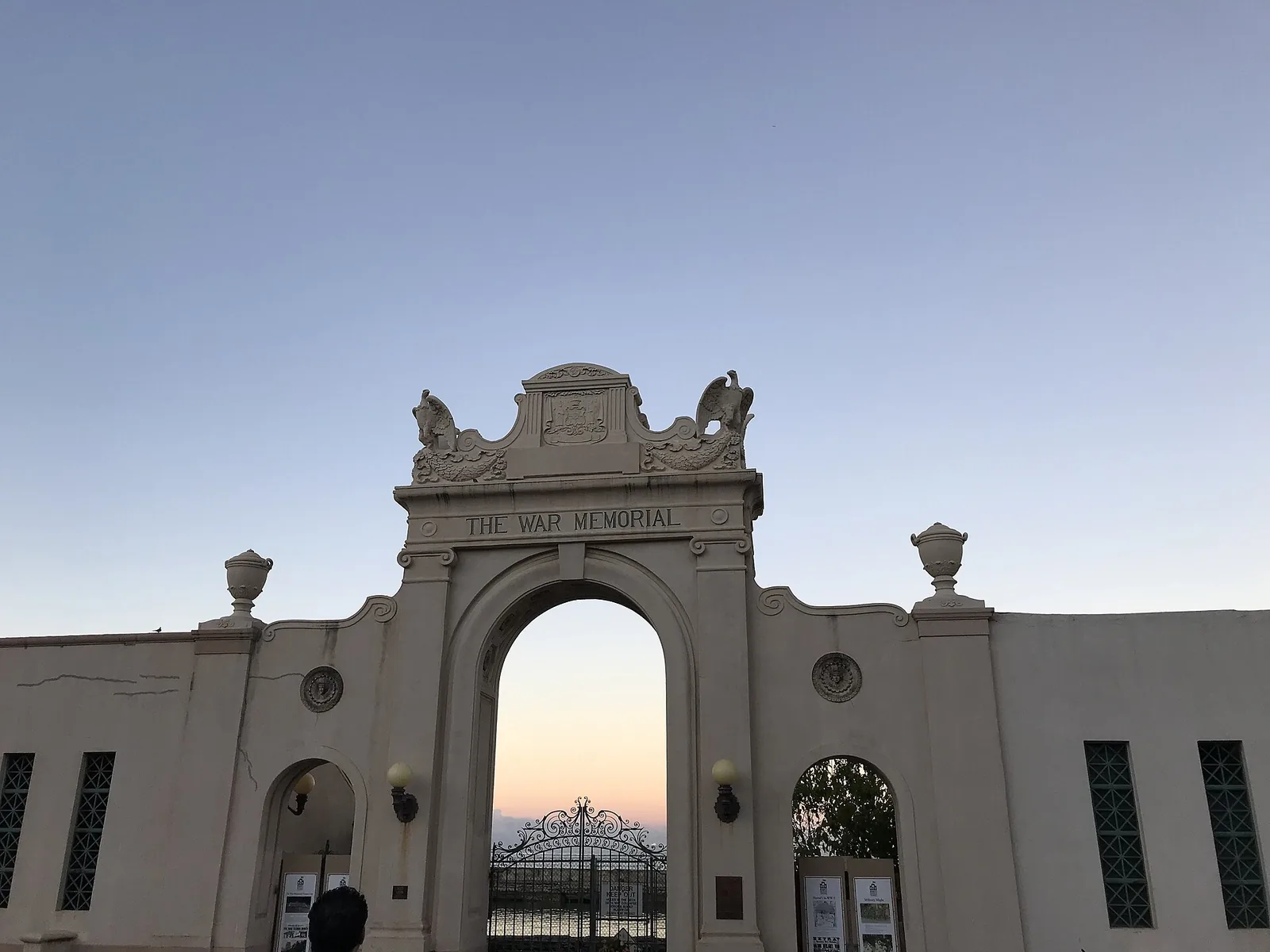
The arched Beaux-Arts façade at the Diamond Head end of Kapiʻolani Park is a memorial to the people of Hawaiʻi who served in the First World War, with a saltwater pool behind it. The pool has been closed as a safety hazard since 1979, and in August 2025 the mayor called restoring it “a long shot”. Photograph the arch from outside, ideally at sunrise, when the low light comes in off the ocean. Don’t climb the fencing.
Cost: free (exterior only) · Best light: sunrise · Allow: 20 minutes
8. The Pink Royal Hawaiian
The Royal Hawaiian’s pink façade is one of Waikīkī’s most recognisable buildings, and the best view of it is from the sand in front, at the waterline, with palms in the frame. The beach is public, so you don’t need to be a guest. Afternoon light is warmer on the pink.
Cost: free from the beach · Best light: mid to late afternoon · Allow: 15 minutes
9. Magic Island at Ala Moana
The man-made peninsula at the ʻEwa end of Ala Moana Beach Park faces west across the harbour mouth, which makes it one of the best sunset spots in town, with paddleboarders and outrigger canoes silhouetted on the lagoon. Give local families space on the grass. The park closes overnight, so leave after sunset.
Cost: free · Best light: sunset · Bus: routes to Ala Moana Center from Waikīkī · Allow: 1 hour
10. Kapiʻolani Park Banyans
Giant banyan trees line the edges of Kapiʻolani Park, a few minutes’ walk from the Waikīkī strip, with roots that drop from the branches into curtains. Shoot them in the morning, before the picnics start, with Diamond Head behind.
Cost: free · Best light: early morning · Allow: 30 minutes
The Southeast Coast and the Windward Side
This is the island’s sunrise coast. Drive it east from Waikīkī before dawn and you’ll have the light behind every view.
11. Makapuʻu Point Lighthouse Trail
A paved two-mile return walk climbs 500 feet to a viewpoint over the red-roofed lighthouse, Mānana (Rabbit) Island and the windward coast. In winter whales pass offshore. The trail is hot, exposed and windy, so bring water and a hat. One timing quirk: the gate opens at 07:00, so between October and February you’ll arrive just after sunrise rather than for it.
Cost: free · Hours: 07:00–18:45 (from the day after Labor Day), 07:00–19:45 (from 1 April) · Best light: the first hour after the gate opens · Allow: about 2 hours
12. Makapuʻu Lookout
Just past the trailhead, the roadside lookout above Makapuʻu Beach gives you the classic view down the windward coast to Mānana Island and Kāohikaipu. It needs no hike at all. Morning, with the sun behind you, brings out the colour of the water.
Cost: free · Best light: 08:00–10:00 · Allow: 15 minutes
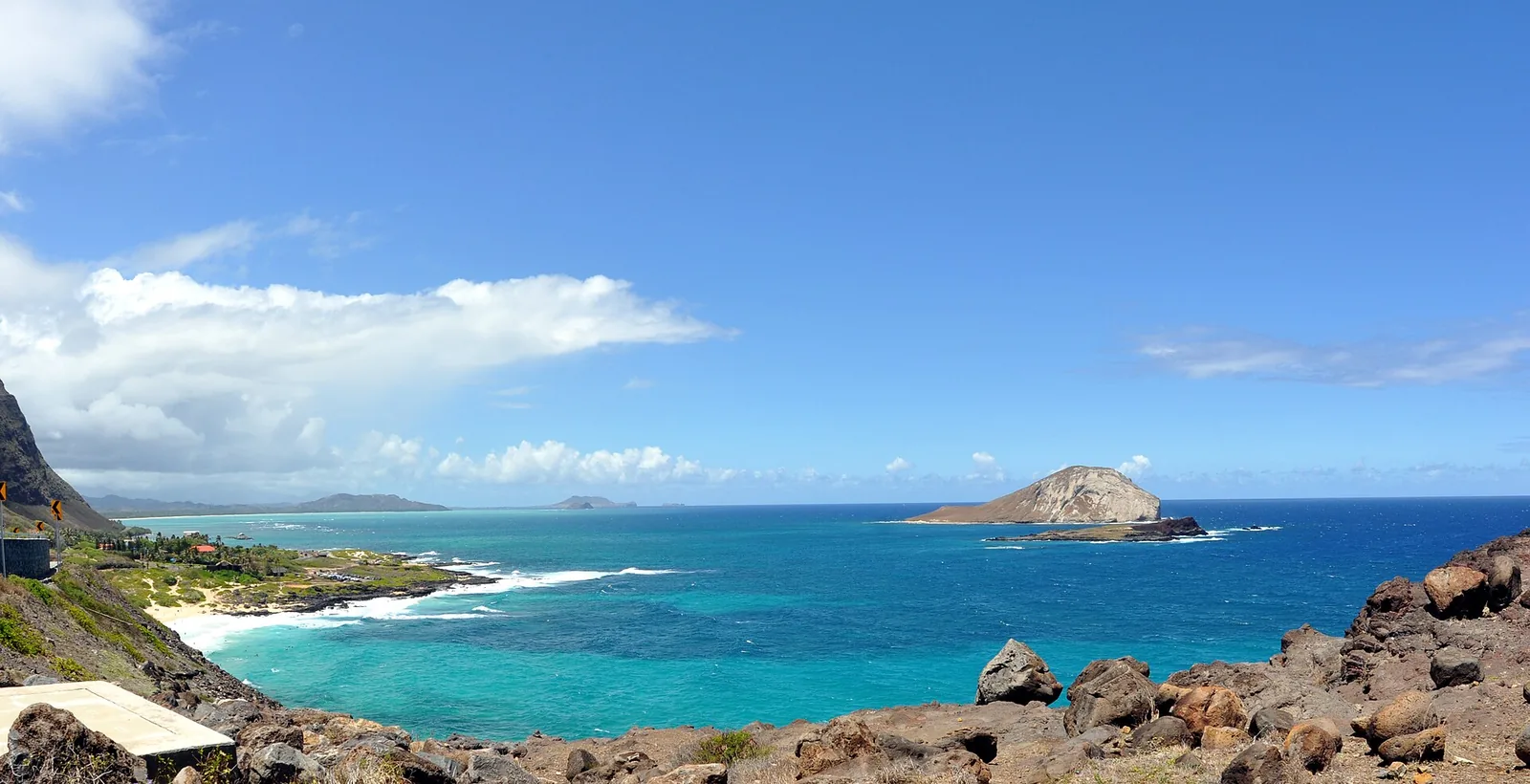
13. Hālona Blowhole Lookout
A short drive back towards Hawaiʻi Kai, the Hālona lookout overlooks a lava shelf where swells force water up through a lava tube. It performs best on days with a southeast swell. Stay behind the railings: the ledge below has swept people away.
Cost: free · Best light: morning · Allow: 15 minutes
14. Lanikai Pillbox (Kaʻiwa Ridge)
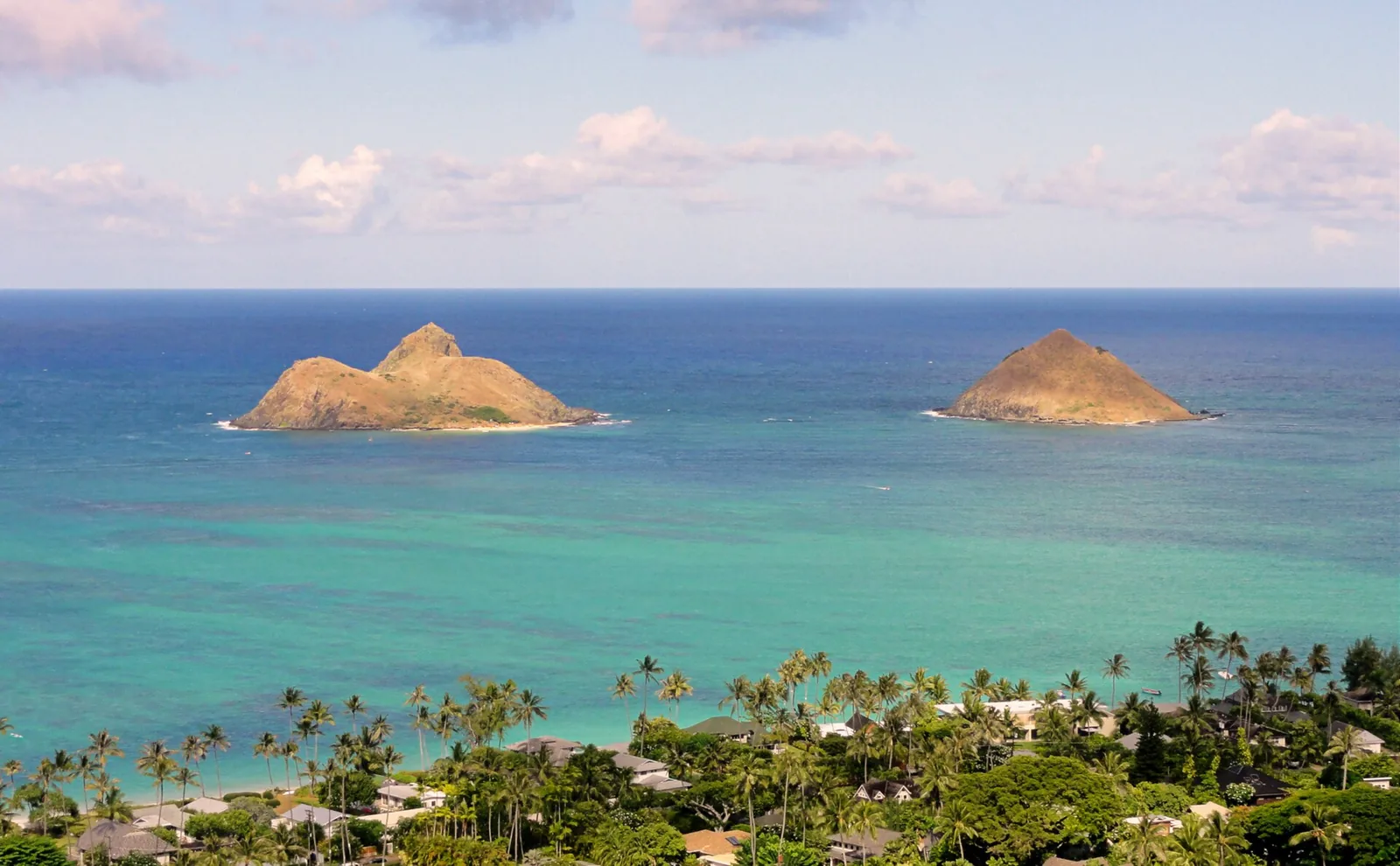
The short, steep climb to the concrete pillboxes above Lanikai is one of the island’s most popular sunrise hikes, and the view of Nā Mokulua is why. The trail is eroded and slippery after rain, so wear shoes with grip and use a head torch on the way up. Parking in Lanikai’s narrow streets is tightly restricted and enforced; park at Kailua Beach Park and walk in. Our Oʻahu hikes guide has the trail in more detail.
Cost: free · Best light: sunrise · Allow: 1.5 hours including the walk from Kailua Beach Park
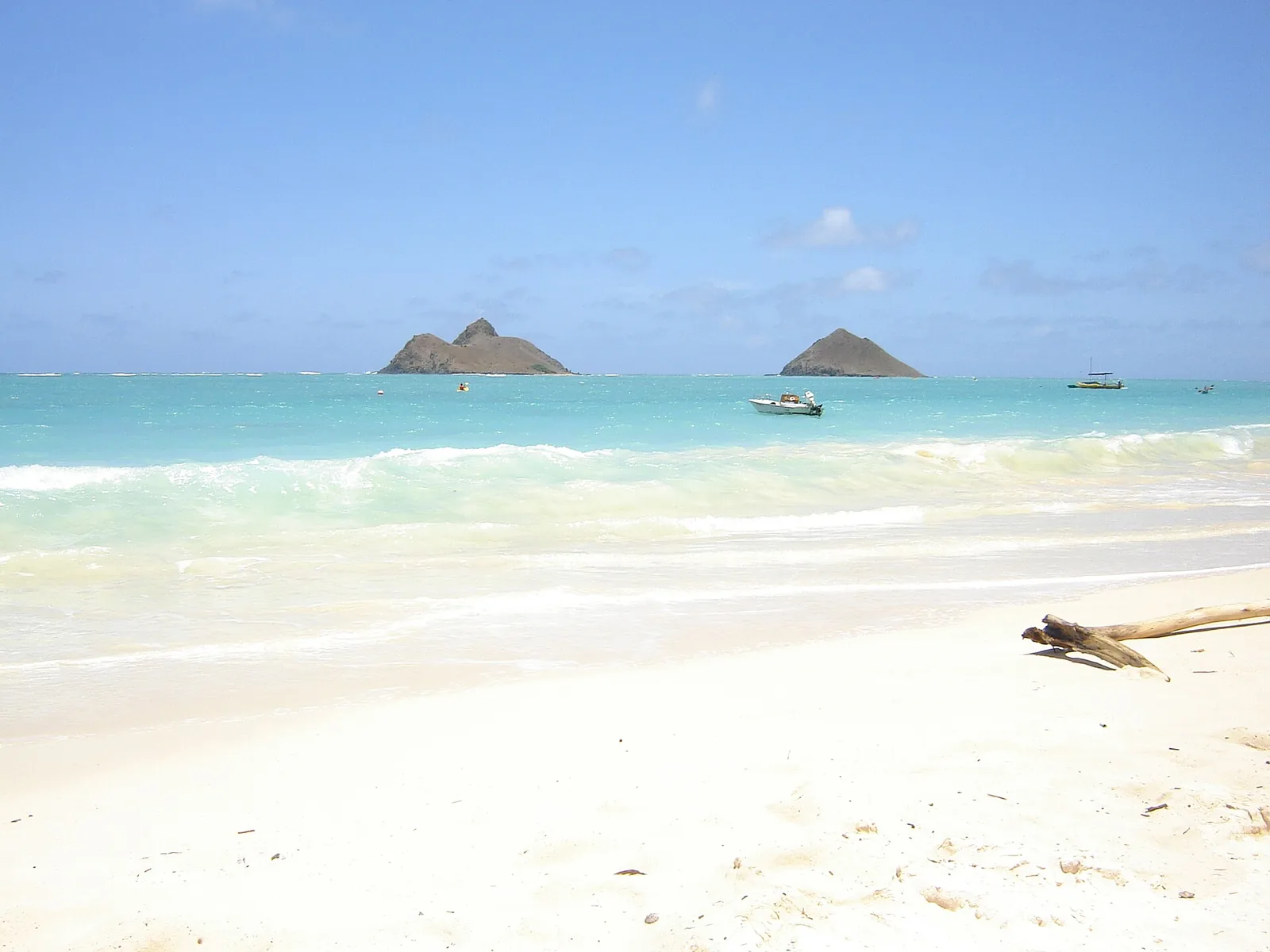
15. Lanikai Beach
Fine white sand, shallow turquoise water and the two Mokulua islets offshore: below the ridge is the beach in the photographs. Get there for sunrise, when the islets sit in the morning glow and the sand is still empty. Use the public beach-access paths between the houses, and leave nothing behind.
Cost: free · Best light: sunrise to 08:30 · Allow: 1 hour
16. Waimānalo Beach
Waimānalo’s long sweep of pale sand, ironwood trees and the green Koʻolau cliffs behind is one of the most photogenic beaches on the island, and much quieter than Lanikai. Mornings bring calm water and the islets off Makapuʻu in the distance. Our guide to the best beaches in Oahu covers swimming conditions here.
Cost: free · Best light: sunrise to mid-morning · Allow: 1 hour
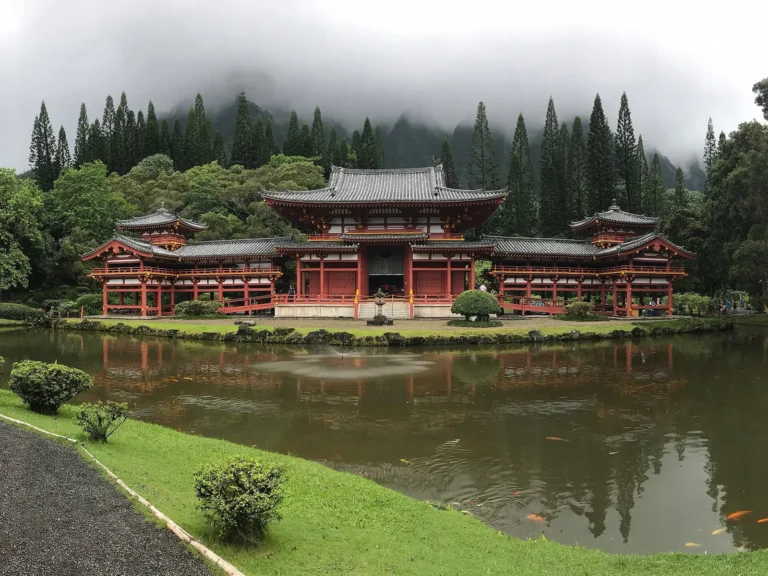
17. Byodo-In Temple
The red replica of a Japanese temple, set against the fluted Koʻolau cliffs in the Valley of the Temples, is among the windward side’s most photographed buildings. Go when it opens, before the coaches, and use the koi pond for reflections. Check the temple’s own site for the current admission charge.
Hours: 08:30–16:30, last entry 16:15 · Tickets: on byodo-in.com; paid parking · Best light: 08:30–10:00 · Allow: 45 minutes
18. Hoʻomaluhia Botanical Garden
Hoʻomaluhia’s entrance road runs straight at the Koʻolau cliffs, and it’s become one of the most copied shots on the island. That popularity has caused problems: the garden asks visitors not to park or stop along the side of the road. Take the view from inside the garden instead, where the lake and lawns give you the same mountains with no traffic. The garden is free, and closed on Thursdays.
Cost: free · Hours: 09:00–16:00; closed every Thursday, 25 December and 1 January · Best light: morning, before the clouds settle on the peaks · Allow: 1–2 hours
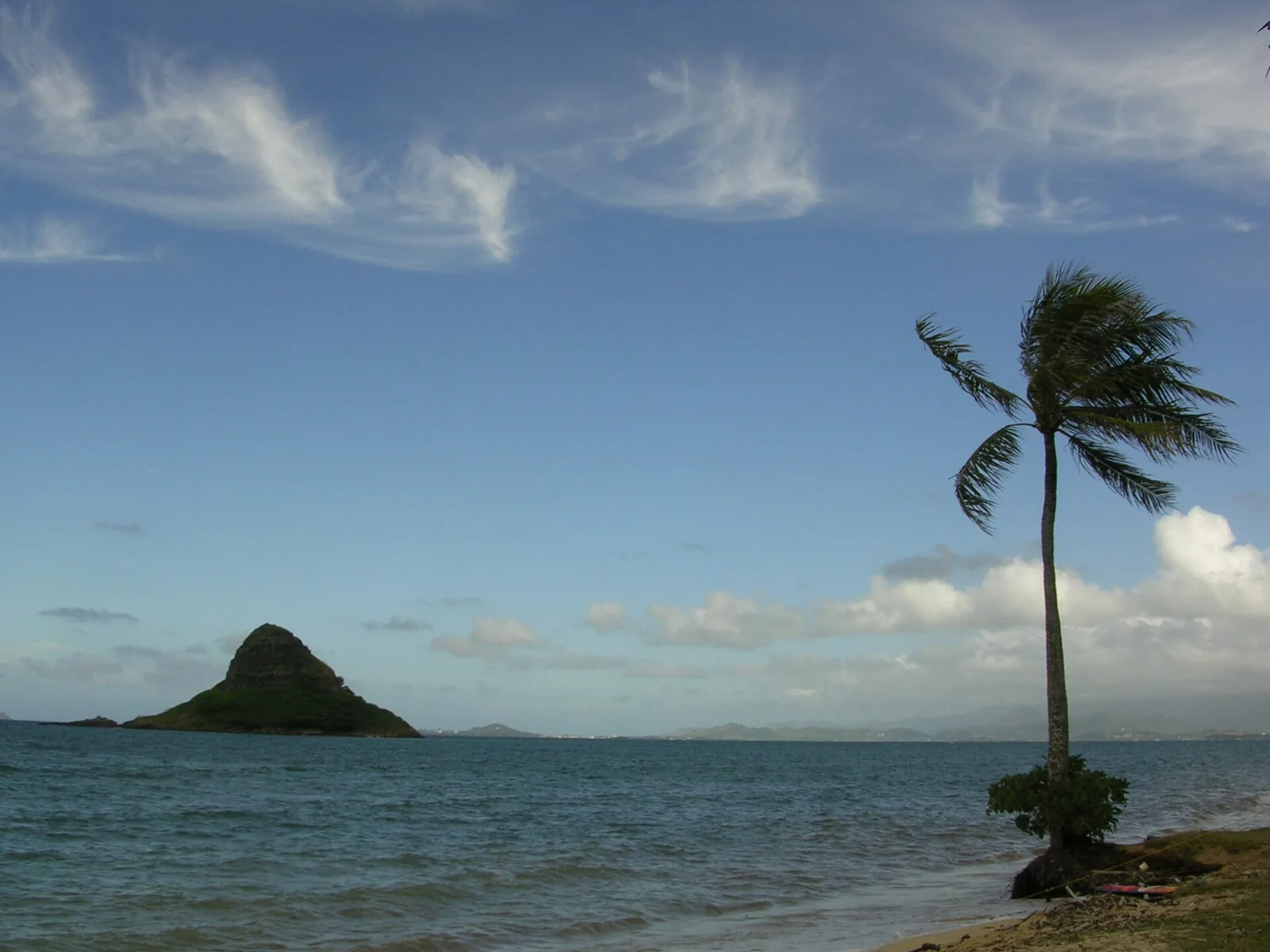
19. Kualoa Regional Park and Mokoliʻi
The cone-shaped islet of Mokoliʻi sits just offshore from a broad grassy beach park, with Kualoa’s ridges behind. Sunrise turns the islet into a crisp silhouette against the sky. Don’t wade or paddle out to the islet without checking conditions and the landing rules first.
Cost: free · Best light: sunrise · Allow: 45 minutes
Check before you go: the Nuʻuanu Pali Lookout closed when Hurricane Lowell hit on 7 September 2026. Check DLNR’s state parks notices first; our Pali Lookout guide has the alternatives.
The North Shore, Central Oʻahu and the West
North Shore spots work best in the afternoon and at sunset. In winter the surf here can be enormous, which is spectacular to photograph from the sand and dangerous to get close to. Our North Shore guide covers the drive in order.
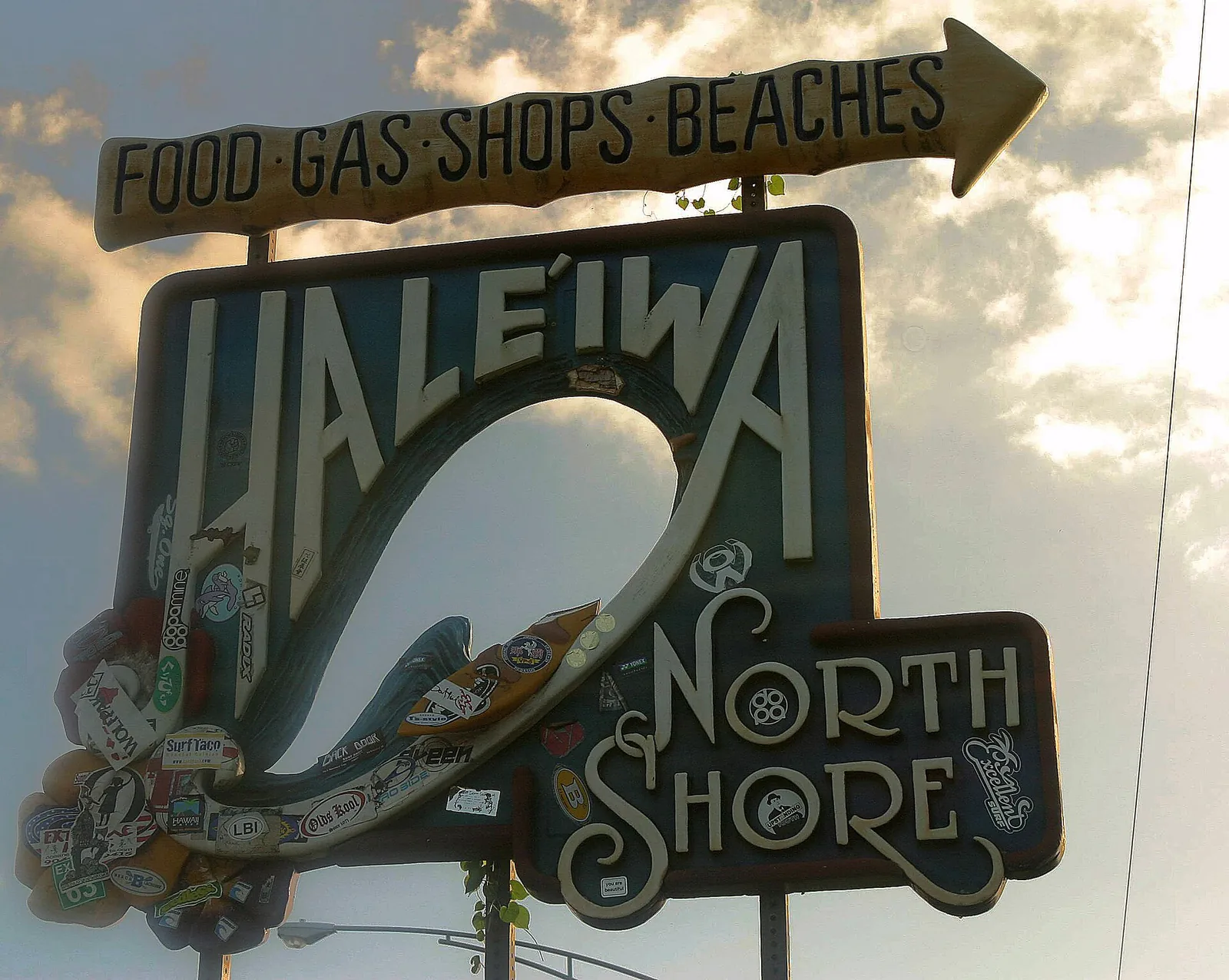
20. The Haleʻiwa Sign and Town
The surf-themed Haleʻiwa sign at the edge of town is a small, satisfying shot, and the old plantation-era storefronts along Kamehameha Highway fill out the set. Come in the morning before the traffic builds.
Cost: free · Best light: morning · Allow: 1 hour with the town
21. Matsumoto Shave Ice
The rainbow-topped cone in front of Matsumoto’s wooden storefront has been a Haleʻiwa photo for decades; the shop has served the North Shore since 1951. Shoot your cone fast; it melts in minutes. Our food guide has more of the island’s classic snacks.
Hours: 10:00–18:00 daily; closed Thanksgiving, 25 December and 1 January · Best light: mid-morning, before the queue peaks · Allow: 30–45 minutes
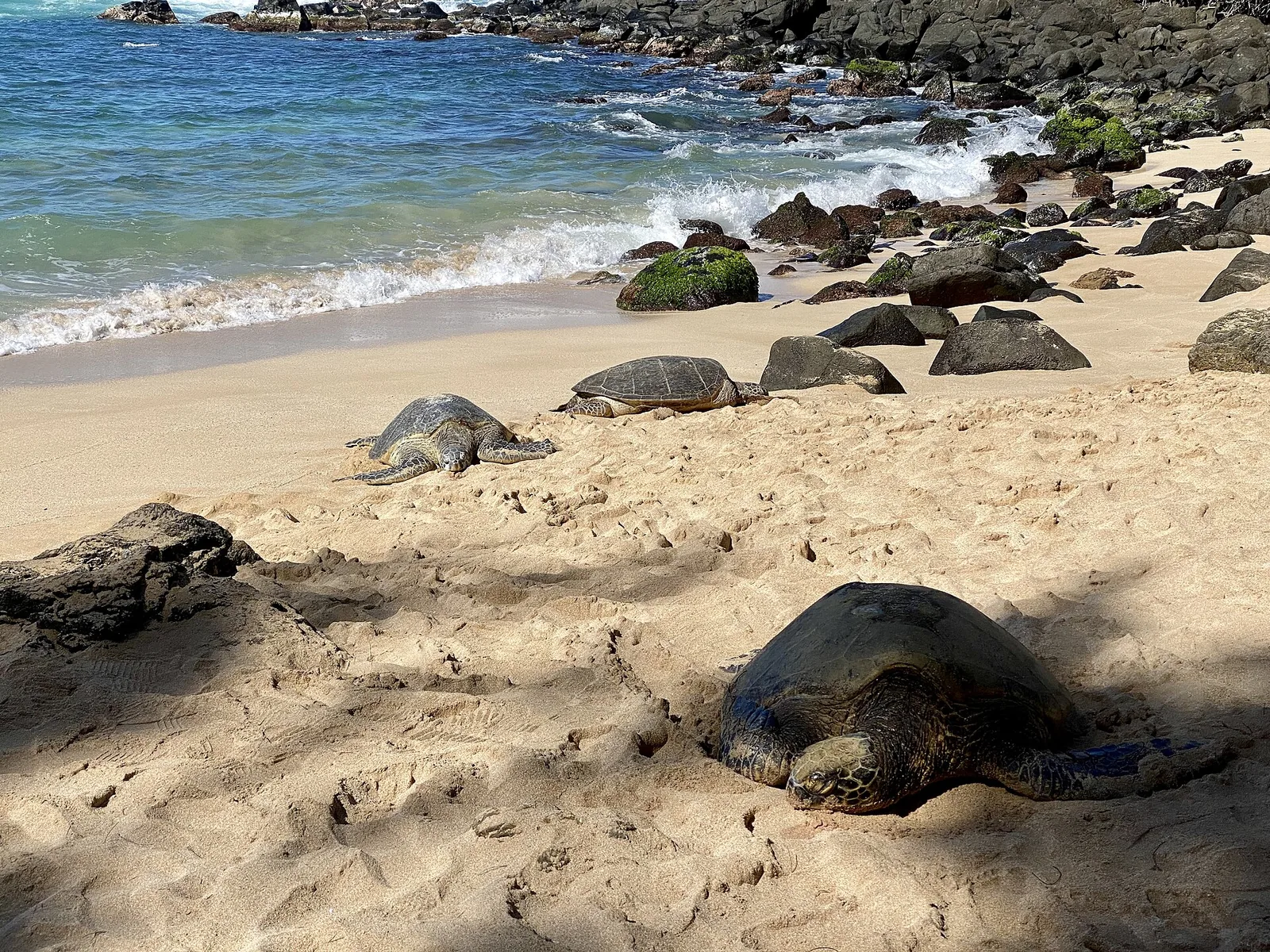
22. Laniakea’s Turtles
Green sea turtles (honu) haul out to rest on the sand at Laniakea, and volunteers often rope off a viewing line. Stay at least 10 feet away, never touch or block them, and don’t use flash. A long lens gives you a better portrait than crowding in. Parking along the highway here is chaotic; follow signs and staff.
Cost: free · Best light: late morning to early afternoon, when turtles are most often ashore · Allow: 30 minutes
23. Waimea Bay
From the lookout on the highway, Waimea is a perfect horseshoe of sand, and in winter one of the most famous big-wave breaks in the world. In summer the bay is often calm enough for swimming, and people leap from the large rock at the edge of the bay. That jump is dangerous: depth and surge change, and injuries are common. Photograph the jumpers, don’t become one. Lifeguards staff the tower here.
Cost: free (lot fills early) · Best light: afternoon · Allow: 1 hour
24. Sunset Beach
The name tells you when to come. A long, wide beach faces west towards the late sun, with winter waves stacking up offshore. Stay well back from the waterline when the surf is up; even the shorebreak can knock people down and drag them out.
Cost: free · Best light: sunset · Allow: 1 hour
25. Dole Plantation Maze
Inland in Wahiawā, Dole Plantation’s hedge maze and its rows of pineapples give you colour of a different kind, and the red earth photographs well. The maze is $10 for an adult; entry to the shop and gardens around it is free.
Cost: maze $10 adult, $8 child · Hours: 09:30–17:30 · Allow: 1 hour
Further west, Kaʻena Point’s Keawaʻula Trail was closed after Hurricane Lowell and remained closed in mid-October 2026; check DLNR’s notices first, and keep 50 feet from any monk seal. The Ko Olina lagoons, open to the public, are the easier west-side sunset.
Instagrammable Places Oahu Shot List, by Time of Day
| Time | Spot | Why then | Cost |
|---|---|---|---|
| Sunrise | Lanikai Pillbox, Lanikai Beach, Kualoa / Mokoliʻi | East-facing coast | Free |
| Sunrise | Natatorium arch, Waikīkī from the beach | Low light off the sea, empty sand | Free |
| 07:00–10:00 | Makapuʻu trail and lookout, Waimānalo | Sun behind you, colour in the water | Free |
| Morning | Byodo-In, Hoʻomaluhia, Chinatown | Before crowds and cloud | Byodo-In charges; others free |
| Midday | Laniakea turtles, Matsumoto | Turtles ashore, shop open | Free / shave ice |
| Late afternoon | Waikīkī with Diamond Head, Royal Hawaiian | Warm light on the crater and façade | Free |
| Sunset | Puʻu ʻUalakaʻa, Magic Island, Sunset Beach | West- and south-facing | $7 parking at Puʻu ʻUalakaʻa |
Spots to Leave Off Your List
Some of the most-shared places on Oʻahu shouldn’t be on anyone’s itinerary. Drowning is the leading cause of injury death for visitors to Hawaiʻi, and several of these spots are why.
- Haʻikū Stairs (“Stairway to Heaven”). Closed and illegal to enter. It is not a hike. For a ridge view, choose a legal trail from our hiking guide.
- Makapuʻu tide pools. The pools below the lighthouse trail lie in an area DLNR has closed and describes as very dangerous, with unpredictable surges that have swept people out to sea. Photograph them from the trail above.
- Spitting Caves and China Walls. Honolulu’s fire department was called to China Walls 16 times and to Spitting Caves four times in 2024, and a man drowned at Spitting Caves in February 2025. Cliff jumping here is not a photo opportunity.
- Mermaid Caves, Nānākuli. Sea caves are hazardous: tide and swell change fast, and the shots online don’t show the danger.
- Sacred Falls. Closed since a 1999 rockfall killed eight hikers. It is kapu: do not enter.
For places that are quiet for good reasons, see our guide to hidden gems on Oʻahu, which covers what to visit and what to leave alone.
Photo Etiquette and the Rules
Wildlife. Keep 10 feet from turtles and 50 feet from Hawaiian monk seals. Disturbing either is illegal, and a selfie is the most common way people do it.
Sacred and private places. Heiau (temple sites) and burial areas are not backdrops: don’t climb walls, stack stones or move offerings, and don’t geotag places locals have chosen to keep off the internet. “Kapu” means do not enter. Our guide to Hawaiian culture and history explains why these places matter.
Paid shoots. Personal photos need no permit. A paid photographer, a wedding or a commercial shoot on a state beach needs a right-of-entry permit from DLNR’s Land Division, booked for a specific area of a specific beach. Our Hawaiʻi honeymoon guide has the details for couples.
Drones. FAA rules apply everywhere, and parks can add their own restrictions, so check the specific park’s rules before you fly. Never fly over people or wildlife.
Roads. Never stand in a traffic lane for a shot; Hoʻomaluhia’s road and the Tantalus loop are where this goes wrong.
To string these spots into days, use our Oʻahu itinerary and getting around Oʻahu; for more, see free things to do in Oʻahu and the full guide to things to do on the island.
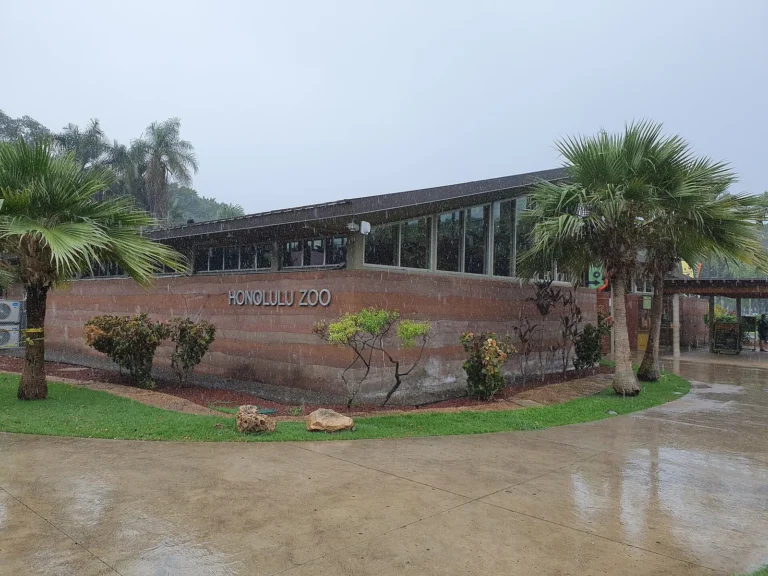
Kapiʻolani Park is also home to two of Waikīkī’s family attractions; our guide to the Honolulu Zoo and Waikīkī Aquarium compares their 2026 prices, hours and keeper-talk times.
Frequently Asked Questions
What is the best time of day for photos on Oahu?
The hour after sunrise and the hour before sunset. In mid-October the sun rises at about 06:27 and sets at about 18:06 in Honolulu; in June sunrise is around 05:50 and sunset around 19:16. The windward coast faces east and suits sunrise, while the North Shore, Waikīkī and Ala Moana suit sunset. Twilight is short, so arrive 30 minutes early.
Do any instagrammable places oahu has to offer need a reservation?
Diamond Head is the main one: non-residents need an entry and parking reservation on gostateparks.hawaii.gov, up to 30 days ahead, at $5 per person and $10 per vehicle. Most other photo spots on this list are free with no booking, though Puʻu ʻUalakaʻa charges $7 parking for non-residents and Byodo-In charges admission.
Can I visit the Haiku Stairs for photos?
No. The Haʻikū Stairs are closed and illegal to enter. Trespassers risk citations and dangerous rescues, and the stairs are not a hike. For similar ridge views, choose a legal trail such as the Lanikai Pillbox or one of the windward ridge hikes, and check its current status before you go.
Do I need a permit for a photoshoot on an Oahu beach?
Not for personal photos. Any commercial activity on a state beach, such as a paid photographer, a wedding or a branded shoot, needs a right-of-entry permit from DLNR’s Land Division, booked online for a specific area of a specific beach. City-run parks have their own rules, so check with the City’s parks department for those.
Is the Nuuanu Pali Lookout open?
The Pali Lookout closed when Hurricane Lowell hit Oʻahu on 7 September 2026. Before driving up, check DLNR’s state parks notices for its current status. When it is open it normally runs 06:00–18:00, with a $7 parking charge for non-resident vehicles, and it is at its best in the morning before cloud builds on the Koʻolau.
Where can I photograph sea turtles on Oahu?
Laniakea Beach on the North Shore is the best-known spot, with turtles most often resting on the sand from late morning to early afternoon. Stay at least 10 feet away, never touch them or block their path to the water, and don’t use flash. A zoom lens gives a far better portrait than getting close.
Photo Credits
- Nā Mokulua: Cristo Vlahos, CC BY-SA 3.0
- Honolulu from Puʻu ʻUalakaʻa: The Eloquent Peasant, CC BY-SA 4.0
- Wo Fat building, Chinatown: Joel Bradshaw, public domain
- Waikīkī Natatorium arch: Flip Flops Hawaii, CC BY-SA 2.0
- Mānana Island off Makapuʻu: Don Ramey Logan, CC BY-SA 3.0
- Mokoliʻi from Kualoa: Caracas1830, CC BY-SA 2.5
- Haleʻiwa sign: U.S. Marine Corps, public domain
- Sea turtles at Laniakea Beach: BjL1504, CC BY-SA 4.0
- Lanikai Beach and Nā Mokulua (featured): R. Sullivan Sullynyflhi, CC BY-SA 3.0