Drive west on the H-1 past Kapolei and the island changes colour. The green of the windward side gives way to dry, brown ridges, the clouds hang back over the mountains behind you, and the sea along the Waiʻanae Coast turns a hard, clear blue. This guide to west side oahu things to do runs from the resort lagoons at Ko Olina up Farrington Highway to the end of the road at Keawaʻula, with what each stop costs, when it opens, where the lifeguards are and how long to give it.
It is one of the least touristy coasts on Oʻahu and one that many visitors skip, partly because it is a long drive from Waikīkī and partly because nobody tells them what is out here. Like our hidden gems on Oʻahu, it rewards the people who make the effort. What is out here is wide sand, some of the island’s calmest swimming, a vintage railway, big winter surf, and a sunset over open ocean every evening of the year. For the rest of the island, start with our guide to things to do on Oʻahu.
West Side Oahu Things to Do at a Glance
The west side runs in two halves. The southern half, from ʻEwa through Kapolei to Ko Olina, is new, planned and suburban, and ends at the resorts of Ko Olina. North of Ko Olina, the Waiʻanae Coast is rural, local and strung along a single highway. The table covers the stops in driving order.
| Stop | Good for | Lifeguard tower | Best time | Allow |
|---|---|---|---|---|
| Ko Olina lagoons | Calm swimming, small children | None | Year-round | Half a day |
| Hawaiian Railway | A vintage train ride to Kahe Point | – | Wednesday, Saturday, Sunday | 2 hours |
| Wet’n’Wild Hawaii | Water park | – | Selected days only | Most of a day |
| Electric Beach (Kahe Point) | Experienced snorkellers | Tower 40 | Calm summer days | 2 hours |
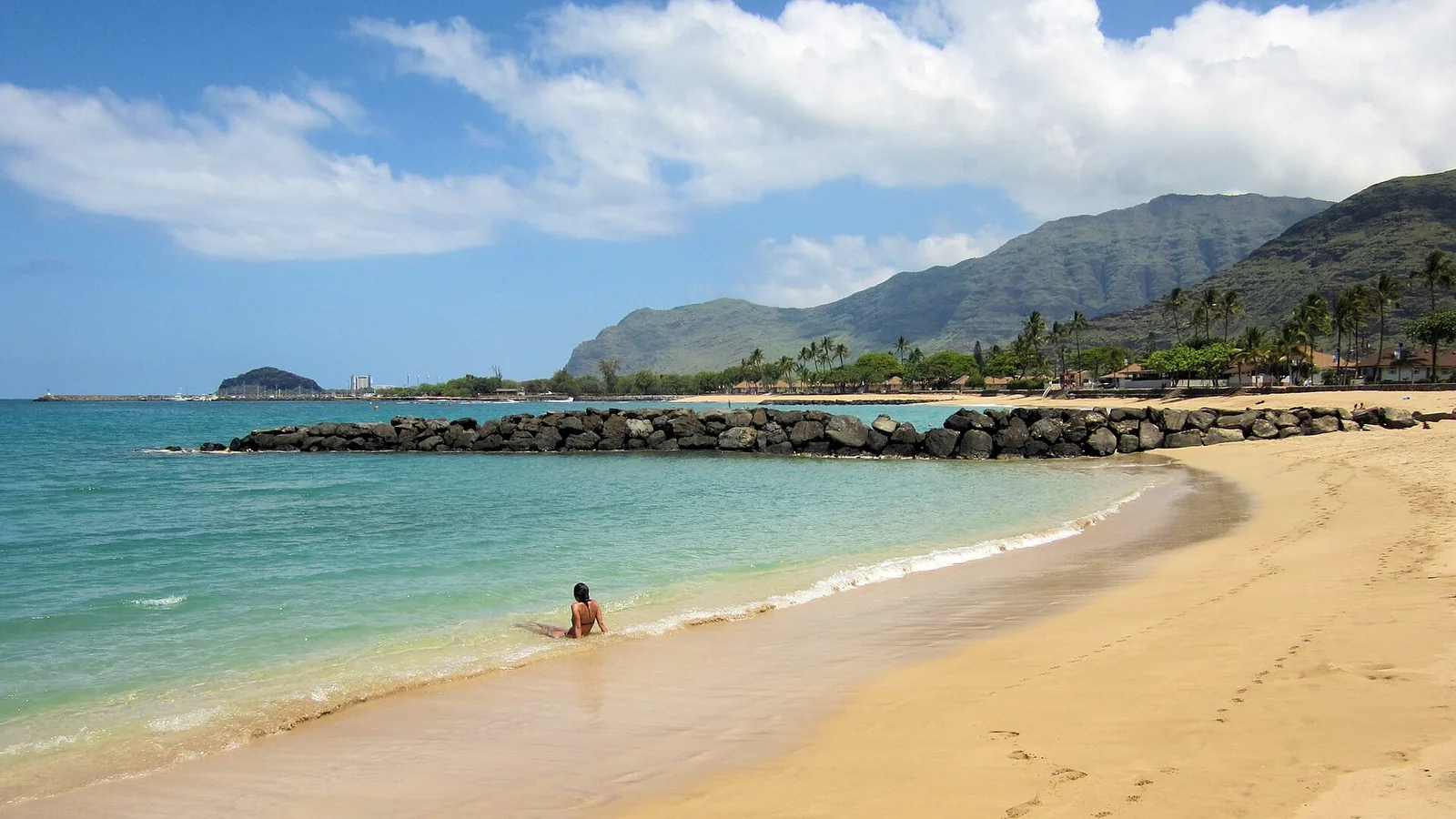
| Pōkaʻī Bay | Calm swimming, families | Tower 45 | Year-round | 2–3 hours |
| Mākaha Beach Park | Surf-watching, summer swims | Towers 47A and 47B | Winter to watch, summer to swim | 2 hours |
| Keawaʻula (Yokohama Bay) | The end of the road, sunsets | Tower 50 | Calm summer days | 1–2 hours |
| Kaʻena Point | Albatross, monk seals | None | Year-round, from Mokulēʻia | 3–4 hours |
How the West Side Fits Together
Everything north of Ko Olina hangs off Farrington Highway, Route 93, the only road along the Waiʻanae Coast. Hurricane Lowell’s surf closed it between Māʻili and Nānākuli in early September 2026, and HDOT reopened it on the evening of 8 September. A crash or a storm can still shut it for hours, so check HDOT or GoAkamai before a long day out here. Beyond Keawaʻula the asphalt simply ends: there is no road around Kaʻena Point to the North Shore.
The mountains behind the coast are the Waiʻanae Range, the eroded remains of the older of the two volcanoes that built Oʻahu, and home to Mount Kaʻala, at 4,025 feet the island’s highest point. The fluted Koʻolau cliffs you see from the Nuʻuanu Pali Lookout belong to the younger one, on the other side of the island. Trade winds drop their rain on the Koʻolau before they get here, which is why the west side is so often dry and sunny when the windward coast is grey; our rainy-day guide uses that trick.
The Waiʻanae Coast is also somewhere people live, in a close-knit community with deep Native Hawaiian roots. Beach parks are the local living room. Park where the signs allow, keep the music down, take your rubbish home, and don’t leave anything visible in a parked car anywhere on the island. Our guide to Oʻahu’s neighbourhoods covers the towns themselves.
Kapolei, ʻEwa and Ko Olina
The southern end of the west side is the easy half: big car parks, calm water and attractions with ticket desks.
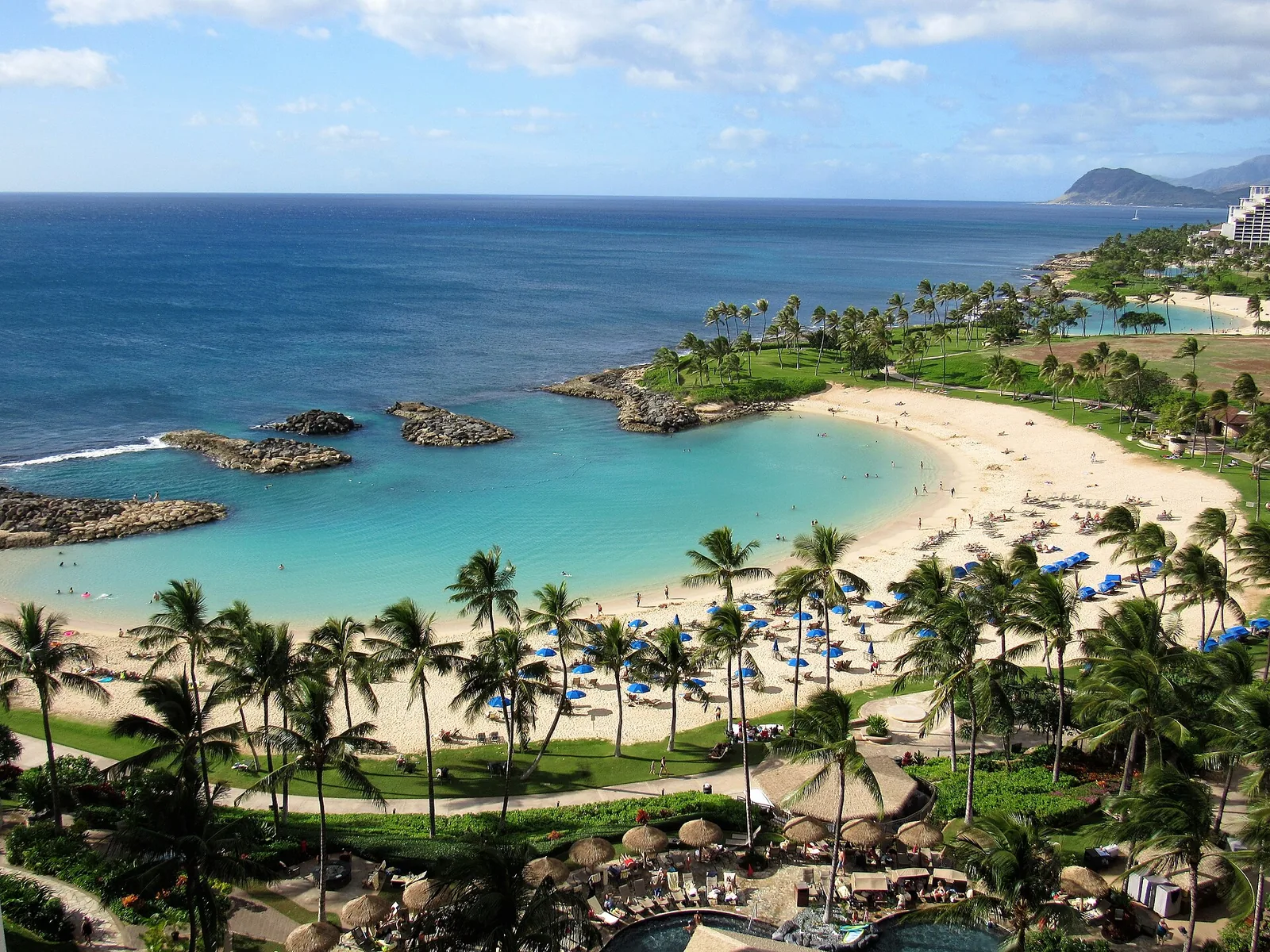
Swim the Four Lagoons at Ko Olina
Ko Olina’s resorts sit around four man-made lagoons, each a crescent of sand behind a rock breakwater, linked by more than a mile and a half of seaside path. The beaches are privately owned, but pedestrian access is allowed and there is free public parking, which makes this the calmest, most reliable swimming on the island for small children. There are no lifeguards. Come early at weekends, when the small public car parks fill quickly, then walk the path from one lagoon to the next in the late afternoon and stay for the sun going down over the breakwaters.
Cost: free; public parking from sunrise to sunset, first come, first served · Lifeguards: none · Allow: half a day
Ride the Hawaiian Railway to Kahe Point
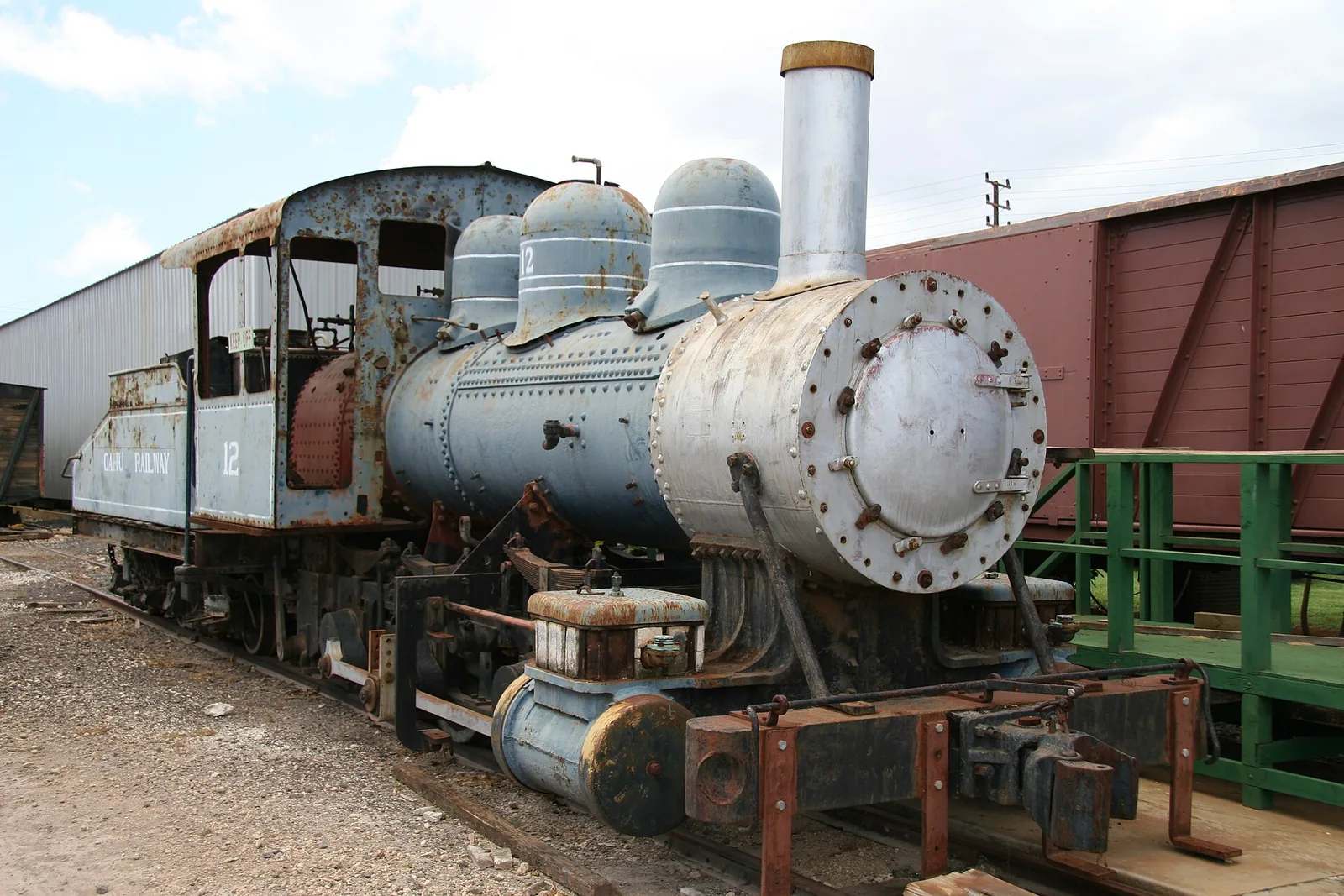
The Hawaiian Railway Society runs restored trains on a stretch of the old Oʻahu Railway line, 6.5 miles of track from ʻEwa Beach to Kahe Point. The standard ride is a two-hour round trip at about 15 mph, past dry scrub and the backs of the Ko Olina resorts to the sea, with a snack stop at Ko Olina on most departures. On the second Sunday of each month, the restored Parlor Car 64 is coupled on. The society calls its line the only operating historic railway in Hawaiʻi, and it is a gentle, slightly eccentric morning that children and railway fans both love.
Cost: $20 standard ride; Parlor Car 64 from $35 · Hours: rides on Wednesdays, Saturdays and Sundays; departure times on the booking page · Book: hawaiianrailway.com · Allow: 2 hours
Spend a Day at Wet’n’Wild Hawaii
Oʻahu’s big water park is in Kapolei, and it is the easy answer for teenagers who are bored of the beach. Plan carefully in winter: the park opens on selected days only, and its calendar for late 2026 has plenty of gaps. The park is also included on the Go City Oʻahu pass; our Go Oʻahu card review does the maths.
Cost: $66.99 general, $54.99 junior and senior, 10% off when booked 72 hours ahead · Hours: selected days, 10:30 to 15:00 or 16:00 (to 19:00 on 19 and 26 December); closed 23, 24, 26 and 30 November and 1–3, 7–10, 14–15 and 25 December · Book: wetnwildhawaii.com · Allow: most of a day
Go to Chief’s Luau
Paradise Cove, the long-running lūʻau at Ko Olina, closed at the end of 2025, so the west side’s established show is now Chief’s Luau, built around a fire-knife show. As at most lūʻau, the kalua pig and poi are the traditional Hawaiian part of the buffet. Our tours and attractions guide compares it with the others.
Cost: Aloha Experience $144 adults, $117 ages 13–20, $102 ages 5–12; Paradise package $182 adults · Hours: Sundays, Mondays and Wednesday to Friday; Saturdays only at select times of year · Book: chiefsluauhawaii.com · Allow: an evening
Kahe Point and Nānākuli
Past Ko Olina the highway squeezes between the power station and the sea, and the Waiʻanae Coast proper begins.
Snorkel Electric Beach, If You Know What You Are Doing
At Kahe Point Beach Park, warm water discharged from the power station flows out over the reef, and the fish follow it, sometimes with turtles and dolphins in tow. That is why snorkellers call it Electric Beach. It is not a beginner’s spot: the entry is over rock, the water deepens quickly, and when there is any swell the current and surge are strong. Go on a calm summer morning, swim with a friend, and ask at the lifeguard tower before you get in. Beginners are far better off in the Ko Olina lagoons or on a guided snorkel cruise. Our snorkelling guide has gentler options.
Cost: free · Lifeguards: Tower 40, 08:00–18:30 · Bus: Route C or 40 · Allow: 2 hours
Stop at a Nānākuli Beach Park
Nānākuli has two guarded beach parks on the highway, Kalanianaʻole and Ulehawa, with wide sand and a very local feel. They are good places to break the drive and watch the coast wake up, but in winter the shorebreak can be heavy; swim only when the lifeguards say it is safe.
Cost: free · Lifeguards: Tower 41 (Kalanianaʻole Beach Park, 89-269 Farrington Hwy) and Tower 42 (Ulehawa Beach Park, 89-229 Farrington Hwy), 08:00–18:30 · Bus: Route C or 40 · Allow: an hour
Māʻili and Waiʻanae
The middle of the coast is the place to stop and swim, and the place to get out on the water.
Walk Māʻili Beach Park
Māʻili’s beach park is long, open and mostly empty on weekdays, with the Waiʻanae Range rising straight behind it. It is a walking beach more than a swimming one in winter, when the waves come up; in summer it is calmer. Two lifeguard towers watch it.
Cost: free · Lifeguards: Towers 43A and 43B, 08:00–18:30 · Bus: Route C or 40 · Allow: 1 hour
Swim at Pōkaʻī Bay
A long breakwater shelters Pōkaʻī Bay from the open sea, which gives Waiʻanae a calm, sandy swimming bay that local families fill at weekends. If you have children and don’t want resort prices, this is the beach. At the end of the point stands Kūʻīlioloa Heiau, a sacred site: walk around it, never on it, and leave the stones as they are. Our Hawaiian culture and history guide explains what heiau were.
Cost: free · Address: 85-923 Bayview St, Waiʻanae · Lifeguards: Tower 45, 08:00–18:30 · Bus: Route C or 40 to Waiʻanae · Allow: 2–3 hours
Get Out on the Water From Waiʻanae
Boats leave the Waiʻanae coast for snorkelling, dolphin-watching and, from December to April, whale-watching cruises. Ocean Joy Cruises, a family-run operator here since 2003, is certified under the Dolphin SMART programme, which is the thing to look for. The rule is simple and federal: since 2021, nobody may swim with, approach or stay within 50 yards of a Hawaiian spinner dolphin. Any operator that promises you a swim with dolphins is offering to break the law.
Cost: Ocean Joy cruises from $174 per person · Book: oceanjoycruises.com; free cancellation up to 24 hours ahead · Allow: half a day
Mākaha
Mākaha is where the coast feels most like itself: big sand, big surf, and the headland of Mauna Lahilahi framing the bay.
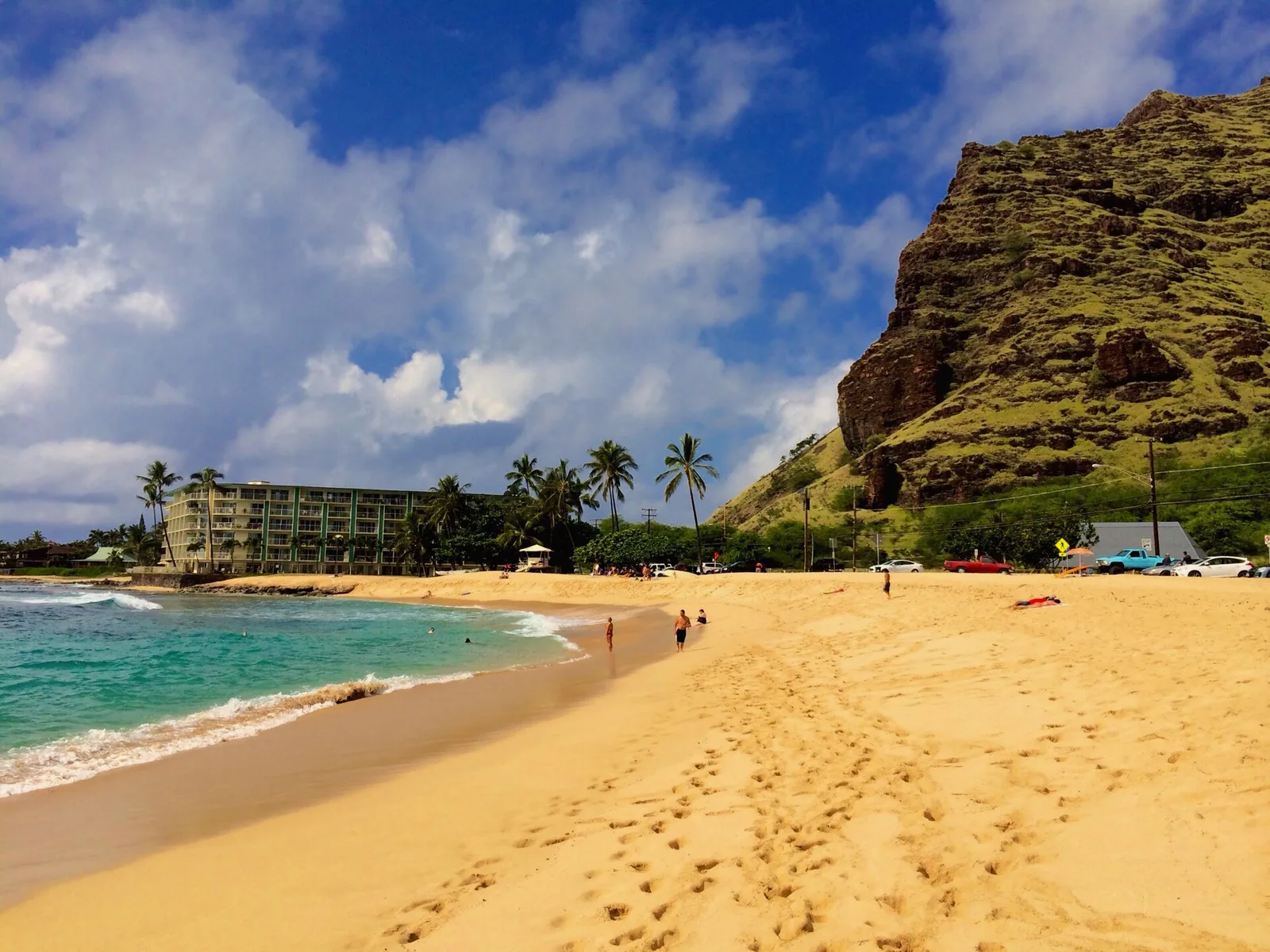
Watch the Winter Surf at Mākaha Beach Park
Mākaha has been a surfing beach since long before the North Shore was famous, and in winter big swells wrap around the coast to break across the bay, with local surfers and long-boarders out in force. Watch from the sand. In summer the waves drop away and it becomes a broad, gentle swimming beach, still with two lifeguard towers. The surfers in the line-up are mostly local; give them room, and leave the big days to them. Mauna Lahilahi Beach Park, at the foot of the headland, is a quieter alternative; it closes overnight, from 22:00 to 05:00. Our Oʻahu beaches guide compares it with the North Shore.
Cost: free · Lifeguards: Towers 47A and 47B (84-369 and 84-277 Farrington Hwy), 08:00–18:30 · Bus: Route C or 40 to Mākaha · Allow: 2 hours
Mākua, Keawaʻula and the End of the Road
North of Mākaha the houses thin out, the highway hugs the shore, and the coast feels as remote as anywhere on Oʻahu.
Stop at Mākua Beach
Mākua is a long, pale beach below a wide valley, and on calm days it is one of the most beautiful stretches of sand on the island. The valley behind it is restricted military land: stay out of it. Spinner dolphins sometimes rest in bays along this coast during the day, which is exactly when they should be left alone, so watch from the sand.
Cost: free · Lifeguards: none · Allow: 30 minutes to an hour
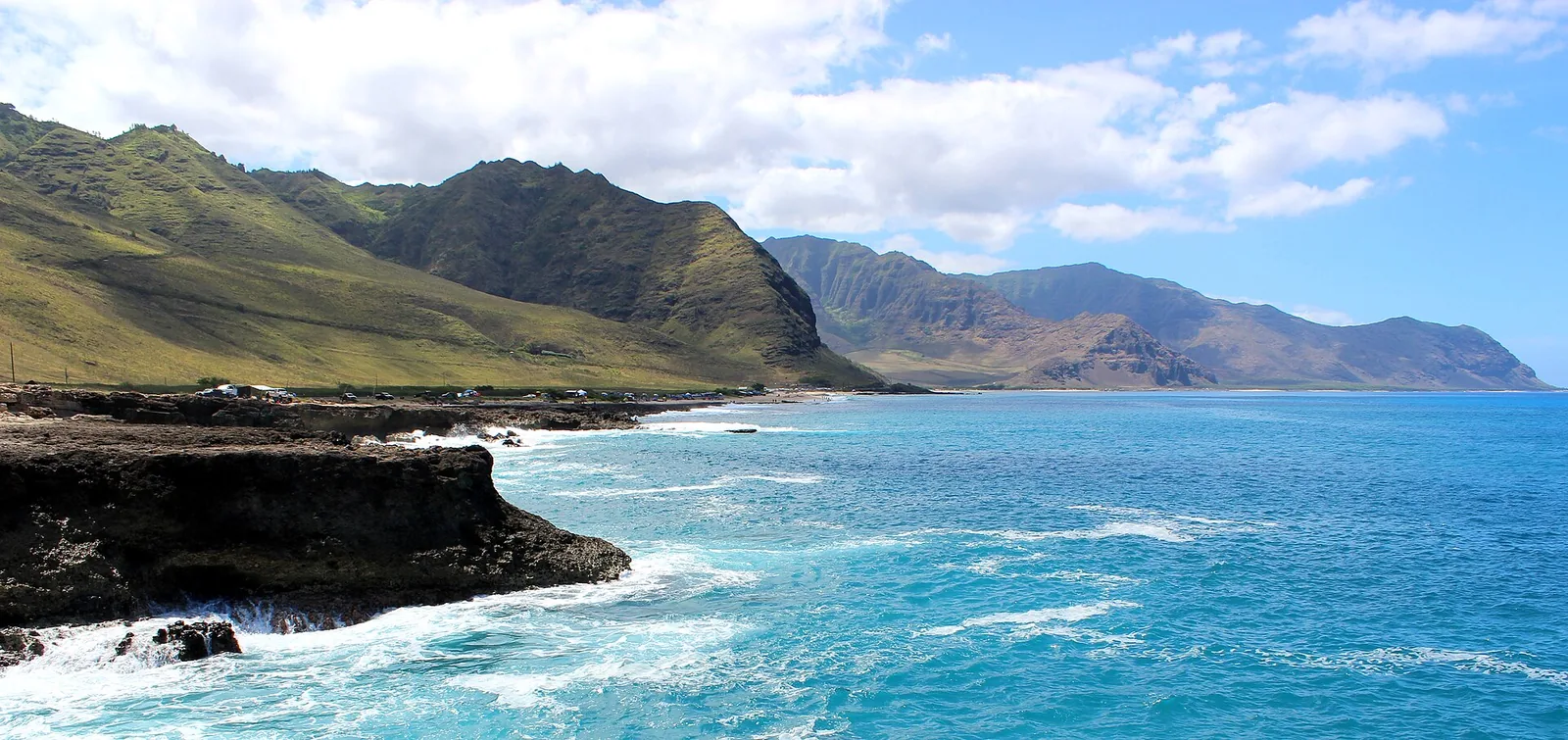
Reach the End of the Road at Keawaʻula
Keawaʻula, which many people still call Yokohama Bay, is where Farrington Highway gives up. It is part of Kaʻena Point State Park, with a lifeguard tower, wide sand and some of the clearest water on the coast in summer, but heavy shorebreak in winter. After Hurricane Lowell the state reopened this section only as far as the comfort-station car park, and the trail onwards to Kaʻena Point was still closed in mid-November. Check DLNR’s park page before you set out.
Cost: free · Hours: 06:00–19:00 · Lifeguards: Tower 50, Keawaʻula Beach Park (81-601 Farrington Hwy), 08:00–18:30 · Book: no; check DLNR for closures · Allow: 1–2 hours
Walk to Kaʻena Point From the Other Side
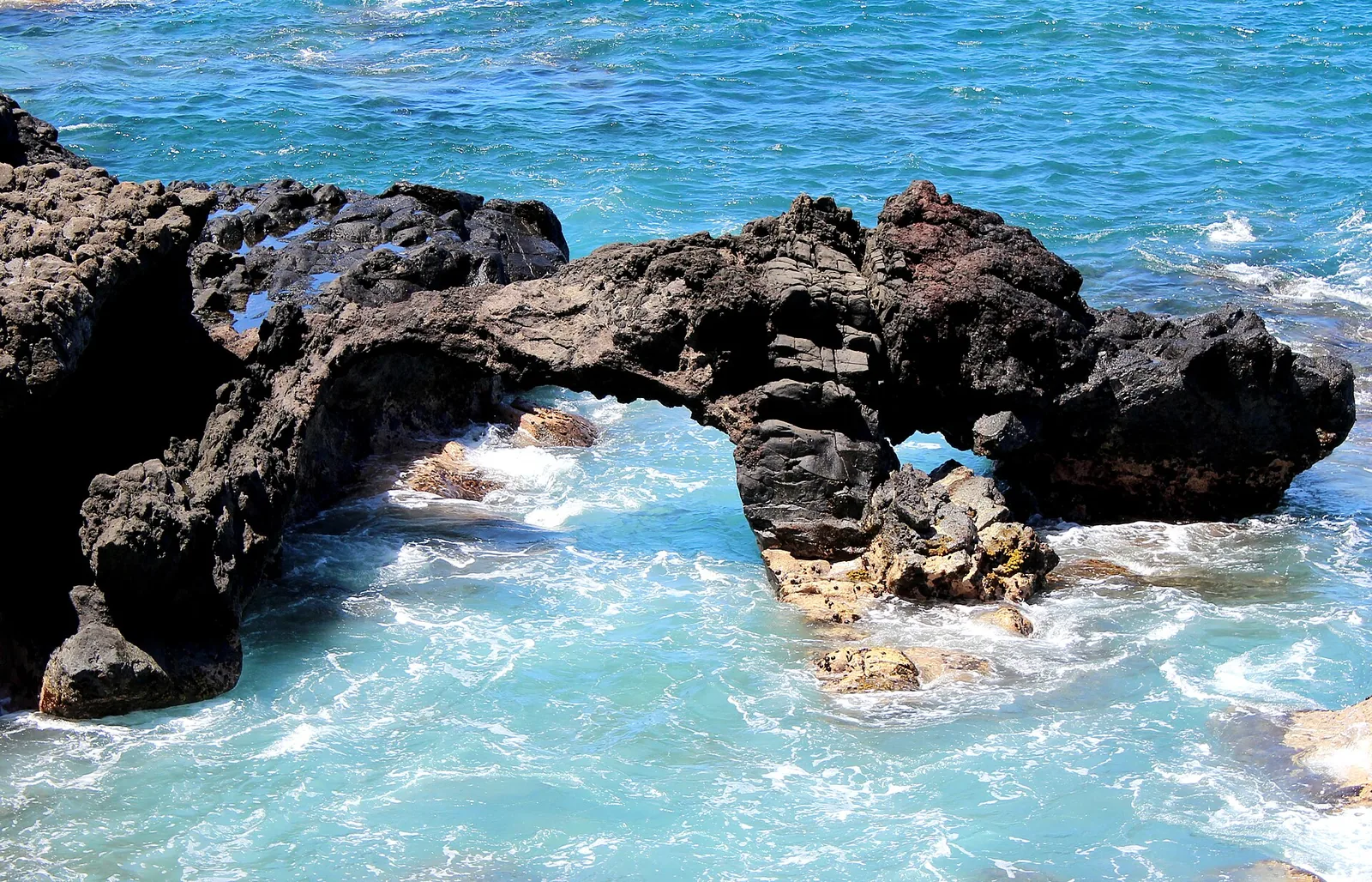
Oʻahu’s westernmost tip is a fenced reserve of dunes where Laysan albatross nest and Hawaiian monk seals haul out on the rocks, reached on foot along the old railway grade. While the Keawaʻula side is closed, start from Mokulēʻia on the North Shore instead (vehicles beyond the gate there need a DLNR permit, so most people walk in from the gate): the trail is about 2.5 miles each way, flat and without shade. Keep 50 feet from any seal. Our Oʻahu hikes guide has the trail in detail. It is entry 20 in our list of 50 experiences worth planning around, and our North Shore guide covers the Mokulēʻia end.
Cost: free · Hours: 06:00–19:00 · Book: no · Allow: 3–4 hours
A One-Day West Side Route
The coast is about the right size for a day, as long as you pick a direction and don’t try to swim at every beach. This is the order that works best, and most of it is free.
Morning. On a Wednesday, Saturday or Sunday, start with the Hawaiian Railway’s two-hour ride from ʻEwa. On other days, go straight to Ko Olina and have a lagoon almost to yourself for an early swim. Families with small children can happily stop there for the day.
Midday. Drive north on Farrington Highway past Kahe Point. Experienced snorkellers can stop at Electric Beach if the sea is flat; everyone else should carry on to Pōkaʻī Bay, where the breakwater keeps the water calm and the lifeguard is on duty until 18:30.
Afternoon. Continue to Mākaha to watch the surf in winter or swim in summer, then on past Mākua to Keawaʻula, the end of the road, for a quieter beach at the top of the coast.
Evening. Turn round in time to watch the sunset from Mākaha or back at Ko Olina, then drive to town once the evening commute has eased. In December the sun sets a little before 18:00, so you can still be back in Waikīkī for dinner.
The West Side in Winter and Summer
November to March. Winter swells reach this coast too, and Mākaha, Keawaʻula and the Nānākuli beach parks can have heavy shorebreak; watch rather than swim when the lifeguards advise against it. Whale-watching cruises from the Waiʻanae coast run from December to April. Sunset comes early, and Wet’n’Wild opens on selected days only, so check its calendar before you promise the children.
April to October. The sea usually calms right up the coast, which is when Keawaʻula and Mākaha are at their best for swimming and Electric Beach is at its most snorkellable. The evenings are long, with sunset after 19:00 from mid-May to mid-August, so a west-side day can run late.
Sunsets on the West Side
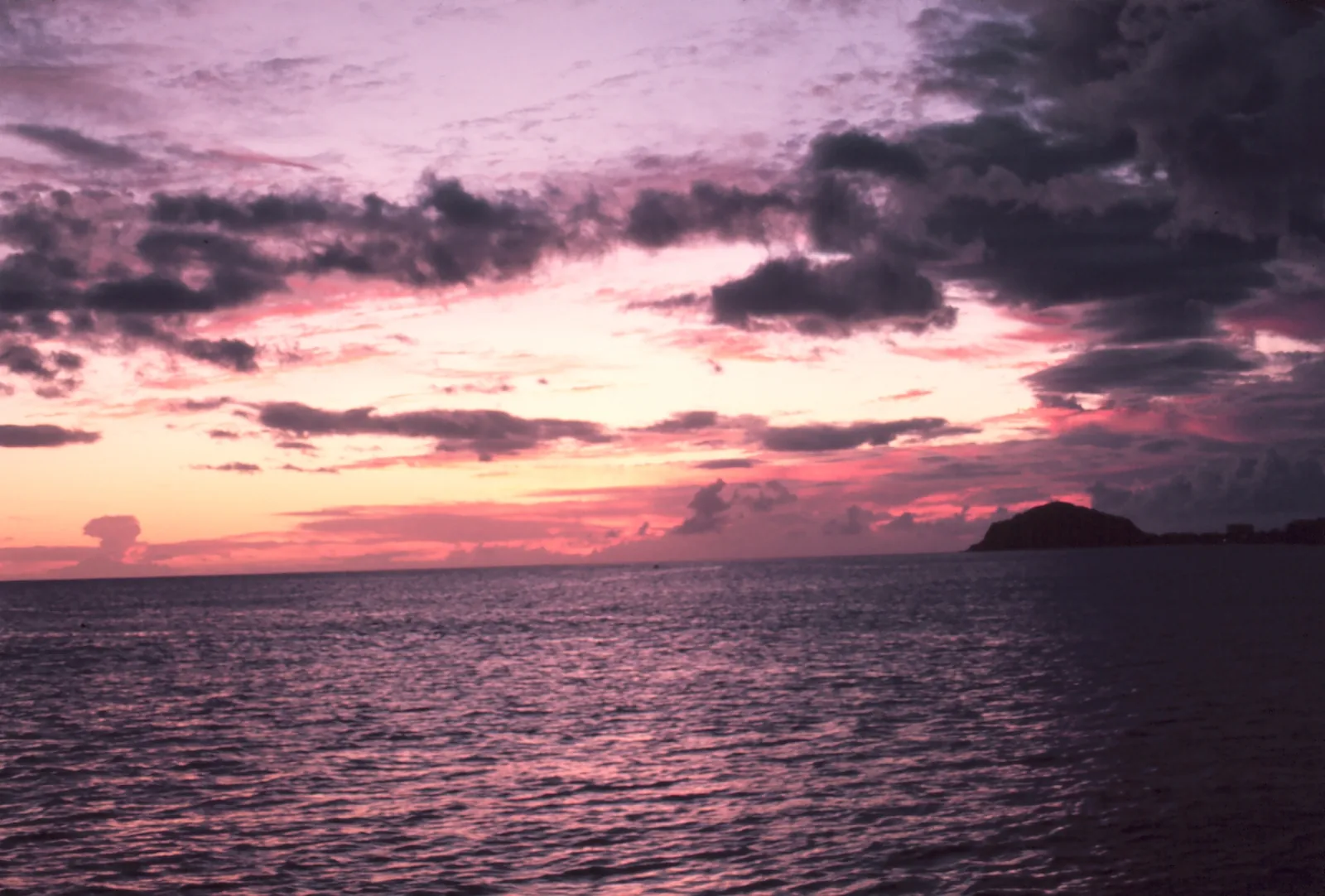
The leeward coast faces the sunset all year, and on a clear evening it is one of the best places on the island to watch it. In December the sun goes down a little before 18:00, well to the south-west, which puts it over open water from Ko Olina, Pōkaʻī Bay and Mākaha alike. The lagoons at Ko Olina are the easy choice; Mākaha, with Mauna Lahilahi in silhouette, is the more dramatic one. Whichever you choose, the beach parks close overnight, so check the signs, and allow for the drive back in the dark. Our best sunset spots on Oʻahu has the month-by-month times.
Planning West Side Oahu Things to Do: Roads, Buses and Safety
By car. The H-1 runs west from Honolulu and becomes Farrington Highway past Kapolei. Avoid driving towards town on weekday mornings and away from it in the late afternoon, when the commute can double journey times. A rental car for a day, rather than the whole trip, suits most visitors; our getting around Oʻahu guide explains how to do that.
By bus. TheBus Route C, the CountryExpress!, runs from Ala Moana and the Kalihi Transit Center to Nānākuli and Mākaha, and Route 40 runs from Honolulu to Mākaha by way of the airport’s Skyline station. Locals such as Routes 401 and 403 fill in around Waiʻanae, and Route 41 links Kapolei with ʻEwa Beach. Fares are $3.25 cash or $3.00 on a HOLO card, capped at $7.50 a day. Stops are spread out, so the bus suits a beach day better than a coast-long tour.
In the water. Drowning is the leading cause of injury death among visitors to Hawaiʻi. Every guarded beach on this coast has its tower open from 08:00 to 18:30; swim in front of one, ask the guard about conditions, and remember that winter swells reach this coast too. Stay out of the sea for 72 hours after heavy rain. On 19 November 2026 the Department of Health listed no brown-water advisory for Oʻahu; check its Clean Water Branch page before you swim after a storm.
Where to stay. Ko Olina has the west side’s resorts and its main cluster of hotel rooms. Our where to stay on Oʻahu guide compares it with Waikīkī and the North Shore, and our Oʻahu itinerary shows how a west-side day fits into a week. Families should also see Hawaiʻi with kids.
Staying out after sunset? Our guide to things to do on Oʻahu at night covers the lūʻau, shows and fireworks back in town.
Frequently Asked Questions
Are west side Oahu things to do worth the drive from Waikīkī?
Yes, for at least one day. The west side has the calmest swimming on the island at Ko Olina and Pōkaʻī Bay, uncrowded beaches at Mākaha and Keawaʻula, and sunsets over open ocean every evening. Go on a weekday, leave Waikīkī after the morning rush, and drive back after dark or once the evening commute has eased.
Is the west side of Oʻahu safe for visitors?
Yes, with the same sense you would use anywhere. Treat the Waiʻanae Coast as the neighbourhood it is: park legally, keep noise down and take your rubbish home. Car break-ins happen at beaches and trailheads all over Oʻahu, so leave nothing in the car. The bigger risk is the ocean, so swim only in front of a lifeguard tower.
Can you drive around Kaʻena Point to the North Shore?
No. Farrington Highway ends at Keawaʻula on the west side, and the road from the North Shore ends at Mokulēʻia. Kaʻena Point between them is reached only on foot, about 2.5 miles each way, and the Keawaʻula half of the trail was still closed after Hurricane Lowell in mid-November 2026. Driving between the two ends means going back through the middle of the island.
Where is the calmest swimming on the west side?
The Ko Olina lagoons, which are sheltered by breakwaters but have no lifeguards, and Pōkaʻī Bay in Waiʻanae, which is sheltered by a long breakwater and has a lifeguard tower. Mākaha is calm in summer but has big surf in winter. Electric Beach is for experienced snorkellers only, and only on calm days.
Can you swim with dolphins on the west side?
No. A federal rule in force since 2021 bans swimming with, approaching or staying within 50 yards of Hawaiian spinner dolphins, which rest in sheltered bays during the day. Watch from the shore or from a boat that keeps its distance; Dolphin SMART certification is a good sign that an operator follows the rules.
Is Ko Olina open to the public?
Yes. The four lagoons are lined by privately owned beaches, but pedestrian access is allowed, and there is free public parking from sunrise to sunset on a first-come basis. The car parks are small and fill early at weekends and on holidays. There are no lifeguards, so watch children closely even in the calm water.
Can I visit the west side without a car?
Yes, for a beach day. TheBus Route C runs from Ala Moana to Nānākuli and Mākaha, and Route 40 runs from Honolulu to Mākaha, at $3.25 a ride or $7.50 a day on HOLO. A full coast tour with several stops is much easier by car; our guide to Oʻahu’s best things to do marks which other sights are on a bus line.
When is the best time to visit the west side?
Summer, roughly May to September, is best for swimming, when even Mākaha and Keawaʻula calm down. Winter brings big surf to watch at Mākaha and whale-watching cruises from December to April. The weather is dry and sunny much of the year, so it is a good escape when the windward side is rainy.
Photo Credits
- Pōkaʻī Bay (featured): Hakilon, CC BY 3.0
- Ko Olina lagoons: Farragutful, CC BY-SA 4.0
- Hawaiian Railway Society locomotive: davidd from Hatch, Utah, USA, CC BY 2.0
- Mākaha Beach Park: Nicolai Edgar Andersen, CC BY-SA 4.0
- Coast beyond Yokohama Bay: Aaron Zhu, CC BY-SA 3.0
- Natural arch on the Kaʻena trail: Aaron Zhu, CC BY-SA 3.0
- Sunset on the Waiʻanae coast: NOAA, Public domain